Full Interior Design Materials Guide: Types & How to Select
By Usha Balasubramanyan- January 06, 2026
Your choice of interior design materials are what shape the look and feel of your home. They decide the durability, and how it ages over time. They determine whether your wardrobe lasts ten years or twenty, whether your kitchen feels busy or cluttered, and whether your home stays comfortable through changing seasons.
Yet for most homeowners, materials are also the most confusing part of the design journey! Terms like plywood, MDF, laminates, finishes, and textures are often discussed quickly, leaving people unsure about what actually works.
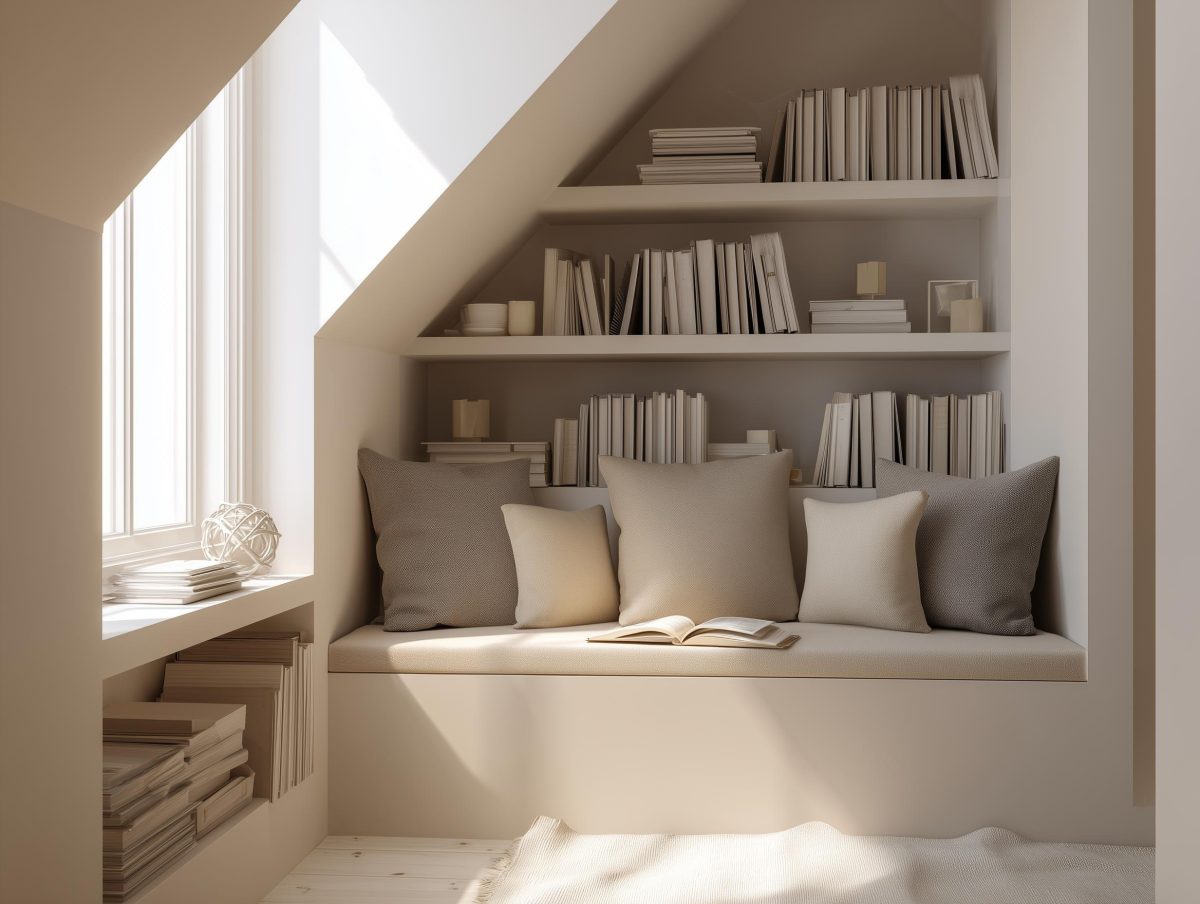
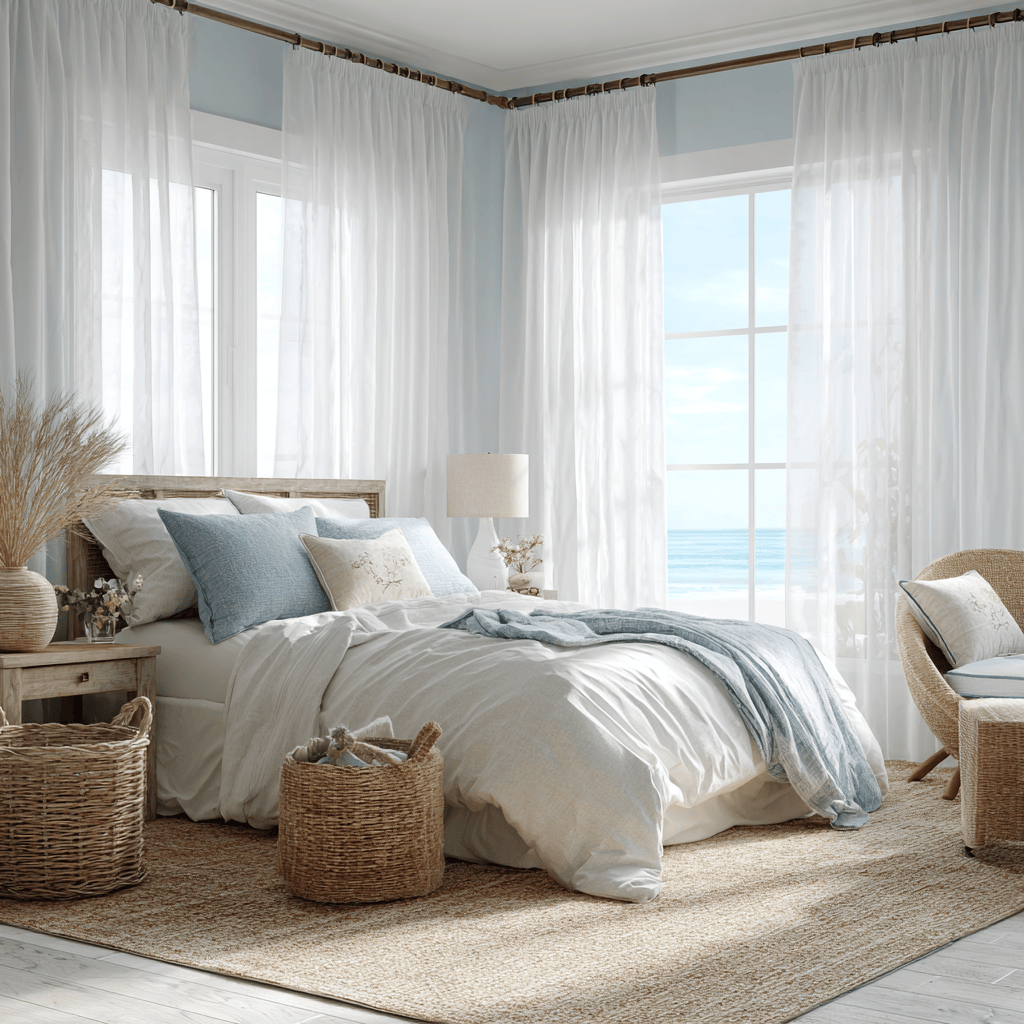
Sustainable interior design materials and finishes creating calm modern bedroom
This guide breaks it all down. Not in a technical way, but in a practical, everyday sense. Get an interior design materials list with what to use where, how to choose the right ones, and how to balance durability and budget.
1. Types of Interior Design Materials (Classified by Use)
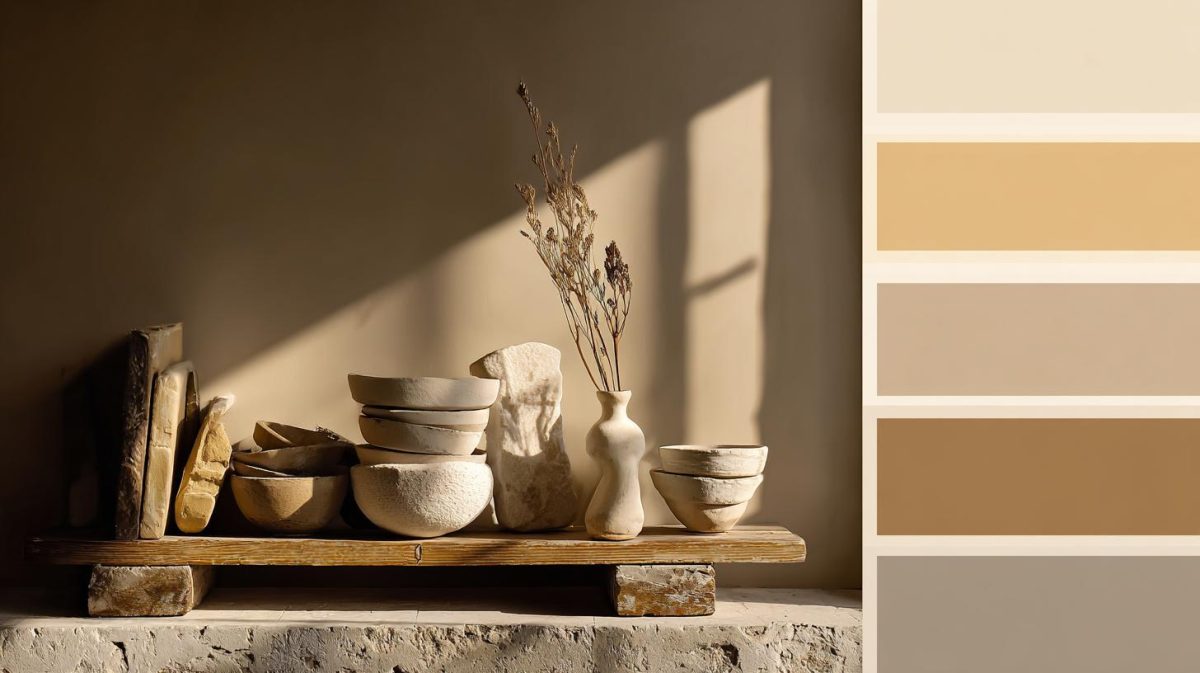
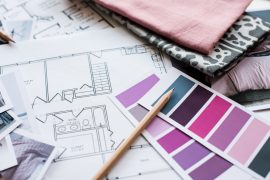
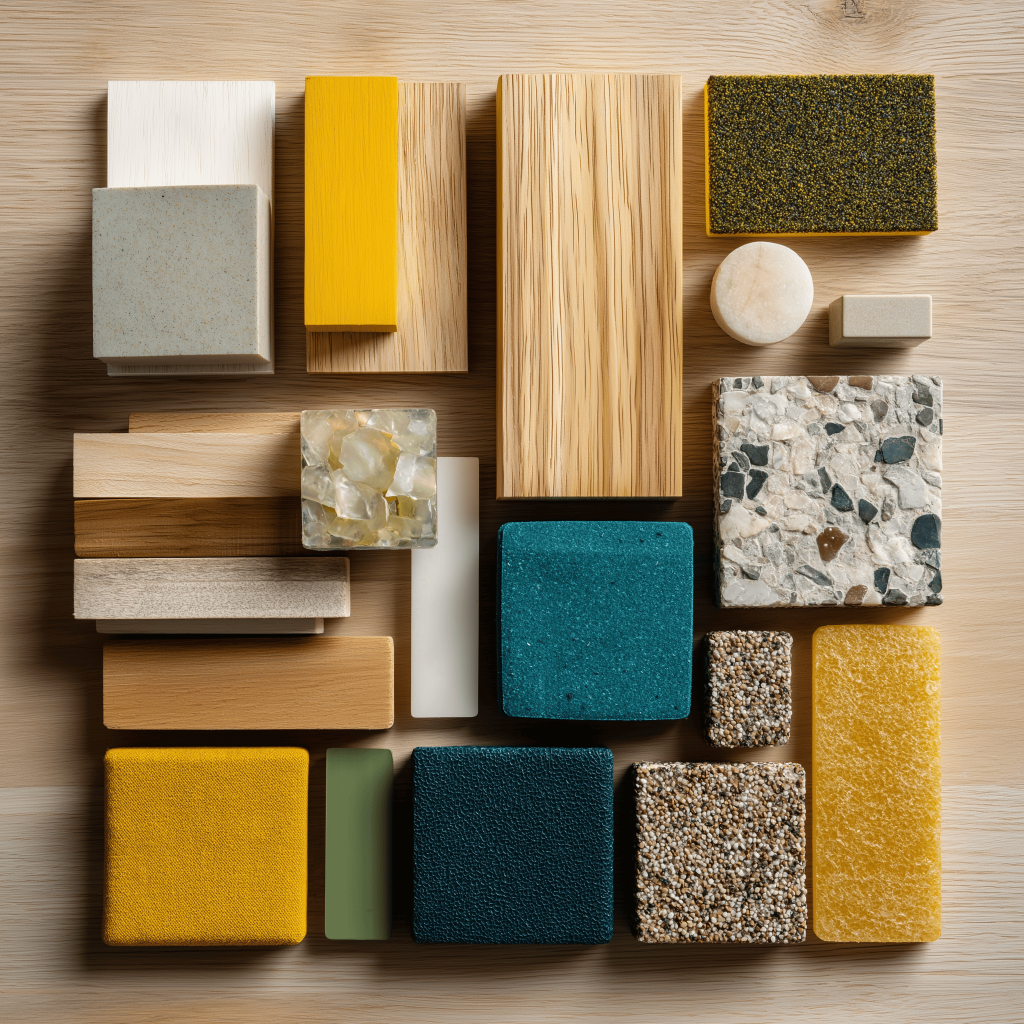
Material board interior design showcasing sustainable materials and finishes
Understanding materials used in interior design becomes easier when you group them by function.
Core or structural materials form the base of furniture and storage units. These include plywood, MDF, particle board, and solid wood. They are what’s behind the strength, moisture resistance, and lifespan. Surface materials and finishes are applied on top of core boards. Laminates, veneers, acrylics, PU paint, and glass fall into this category. These affect appearance and maintenance.
Countertop materials include granite, quartz, marble, and solid surface options. These must handle heat, spills, and daily wear. Interior wall design materials include paint, wallpaper, fabric panels, wood cladding, and textured finishes that add character. Flooring materials range from ceramic tiles and vitrified tiles to marble, vinyl, laminate, and engineered wood. Each material has a purpose. Issues arise when a material is used outside its intended role.
2. Material Selection: How to Choose the Right Material
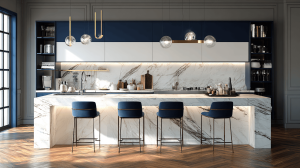
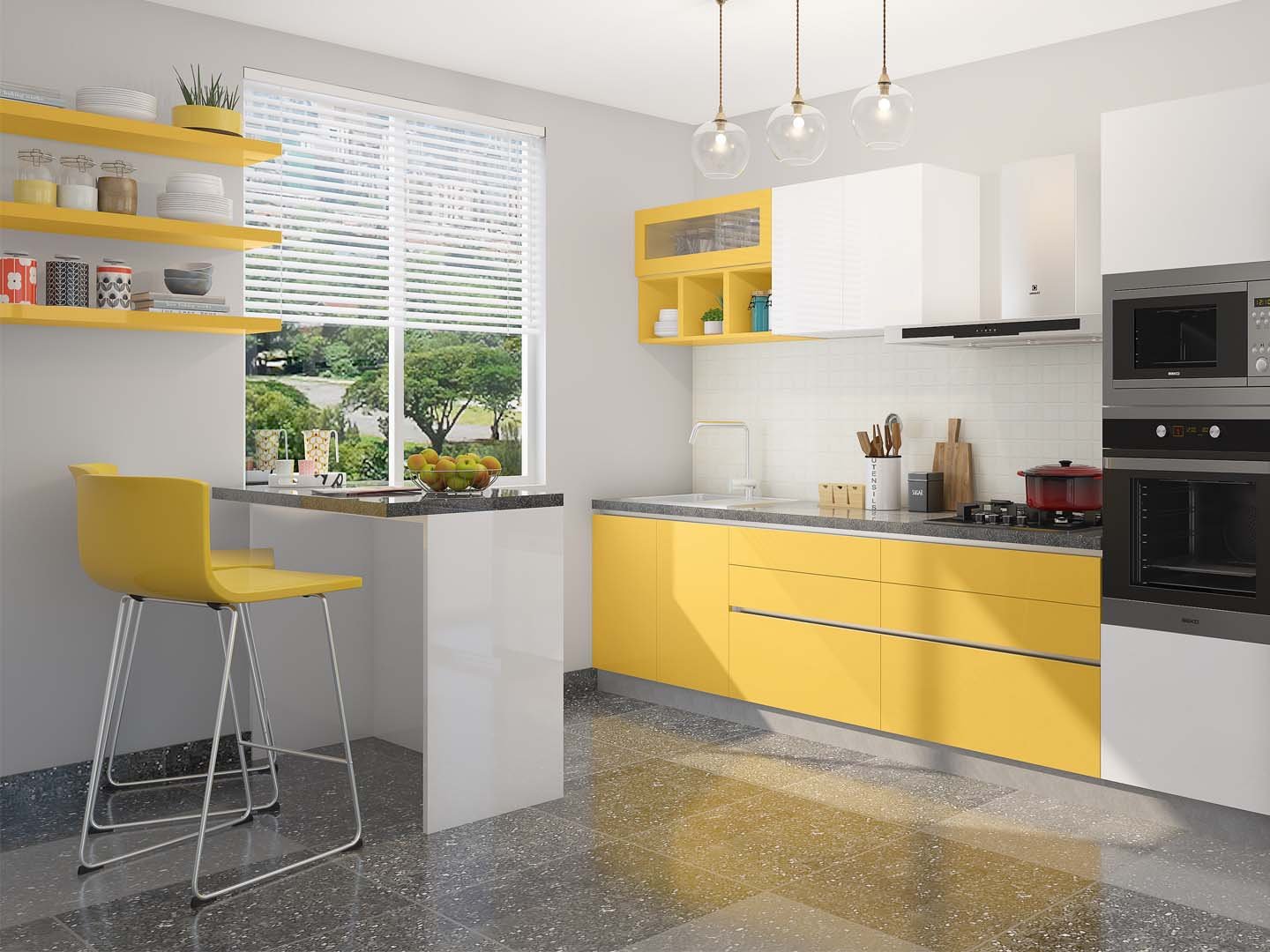
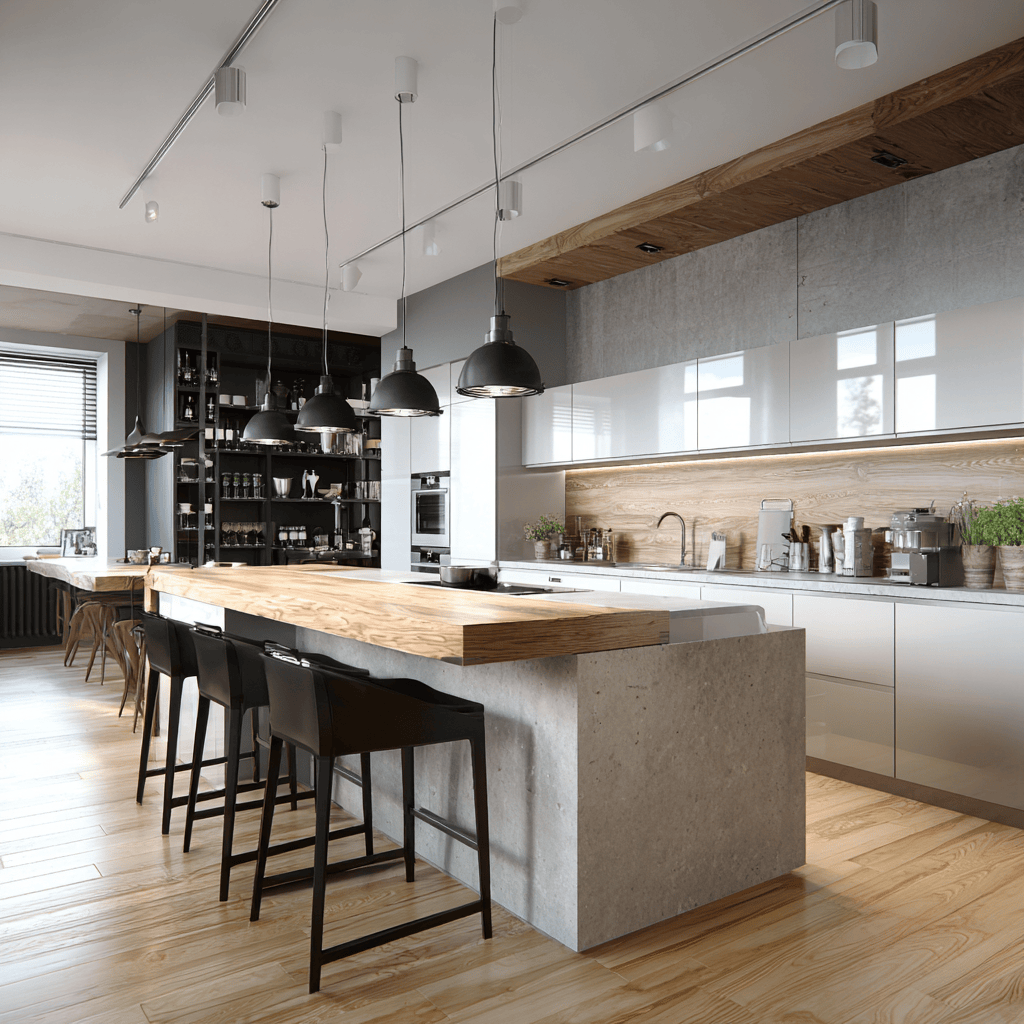
Materials and finishes for interior design in modern sustainable kitchen
Material selection should always start with just how each space is used. There are many new materials in interior design too, and you should study them well before choosing to use them. Kitchens need boards that resist moisture and heat. Bedrooms need materials that feel comfortable and age well. Living rooms need surfaces that handle frequent use without looking worn quickly. Sustainable interior design materials are non-toxic and safe for the family.
Climate plays a majorly defining role. Homes built in humid regions call for moisture-resistant boards, and finishes that do not warp. Look out for flooring that can handle temperature changes without cracking. Maintenance is another key consideration. Shiny surfaces show marks easily, so will need frequent cleaning. Matte finishes hide wear better and are easier to live with. Think long-term! Interior design materials should still work well after years of use, not just look good at the start.
3. Interior Design Material Finishes and Textures (With Use Cases)
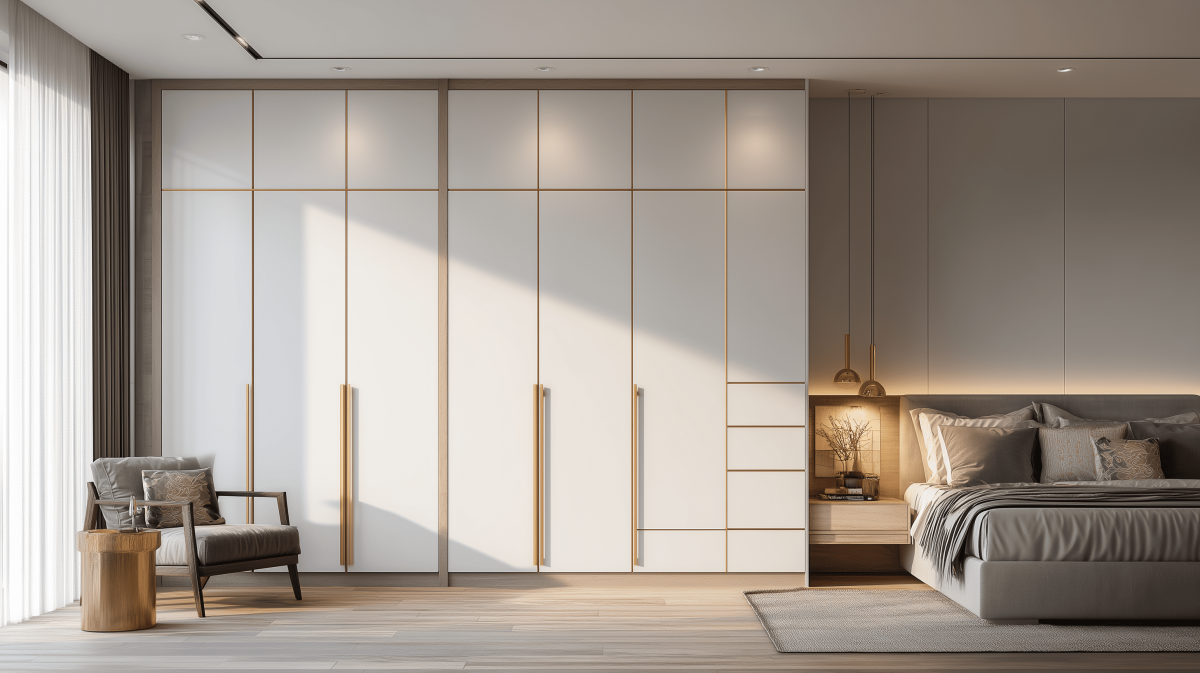
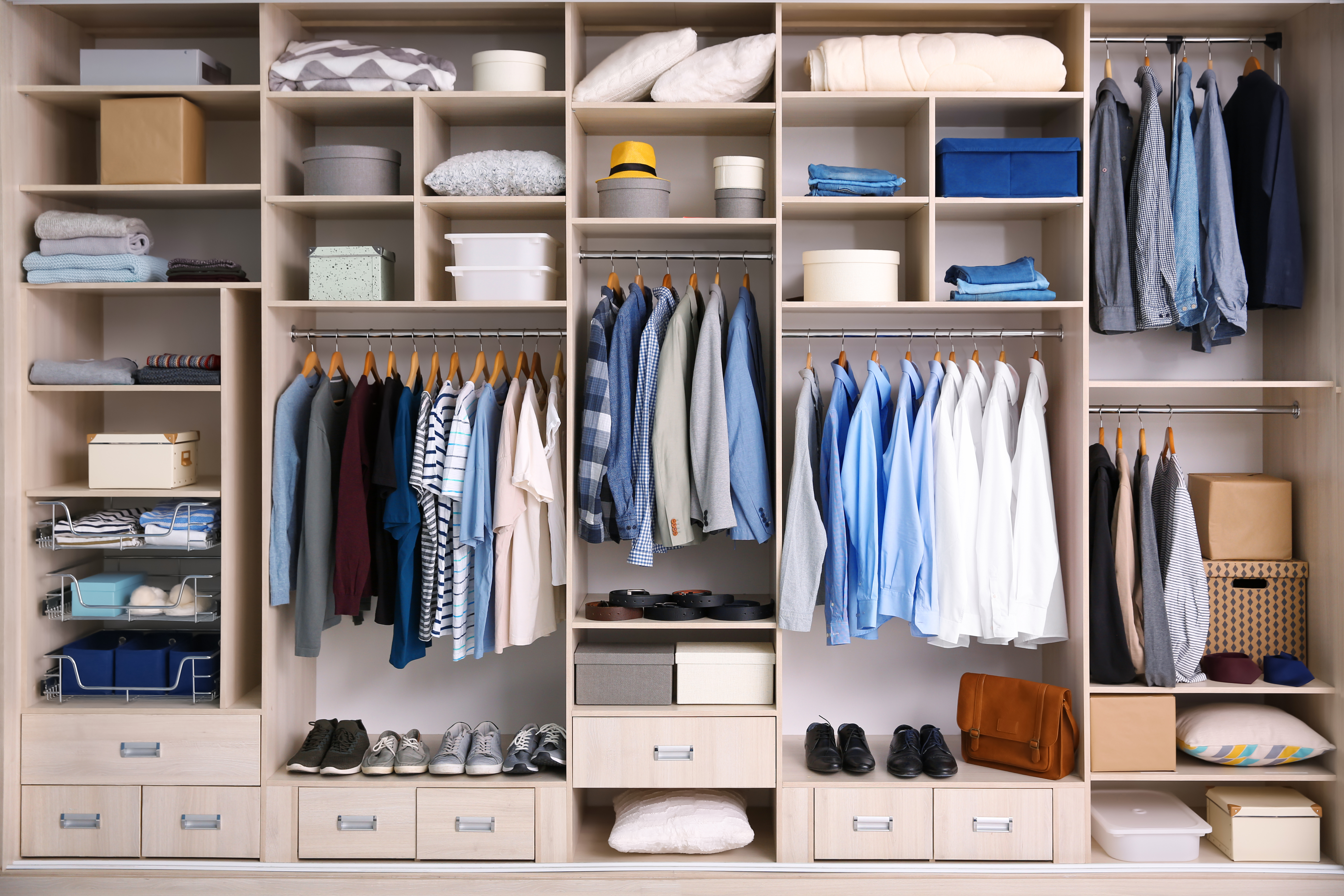
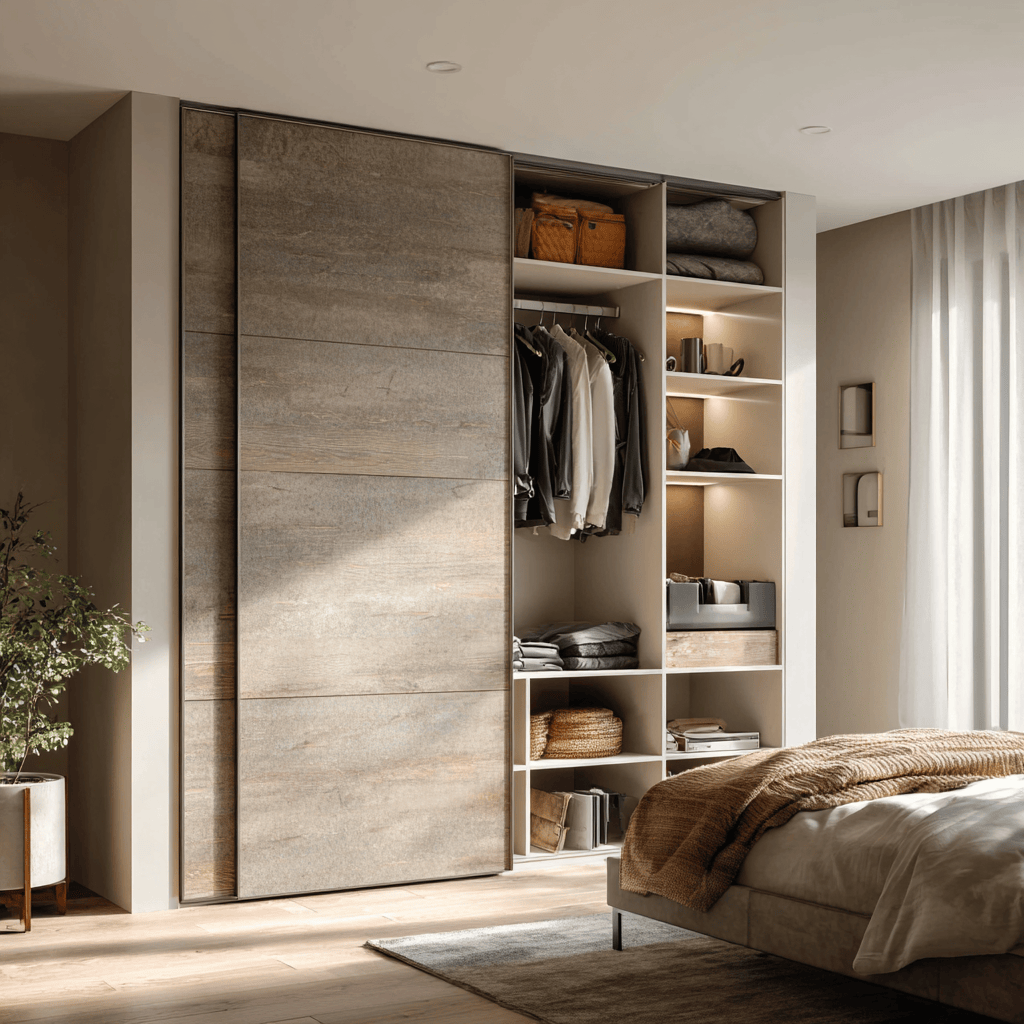
Sustainable interior design materials used in modern bedroom wardrobe finishes
Finishes and textures define the visual personality of your home.
Laminate finishes are widely used due to their durability and range. Matte laminates work well for wardrobes, kitchens, and storage units.
Acrylic finishes offer a sleek, modern look and are used mainly in kitchens. They reflect light well but need careful cleaning.
Veneers bring the look of real wood and suit living rooms and bedrooms. They require sealing and maintenance but age gracefully.
PU-painted surfaces allow full colour customisation. These work well for feature furniture and accent units.
Textured finishes like fabric panels, fluted surfaces, and subtle wall textures add depth and interest. These are commonly used behind beds or in living areas.
A mix of finishes works best when used thoughtfully. Too many textures can make a space feel busy.
4. Latest Trends in Interior Design Materials (2026 and Beyond)
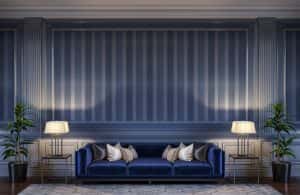
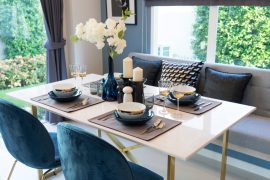
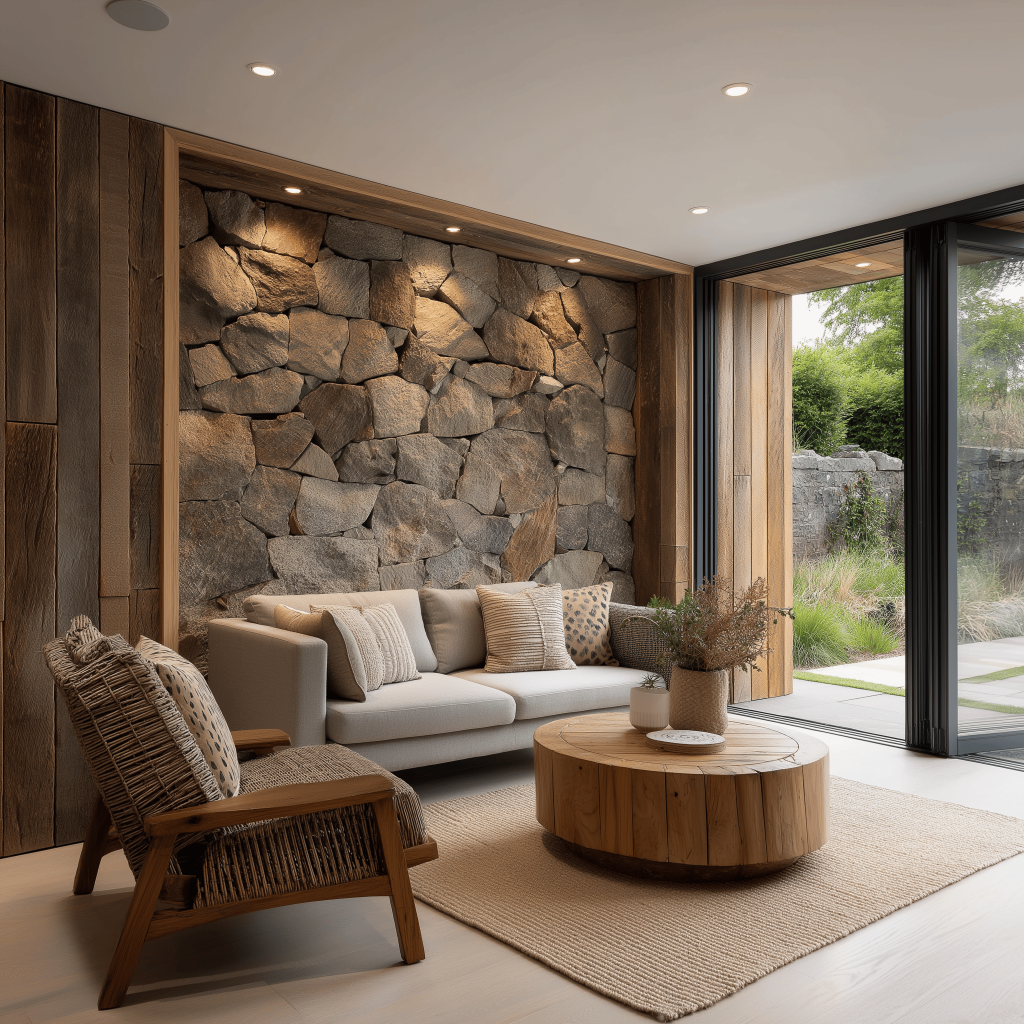
Sustainable interior design materials and finishes used in modern living room
Material trends for 2026 focus on durability, comfort, and maintenance. Noone has time to keep cleaning every day!
Matte finishes continue to replace glossy surfaces across wardrobes, modular kitchens, and furniture. Natural materials for interior design are on wish-lists everywhere. Wood grains, stone-finish laminates, and fabric-backed panels are very happening.
Sustainable materials are becoming part of everyday choices. Low-VOC boards, recycled wood products, and responsibly sourced veneers are being specified more frequently. Engineered materials have also improved. Modern plywood and laminates offer better strength, consistency, and resistance compared to older versions. The shift is toward materials that feel honest and practical rather than decorative.
5. Expert Tips for Selecting Interior Design Materials
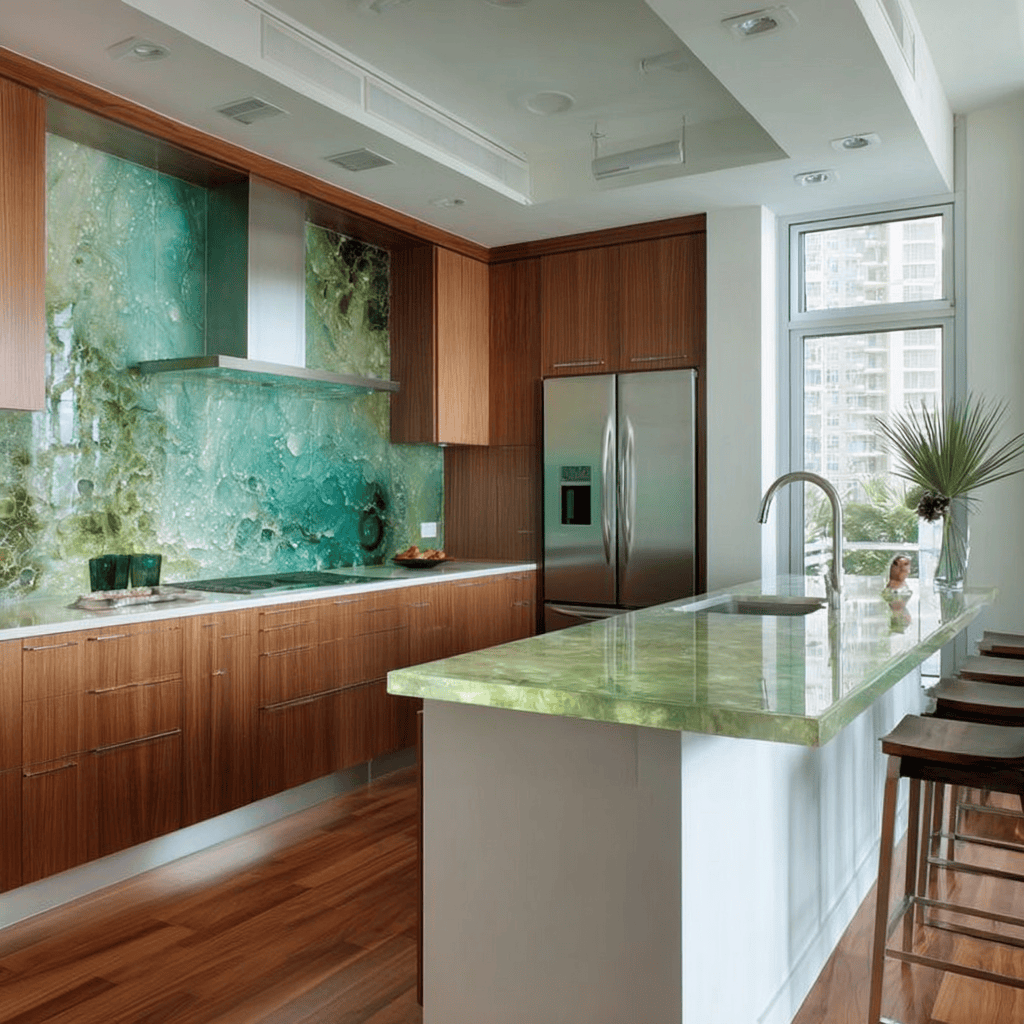
Materials and finishes for interior design in sustainable modern kitchen
Start material planning early in the design process. Last-minute changes usually increase costs. Always check the core board, not just the surface finish! A strong finish on a weak board will not work well in the long run. Understand where each of the types of materials in interior design works best. Not every board suits wet areas or heavy use.
Balance design with everyday practicality. A simpler finish that lasts longer is usually the better choice. Rely on experience! Designers who work with materials daily know how they behave over the years.
6. Estimated Cost Guide for Interior Design Materials
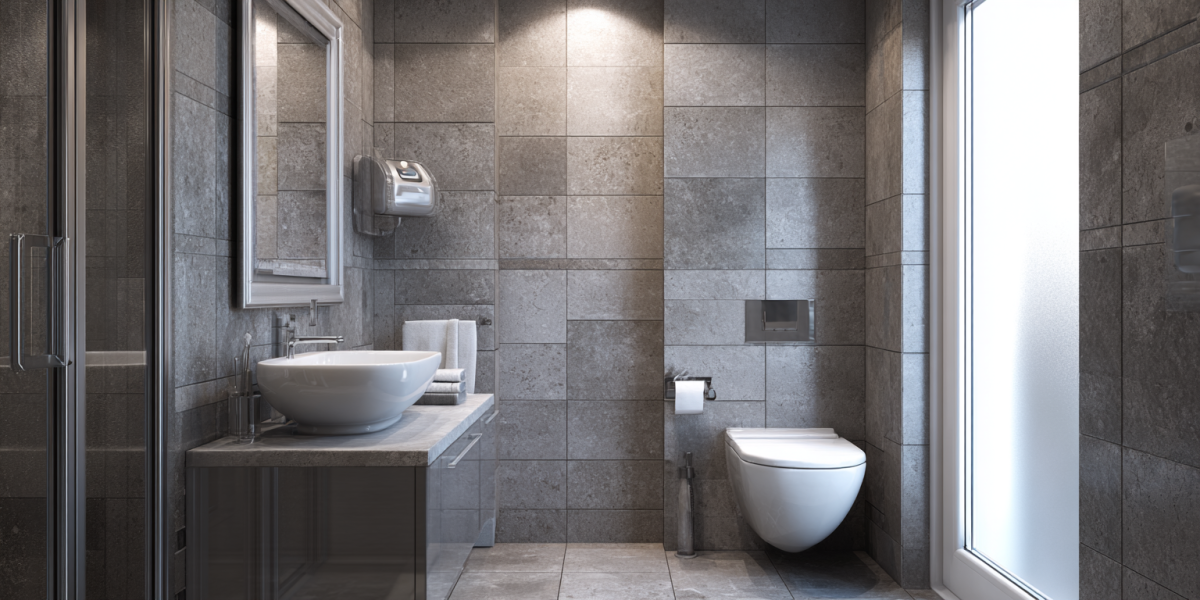
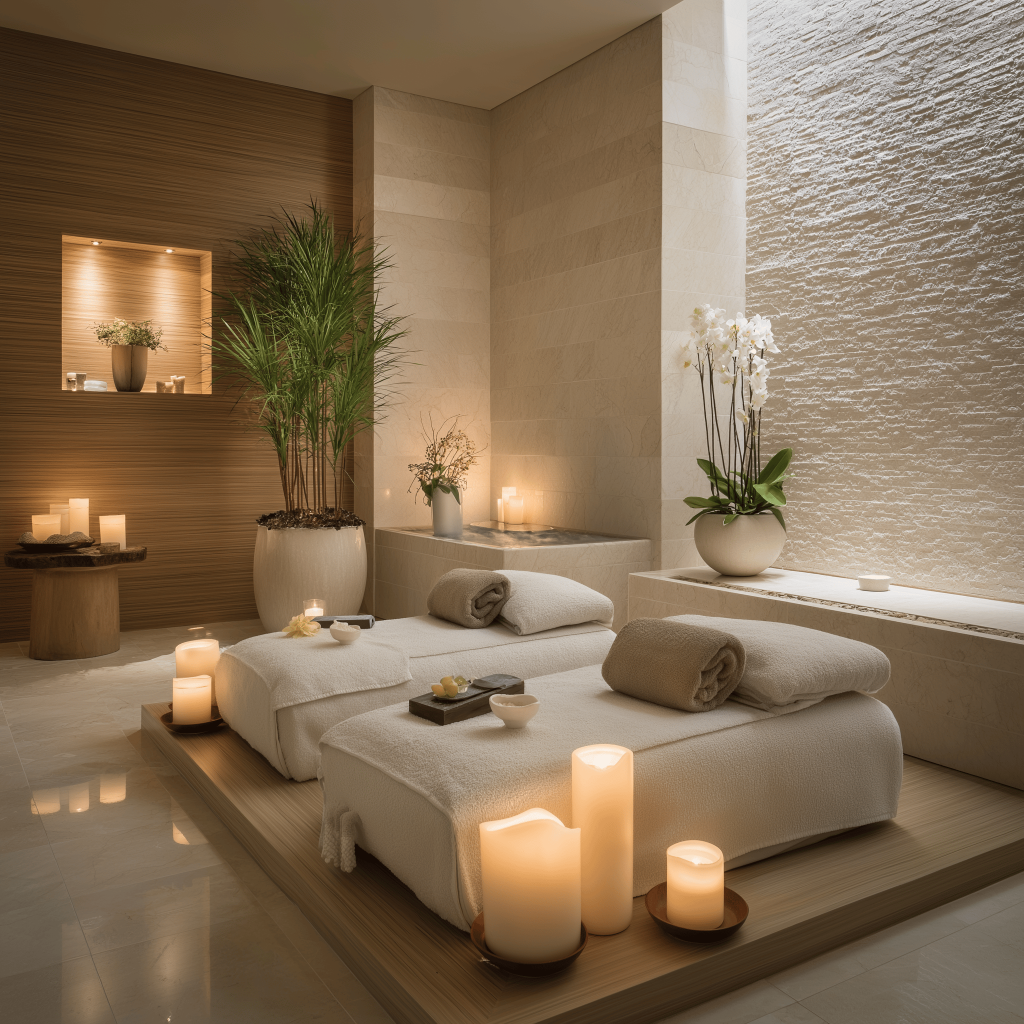
Sustainable interior design materials and finishes creating calming spa interiors
The cost of interior design raw materials varies a whole lot, based on quality, finish, and brand. Plywood costs more than MDF or particle board but offers better strength and moisture resistance. Laminates are easy on the pocket, while veneers and PU-painted finishes sit in the mid to premium range. New innovative materials for interior design, like quartz countertops, cost more than granite but require less maintenance.
Flooring prices run the gamut of ceramic tiles at the lower end, to premium marble and engineered wood at the higher end. A good approach is to spend more on core materials and high-use areas like kitchens and wardrobes, while keeping finishes simpler in secondary spaces.
7. Final Thoughts on Choosing Interior Design Materials
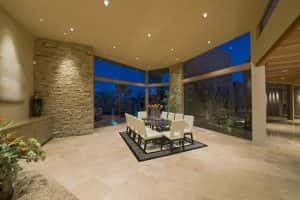
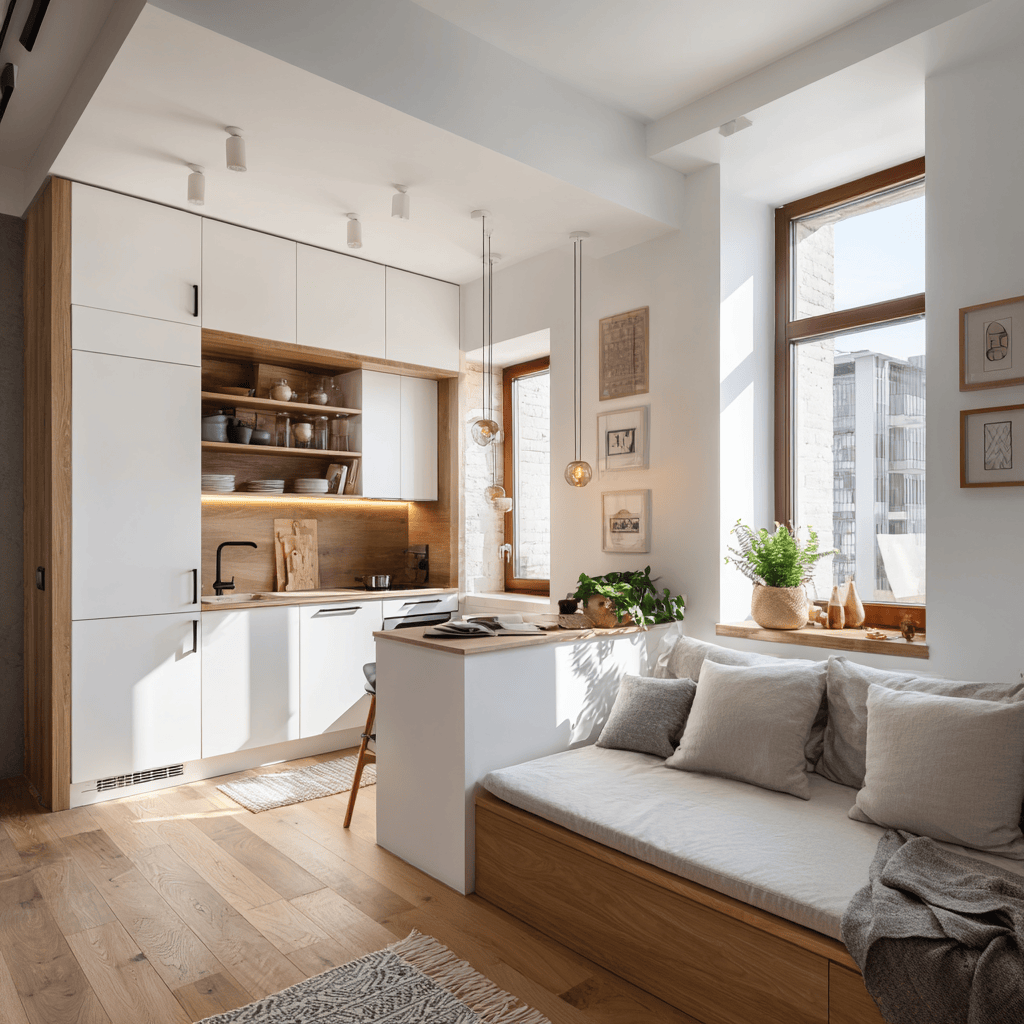
Materials and finishes for interior design in sustainable small apartment
The importance of material in interior design cannot be emphasised enough. Interior design materials shape how your home performs every day. The right choices reduce repairs, simplify maintenance, and support daily routines without effort.
When the materials and finishes for interior design are selected thoughtfully, they last longer and age better. They become part of the home rather than something that needs constant fixing. Taking time to understand the list of materials used in interior design is one of the smartest decisions you can make during an interior design project.
FAQs
1. How to choose materials for interior design?
Evaluate how each space is used, and the look you want. Next, think of maintenance expectations, climate and budget. Practical needs should guide design decisions.
2. What is the difference between MDF, plywood, and particle board?
Plywood is strong and moisture-resistant. MDF has a smooth surface and suits painted finishes. Particle boards are economical but less durable.
3. Which material is best for modular kitchen cabinets?
BWP or marine-grade plywood with laminate or acrylic finishes works well for kitchen cabinets.
4. What are the most durable materials for wardrobe design?
Wardrobes built of ply with finishes of matte laminates or veneers are both sturdy and durable.
5. How to select interior design materials based on budget and design style?
Never skimp on core boards and high-use areas. Match the finishes to your dream style, while also keeping easy maintenance in mind.
6. Which interior materials are eco-friendly and sustainable?
Sustainable options include low-VOC boards, recycled wood products, bamboo, and responsibly sourced veneers.
7. What are the best interior design materials for humid locations?
Moisture-resistant plywood, laminates, quartz countertops, and vitrified tiles perform well in humid conditions.















 EXPLORE MORE