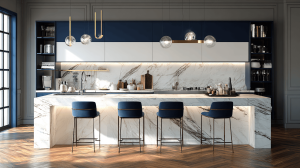
Monochromatic Interior Designs: A Complete Guide to Timeless Style
By Usha Balasubramanyan- March 14, 2026
Some interiors feel instantly ‘chill’, even without trying too hard. There is no visual noise, no clash of colours, and no sense of excess. Instead, everything flows gently, allowing the space to breathe. More often than not, this quiet confidence comes from a monochromatic interior design approach.
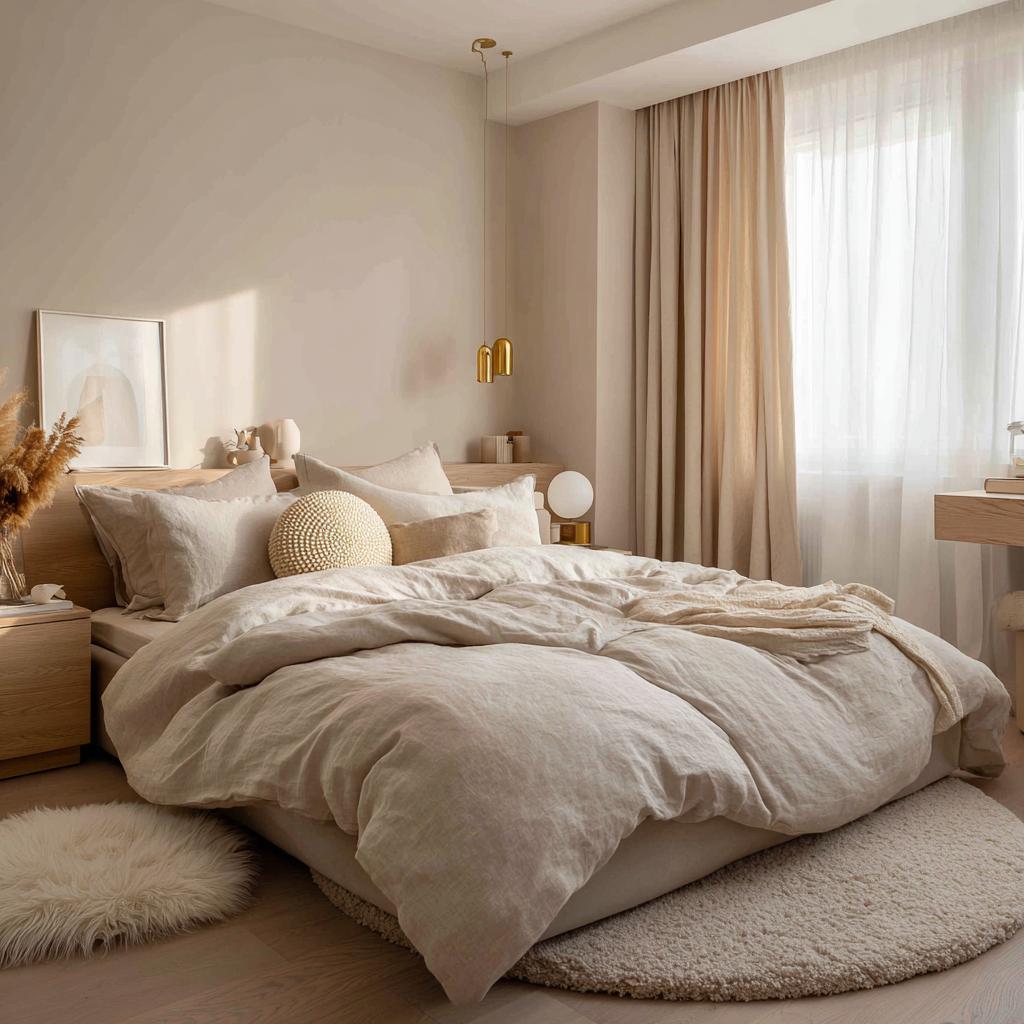
Monochromatic interior design bedroom styled with soft neutrals and calm elegance
Monochromatic interiors are not about playing safe or avoiding pops of personality. They are more about restraint, and about learning how to make a single colour work beautifully across an entire space. When done right, monochrome interiors feel layered, elegant, and deeply liveable.
If you are drawn to simplicity but worry it might feel flat or cold, this guide will show you how monochromatic interior design can feel anything but boring.
What Is Monochromatic Interior Design?
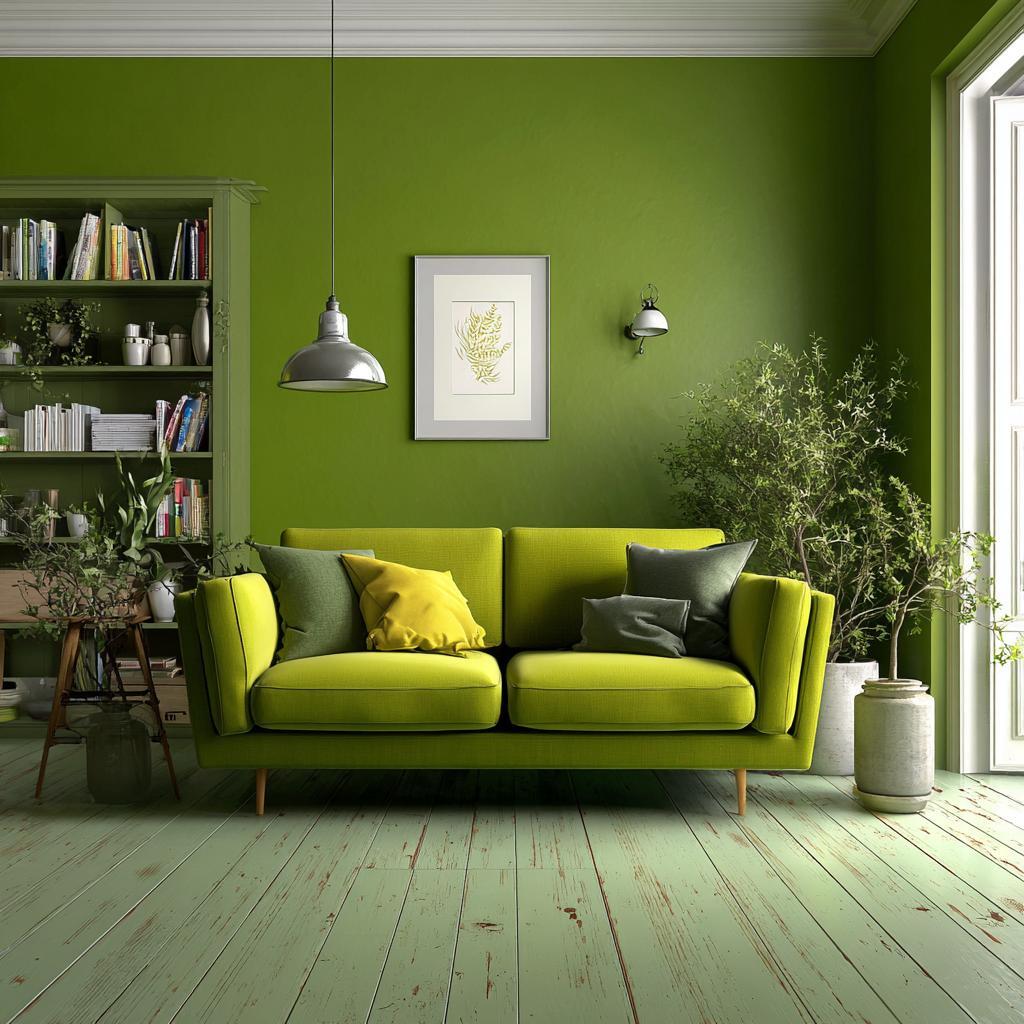
Monochromatic color scheme interior design living room in green tones
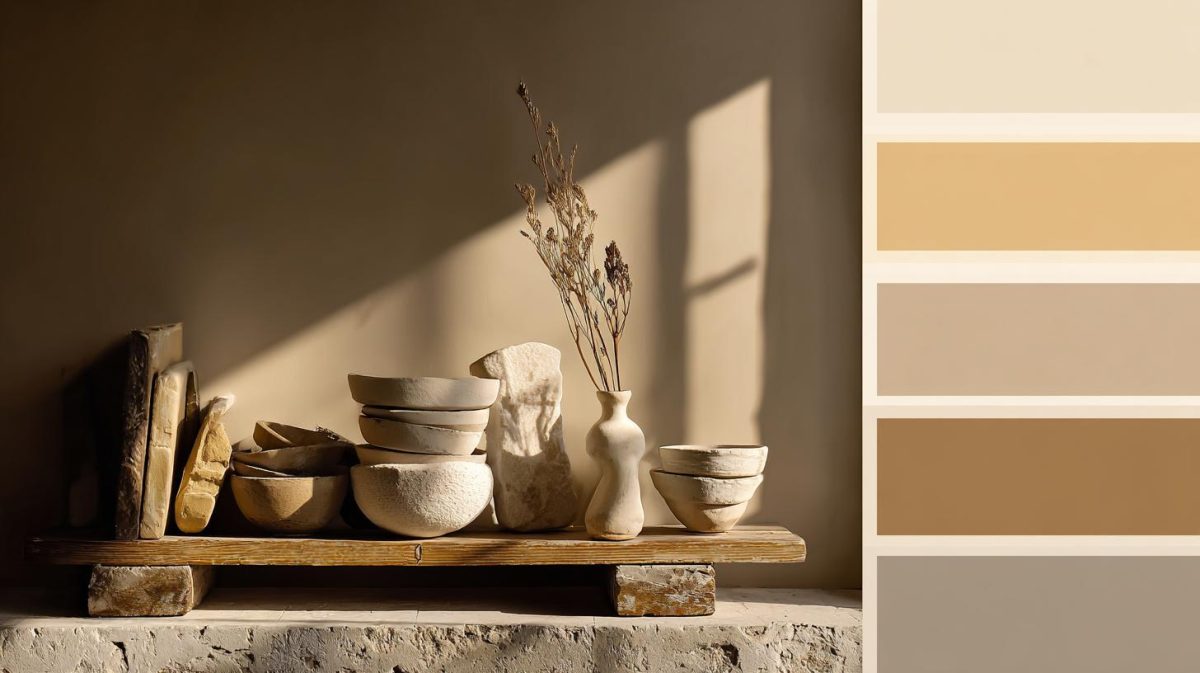
Monochromatic interior design uses one main colour, explored through different shades, tones, and textures. That could mean soft ivory walls, warm beige furniture, and deeper caramel accents, all within the same colour family.
This approach is not about using only one flat colour everywhere. It is about variation within restraint. Light and dark versions of the same hue create depth, while materials and finishes add interest.
The result is a space that feels cohesive, uncluttered, and visually soothing.
The Design Principles Behind Monochrome
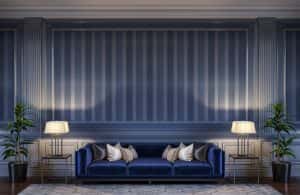
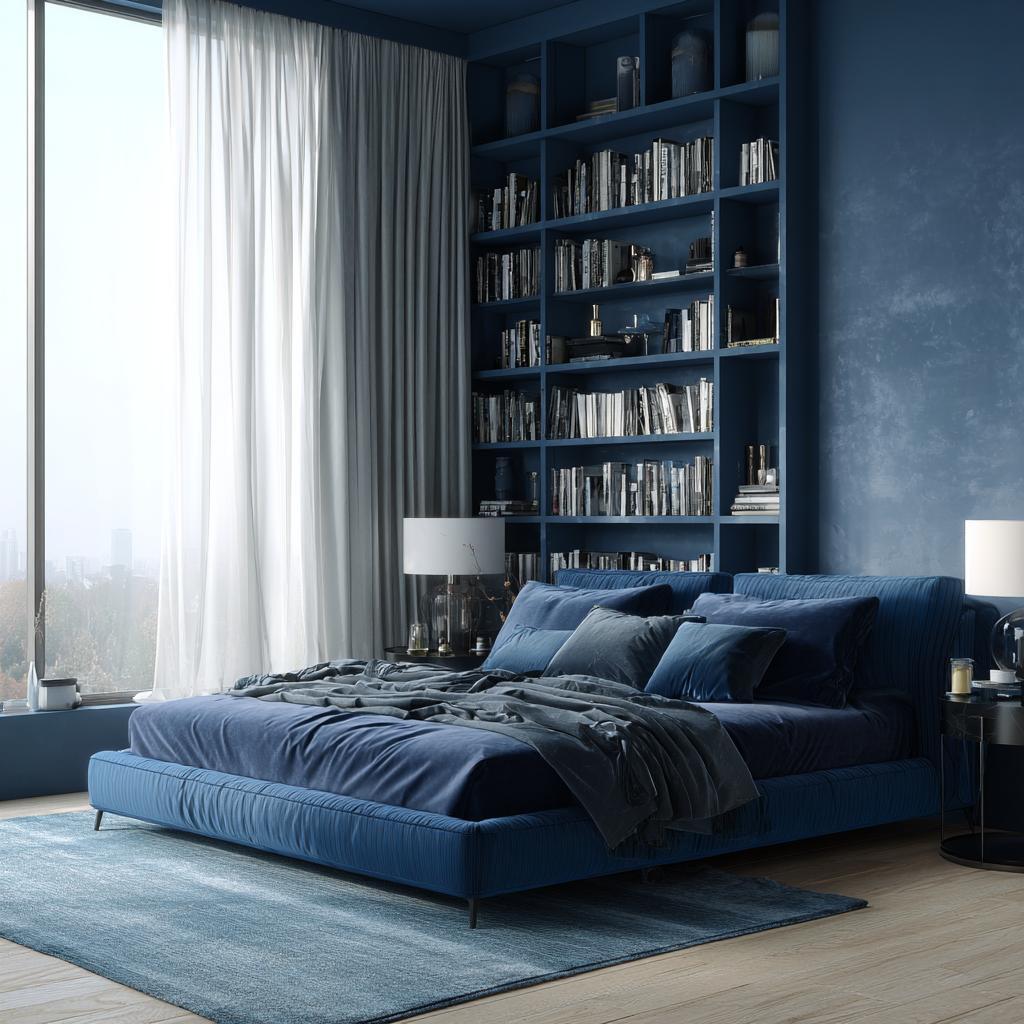
Interior design monochromatic bedroom featuring serene blue tones and layered textures
A monochromatic colour scheme in interior design relies on a few core principles that work quietly in the background.
Layering of tones is essential. A room painted entirely in one flat shade will feel dull. But when light, medium, and dark versions of the same colour are used together, the space gains depth and rhythm.
Texture plays a leading role. In a monochrome space, texture replaces colour contrast. Fabrics, finishes, and surfaces do the visual heavy lifting. Linen curtains, plush rugs, matte walls, polished stone, and natural wood all contribute to richness without adding colour clutter.
Lighting is critical. Natural light highlights subtle tonal shifts throughout the day, while warm artificial lighting softens the palette in the evening. Without good lighting, interior design that’s monochromatic can lose its impact.
Balance keeps the space comfortable. Monochrome does not mean matching everything perfectly. A well-designed space still allows for visual pauses, softer transitions, and breathing room.
How to Create a Monochromatic Interior Design: Step by Step
In the world of interior design, monochromatic schemes are truly a class apart. Working on this elegant style becomes much easier when broken down into clear steps.
Step 1: Choose a Colour You Can Live With
First, start with a colour that feels comfortable for everyday living (something you love, as you’ll be seeing a LOT of it!). Neutrals: think beige, grey, white, taupe, and soft browns. These are popular because they adapt easily to create different vibes. Muted greens, dusty blues, and warm blush tones also work well if you want subtle colour.
Ask yourself how the space will be used. Bedrooms benefit from calmer hues, while living spaces can handle slightly richer tones.
Step 2: Build a Tonal Range
Once the base colour is chosen, create a palette of at least three to five variations in tone only. This might include a pale version for the walls and ceilings, medium shades for furniture, and more saturated shades for accents.
This tonal layering is what gives monochromatic interiors their sense of depth and movement.
Step 3: Introduce Texture Generously
Texture alleviates the monotony. Try to mix and match soft and structured materials. Pair smooth finishes with tactile ones. Upholstery, rugs, wood grain, stone surfaces, and subtle metallics all help add character.
Even within the same colour, different textures reflect light differently, keeping the space visually engaging.
Step 4: Layer the Lighting
Monochromatic interiors benefit greatly from layered lighting. Overhead lights provide general illumination, while table lamps, floor lamps, and wall lights add warmth and depth.
Lighting highlights textures and creates gentle shadows that add dimension to a single-colour scheme.
Pros and Cons of Monochromatic Interior Design
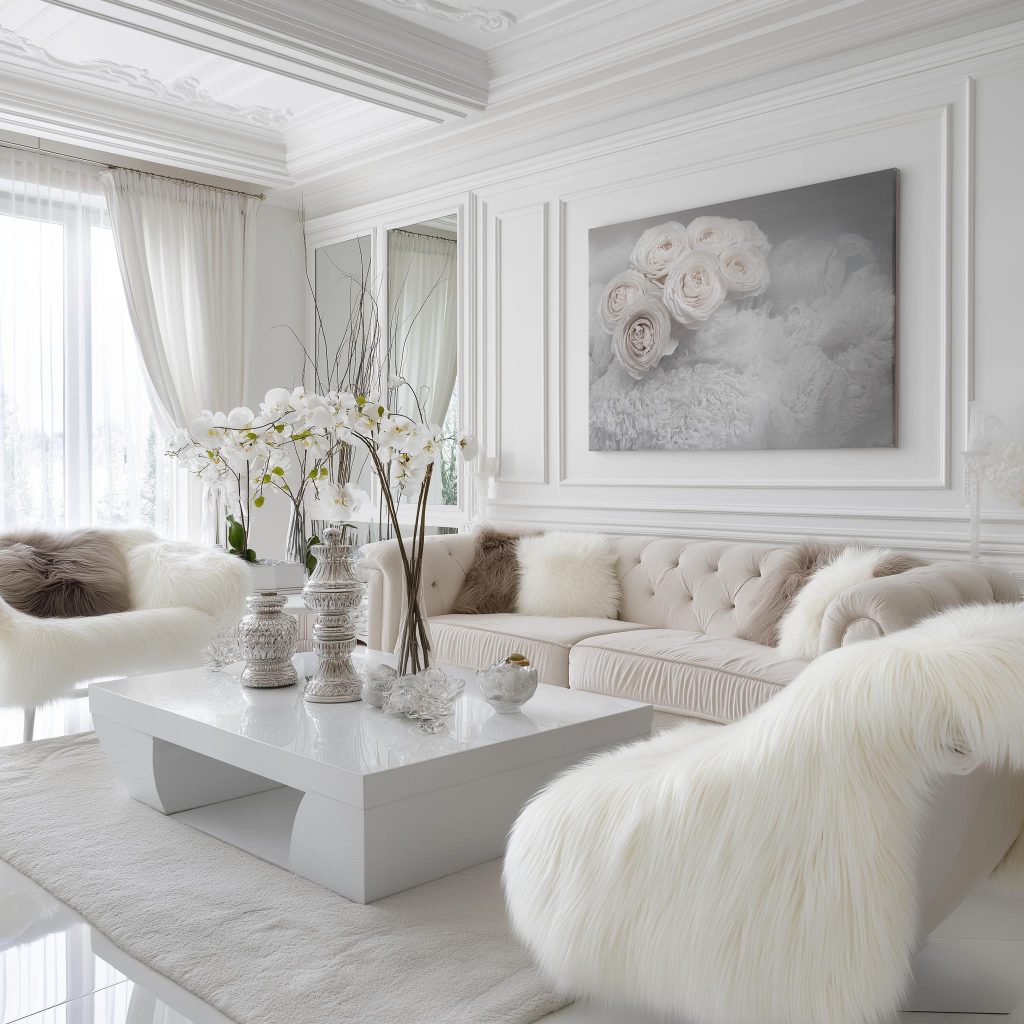
Monochromatic interior design living room with elegant white layered textures
Like any design approach, monochromatic room designs come with strengths and limitations.
One of the biggest advantages is visual calm. These spaces feel organised and restful, making them ideal for bedrooms, living rooms, and homes with open layouts. They also photograph beautifully and tend to age well, as they are less tied to short-lived colour trends.
Monochromatic design can also make small spaces feel larger. Using one colour family reduces visual breaks, allowing the eye to move smoothly across your entire space.
There’s a downside though, which is that monochromatic interiors require careful planning. Without enough texture or tonal variation, they can feel flat. They also rely heavily on good lighting, as poor lighting can dull subtle colour differences.
Where Monochromatic Interior Design Works Best
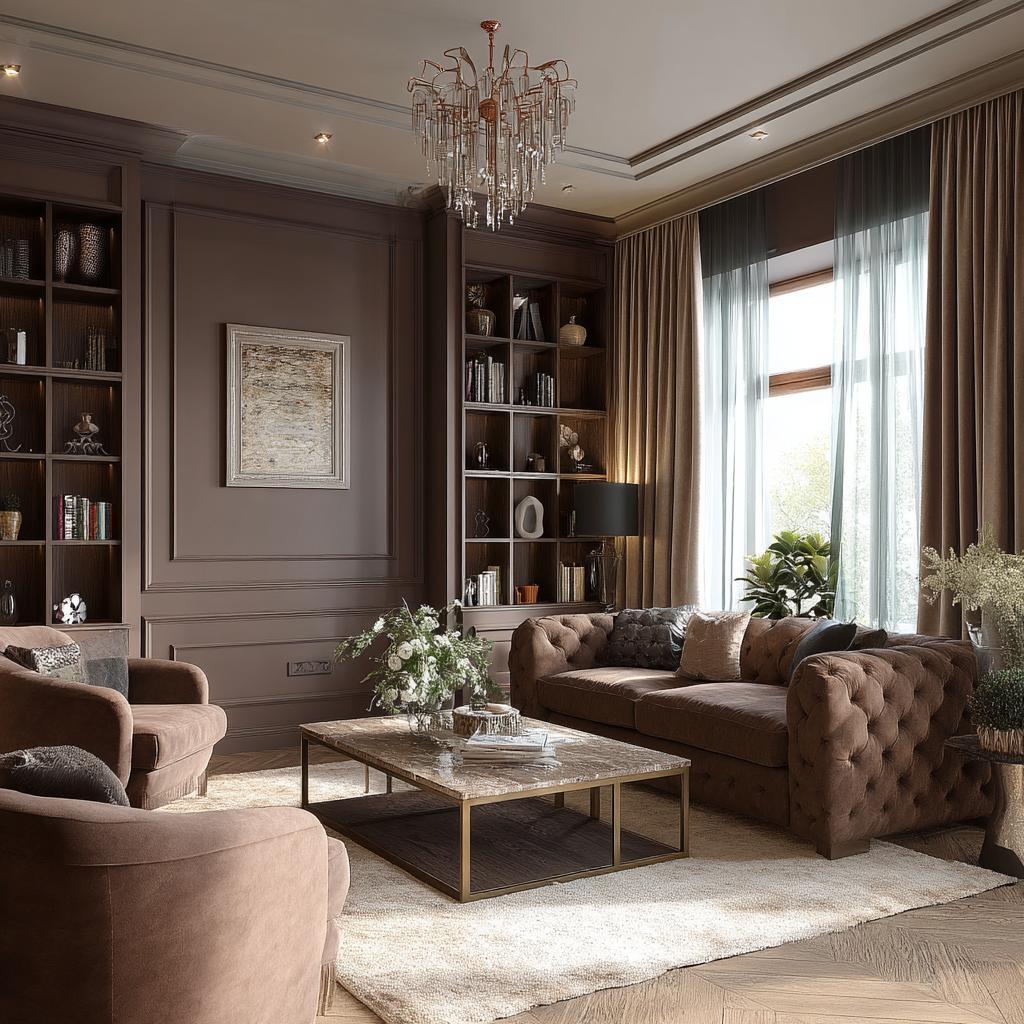
Interior design monochromatic living room styled in warm brown tones
Living rooms benefit from monochrome schemes because they create a welcoming; yet polished feel. Soft neutrals (dove grey, light beige, cream) work especially nicely here.
Bedrooms are another natural fit. Using variations of one calming colour helps promote rest and relaxation, making the space feel cocoon-like rather than busy.
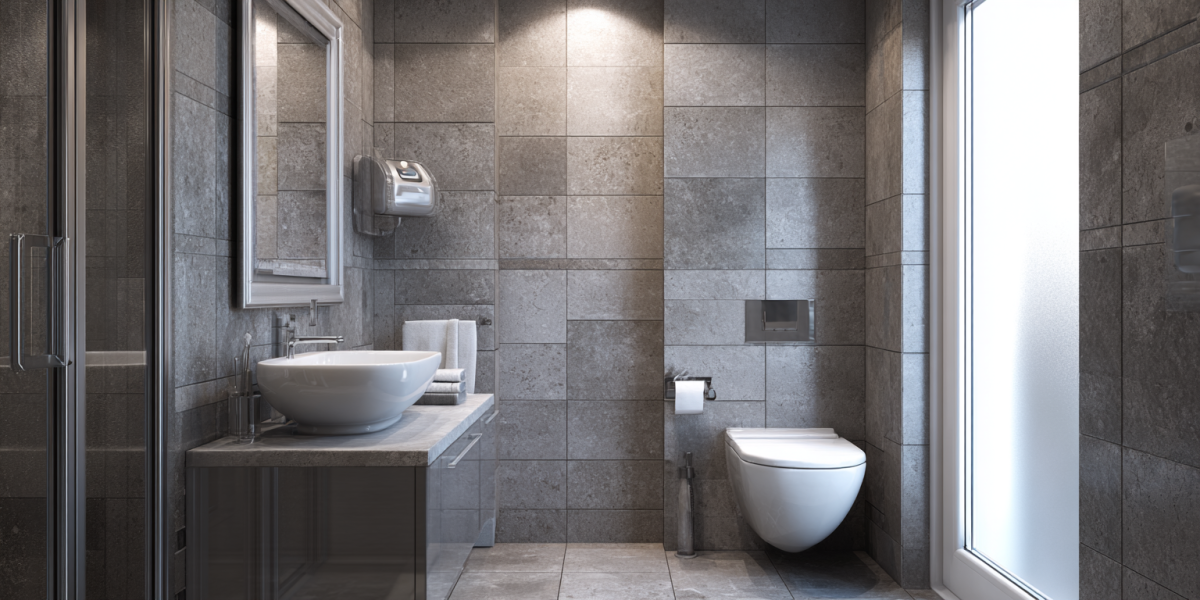
Kitchens and bathrooms also do well with monochrome, especially in contemporary homes. Colour-matching the cabinetry, walls, and finishes creates a clean and understated look that feels easy to maintain.
At HomeLane, monochromatic interiors are often designed with subtle contrasts in finishes and materials, ensuring the space feels warm and liveable, not showroom-still.
Last Thoughts
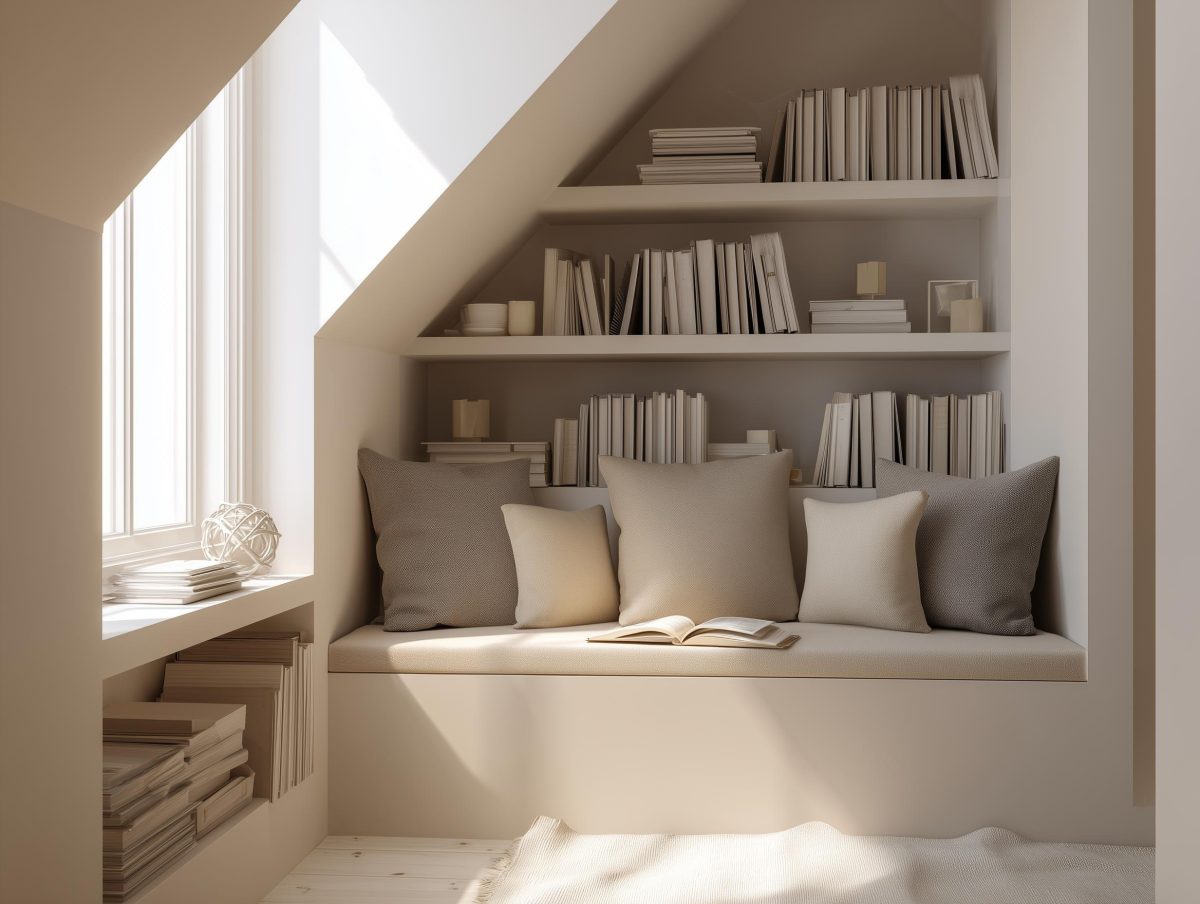
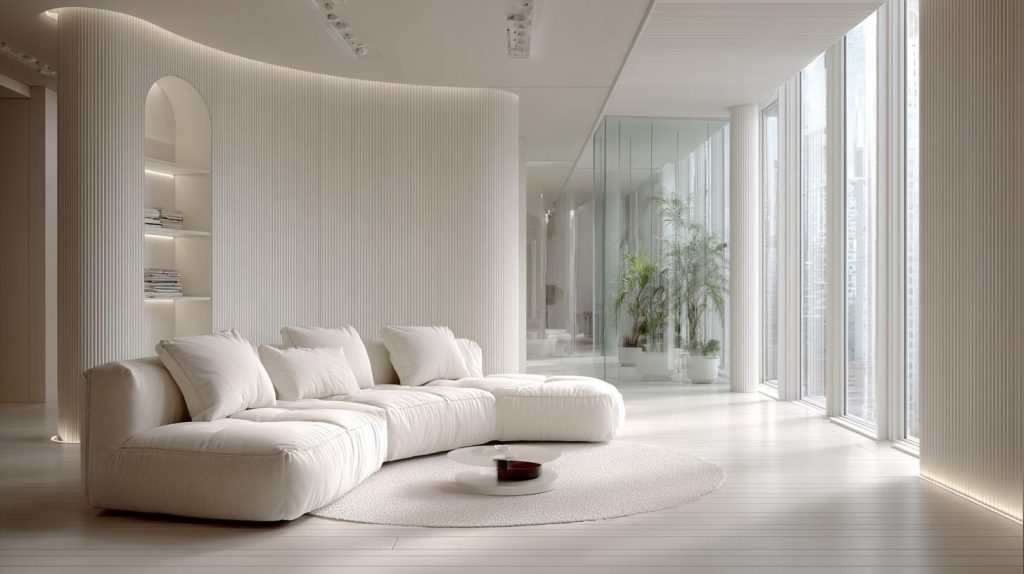
Monochromatic interior design with soft whites creating serene, minimalist living space
Let’s set the record straight. Monochromatic interior design is not about playing it safe. Rather, you’ll be making thoughtful choices and trusting subtlety. When layered with care, a single colour can tell a rich narrative through tone, texture, and light.
If you value calm, clarity, and timeless style, monochrome might just be the design language your home interior has been waiting for! And if you’re ready to begin, HomeLane is happy to step in.
Frequently Asked Questions
1. Is monochromatic design the same as minimalist design?
No. While both favour simplicity, monochromatic interior design focuses on colour harmony, whereas minimalist design is more about reducing furniture and decor.
2. What are the best colours for a monochromatic interior?
Neutrals like beige, grey, white, and soft brown are popular, but muted greens and blues also work well.
3. How do you prevent a monochromatic room design from looking boring?
Use different shades, textures, and materials to dial up the visual interest. You can also layer lighting to add depth and extra dimension.
4. Can I add accents in other colours?
Yes, small accents like plants, artwork, or metallics can add contrast without breaking the monochromatic feel.
5. Is a monochrome scheme in interior design suitable for small rooms?
Absolutely, monochromatic home interiors are very well suited to compact homes. Using one colour family helps small rooms feel more open and visually connected.




























 EXPLORE MORE