Psychology of Interior Designs: How Spaces Improve Mood & Wellbeing
By Bivin Peter- April 25, 2026
AI Summary
3 key insights · 1 expert tip
Interior design impacts mood and wellbeing by strategically using colour, light, and layout to create nurturing, stress-reducing home environments.
Key Insights:
What You'll Read Here:
Natural light, tactile materials, and effective organisation reduce stress and enhance focus in living spaces.
Biophilic design, incorporating plants and natural elements, lowers blood pressure and promotes a sense of calm.
Room layouts can promote social connection or provide a sense of safety and privacy based on design choices.
HOMELANE EXPERT TIPBy our design team
Before designing, sit in each room for ten minutes to identify subtle stressors like flickering lights or visual clutter impacting your daily wellbeing.
Summary:
Understanding the psychology of interior design is essential for creating homes that go beyond mere aesthetics to support mental and emotional health. Modern Indian living often involves high-stress environments and compact spaces, making the psychological effects of interior design a critical consideration for homeowners. By strategically applying colour psychology in interior design, optimising natural light, and improving spatial flow, an environment can be transformed into a sanctuary that reduces cortisol levels and enhances focus. This guide explores the deep connection between interior design and psychology, offering practical insights into how specific textures, layouts, and lighting choices influence human behaviour. From the psychology of space in interior design to the psychological effects of color in interior design, discover how to curate a home that truly nurtures the soul.
Best For:
Homeowners and design enthusiasts seeking to create a balanced, stress-reducing living environment through scientifically-backed interior principles.
Expert Tip:
HomeLane designers recommend using a “sensory audit” by sitting in each room for ten minutes in silence; this helps identify “hidden” stressors like flickering lights, uncomfortable drafts, or distracting visual clutter that might be impacting daily wellbeing.
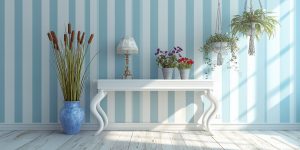
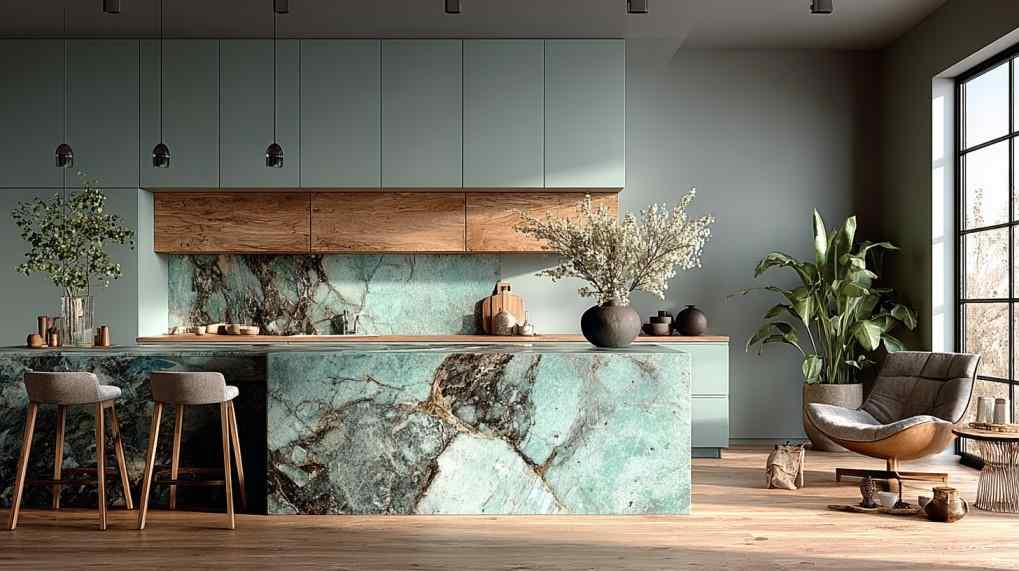
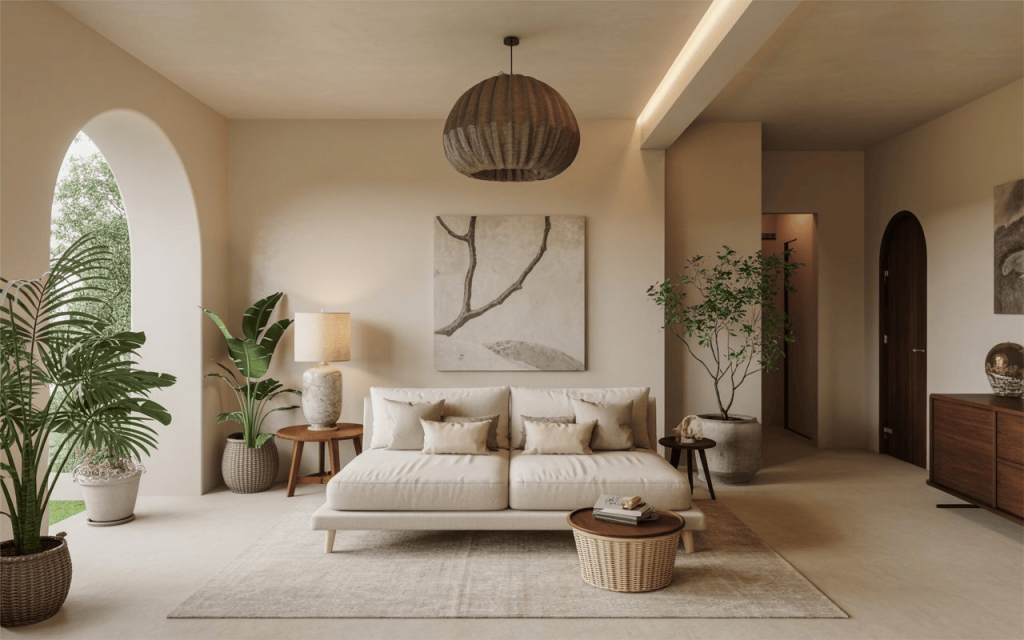
Psychology of interior design using neutral colors for a calm and balanced living space
Why Interior Design Matters
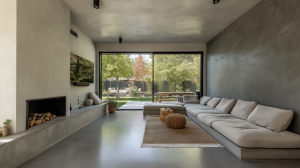
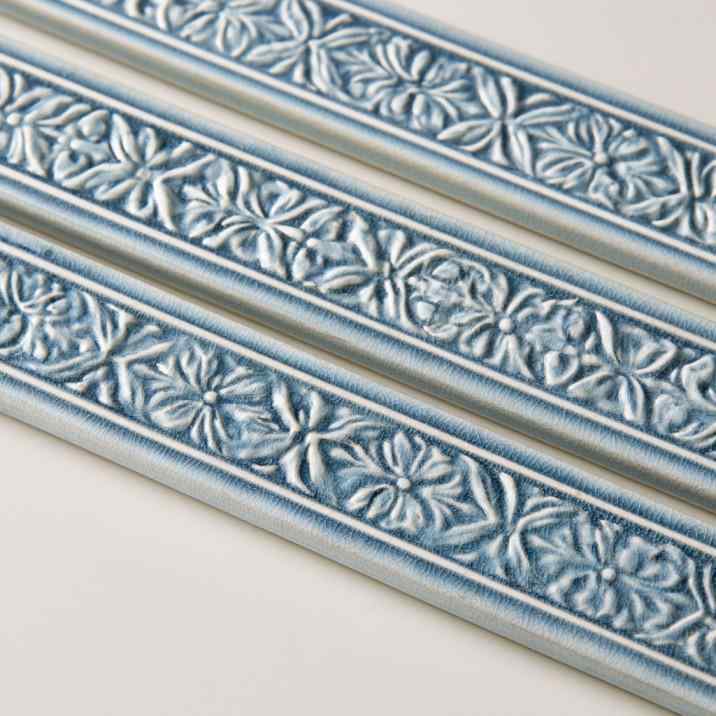
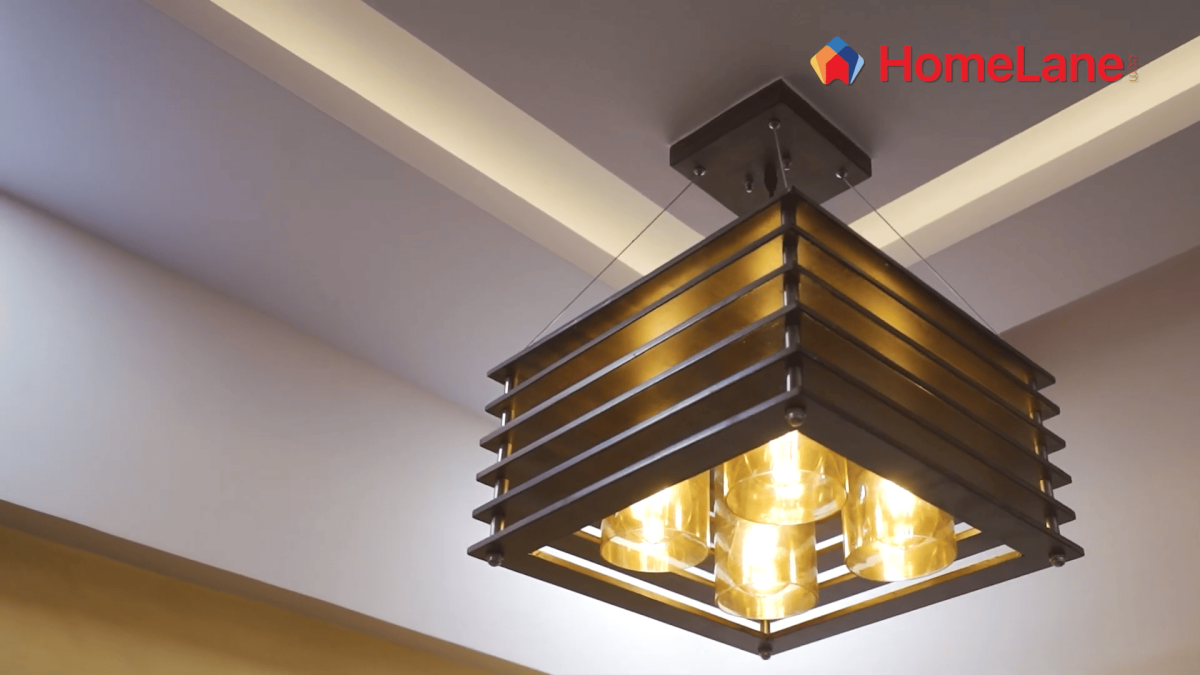
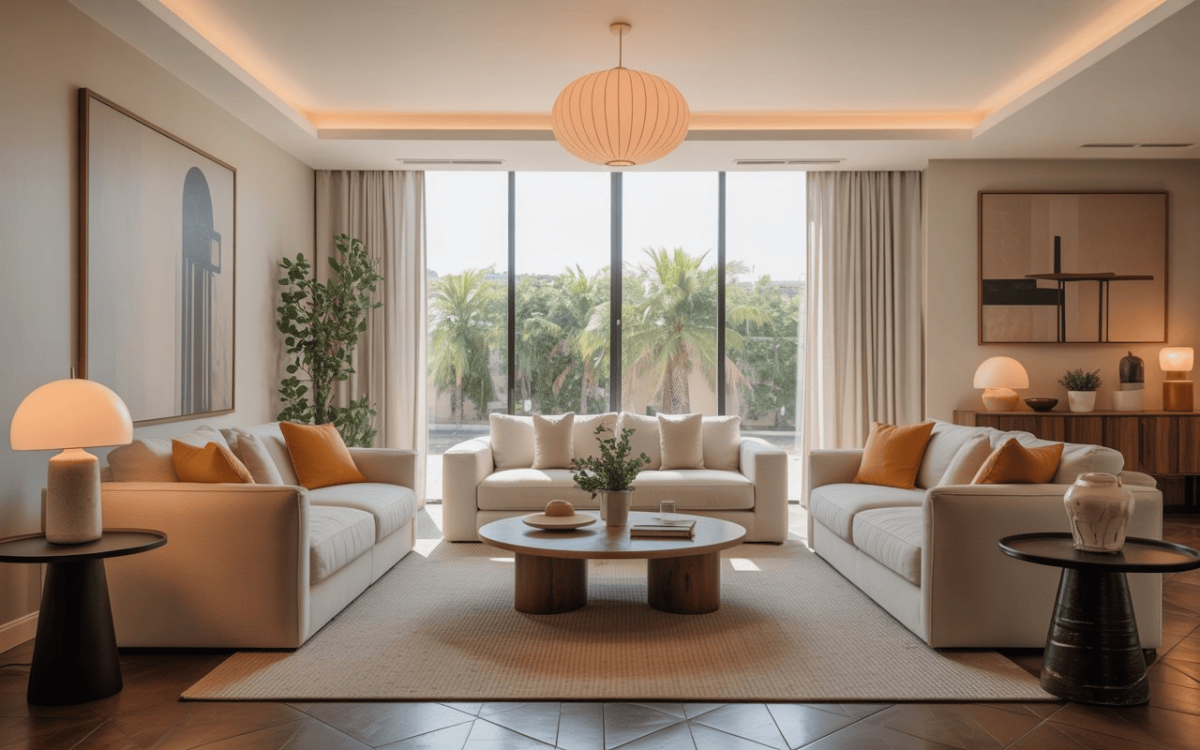
Psychology of interior design showing impact of lighting on mood and space perception
Why does stepping into a cluttered room feel like an instant weight on the shoulders, while a bright, airy balcony brings an immediate sense of peace? The answer lies in the psychology of interior design, a field that studies how the built environment dictates emotional responses and cognitive performance. For many Indian families living in bustling urban centres, the home is more than just a shelter; it is a retreat from the chaos of the outside world.
Environmental psychology suggests that every element in a room, from the height of the ceiling to the softness of a rug, communicates with the subconscious mind. By understanding the psychological effects of interior design, a house can be transitioned from a mere collection of furniture into a tool for better mental health and emotional stability.
Understanding the Psychology of Interior Design
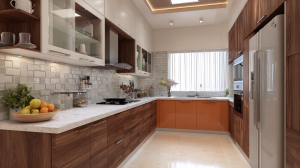
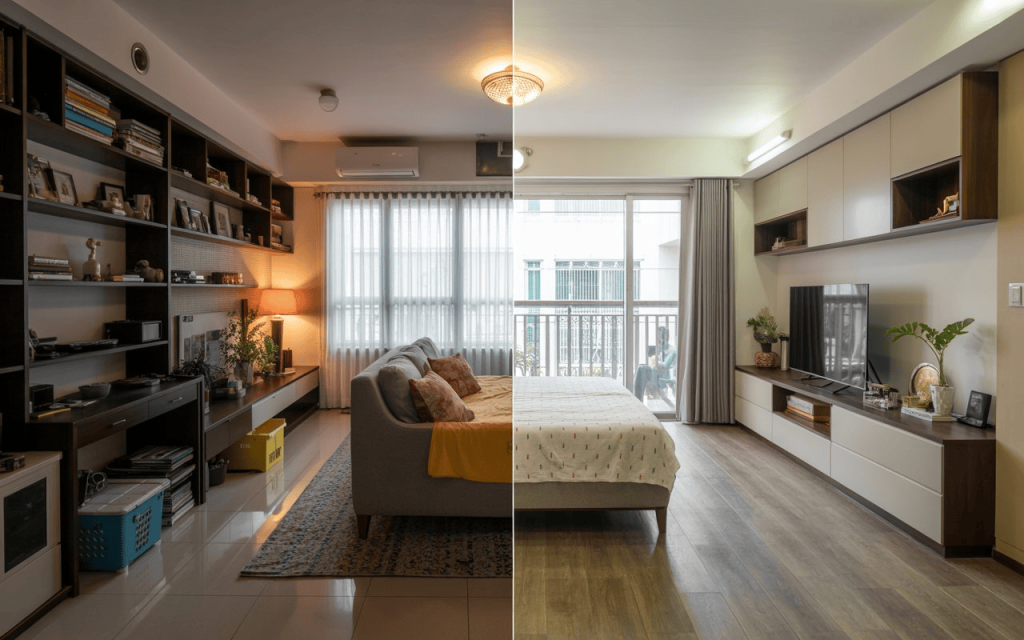
Psychology of space in interior design for a balanced and functional modern home layout
At its core, the psychology of interior design is the intersection of architecture, human behaviour, and emotional response. It is not merely about choosing the right curtains; it is about understanding how those curtains affect the way a person feels. Professional designers use these principles to create spaces that feel “right” without the occupant necessarily knowing why.
There is a distinct difference between purely aesthetic design and psychologically-informed design. While aesthetics focus on what is trendy or visually pleasing, a psychological approach asks: “Does this layout promote conversation? Does this texture provide comfort? Does this lighting support a healthy sleep cycle?” Ignoring interior design and psychology often leads to beautiful rooms that feel cold, uninviting, or inadvertently stressful.
Wellbeing Interior Design: Designing for Mental and Emotional Health
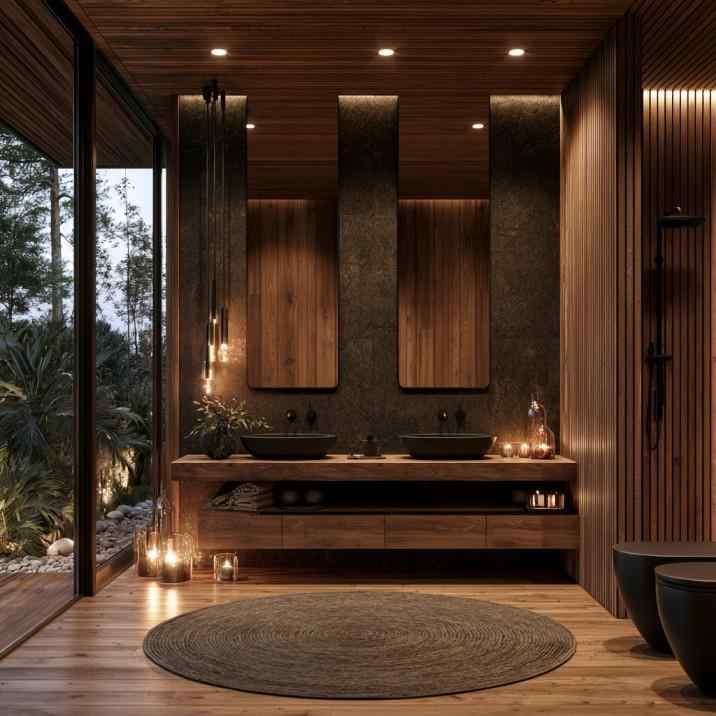
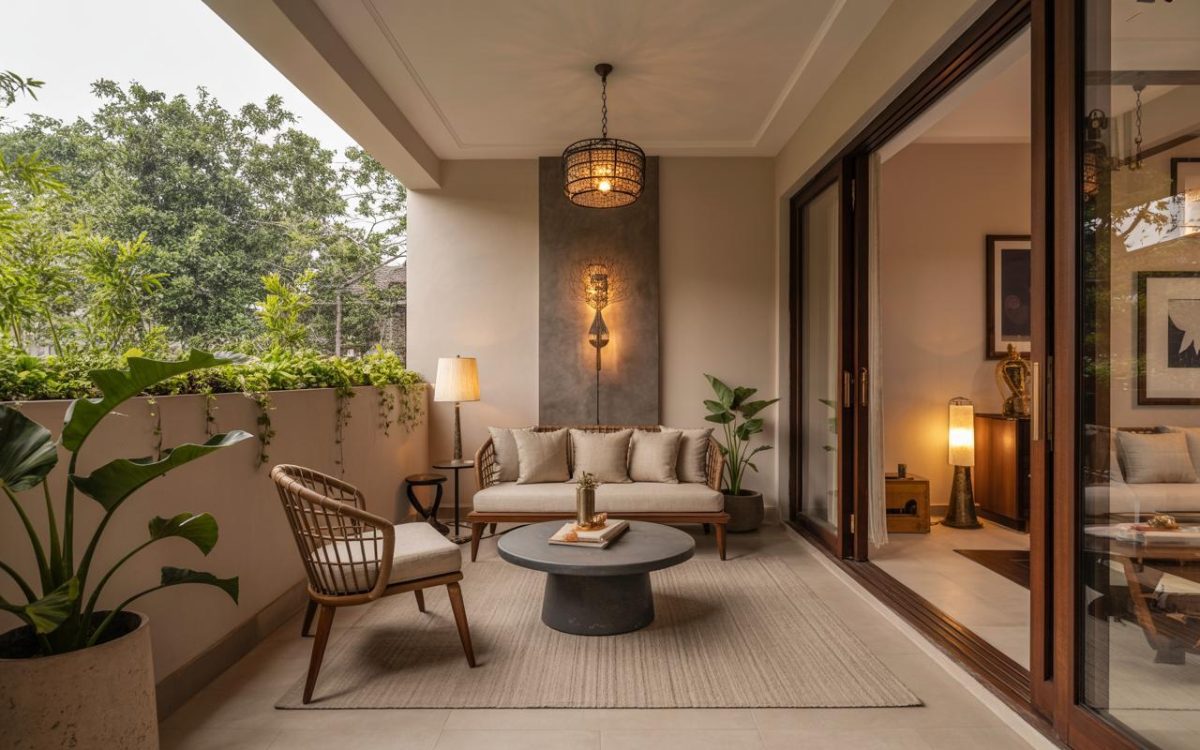
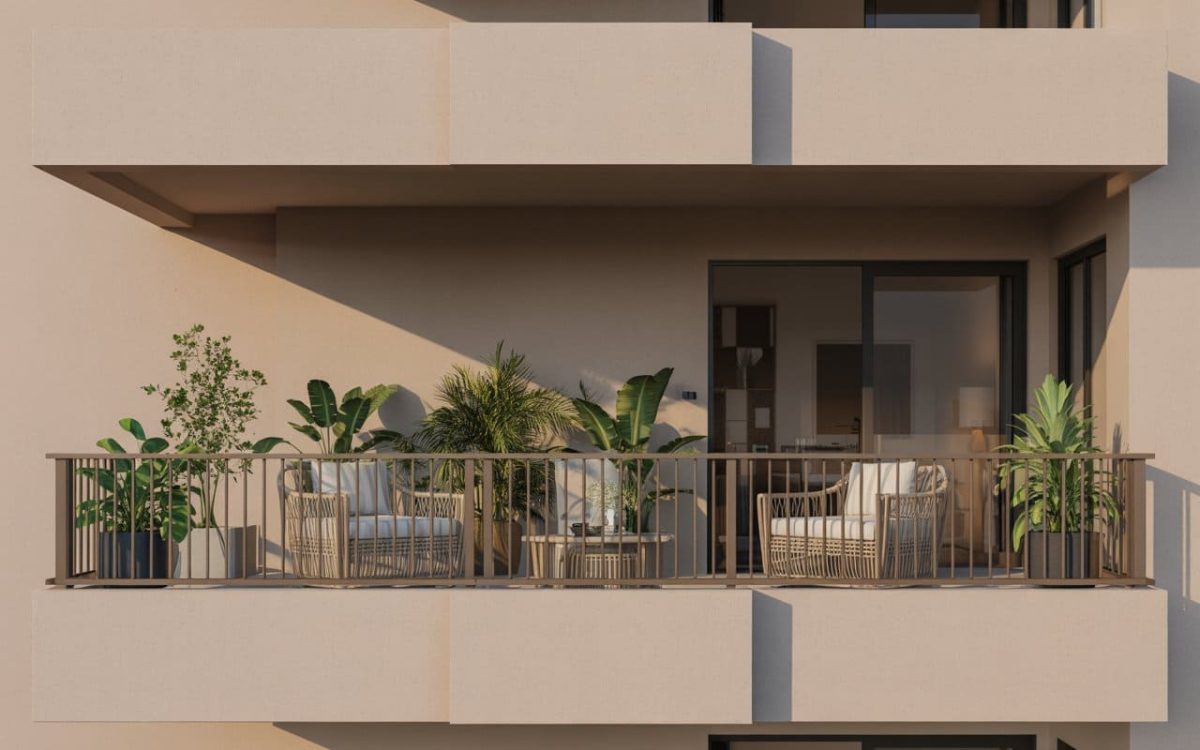
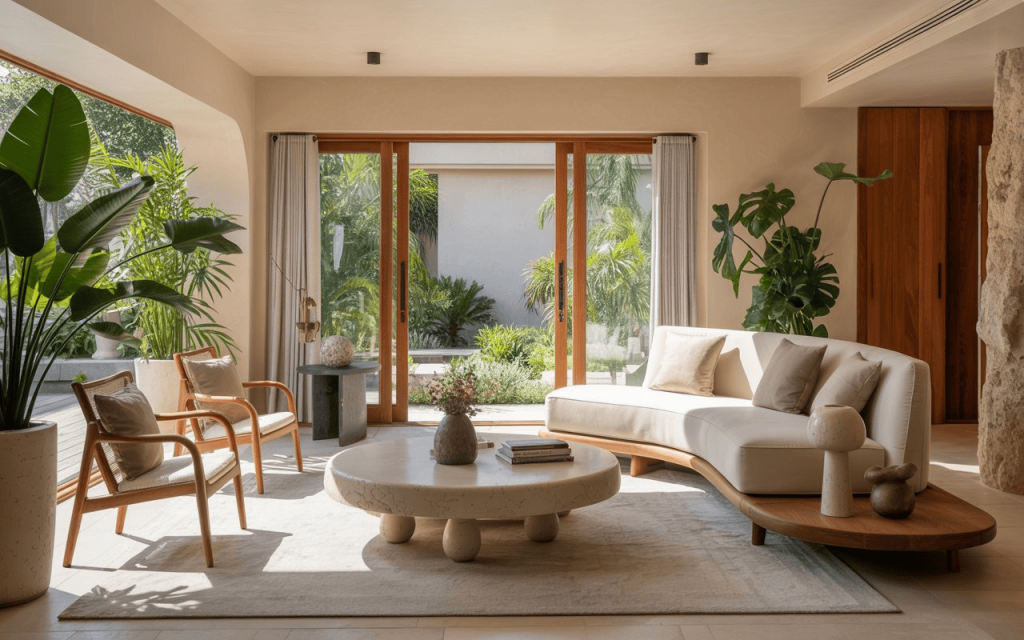
Interior design and psychology using light and nature for a calm, refreshing living space
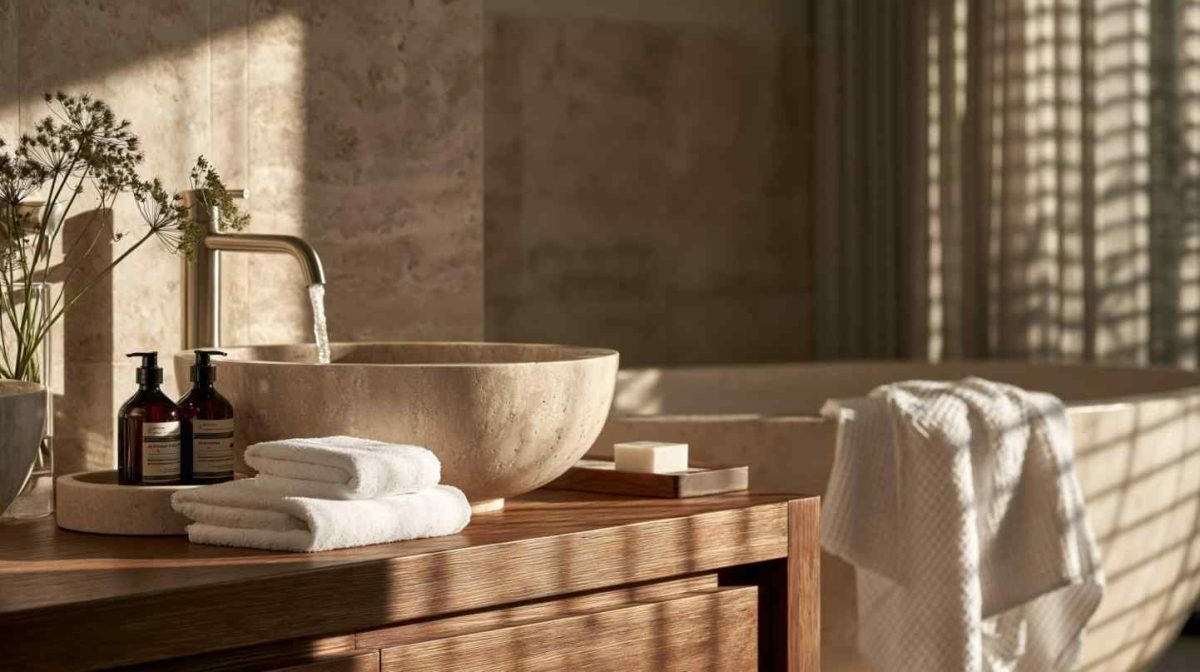
Wellbeing-focused design prioritises the physical and emotional health of the occupants. In the context of the psychology of interior design, this involves creating an environment that actively reduces stress. One of the most effective ways to achieve this is through biophilic design. Incorporating indoor plants, natural timber, and stone materials bridges the gap between the indoors and the natural world, which has been proven to lower blood pressure.
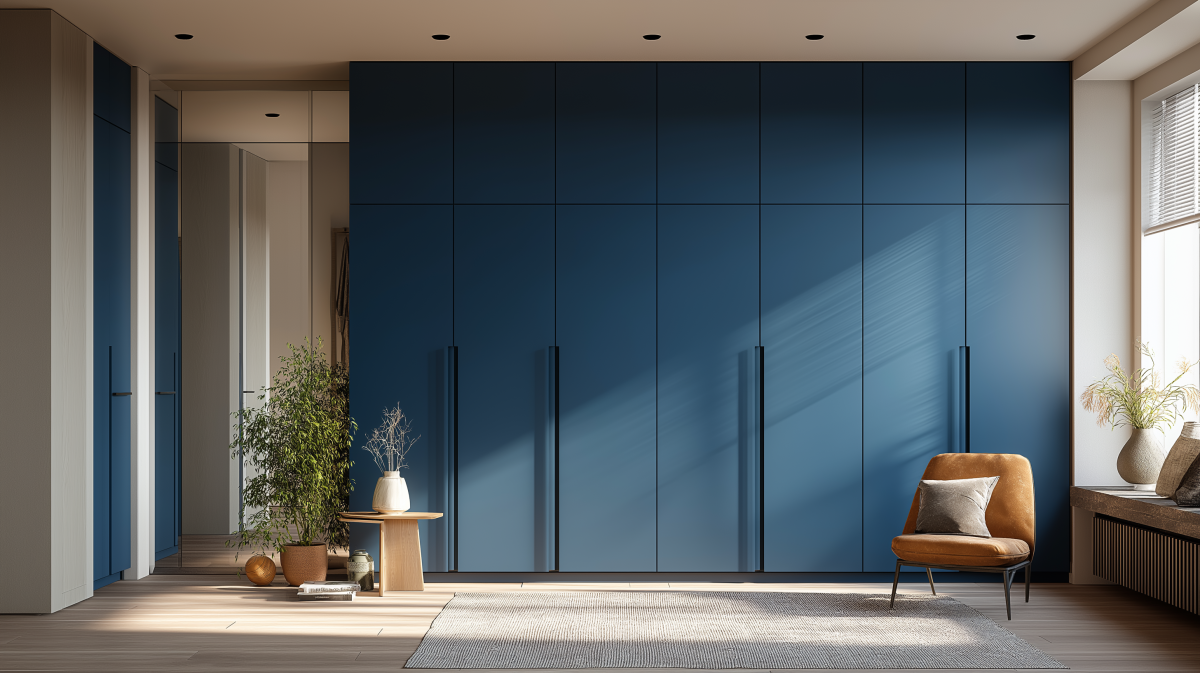
Ergonomics also play a vital role. Furniture that supports the natural posture of the body reduces physical strain, which in turn prevents irritability. When a space is organised and clutter is managed through intelligent storage solutions, the brain is freed from “visual noise,” allowing for better focus and relaxation.
How Interior Design Affects Mood
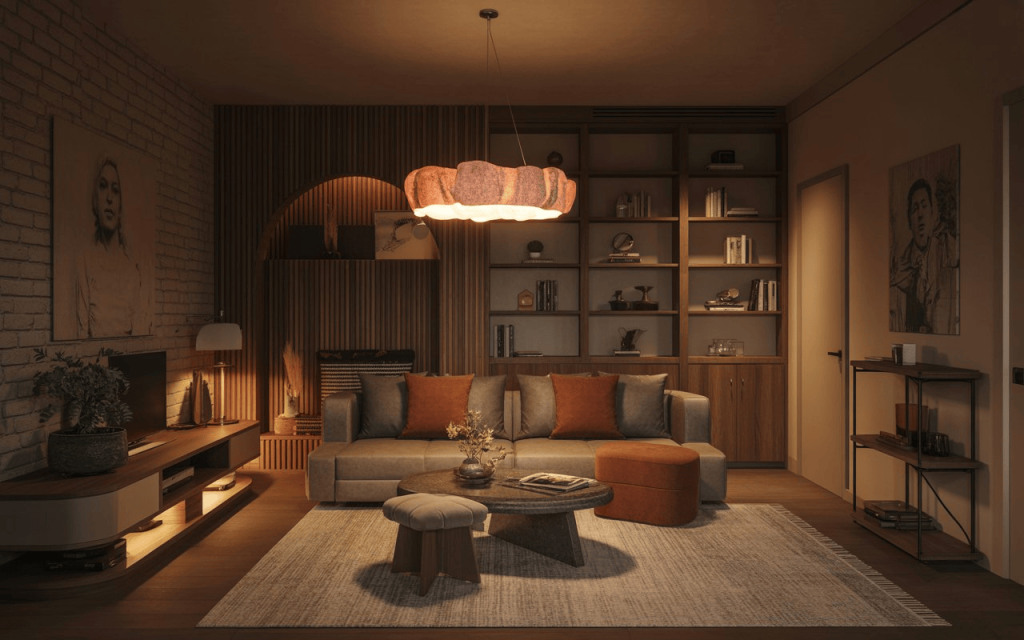
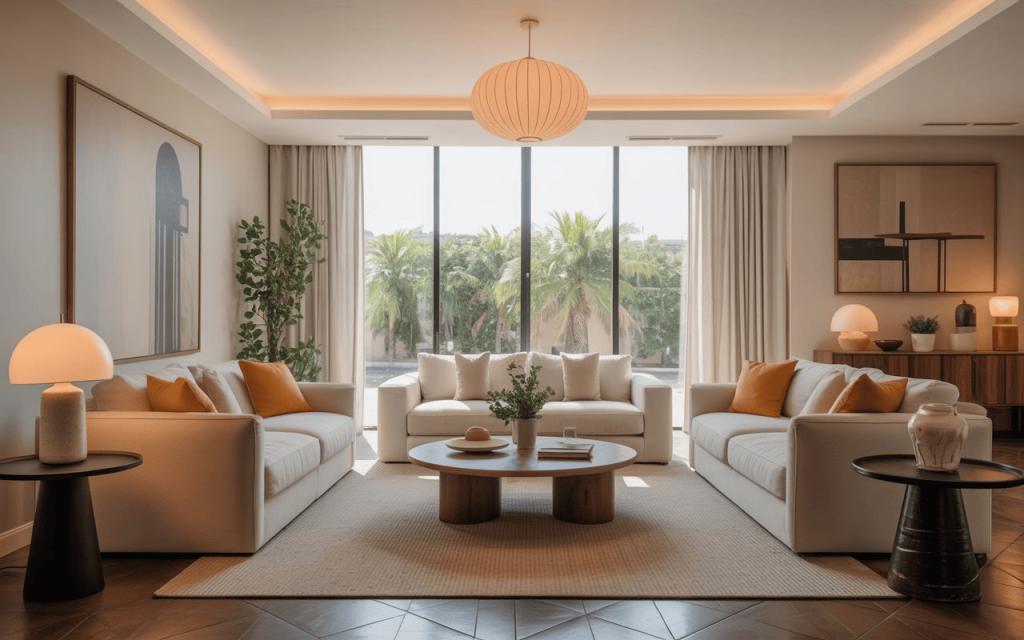
Psychology of interior design using warm tones for a cozy and inviting living space
Every design choice carries an emotional weight. The psychological effects of interior design are most visible in how people react to different atmospheres.
Layout and Flow: Open layouts can promote a sense of freedom and social connection, whereas more enclosed, “nook” style spaces provide safety and privacy.
Materials: Smooth, hard surfaces like glass and steel can feel modern but sterile. Conversely, tactile materials like wool, velvet, and wood offer warmth and a sense of grounding.
Acoustics: A room that echoes can increase anxiety. Soft furnishings and rugs act as sound absorbers, creating a quieter, more reflective environment.
How the Human Brain Responds to Space
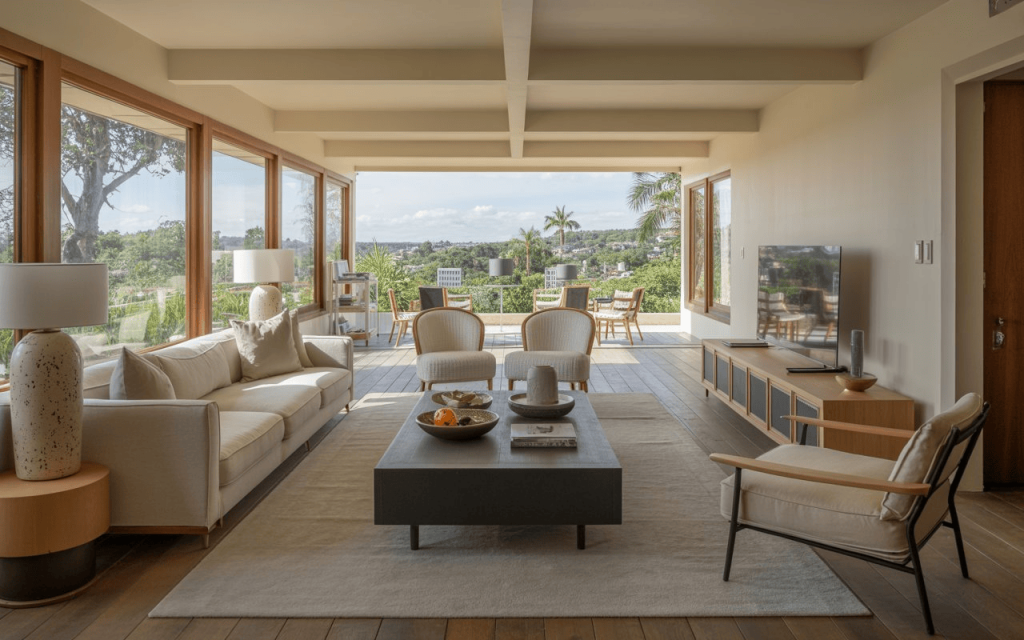
Psychology of interior design using natural light to create a calm and spacious feel
The human brain is constantly processing sensory data from its surroundings. In the psychology of space in interior design, the concept of “prospect and refuge” is vital. Humans feel safest when they have a clear view of their surroundings (prospect) while feeling protected from behind (refuge). This is why people often prefer sitting with their backs to a wall in a restaurant.
When a room is overstimulated with too many patterns or bright lights, it increases the “cognitive load,” leading to mental fatigue. A well-designed home manages this stimulation to ensure that the brain can rest and recover.
Practical Applications in Different Spaces
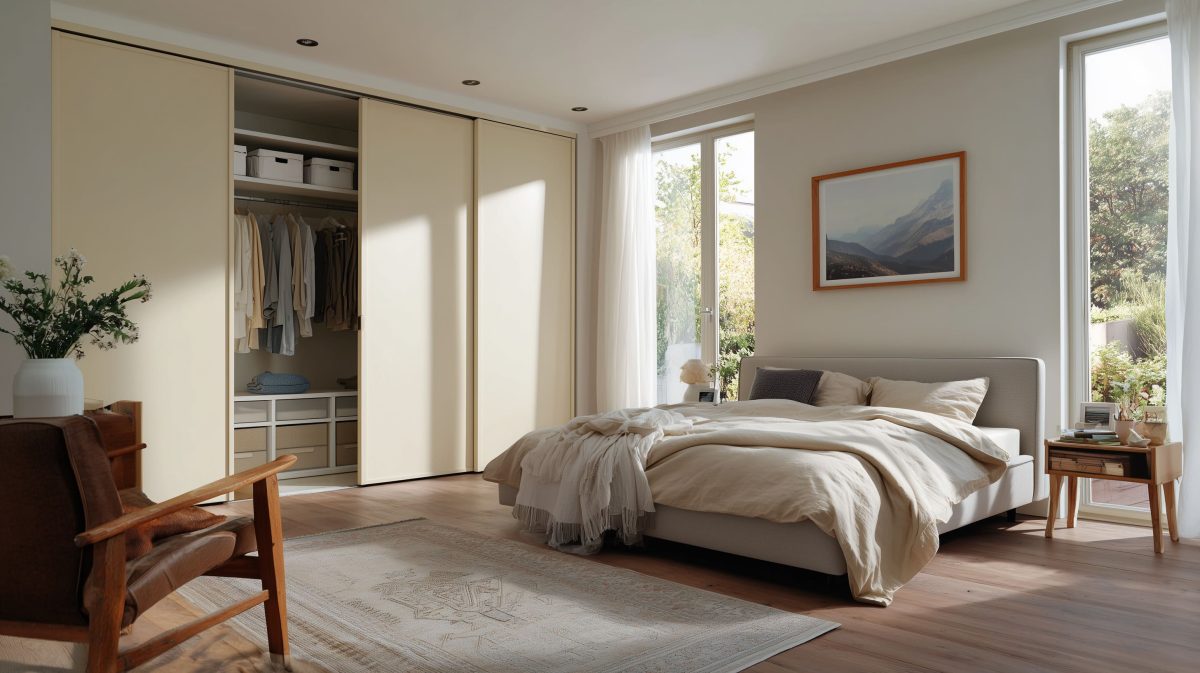
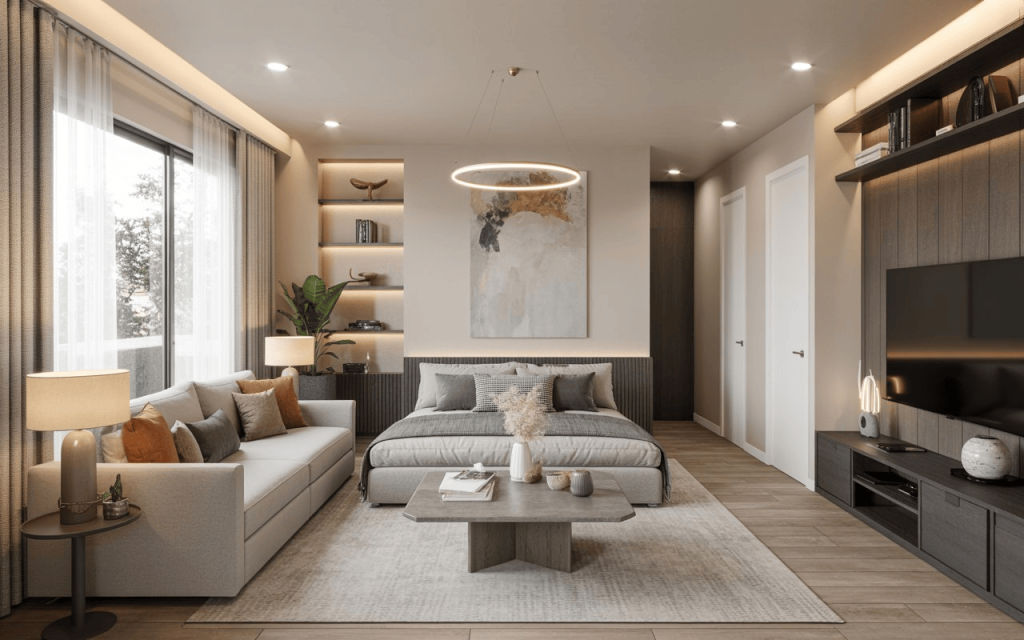
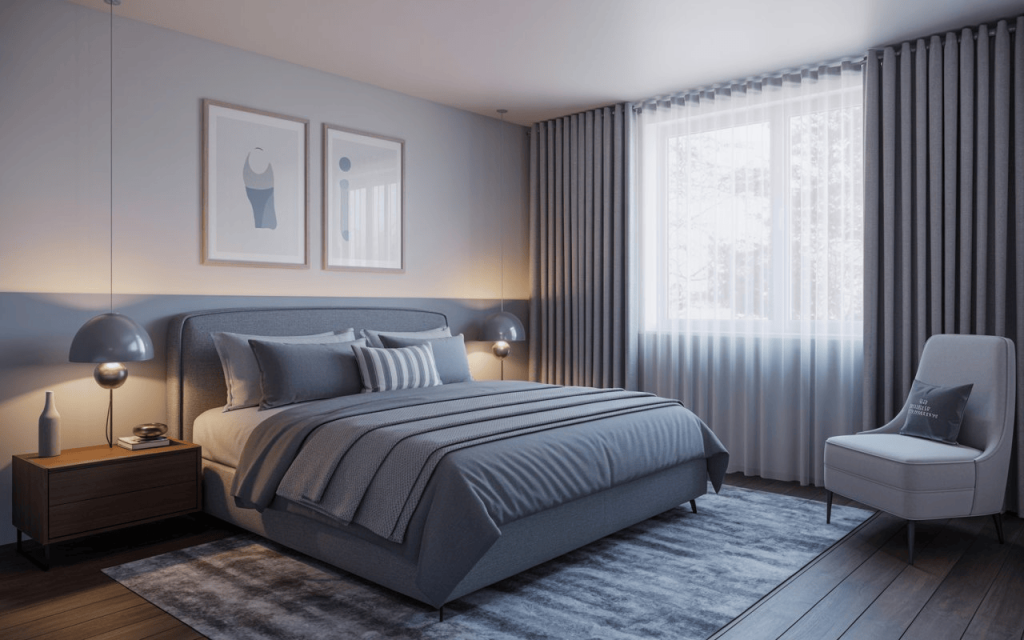
Psychology of interior design using soft tones to create a calm and relaxing bedroom space
The psychology of interior design should be applied differently depending on the room’s purpose:
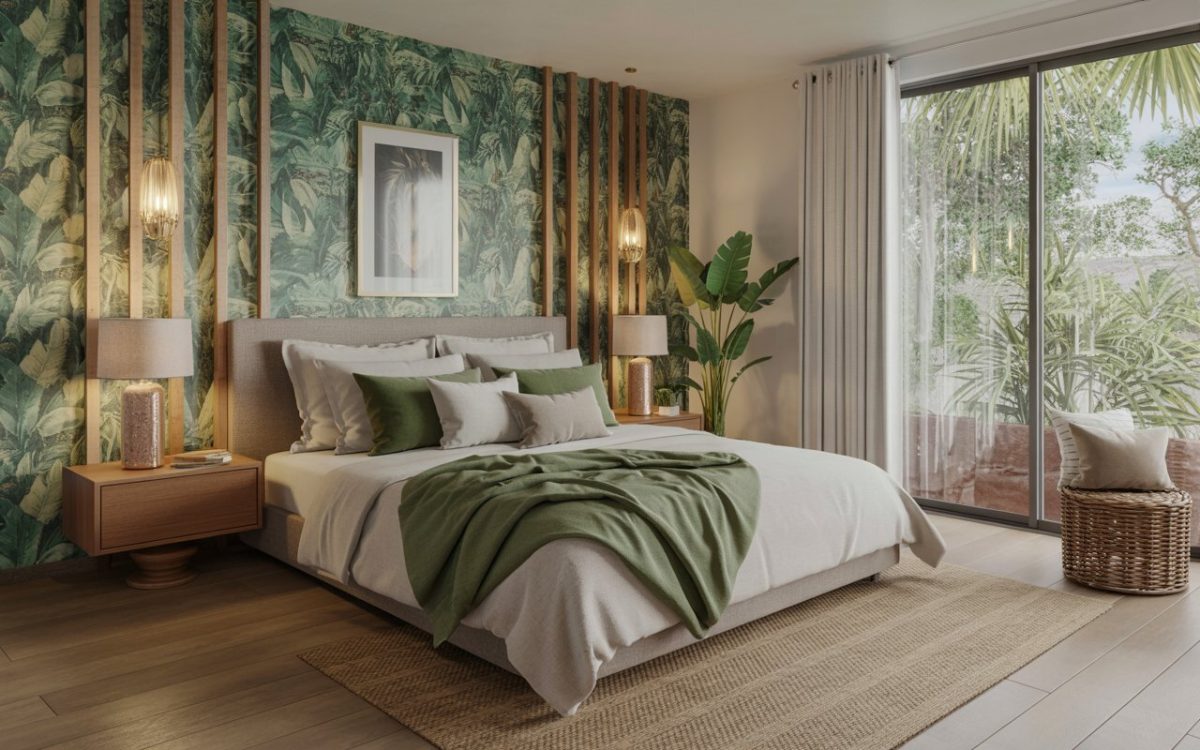
The Bedroom: Should be a low-stimulation zone with cool tones and blackout curtains to support the circadian rhythm.
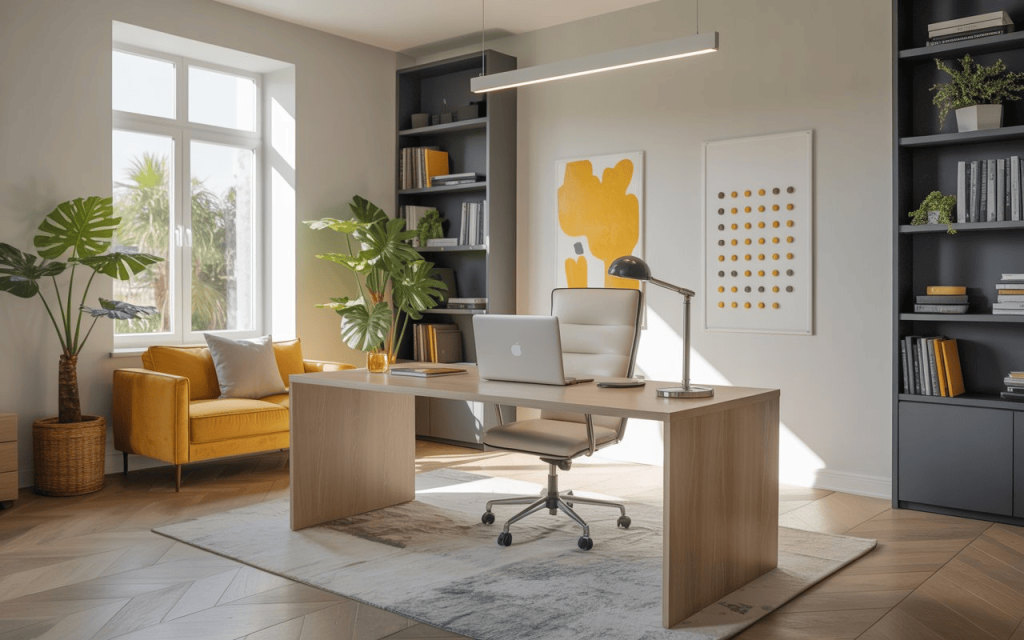
The Home Office: Benefits from natural light and “active” colours like yellow or soft orange to boost productivity.
The Living Room: Needs flexible seating arrangements that encourage eye contact and social interaction.
Clutter, Organization, and Mental Wellbeing
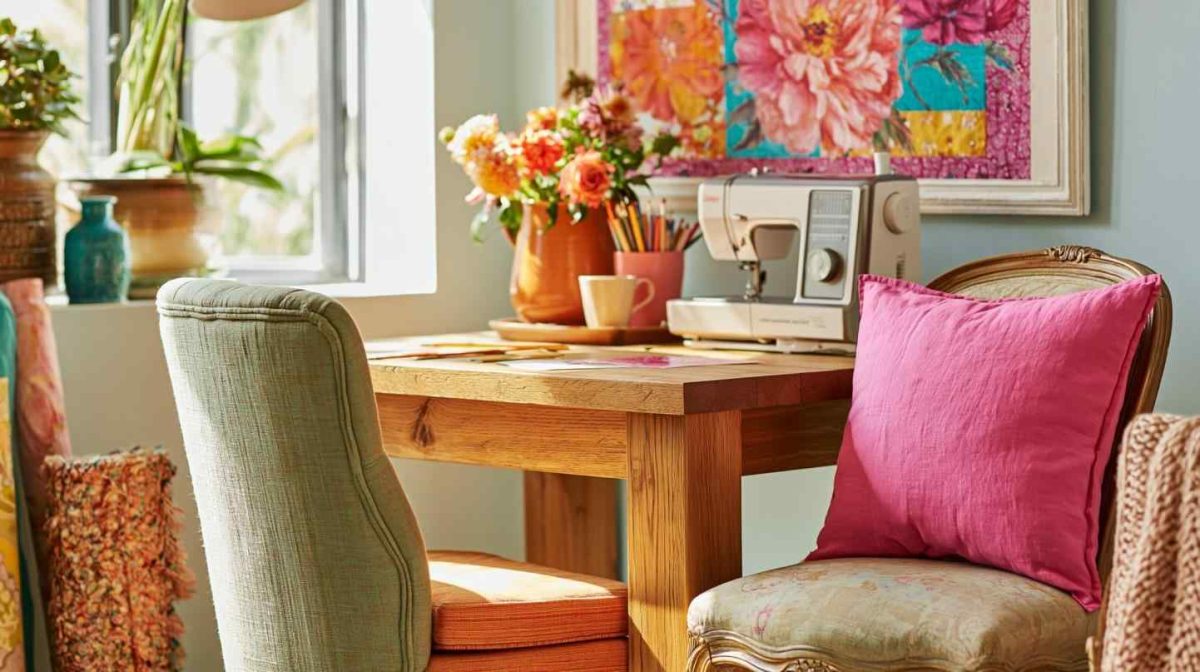
Psychology of interior design with yellow accents to boost focus and creativity
Clutter is more than just a mess; it is a constant visual reminder of unfinished tasks. The psychology of interior design highlights that high levels of clutter are directly linked to increased cortisol (the stress hormone). A minimalist approach does not mean a home must be empty; rather, it means that every item should have a dedicated place. Effective organisation gives the occupant a sense of control over their environment, which is a fundamental human psychological need.
Texture, Materials, and Sensory Experience
Psychology of interior design with warm tones creating a welcoming and balanced space
The tactile nature of a home is a key component of interior design and psychology. In Indian homes, the use of natural fibres like jute, cotton, and silk can provide a deep sense of cultural and physical comfort. Natural materials carry a “warmth” that synthetic materials lack, helping to create a feeling of being grounded. Acoustic comfort is equally important; using heavy drapes or fabric wallpapers can transform a noisy apartment into a silent sanctuary.
Transforming Your Space for a Better Life
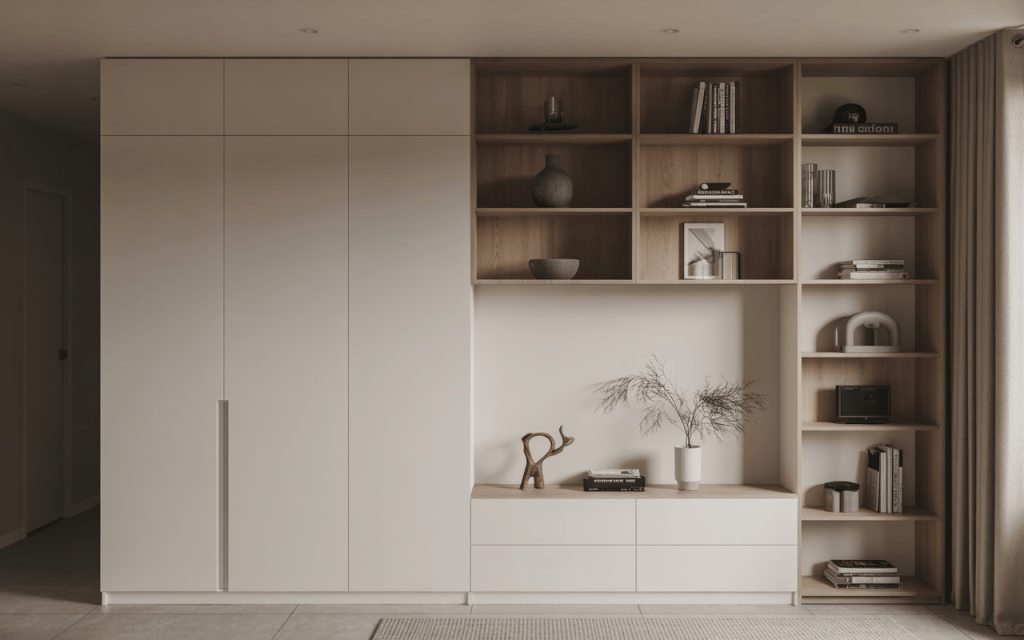
Psychology of interior design with minimal decor for a calm and organized space
A home should be a reflection of one’s best self and a support system for daily life. Achieving a balance between style and soul requires a deep understanding of how surroundings influence the mind. When a design respects the routine and reflects the lifestyle of the individual, the result is a space that truly inspires.
At HomeLane, expert designers help transform ordinary homes into extraordinary spaces through thoughtful planning, intelligent storage, and timeless design.
FAQs
1. What is psychology in interior design?
The psychology of interior design is the study of how the environment affects human emotions and behaviour. It involves using colour, light, layout, and materials to create spaces that improve mood, productivity, and overall mental health.
2. How does home interior design affect mental health?
Home design affects mental health by influencing stress levels and sleep quality. For example, cluttered spaces can increase anxiety, while rooms with ample natural light and biophilic elements can lower cortisol levels and improve emotional stability.
3. Which colours are best for a calm home?
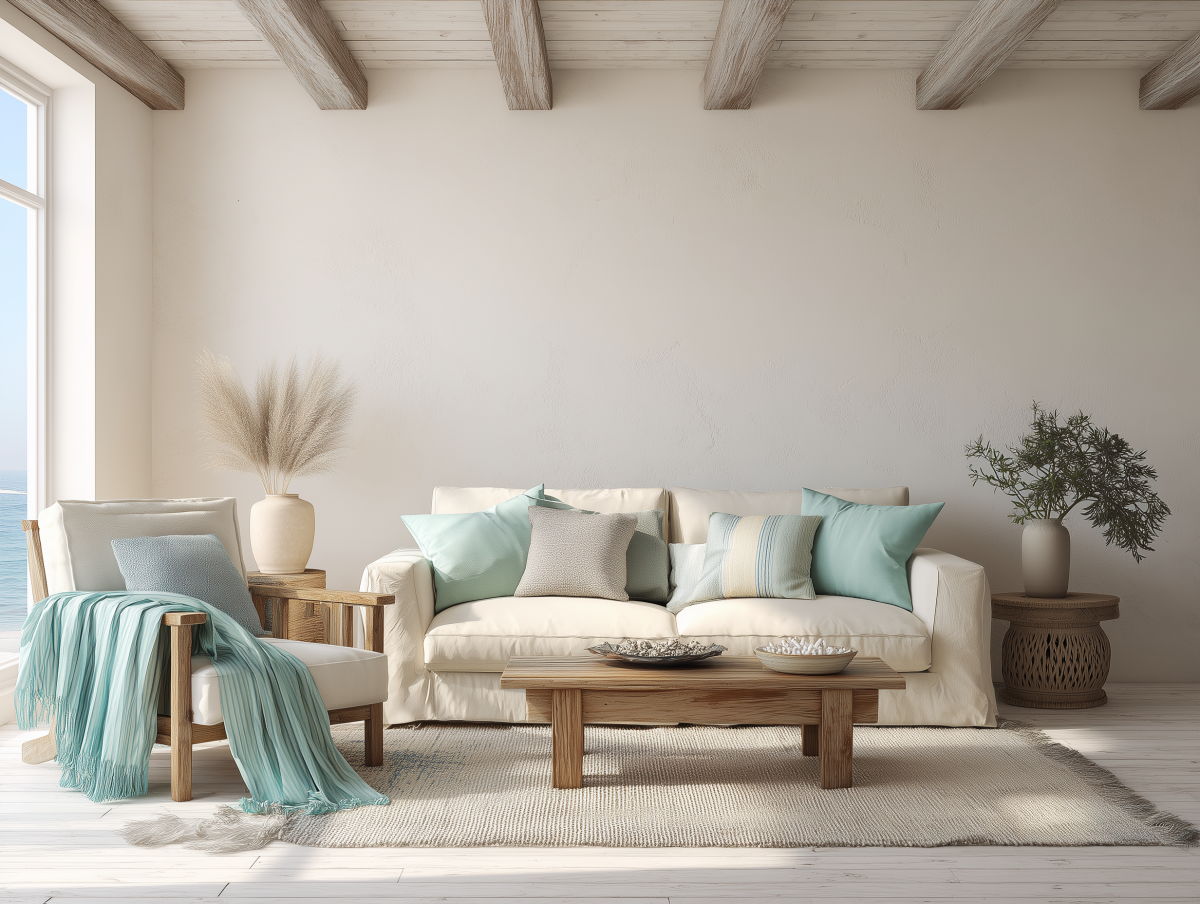
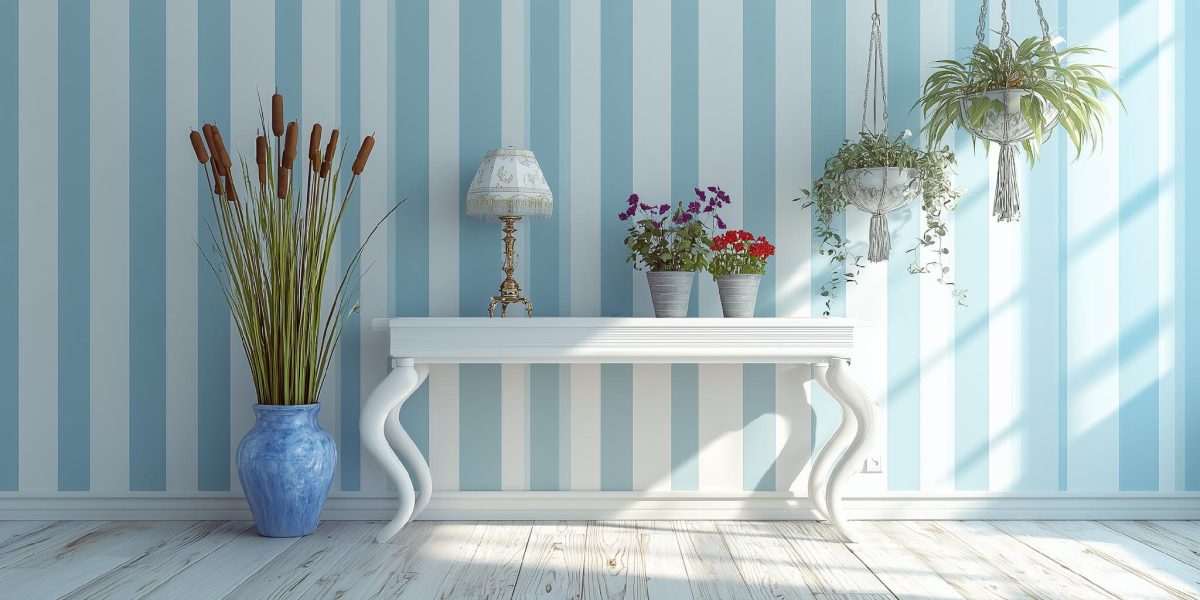
Based on colour psychology in interior design, soft blues, sage greens, and warm neutrals are best for creating a calm atmosphere. These shades are known to reduce heart rates and create a sense of serenity in high-stress living environments.
4. Why is lighting important in interior psychology?
Lighting is crucial because it regulates the body’s internal clock, or circadian rhythm. Proper lighting improves mood and energy levels during the day, while warm, dimmed lighting in the evening signals the brain to produce melatonin for better sleep.









 EXPLORE MORE