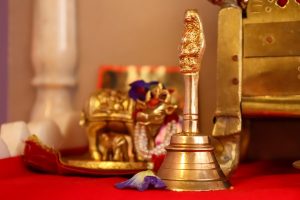
What Is Feng Shui and How It Creates a Peaceful & Balanced Home
By Usha Balasubramanyan- March 25, 2026
Good design is not only about colours and furniture. In the end, it’s all about you. It’s about how your spaces make you feel at the end of a long day.
Enhance your home with balanced elements and organic feng shui decor.
A well-arranged room can feel peaceful, while an awkward layout can drain your energy even without your realising it. Feng Shui looks at these small details and shows how layout, light, and balance can transform your home and your life.
Here’s how you can use Feng Shui to create balance in your life!
What is Feng Shui?
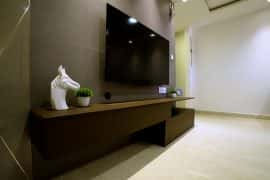
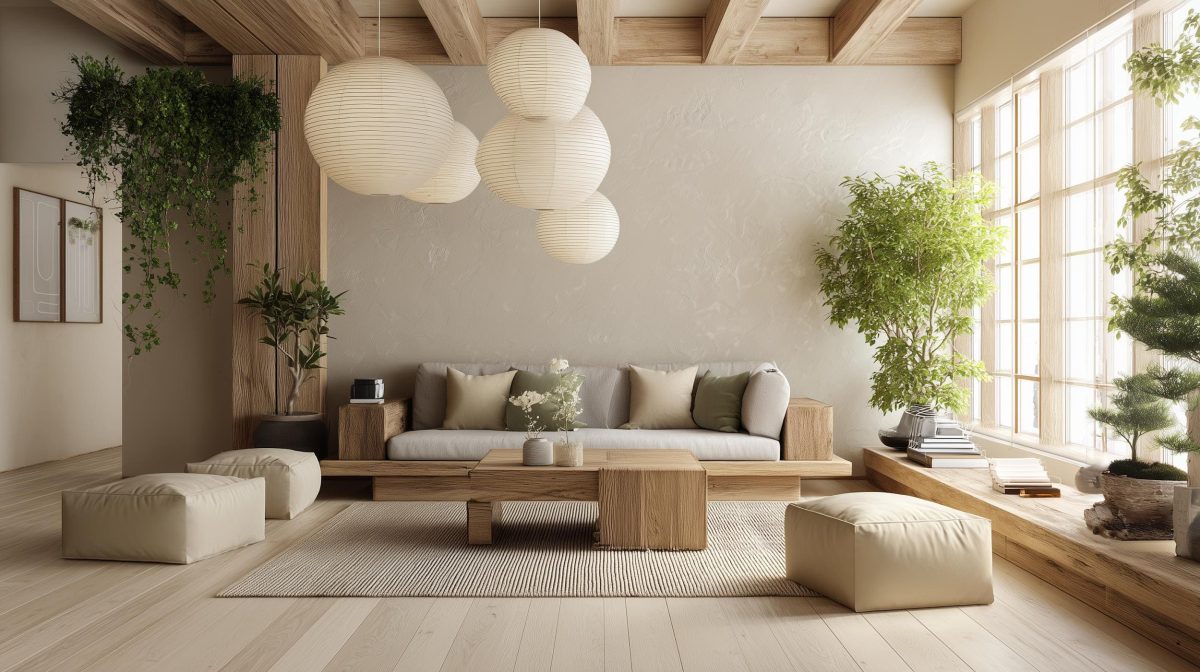
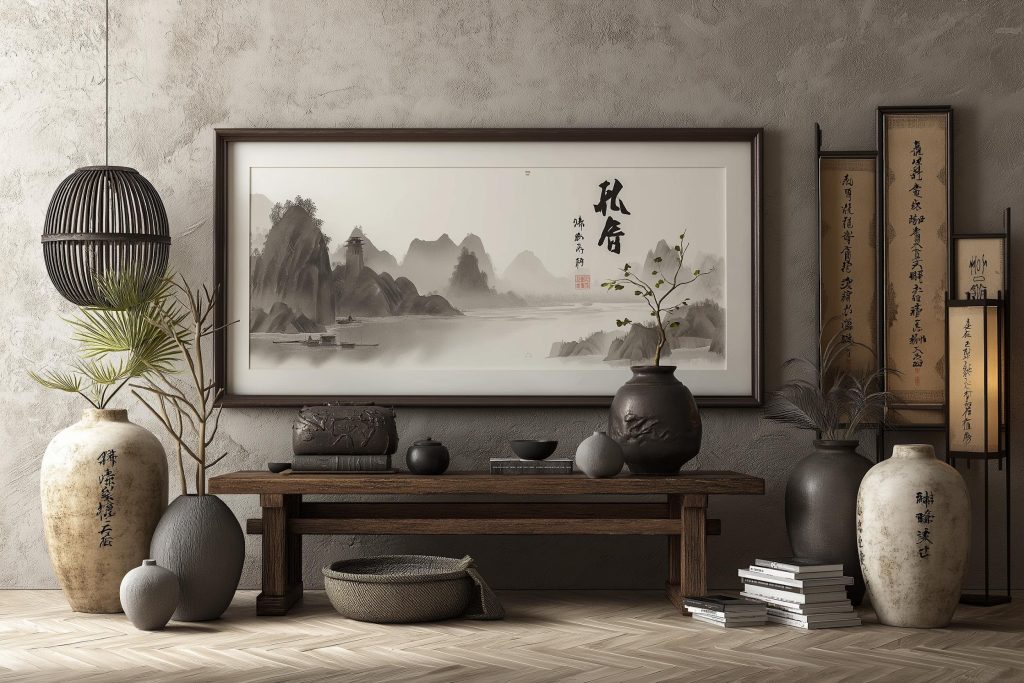
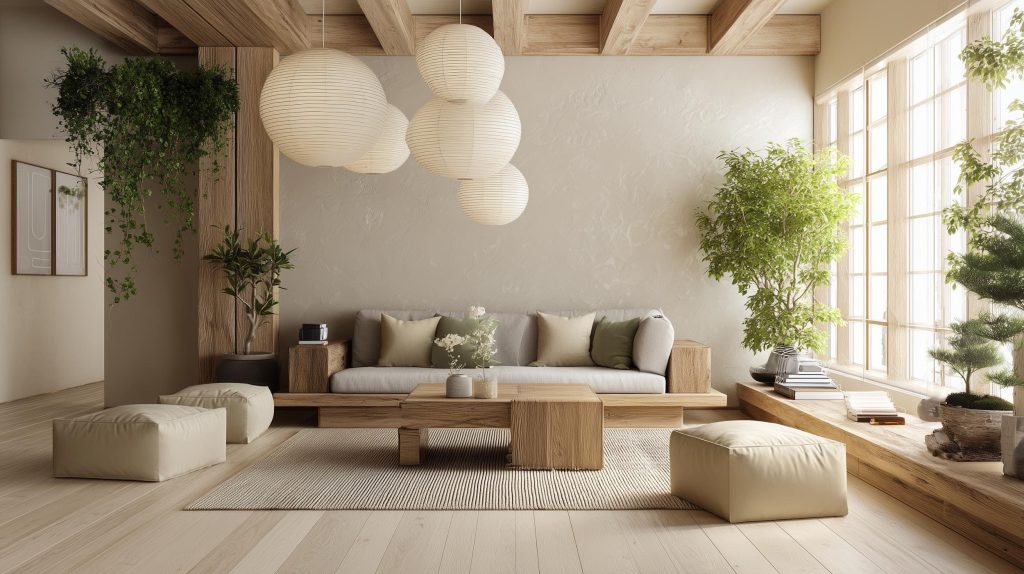
Modern feng shui home decorating focuses on light and tranquility.
The ancient Chinese practice of Feng Shui (literal translation: “Wind-Water”) focuses on how energy, or “chi”, moves through a space. The idea is simple. When the energy flows smoothly, you’ll feel more comfortable and supported in that environment.
Many homeowners in India compare feng shui and vastu shastra, since both aim to create harmony between people and their surroundings. And it’s a valid comparison, because both are steeped in traditional wisdom! While their origins differ, the overall premise is similar.
Rather than rigid rules, think of Feng Shui as soft, gentle guidance for making your home feel energetically in harmony.
We bring you simple practices to incorporate these home interior design insights into your home.
#1. Declutter Your Space
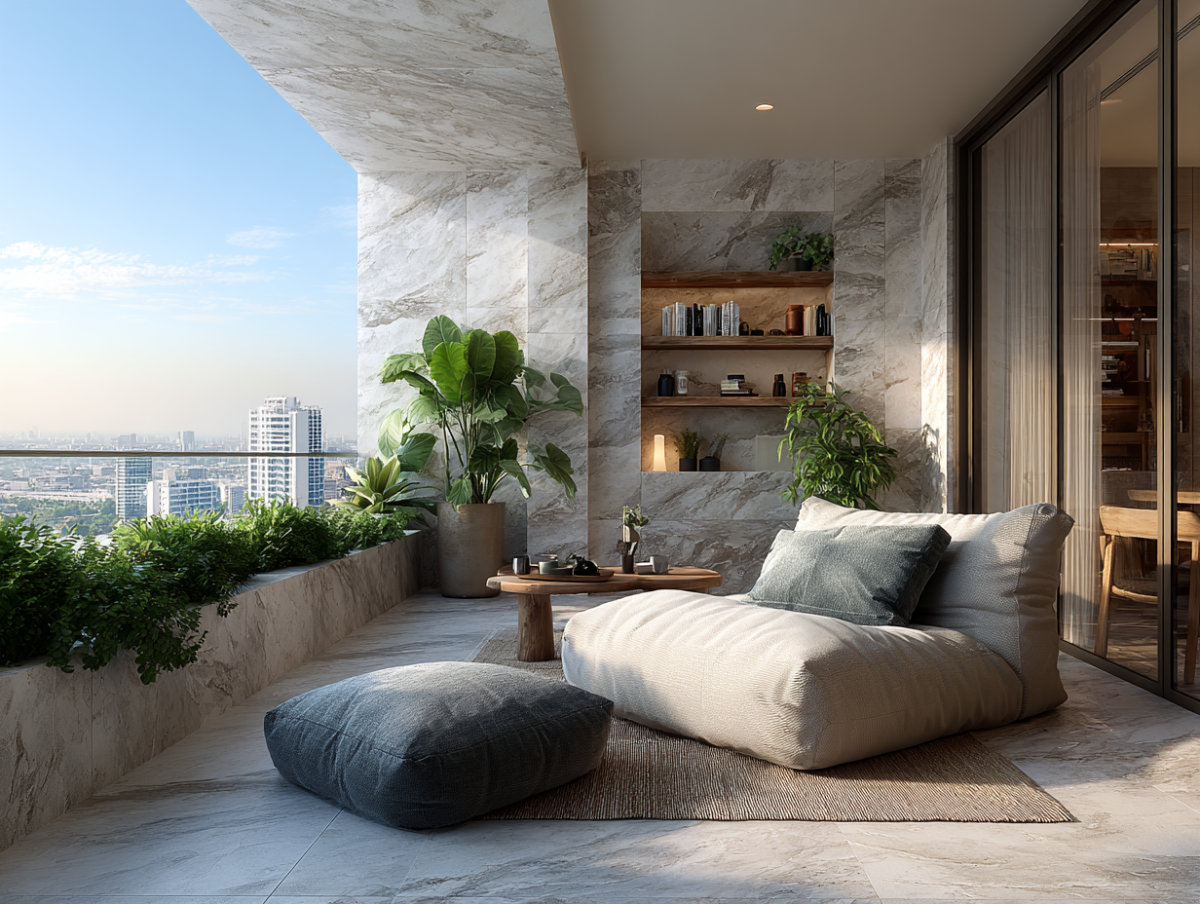
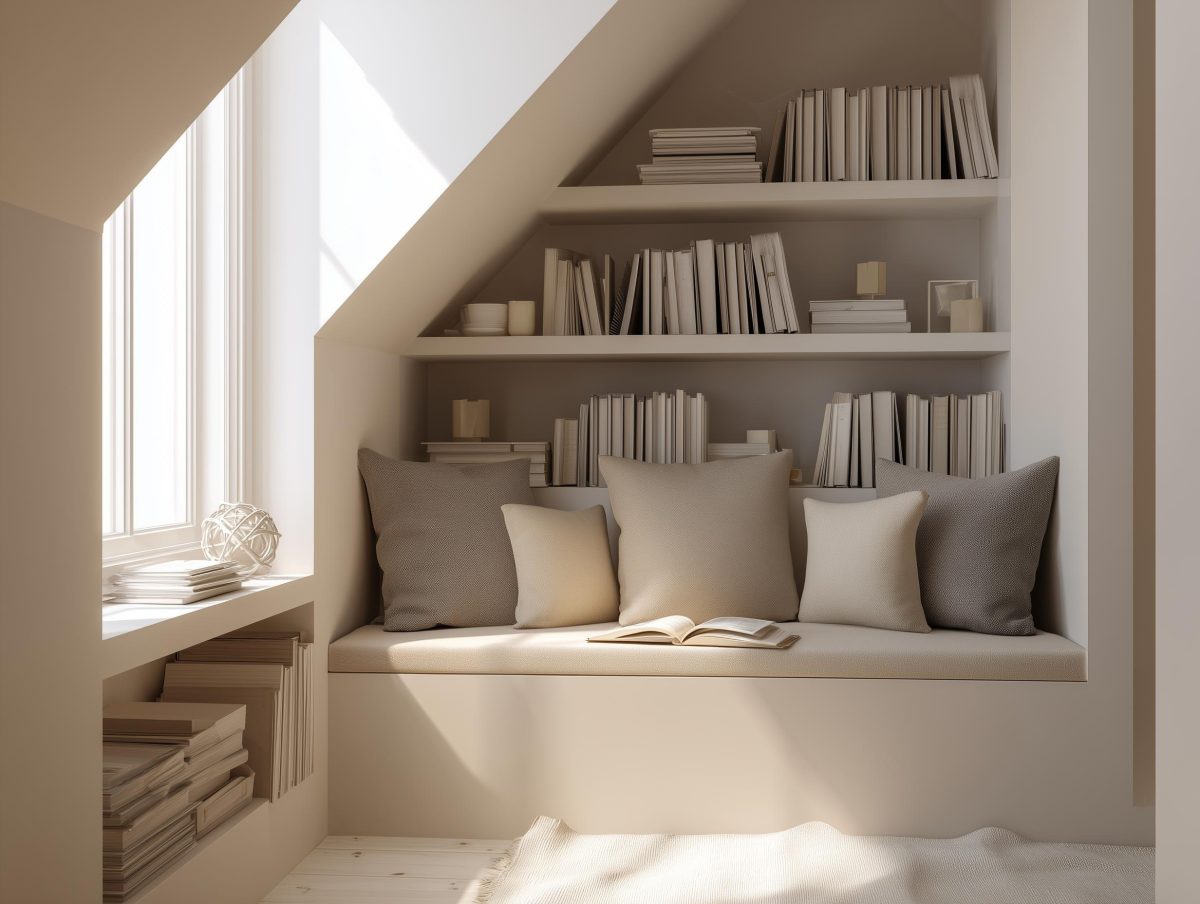
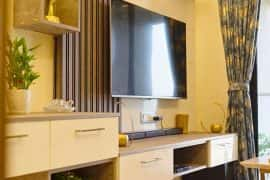
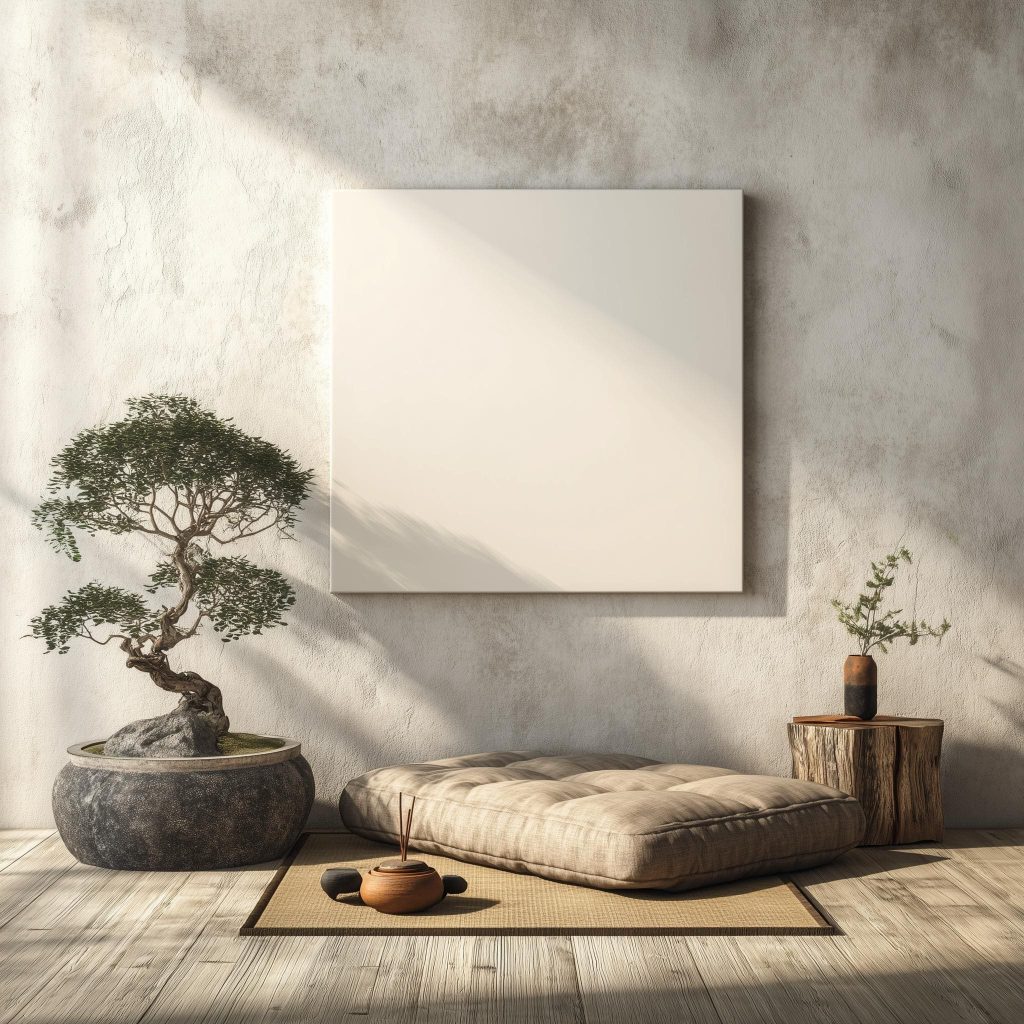
Use natural light and greenery in your feng shui interior design.
All of us accumulate stuff we don’t need over the years. It happens. And if there is one Feng Shui tip that works instantly, it is getting rid of clutter!
Clutter in feng shui represents stagnant energy. It collects dust, and creates stress. Clearing surfaces, organising storage, and removing unused items allows your room to “breathe”. A tidy feng shui home feels lighter and more welcoming right away.
Start small. Even clearing one bedside table can shift the vibe.
#2. Optimise Furniture Placement
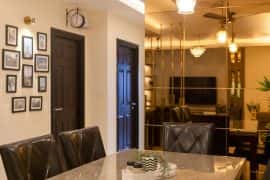
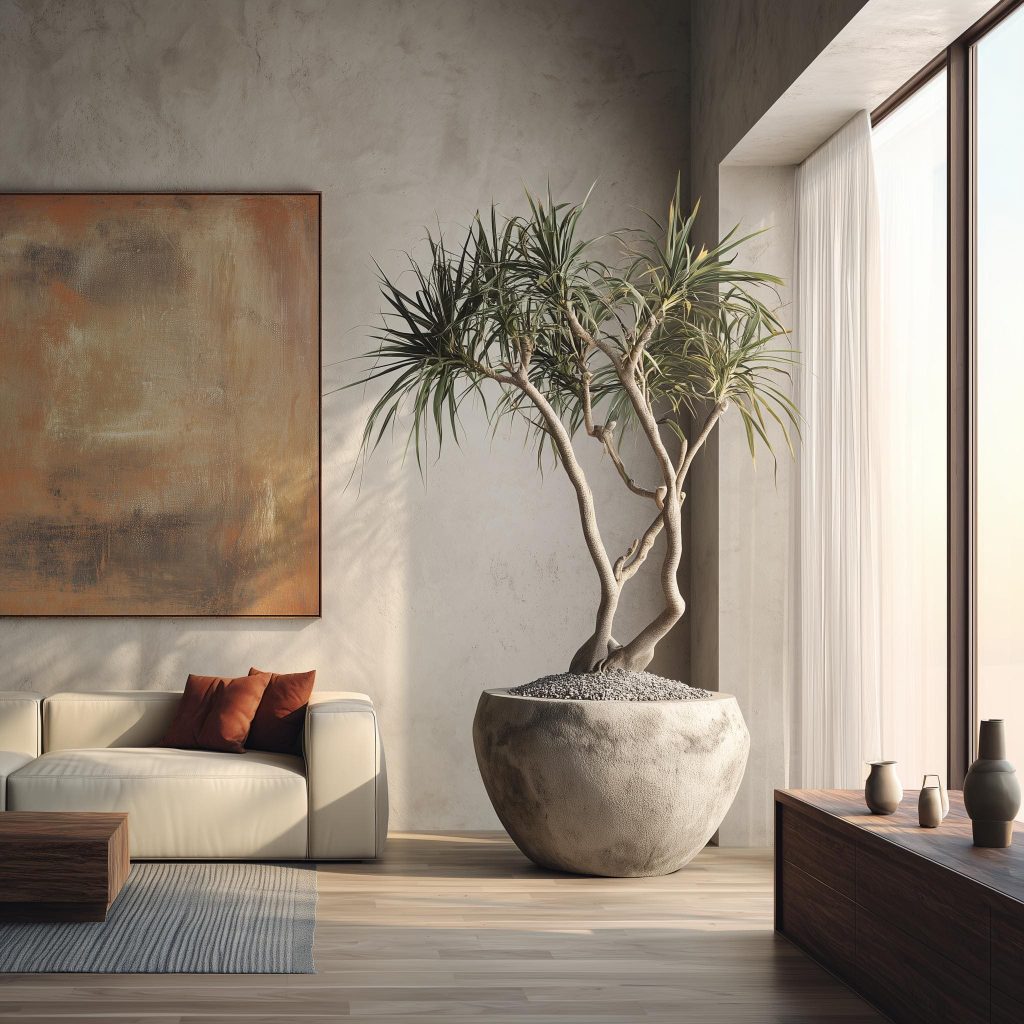
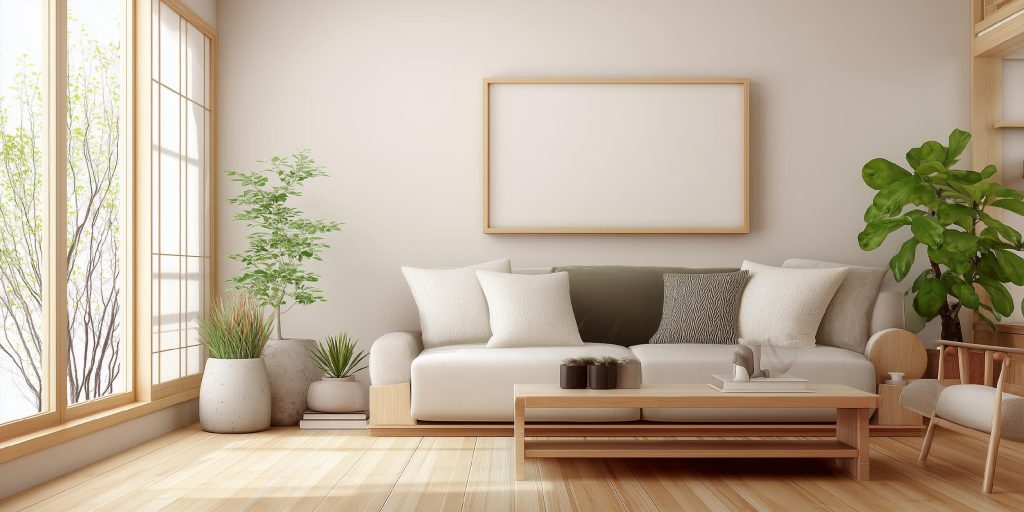
Experience the harmony of functional feng shui interior design.
This is common sense, too: furniture placement plays a huge role in comfort!
Your beds, sofas, and desks should be positioned so you’re able to see the door, and should not block the way.
In a feng shui bedroom, this often means paying attention to feng shui bed placement, ensuring it’s not squeezed into an awkward corner. Similarly, in a feng shui living room, the seating layout should encourage conversation and allow free movement.
Small adjustments in the layout can make a huge difference.
#3. Balance the Five Elements
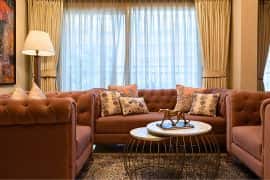
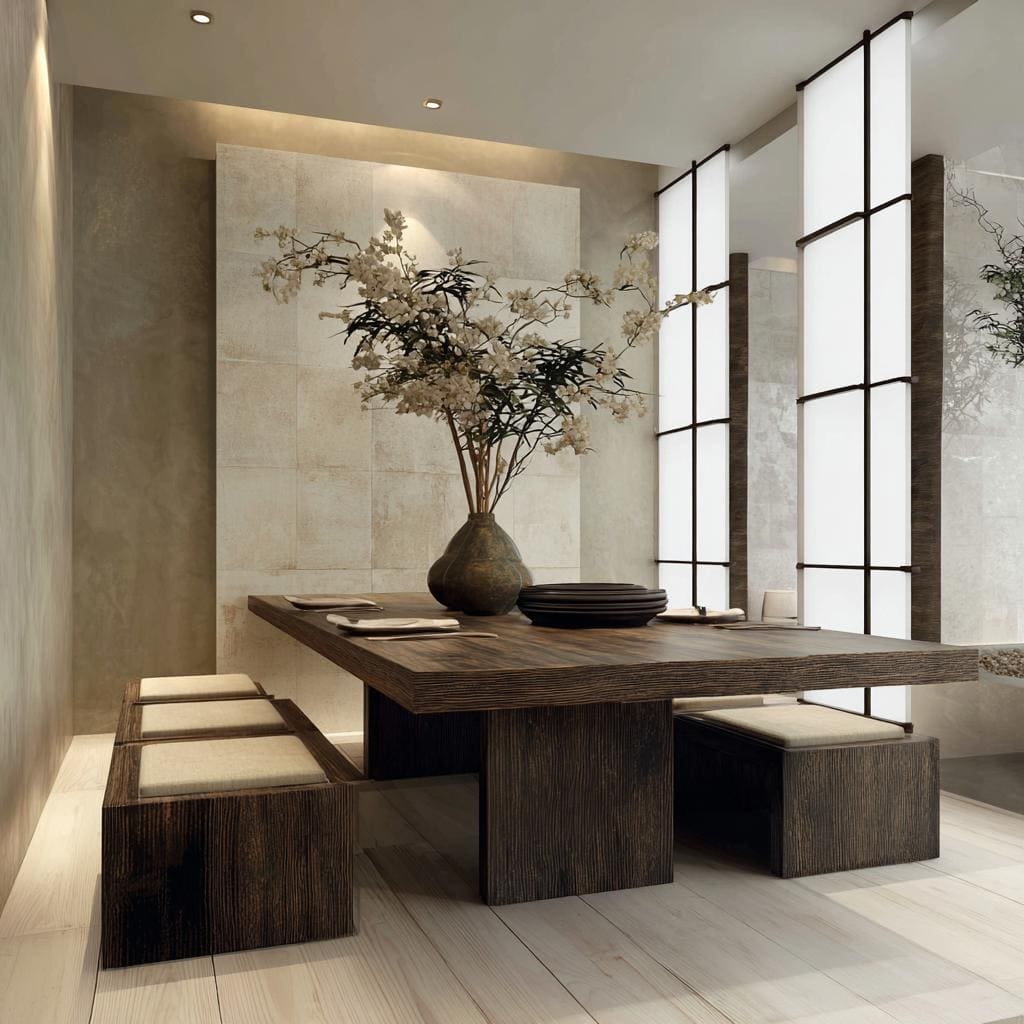
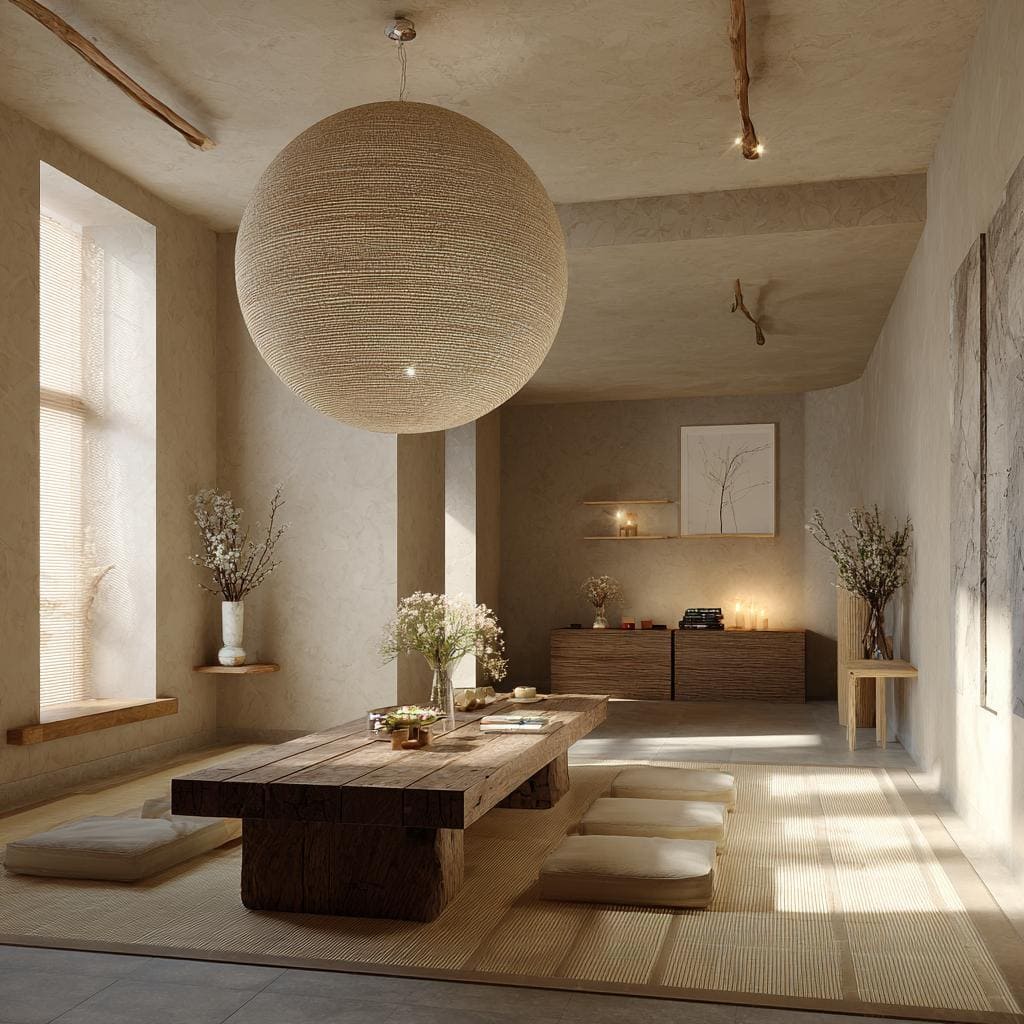
Elevate your space with organic feng shui home decorating tips.
Feng Shui is based around the five elements: wood, fire, earth, metal, and water.
And obviously, you do not need to add them literally! Here’s how you can do it:
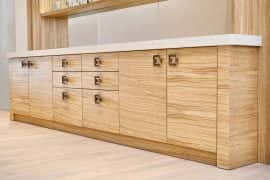
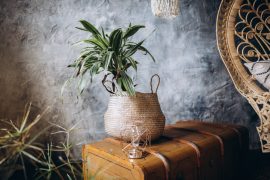
Wood (plants, wooden furniture)
Fire (warm lighting, candles)
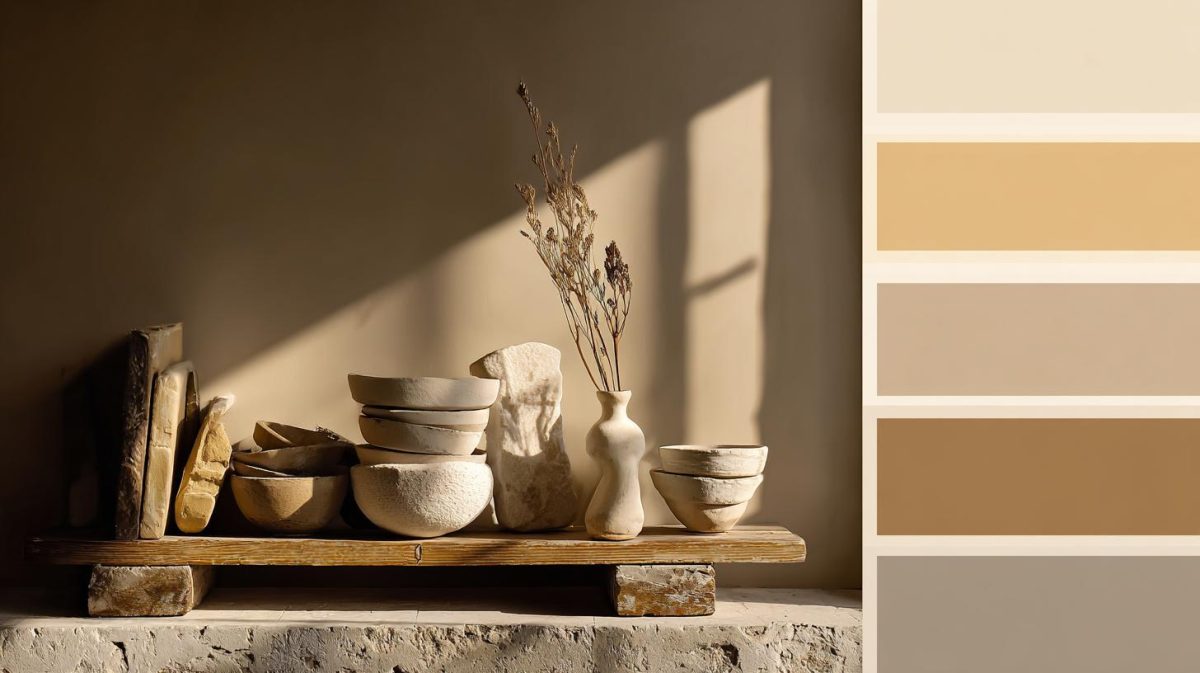
Earth (ceramics, neutral tones)
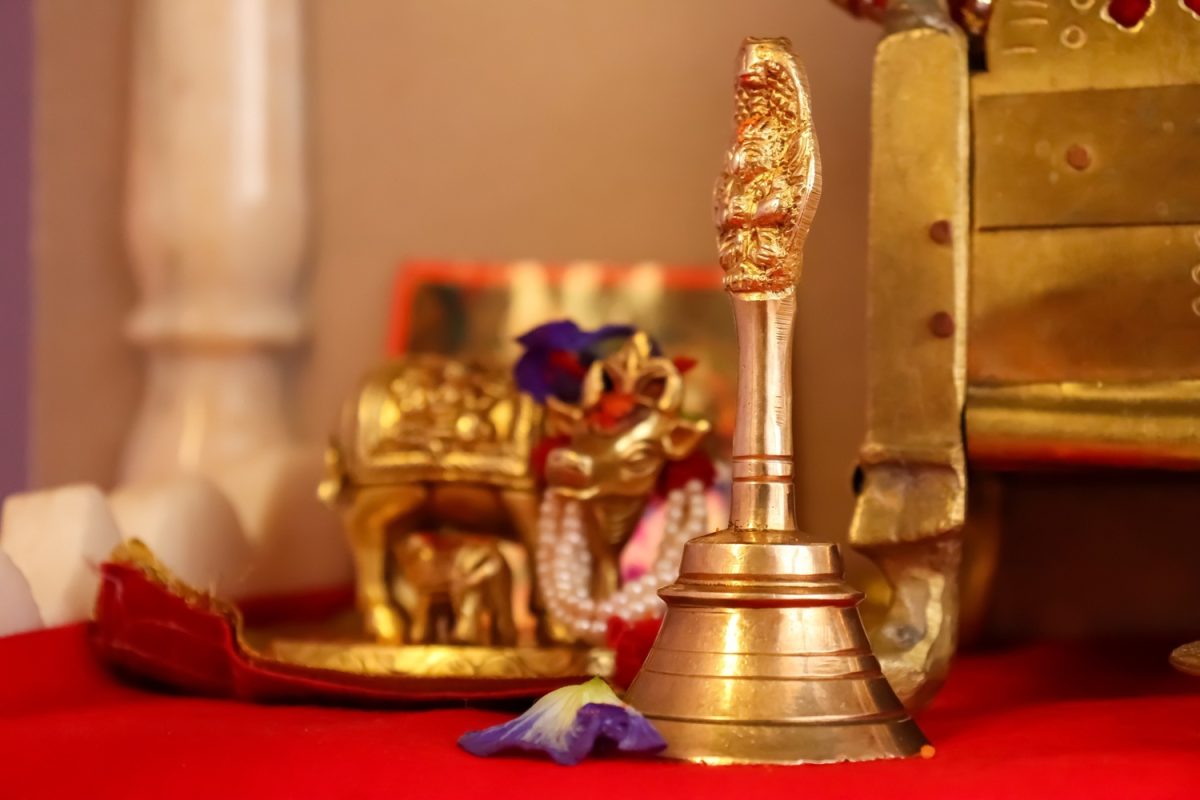
Metal (décor accents like brass candlesticks)
Water (mirrors, artwork)
Keeping these elements in harmony supports the natural flow of energy, which is one of the key feng shui principles.
#4. Use Colours with Care
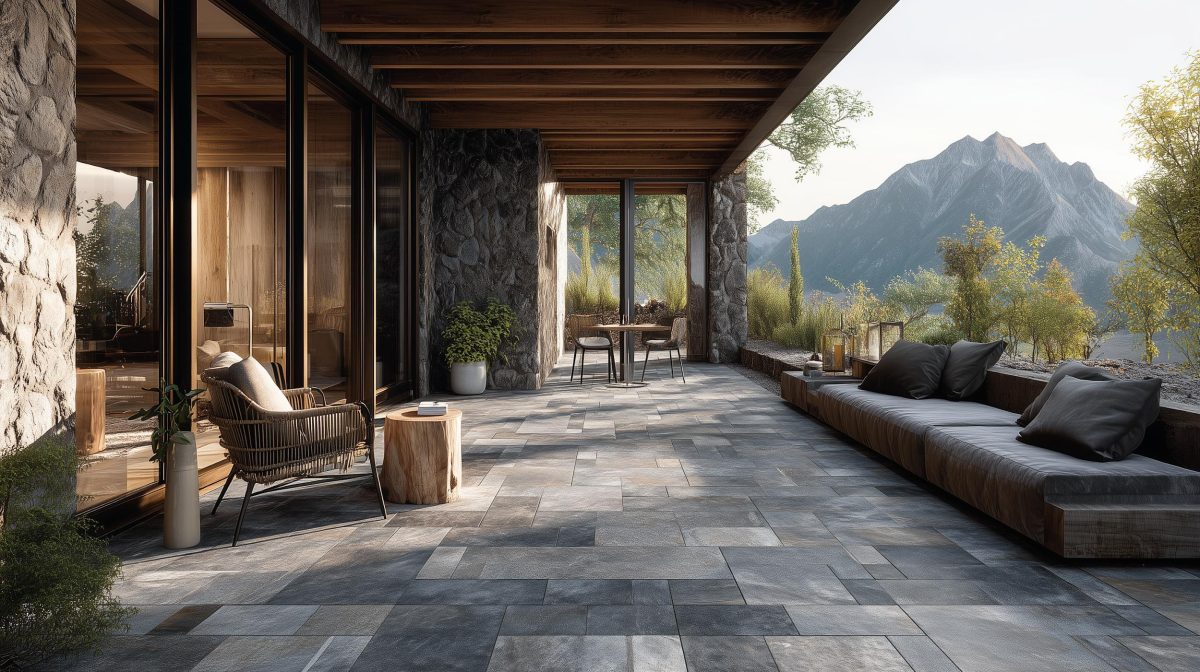
Learn how to apply timeless feng shui principles to any room.
In Feng Shui, colour is treated as a powerful mood-setter.
Cool tones like blue and green create a restful atmosphere, especially in bedrooms. Warm shades add vibrancy but need balance so the room does not feel overwhelming. Neutral tones help ground the space and bring visual calm.
Even the choice of feng shui door colour can influence the sense of safety and welcome at your entrance. Rather than following strict formulas (which can get very tiring), focus on colours that feel balanced and comfortable in your home.
#5. Dial Up the Natural Light
Find your aesthetic by comparing feng shui vs vastu approaches.
Sunlight is one of the easiest ways to add life to your rooms, as per feng shui interior design!
Keep the curtains open during the day, avoid blocking windows with heavy furniture, and use mirrors to reflect daylight deeper into the room. If privacy is not a concern, you can even do away with curtains altogether. A space that’s lighter and brighter will add positive feng shui energy to your home.
Natural light also enhances the feng shui decor, making the textures and colours brighter.
#6. Let’s Try for Harmony in Each Room
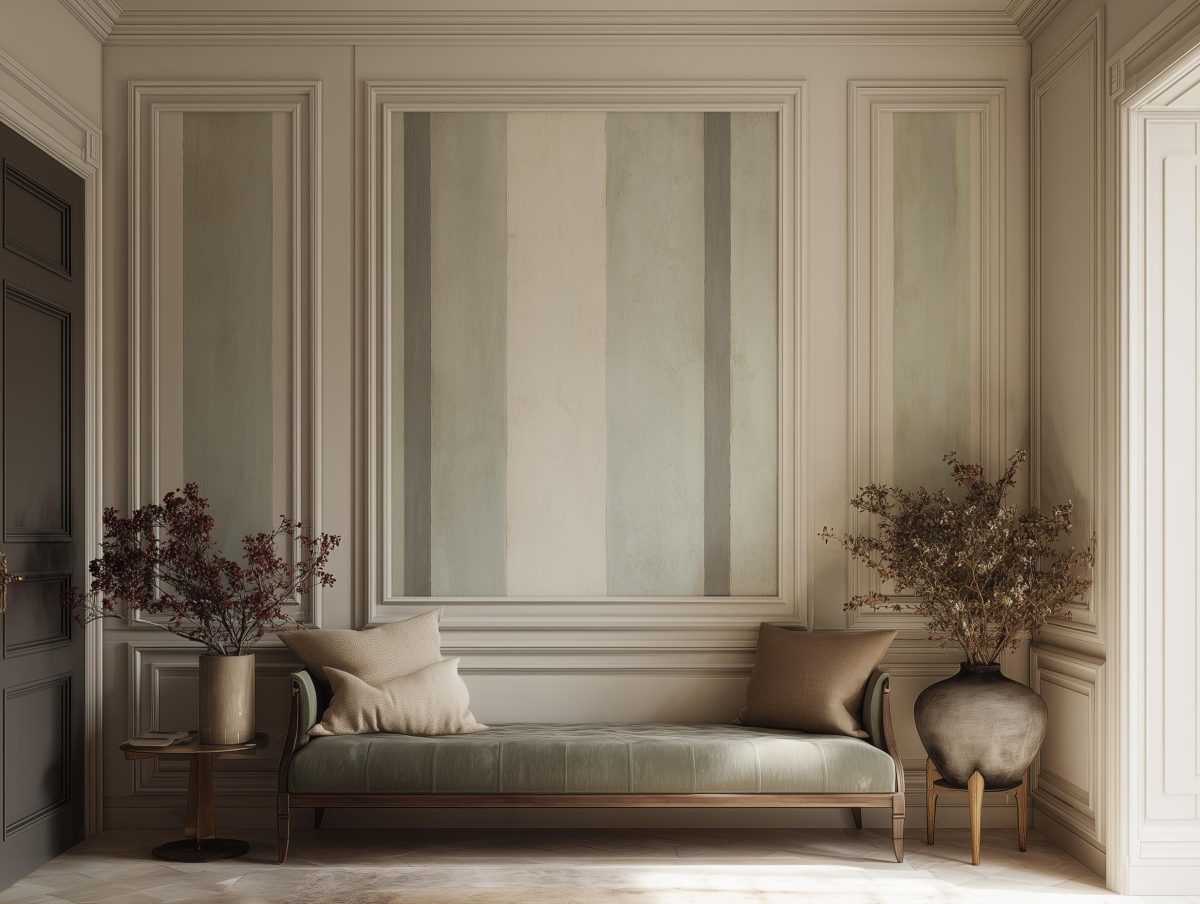
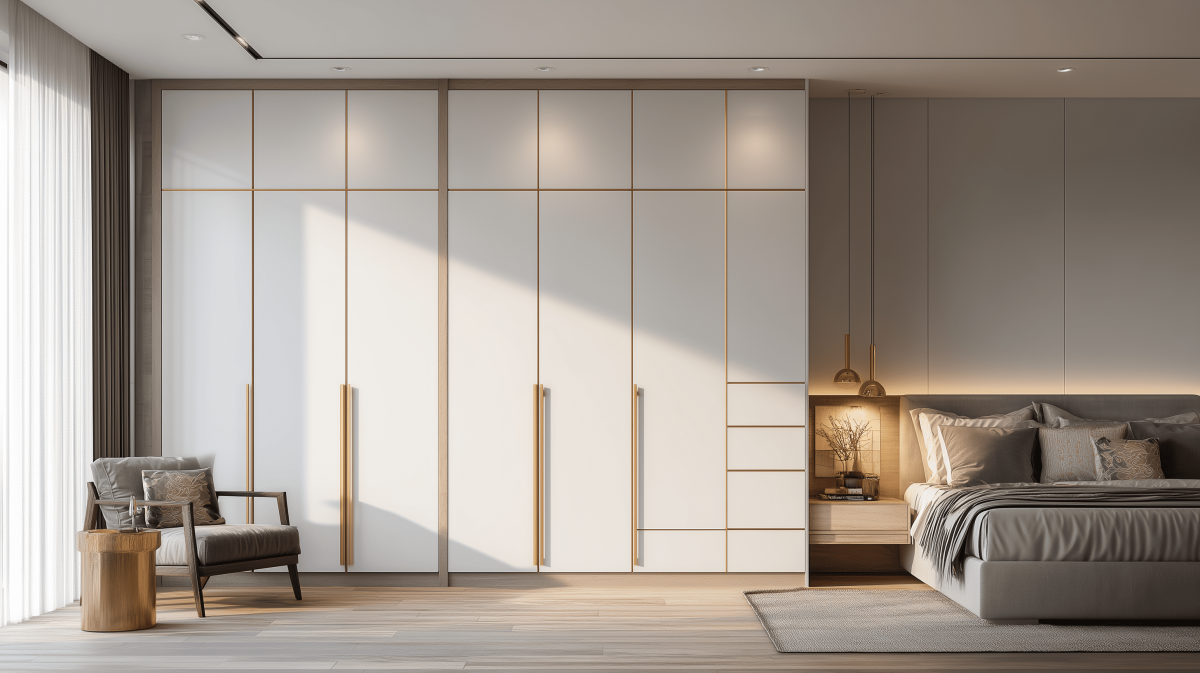
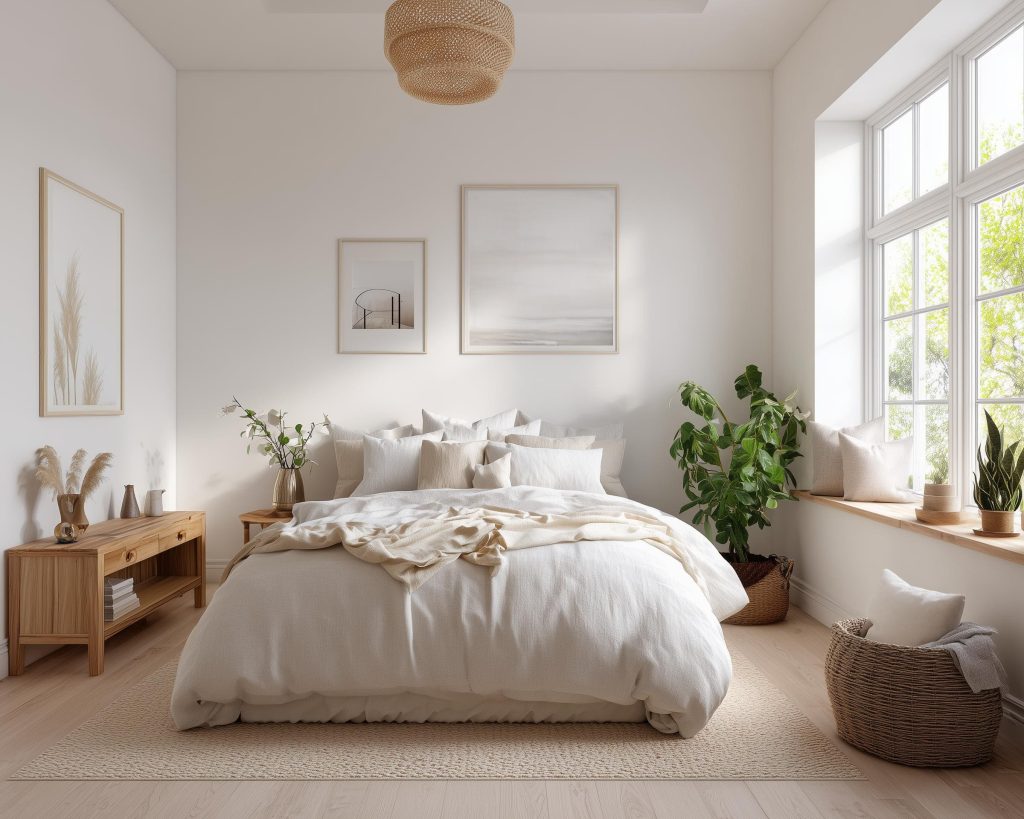
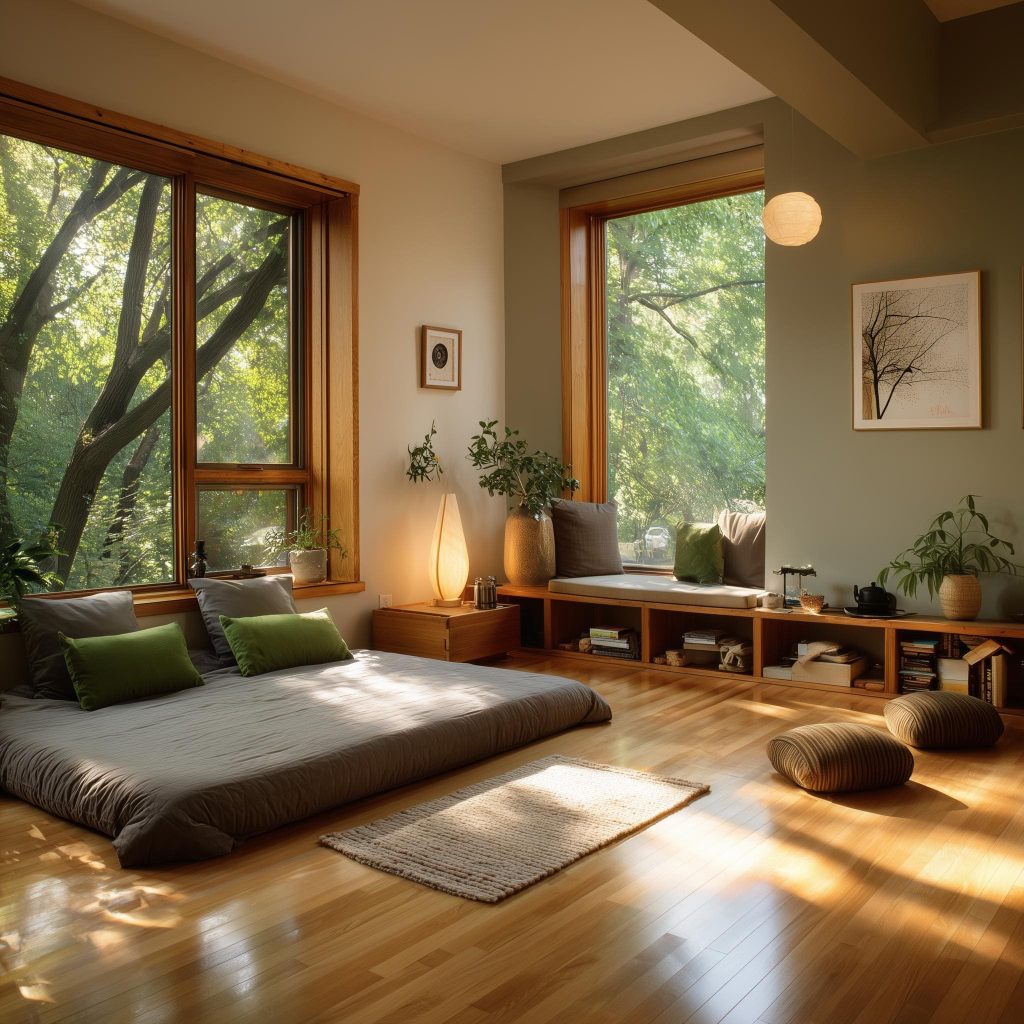
Transform your rest space into a calming feng shui bedroom.
Each space in your home is different, and needs to be in harmony with the environment. Curate the furniture, lighting and finishes with care.
The bedroom is a space to relax and dial down your energy. Keep things low-key, soothing.
Living rooms should feel welcoming and inviting. Energy can be vibrant.
Home offices should create sharp focus and help you to be productive.
This is where thoughtful feng shui home decorating works wonders. The right choice of fabrics, the right furniture layouts, and the right colour choices create spaces that support how each room is used.
Understanding feng shui vs vastu approaches can also help homeowners blend cultural preferences while keeping the design narrative of your home cohesive.
Practical Feng Shui Tips
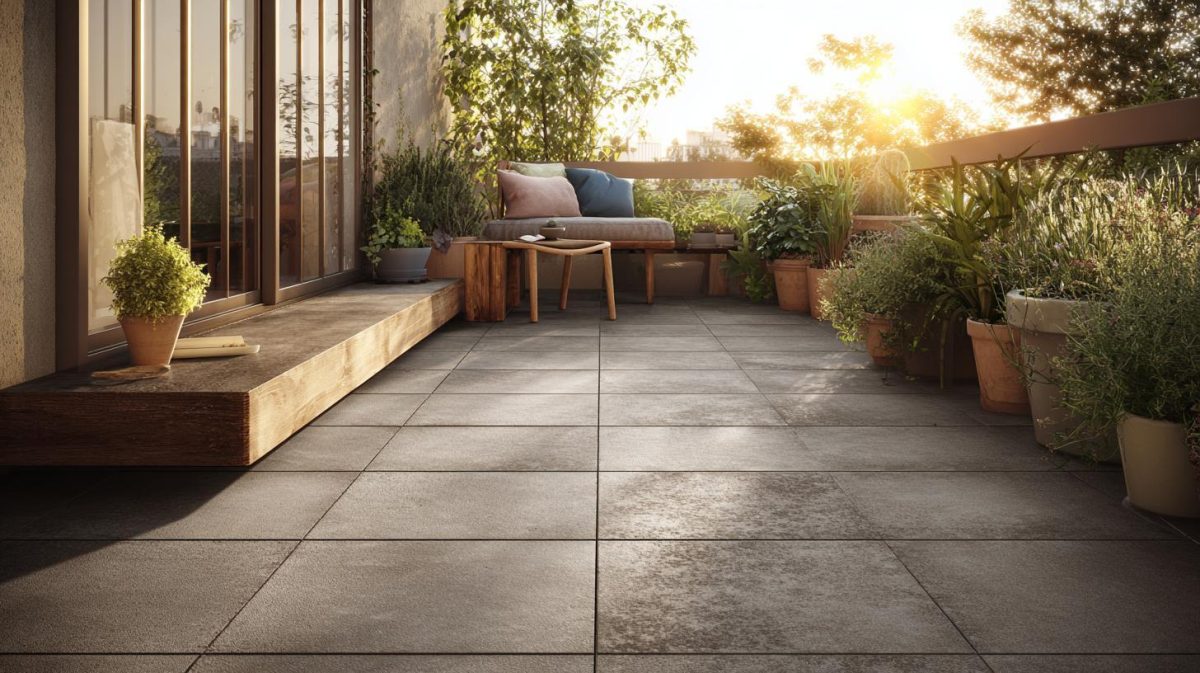
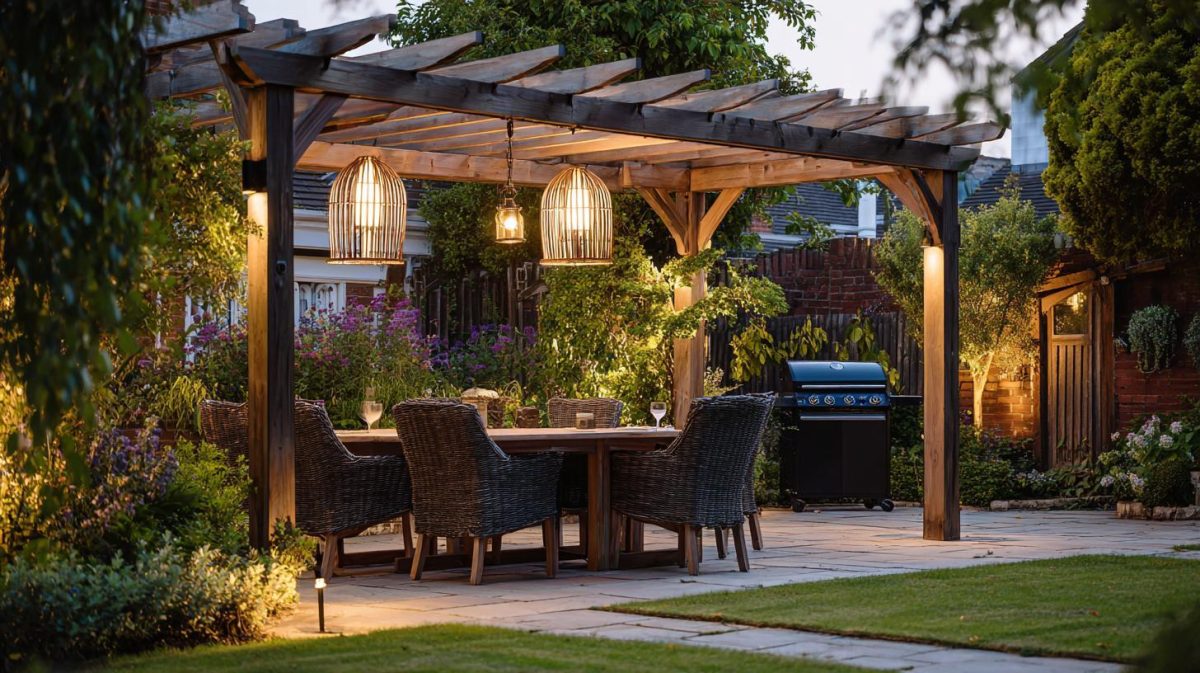
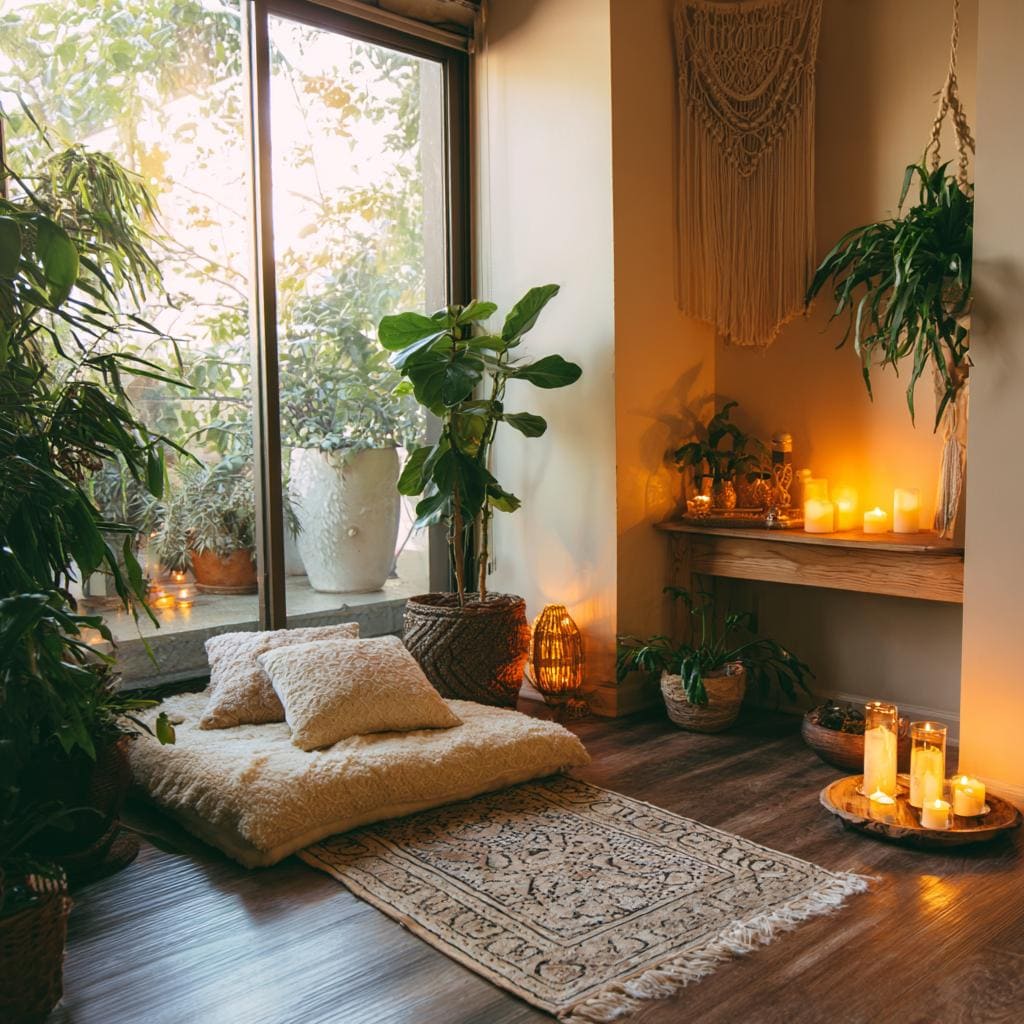
Encourage flow with mindful feng shui decor and natural light.
Unsure about whether feng shui is for you? There’s no harm in trying these small and very simple first steps:
Keep entrances clean and well lit.
Avoid sharp furniture edges and keep seating rounded.
Use plants to soften corners. Plants in feng shui represent life.
Wherever you can, keep things in symmetry.
Ensure that pathways remain clear.
These simple actions bring Feng Shui into your life without too many major changes.
Ready to Bring Peace and Harmony into Your Life?
Use soft lighting to complement your feng shui bed placement.
Feng Shui is not about perfection or following rigid rules. It is about awareness. When you notice how layout, light, colour, and balance affect your comfort, you naturally begin shaping your home more thoughtfully.
Whether you are redesigning a single room or planning a full makeover, applying basic Feng Shui ideas can make your interiors feel calmer, brighter, and more supportive of daily life.
At its heart, Feng Shui simply encourages you to create a home that feels good to live in. And when your space feels right, everything else tends to flow a little more smoothly.
When you’re ready to begin, HomeLane has your back!
FAQs
1. Do I have to buy expensive Chinese statues to “do” Feng Shui?
Of course not! Feng Shui is mostly about layout, balance, light, and decluttering. Decorative items are totally optional, and should only be used if they really suit your home.
2. Why is a mirror facing the bed considered bad Feng Shui?
People think that feng shui bed placement opposite a mirror can reflect energy and disturb restful sleep. And practically, it may also create a visual distraction at night. Think of placing mirrors to the side instead.
3. What is a Bagua Map?
A Bagua Map is a Feng Shui tool used to divide a home into zones that stand for areas like health, career, or relationships. It helps to guide the placement of furniture and décor.
4. What is Feng Shui in home design?
It is the practice of arranging interiors to support balance, comfort, and smooth energy flow. It curates the space planning, light, colour, and organisation of your home.
5. Which rooms benefit most from Feng Shui?
All rooms can benefit from this traditional wisdom, but bedrooms, living rooms, and entrances usually show the most noticeable improvement when Feng Shui ideas are applied.
















 EXPLORE MORE