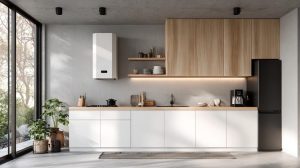
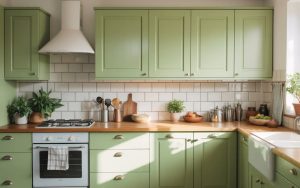
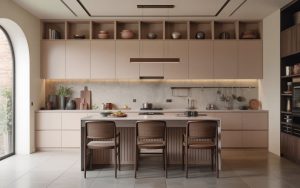
A kitchen that looks like every other one on the market is a bit like a playlist with the same song on repeat. Safe, predictable, and quickly forgettable. The charm of a non-modular kitchen is the freedom to design it exactly as you live.
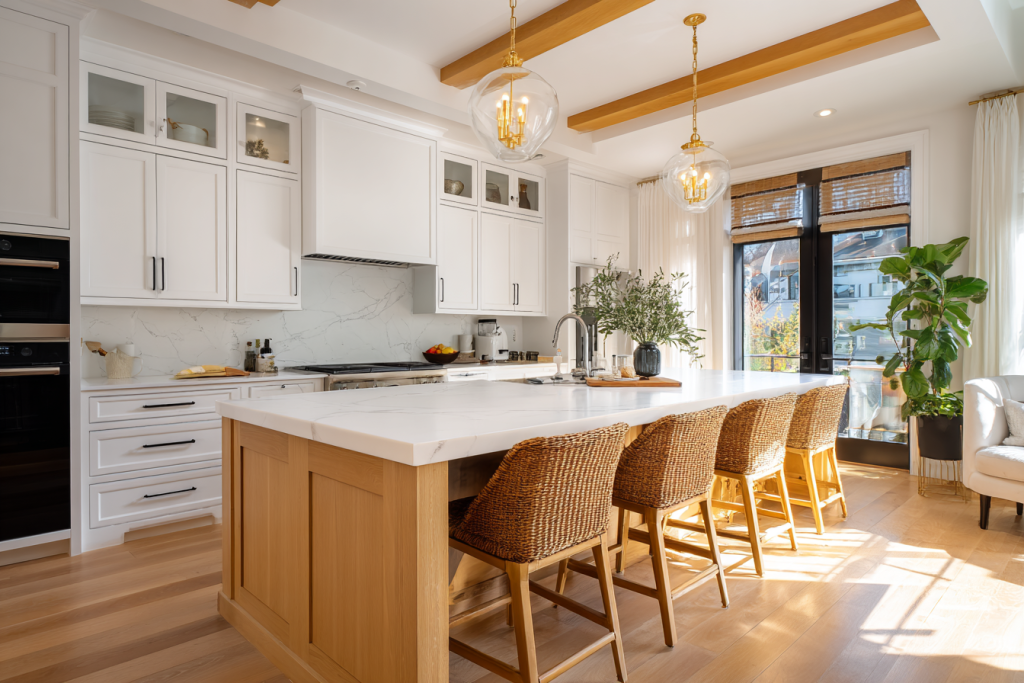
It’s not from a catalogue, not from a template, but designed in accordance with the pots you actually own, your cooking style, and the quirks of your home that deserve attention!
Modular vs. Non-Modular Kitchens: A Clear Comparison
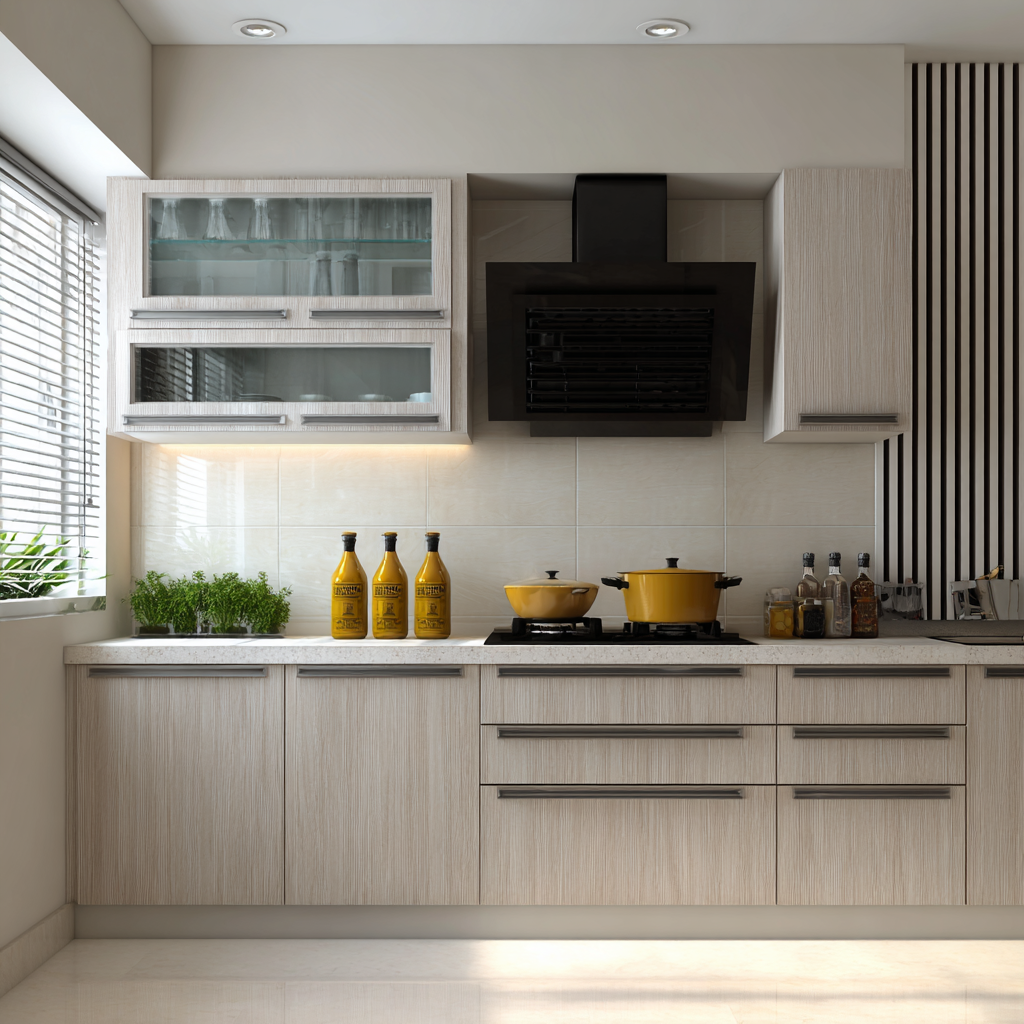
Let’s start with the basics, and understand just what a modular kitchen is all about. Modular kitchens are factory-made, cut to standard sizes, and assembled on-site. They’re neat, quick to install, and great if you like every nook and corner pre-planned. A non-modular kitchen, on the other hand, is built from scratch by local carpenters right in your home. Every shelf, cabinet, and corner is measured to suit your space, not adjusted to fit a pre-sized module.
When it comes to choice of materials, a modular design usually sticks to engineered materials, factory-cut boards, and standard finishes. Traditional non-modular kitchen designs, on the other hand, can use natural woods, masonry-based counters, hand-built storage, and creative customisation. You can have cornice work, intricate panels, lattice work, whatever takes your fancy. You trade speed for soul, but you gain a kitchen that breathes your personality. And isn’t that something that’s worth it?
Key Elements and Components of Non-Modular Kitchen Design
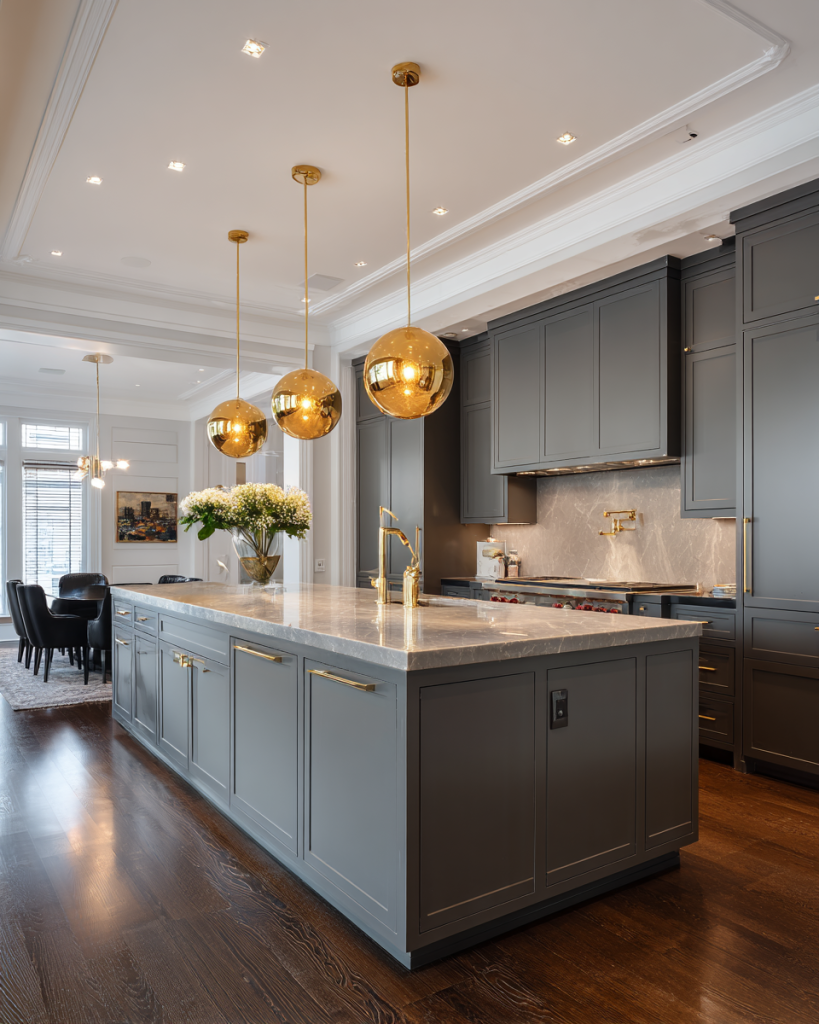
A simple non-modular kitchen design has some classic building blocks. You’ll usually find:
- Masonry or stone countertops built on-site. Granite is common in India for durability and heat resistance.
- Non-modular kitchen cabinets are measured and built specifically for your walls and floor plan.
- Wall-mounted storage and lofts for items that don’t need daily access.
- Optional custom touches like lattice panels, open niches, or mixed materials.
Does it sound like more work? It is, yes. But it also means that absolutely nothing is wasted. Every centimetre earns its keep.
Materials vary based on climate and budget. In humid areas, seasoned hardwood or marine-grade plywood is often chosen to fight moisture. In drier cities, natural woods like teak or sheesham are favourites. The material isn’t the hero here. The way you apply it is.
Popular Non-Modular Kitchen Ideas
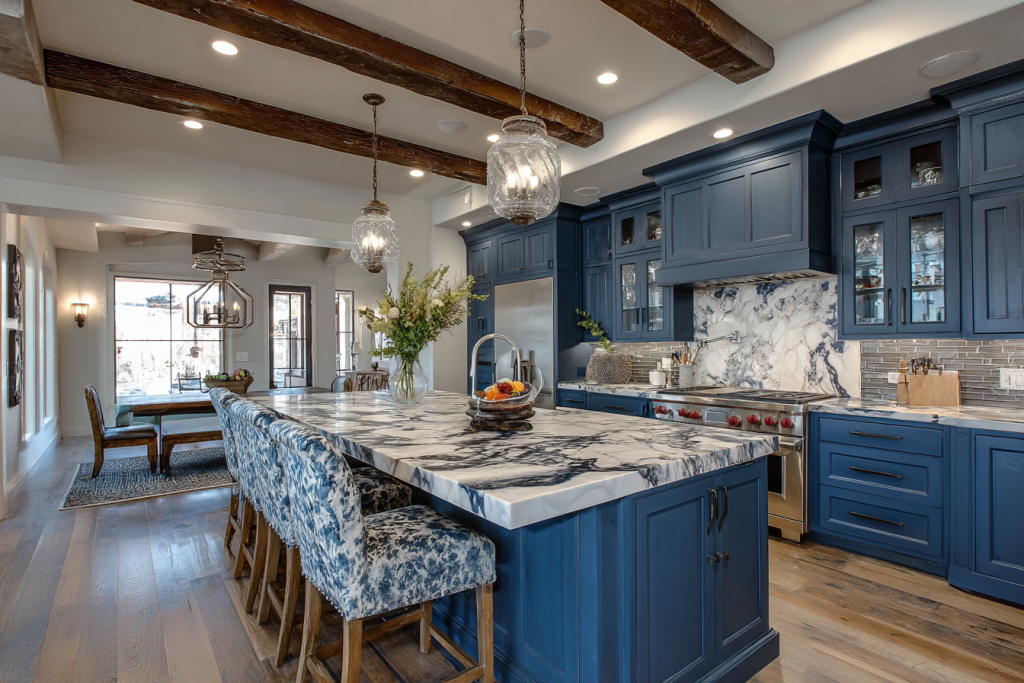
Non-modular kitchens don’t follow trends as much as lifestyles. Still, a few styles shine brightly in Indian homes:
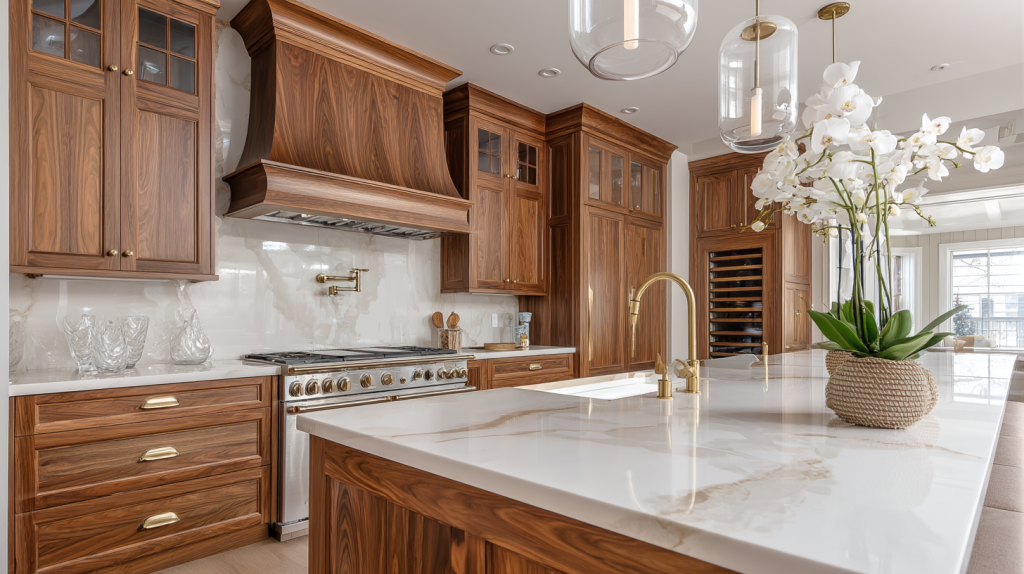
- Classic Indian Country Kitchens: Solid wood cabinets, visible grain, warm tones, and practical open shelving. These kitchens look inviting and add a traditional flavour.
- Minimal Masonry Kitchens: Smooth stone counters, simple carpentry below, uncluttered walls, and colour kept low-key. This is for the cook who likes clear counters and fewer distractions.
- Heritage-Inspired Kitchens: Carved wood details, brass handles, and patterned backsplashes. These kitchens honour tradition and add new-age functionality.
Which one matches your rhythm? The beauty is you don’t have to pick one entirely. You can blend as you please.
Planning Your Non-Modular Kitchen: A Step-by-Step Guide
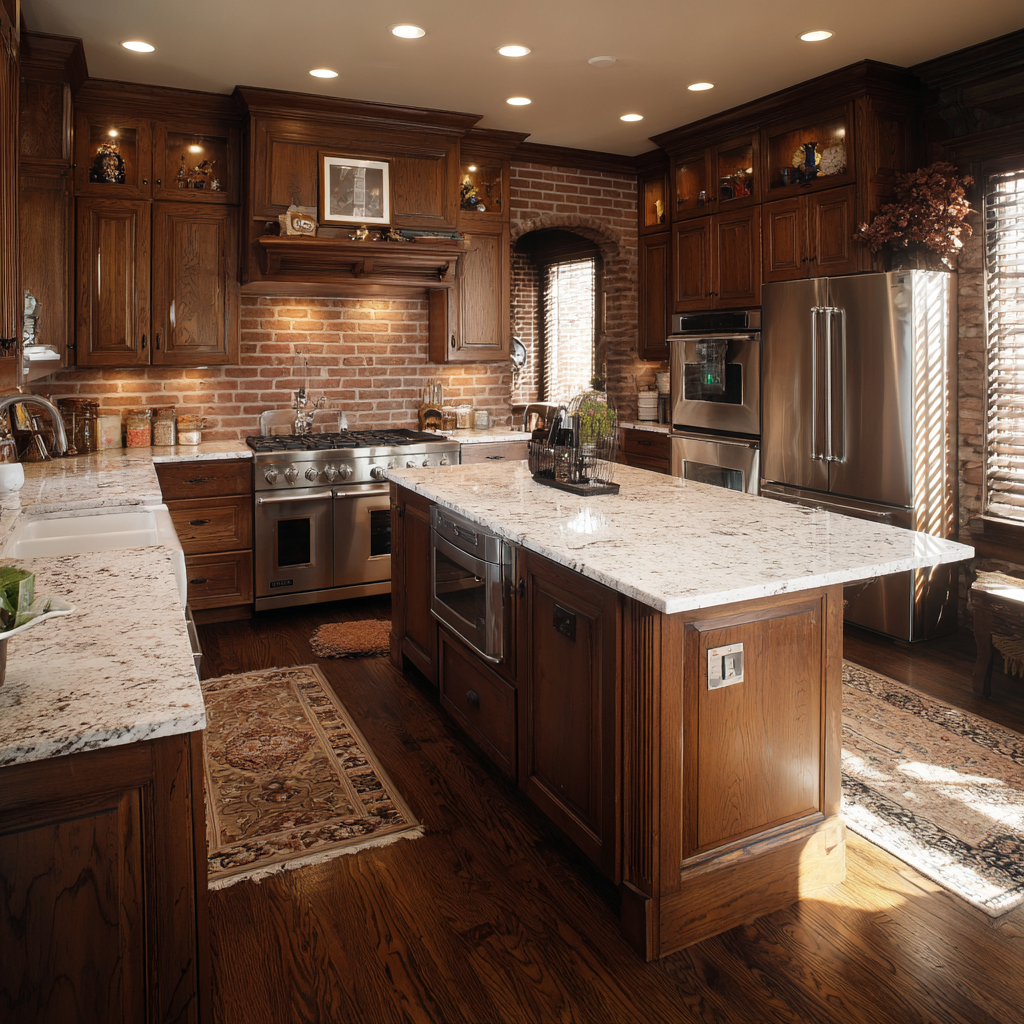
Let’s talk about planning. This is where the magic happens. Here’s a stepwise approach to help you design your non-modular kitchen:
Step 1: Plan your zones.
In your mind, map out the spaces where you’ll cook, wash, chop, store, and serve. Keep these zones close enough to move easily, but spaced out so you don’t keep bumping into everything.
Step 2: Set an ergonomic counter height.
Most counters are 34 to 36 inches high, but adjust it if you’re taller or shorter. Your back will appreciate the tweak.
Step 3: List electrical points early.
Note what needs power—chimney, hob, fridge, lights, mixer, chargers, coffee machine. Writing it down now saves you from cords cluttering up the space later!
Step 4: Choose cabinet wood.
Humid areas do best with a core of marine plywood or treated hardwood. Dry cities work well with seasoned wood. If termites or red ants are a local issue, make sure to go for treated boards.
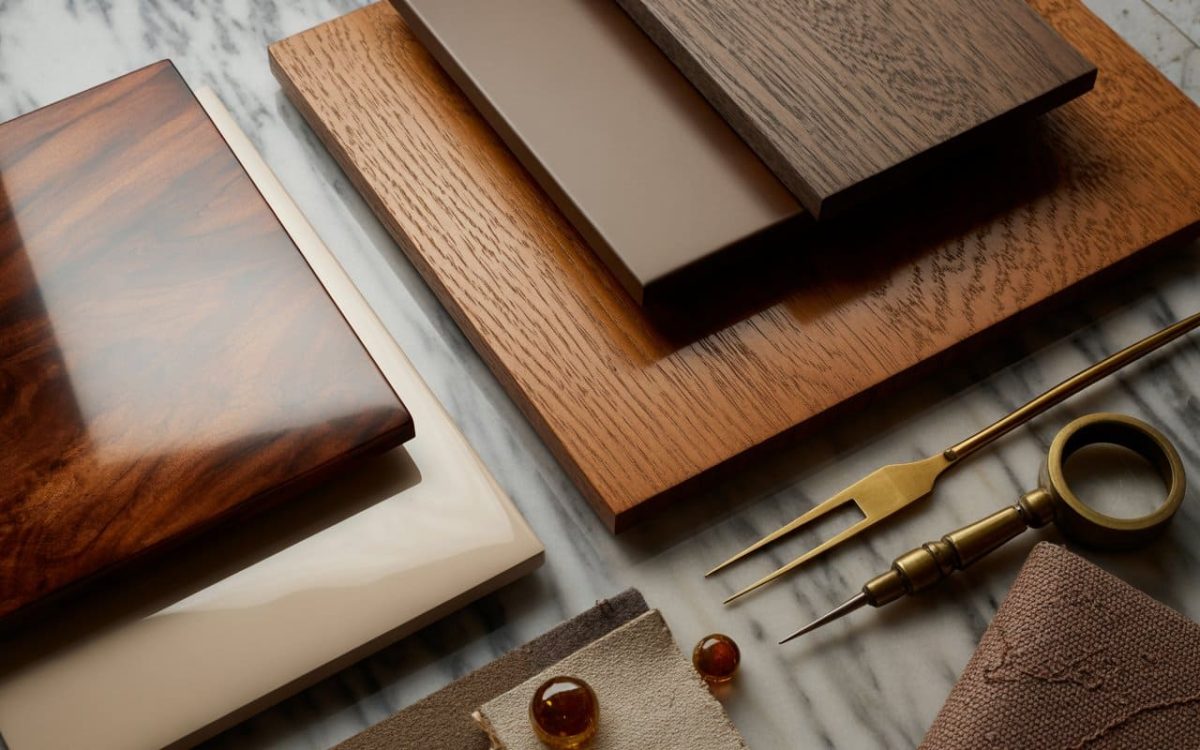
Step 5: Pick shutters you love.
Laminates are budget-friendly, also easy to clean. Veneer looks natural, but needs repolishing over time. Acrylic is shiny and high-end, but shows prints. PU paint is gorgeous, but needs gentle care.
Step 6: Use durable hardware.
Soft-close channels for quiet drawers, stainless steel baskets for moisture resistance, and sturdy hinges that can be swapped easily if needed.
See how it’s done? It’s all about planning around real use, not ideal use.
Advantages of a Well-Designed Non-Modular Kitchen
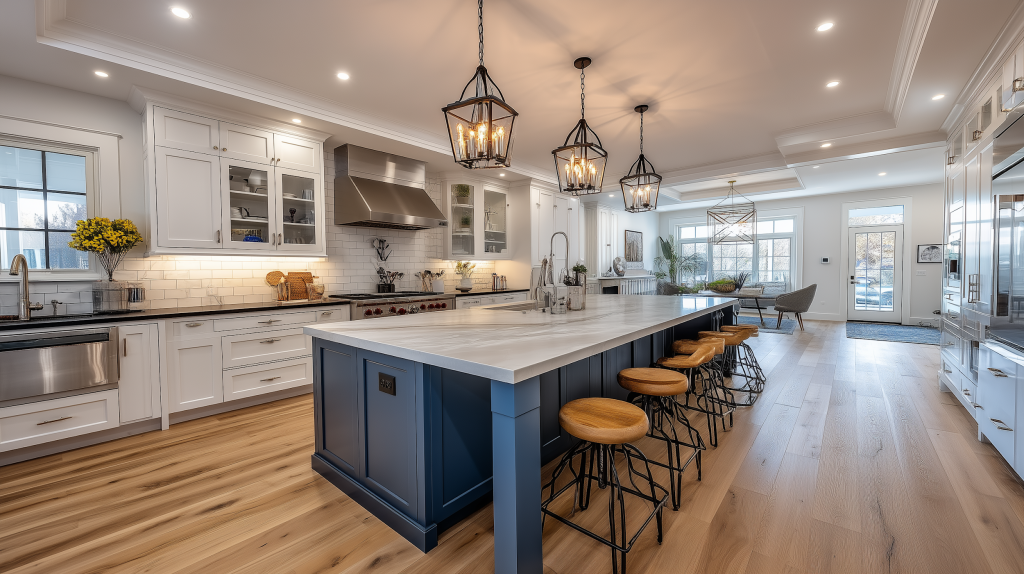
Why do so many families still trust a non-modular build? Because it offers advantages that feel personal:
- You customise every corner and every inch to suit your storage needs.
- It works with existing walls and plumbing points.
- Natural materials often age more gracefully than engineered ones.
- It is easier to repair one section without dismantling the entire kitchen.
- It can be more budget-friendly when planned wisely.
- It reflects local craftsmanship and cultural style.
- You have total control over materials, finishes, sizes, and accessories. Nothing is from a template.
- It’s not about cheap versus premium. It’s about smart versus generic.
Maintenance and Care for Non-Modular Kitchens
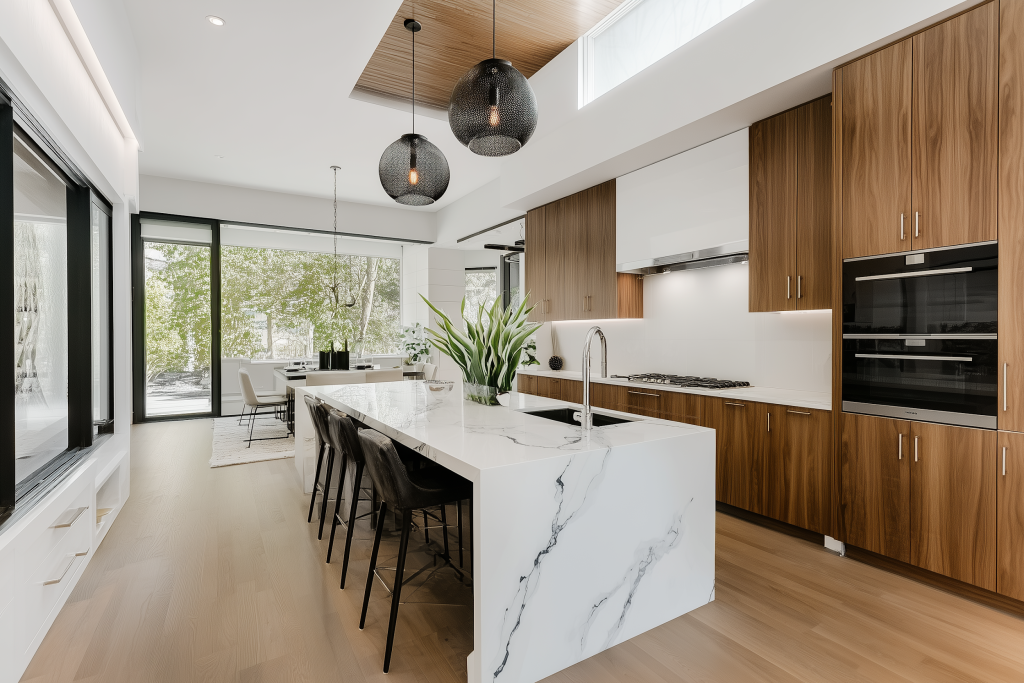
Here are practical tips:
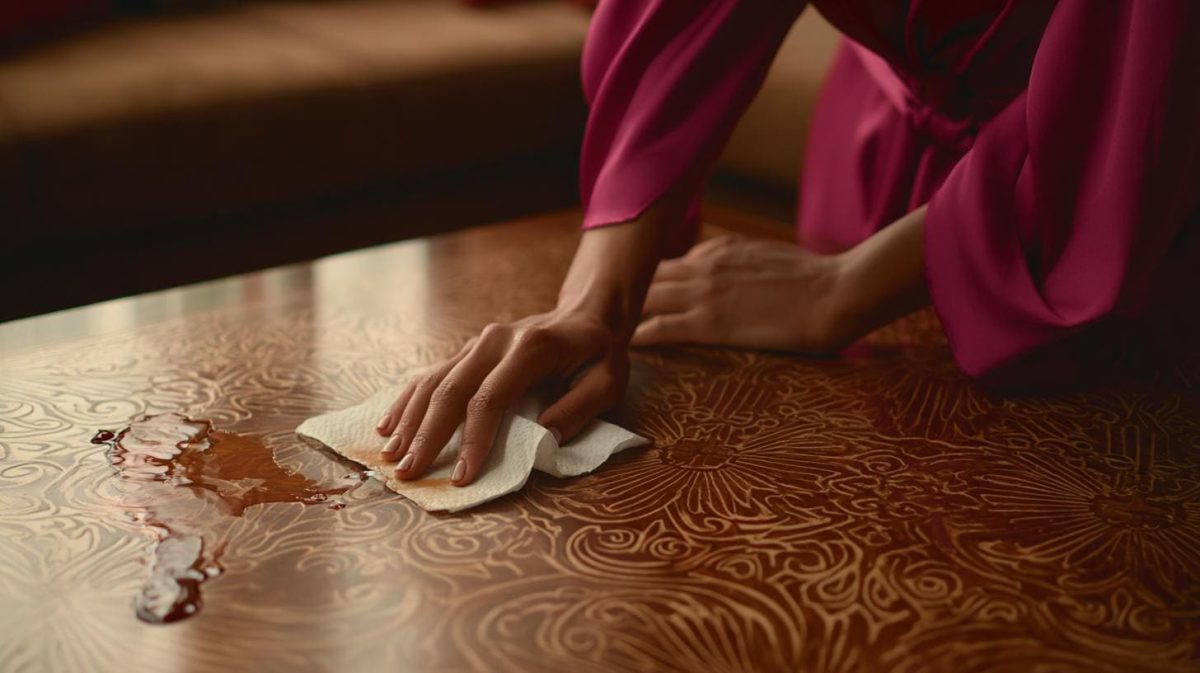
- Wipe down counters after cooking. A mild soap solution works just fine.
- Oil or polish natural wood shutters once or twice a year in humid climates to maintain moisture balance.
- Run a dry cloth around the sink area after every clean-up, to prevent water marks.
- Clean hardware weekly, so that grease doesn’t build up.
- Ventilate lofts and cabinets occasionally if you live in high-humidity regions.
Small habits keep the kitchen looking fresh for longer. No fuss. No drama.
A Kitchen That Feels Like Home!
Designing a non-modular kitchen is an act of trust. Trust in local hands, trust in your habits, and trust that your home deserves a space built around real life. If you plan well, it doesn’t just work harder, it works smarter, and looks warmer too. HomeLane can help you shape that vision into something that feels like home every single day.
Curious to see how a customised kitchen can change your mornings? Book a design session and find out.
FAQs
1. How to arrange a non-modular kitchen?
Non-modular kitchen organisation has no set rules. Plan zones, keep daily items at counter level, and use lofts for seasonal storage.
2. How to decorate a non-modular kitchen?
Use functional décor like ceramic jars, light plants, and washable backsplashes.
3. How do I ensure good quality in a non-modular kitchen?
Choose termite-treated, seasoned wood or marine plywood based on climate.
4. Is a non-modular kitchen cheaper than a modular one?
Often yes, especially when built by local carpenters with smart material choices.
5. What are the best materials for non-modular Indian kitchen cabinets?
Marine plywood for humidity, termite-treated hardwood for longevity, and stainless steel hardware to avoid rust.












 EXPLORE MORE