Top 5 Interior Design Trends for 2026 That Inspire the Homes of Tomorrow
By Bivin Peter- January 21, 2026
When you hear “futuristic interior design,” do you picture cold, sterile spaces filled with intimidating gadgetry? For 2026, nothing could be further from the truth. The future of home design is not about mimicking a spaceship; it’s about creating intuitive, responsive, and deeply personal sanctuaries. The upcoming trends are a sophisticated fusion of cutting-edge technology and timeless human-centric principles.
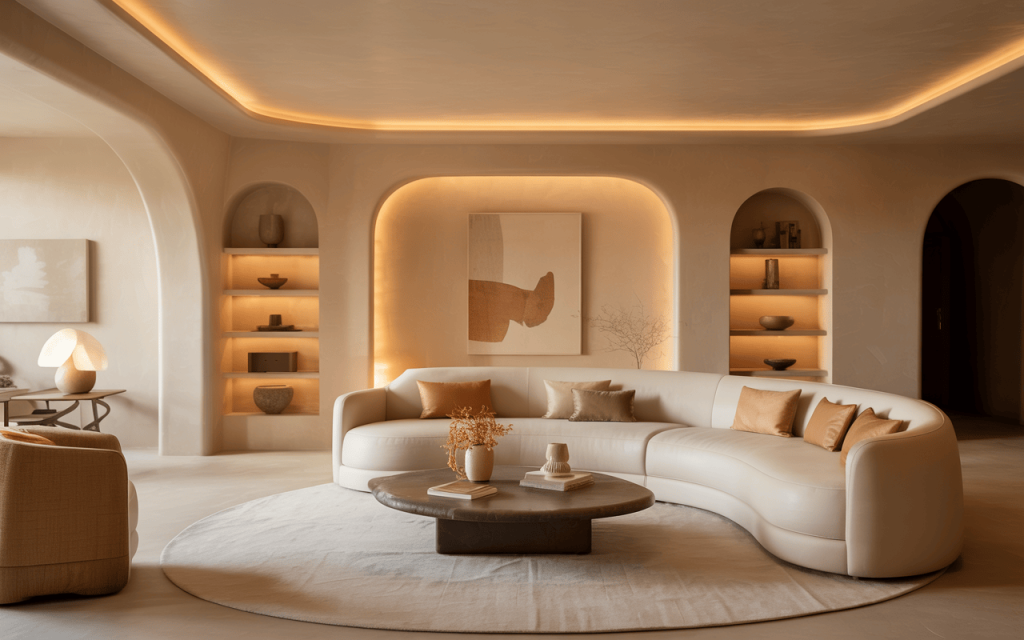
Latest interior design featuring soft lighting and modern curved decor style
This evolution in interior design styles moves beyond aesthetics to focus on wellness, adaptability, and environmental harmony. So, what truly defines a futuristic home as we look ahead? It is a space that thoughtfully anticipates your needs, engages your senses, and reflects a conscious lifestyle—all while exuding effortless elegance. Let’s explore the five key trends that are setting the standard for the best interior design approaches in 2026.
What Defines a Futuristic Home in 2026?
The hallmark of futuristic interior design in 2026 is a seamless, almost invisible, integration. Technology recedes into the background to serve well-being, while natural elements and artisanal craftsmanship take centre stage. It’s a shift from the “smart home” to the “wise home”—a space that uses data and innovation not for show, but to enhance daily life, comfort, and sustainability. This philosophy results in types of interior design that are adaptive, personal, and grounded. Think of surfaces that change texture with a touch, furniture that moulds to your body, and ambient systems that purify air and adjust lighting based on your circadian rhythm. The goal is to create an environment that feels both magically intuitive and warmly familiar, proving that the best home interior design is that which makes technology feel human.
Gone are the days of rigid, one-dimensional trends. The leading interior design themes for 2026 are interconnected, each contributing to a holistic living experience. Here are the five movements reshaping modern spaces.
1. Organically Flowing Wooden Silhouettes
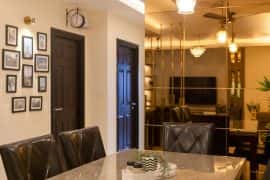
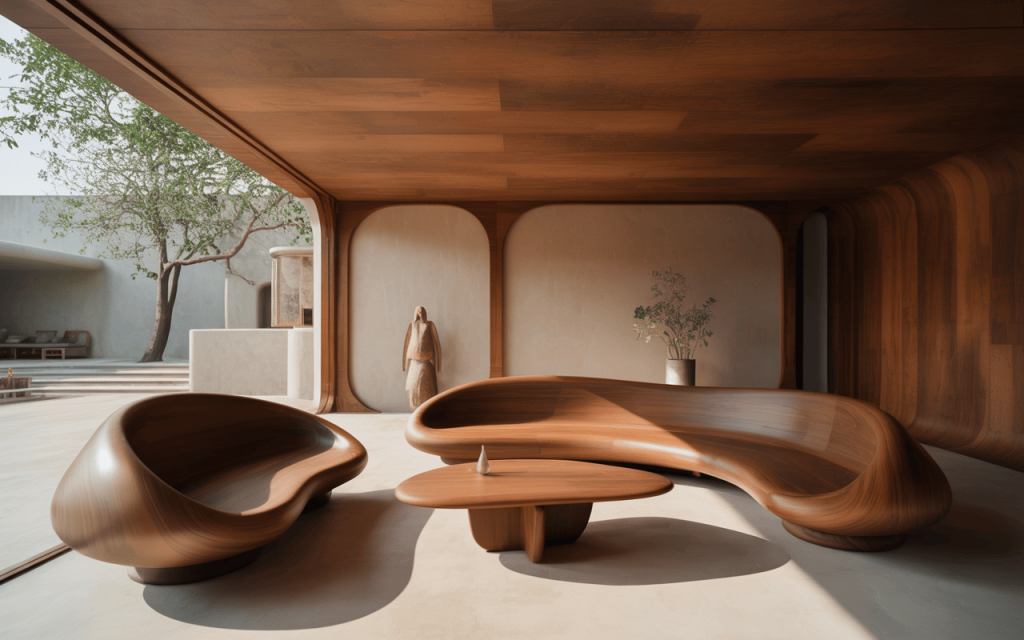
Best interior design showcasing natural wood aesthetics and modern organic style
The relentless straight lines and sharp corners of contemporary minimalism are giving way to soft, fluid forms. This trend features furniture and architectural elements with graceful, continuous curves that mimic organic shapes found in nature. Advanced woodworking allows for seamless, sculptural pieces—like a sofa that appears to flow from wall to floor or a dining table with a gently sloping base. This trend in modern interior design is a direct response to a desire for visual and physical comfort, creating spaces that feel protective, nurturing, and inherently calm.
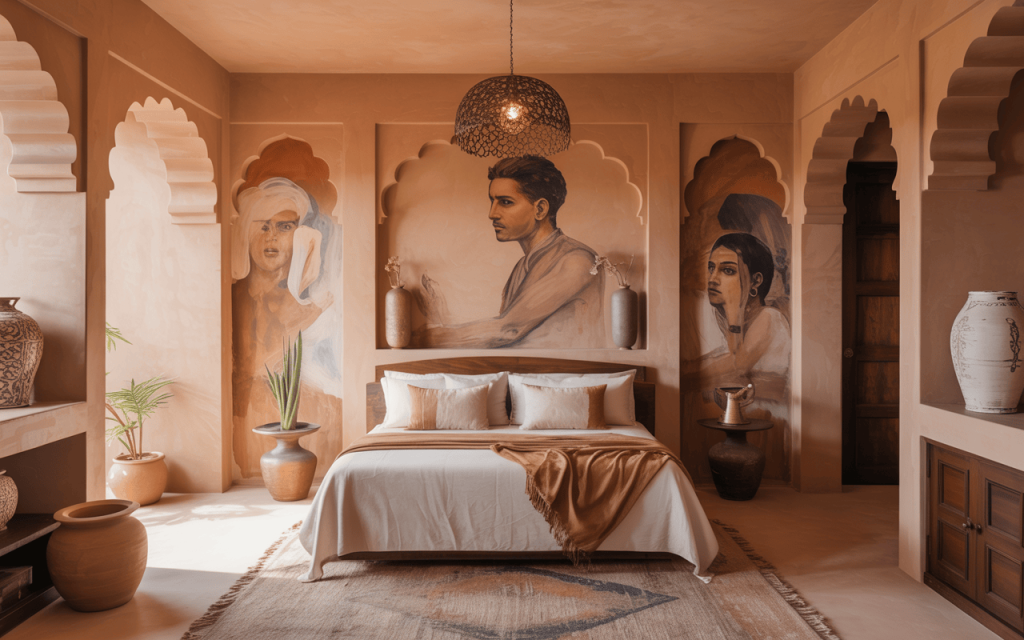
In a delightful counterpoint to digital precision, 2026 celebrates the human hand. “Freehand Artistry” brings deliberate spontaneity to surfaces through brushstroke-patterned walls, hand-sculpted plaster finishes, and ceramics with visible crafting marks. This trend champions uniqueness and narrative, ensuring no two homes look alike. It introduces soul and character into the interior design, reminding us that beauty often lies in gentle irregularity. It’s a core component of the interior design styles that prioritise emotional resonance over sterile perfection.
3. Modular and Multifunctional Lighting Ecosystems
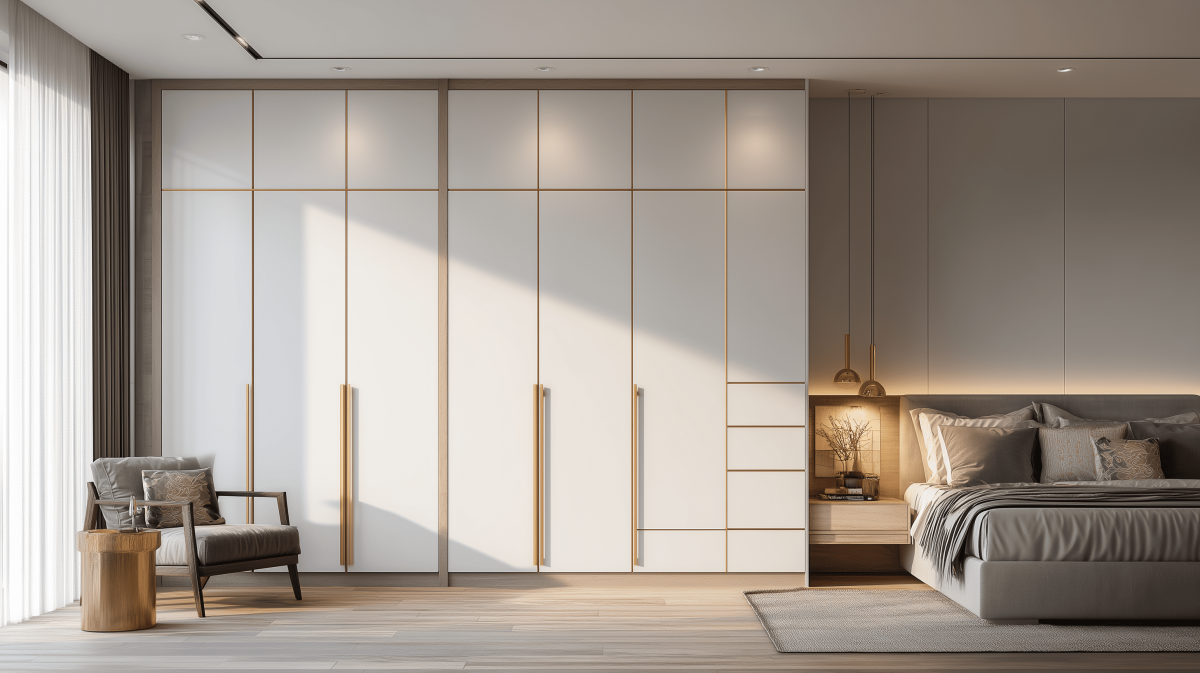
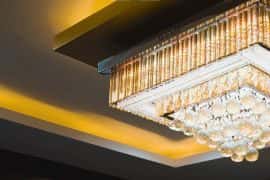
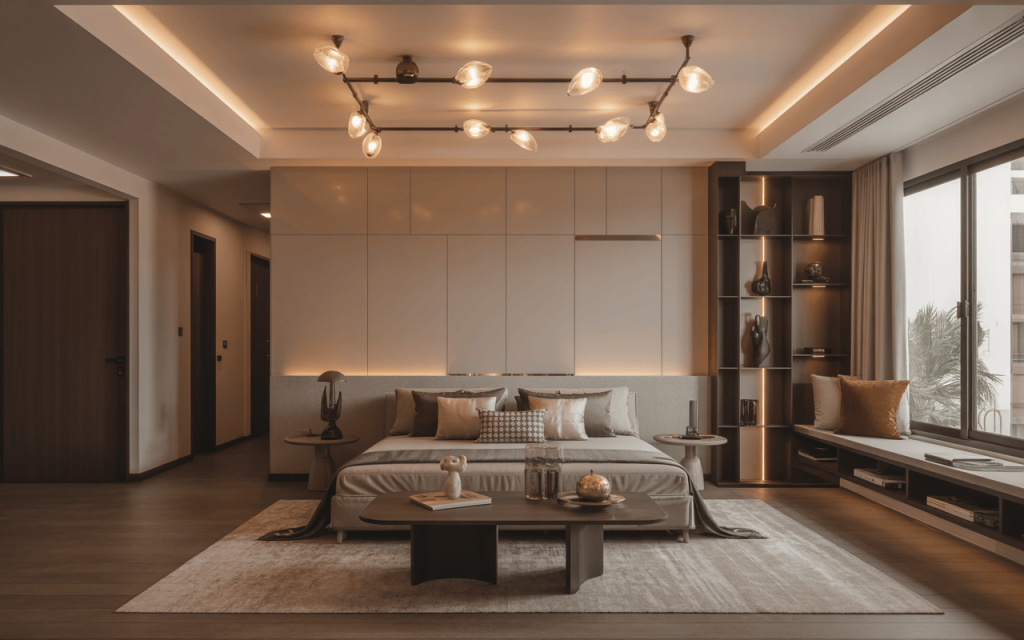
New home interior design featuring cozy lighting and sleek modern bedroom style
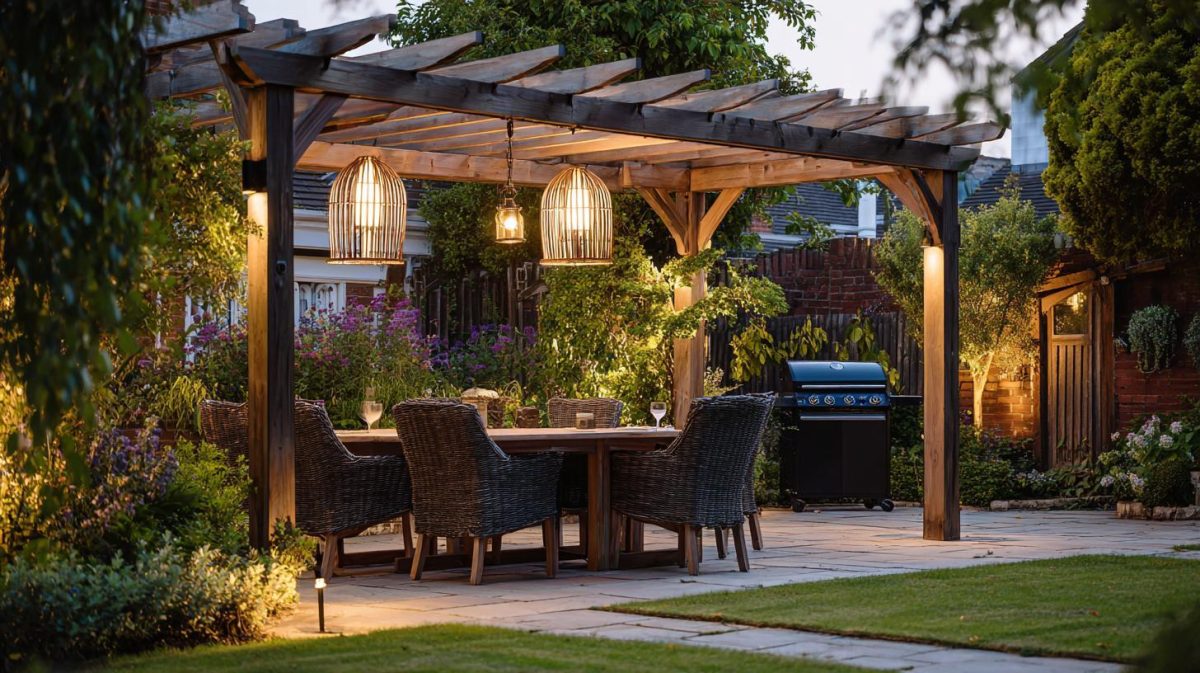
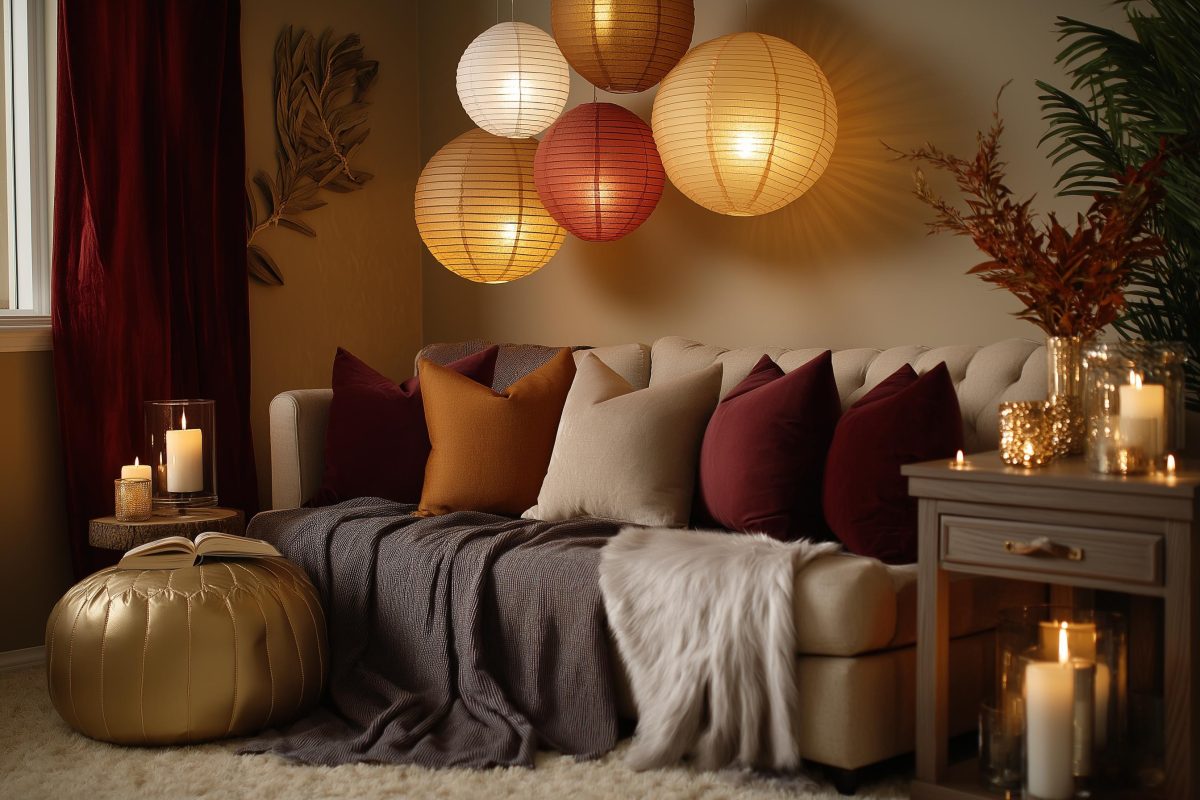
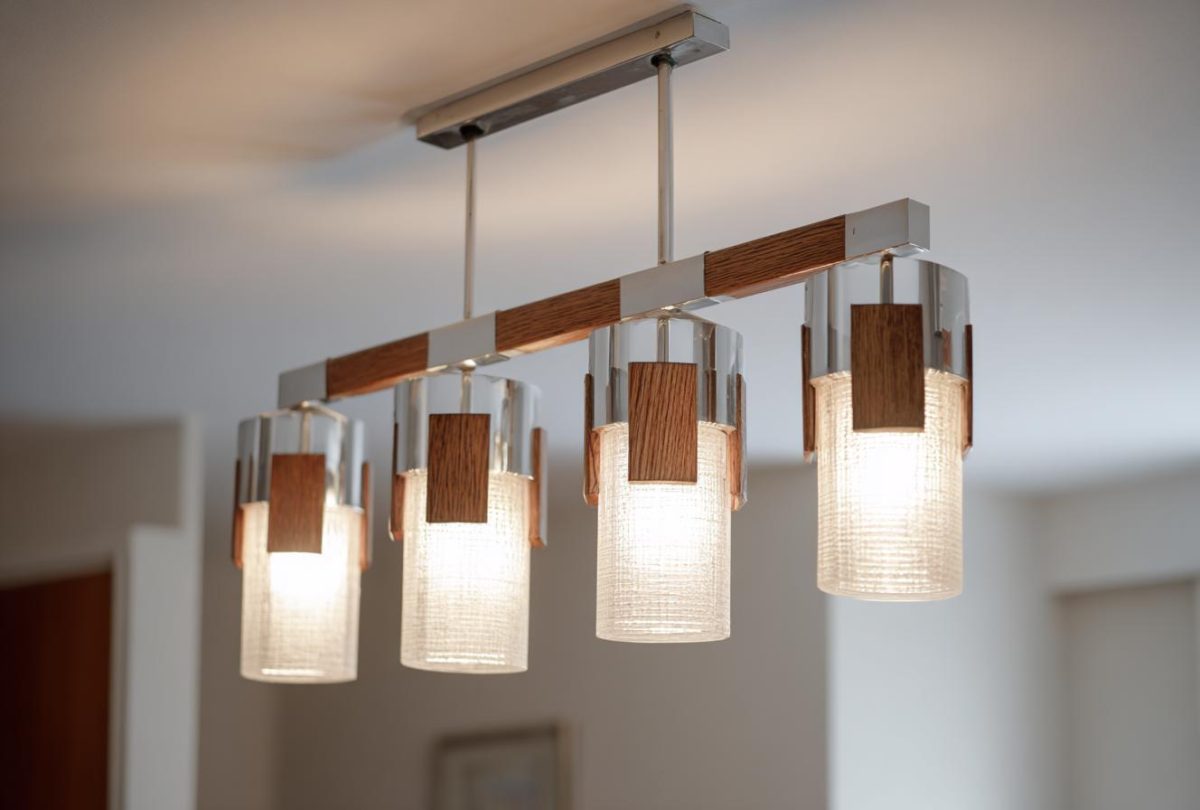
Lighting is no longer just functional; it’s a dynamic, architectural component. The trend is towards modular systems where individual LED units, shades, and tracks can be rearranged to suit different moods and needs. Imagine a ceiling fixture that can be configured as a focused reading light one evening and a diffused ambient glow the next. These systems often blend materials like blown glass, fabric, and metal, serving as both a light source and a kinetic sculpture. This adaptive approach is key to versatile, future-ready interior design.
4. Algorithmic Ergonomics and “Fat Furniture”
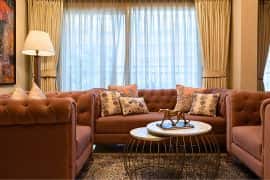
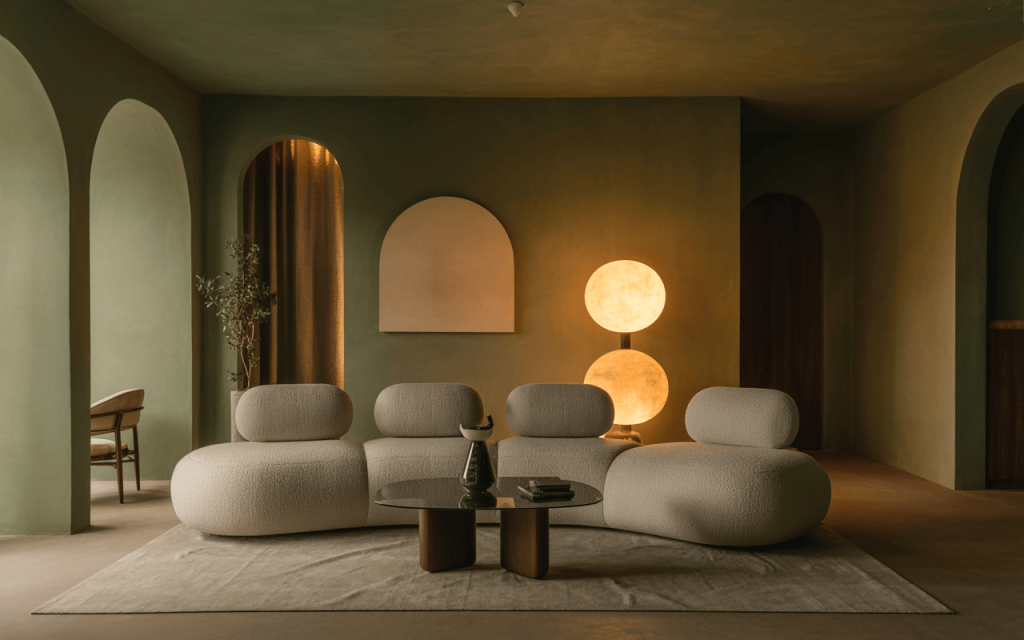
Latest interior design trends highlighting soft tones and modern curved furniture
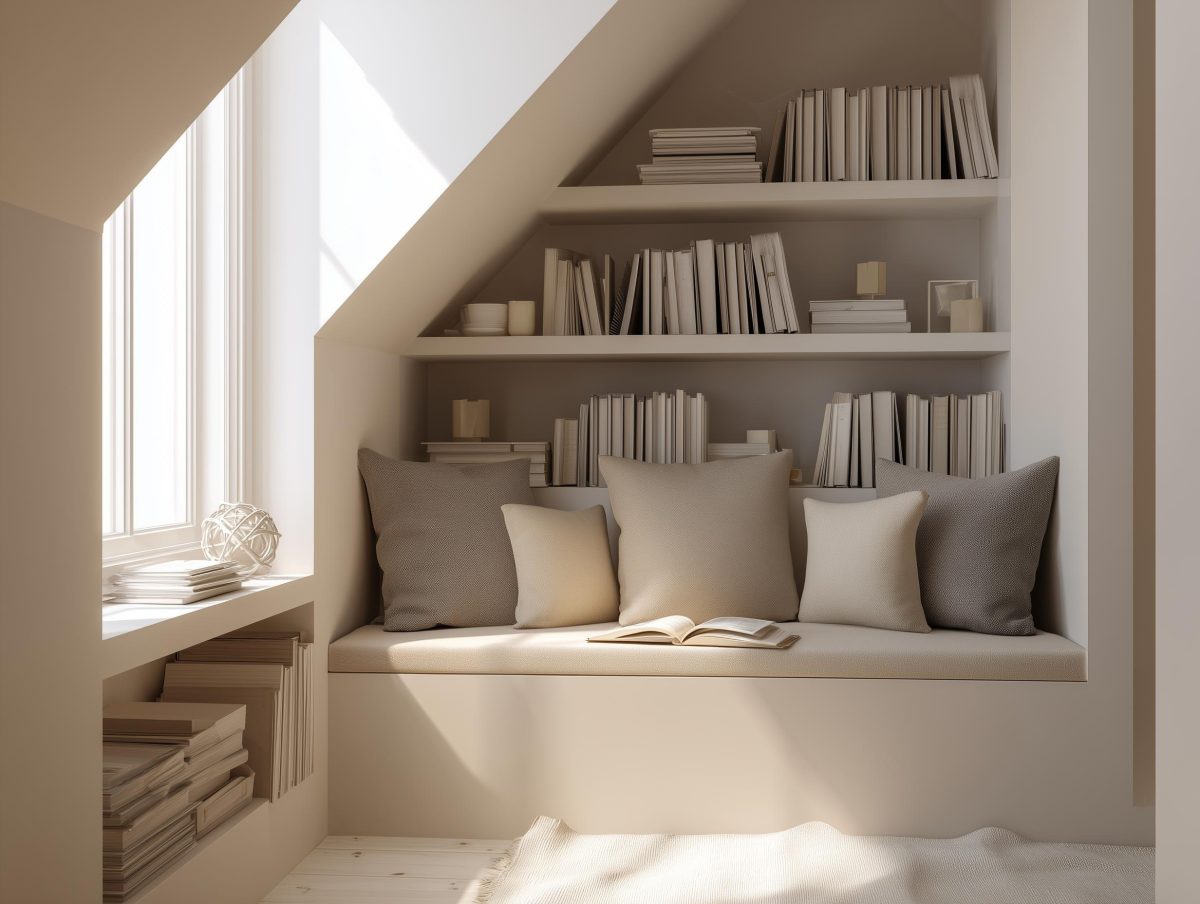
Comfort reaches new depths with data-driven design. “Algorithmic Ergonomics” uses studies of body posture and pressure points to engineer seating that provides unparalleled, intuitive support. This science pairs perfectly with the rise of “Fat Furniture”—plush, oversized sofas and chairs that are voluptuous in form and deeply comforting. These pieces are sculptural islands of comfort, encouraging relaxation and social connection. They represent a shift in interior design themes towards ultimate physical well-being and tactile luxury.
5. Sustainable Luxury and Tech-Integrated Nature
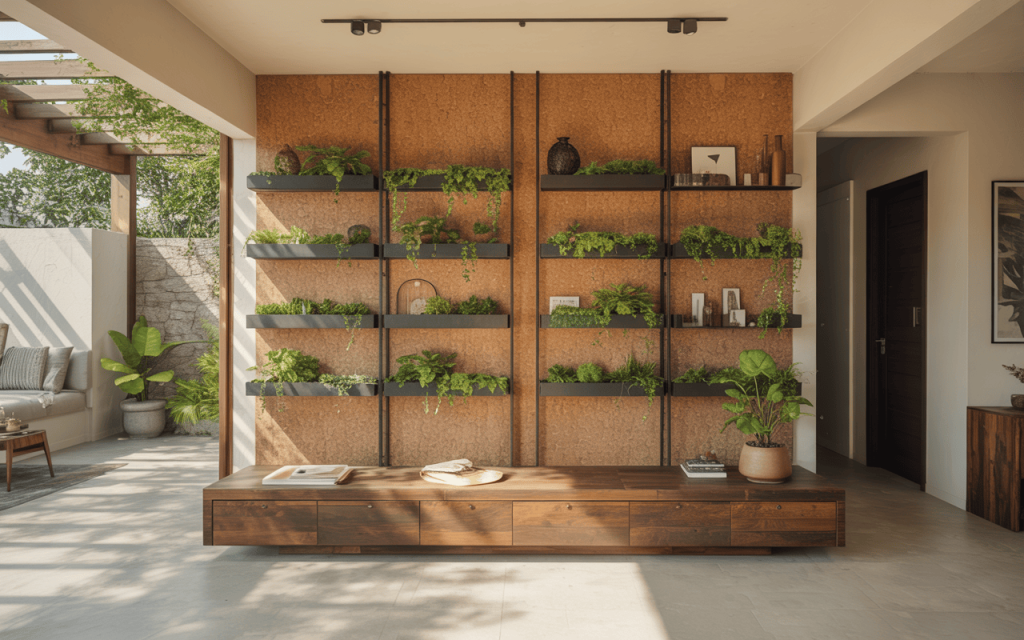
Types of interior design featuring natural wood and indoor greenery wall decor
This is the most significant trend, where ethics meet aesthetics and innovation. Sustainability evolves from a feature to a foundational principle, expressed through interior design that uses reclaimed materials, traceable origins, and circular production methods. Technology amplifies this by integrating it seamlessly: think of AI-powered indoor herb gardens built into kitchen panels, or smart surfaces made from recycled cork that regulate humidity. This trend creates a living environment that is not only luxurious and beautiful but also actively contributes to personal and planetary health.
To visualise how these elements work together, consider the following integration in a living space:
Colour and Material Trends for 2026
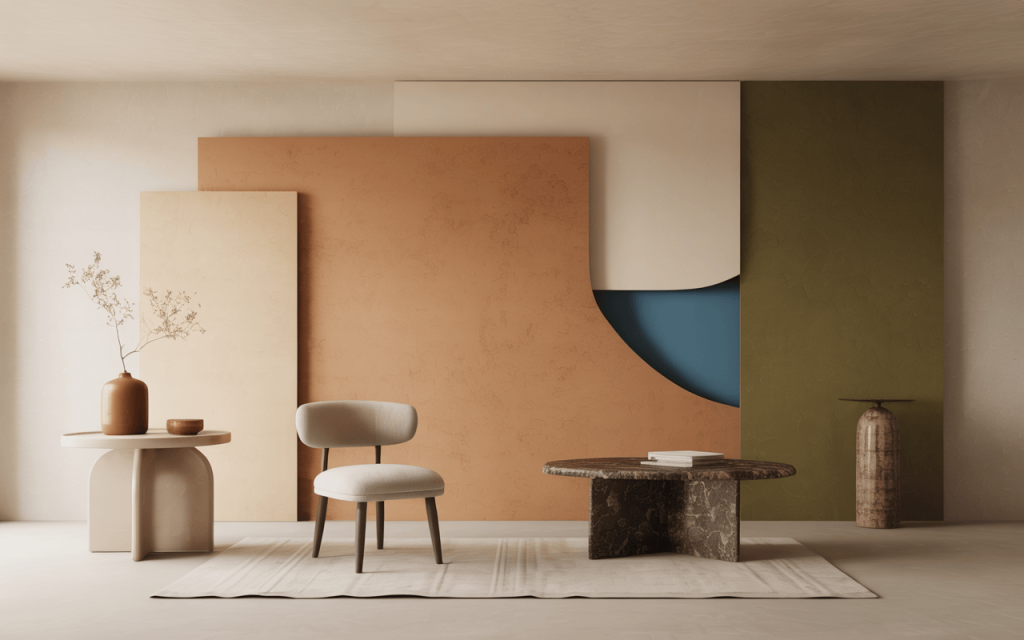
Latest interior design trends showcasing warm tones and modern geometric decor
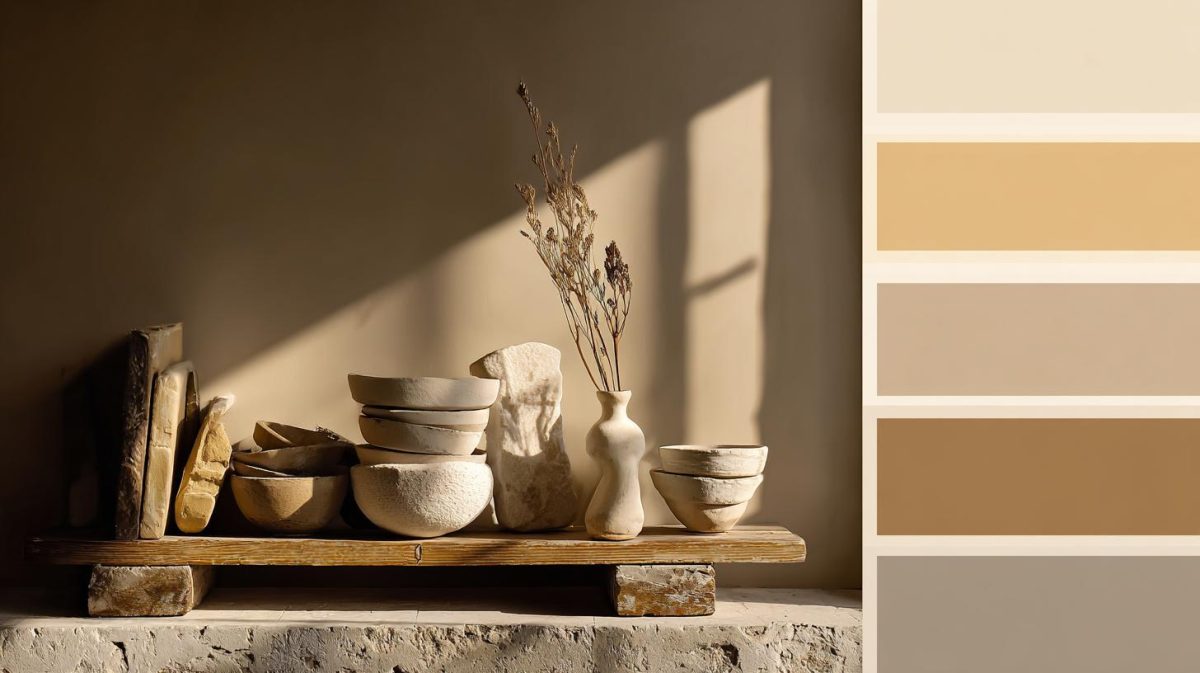
The palette for these futuristic spaces is rich and grounded. Expect a strong emphasis on Cremèle Neutrals—warm, creamy beiges and caramels that replace cooler greys, providing a soft, enveloping backdrop. These are balanced with Earth-Anchored Hues like terracotta, olive green, and clay, which connect the interior to the natural world. For bold statements, Electric Saturation in controlled doses—think a lacquered cabinet in vivid cobalt or a pop of bright magenta—adds dynamic energy.
Materials are chosen for their story and sensation. Predominant finishes include:
Reclaimed and Repurposed Elements: Wood with a past life, recycled metals, and composite stones made from industrial waste.
Nature-Mimicking Surfaces: 3D wall coverings that resemble bark or woven textiles that echo flowing water.
Dreaming of a Home That’s Both Futuristic and Warmly Inviting?
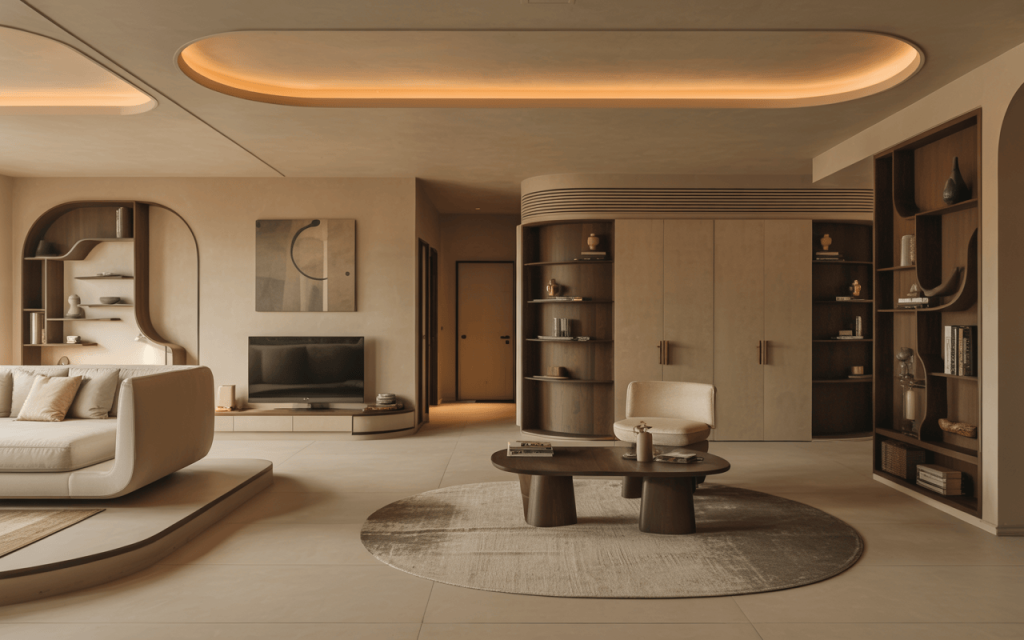
Best home interior design featuring warm tones and stylish curved architecture
A future-ready home doesn’t require cold technology or sacrificing comfort—it thrives on the perfect synergy between innovation and soulful design. It is entirely possible to craft a space that is smart, sustainable, and deeply personal, even within the framework of a modern apartment or a traditional Indian villa.
At HomeLane, we help you build this vision from the ground up. Our experts specialise in integrating seamless technology and forward-thinking interior design principles with the cultural nuances and functional needs of the Indian home. Let’s collaborate to transform your space with intelligent, excellent design that will resonate for years to come.
FAQs On Futuristic Interior Design Trends for 2026
1. What are the top interior design trends for 2026?
The top trends are a blend of high-tech and high-touch. Key movements include organically flowing wooden furniture, freehand artistry on walls and surfaces, multifunctional modular lighting, algorithmically designed ergonomic seating (often called “fat furniture”), and sustainable luxury that integrates technology like AI-powered indoor gardens.
2. Which colours will dominate home interiors in 2026?
Warm, creamy neutrals like beige and caramel are replacing cooler greys as the dominant base. These are complemented by earthy tones such as terracotta, clay, and olive green. For bold accents, highly saturated electric blues, bright greens, and hot pinks are being used in daring but controlled ways.
3. What furniture styles are trending in 2026 interiors?
The leading styles focus on comfort and fluidity. “Fat furniture”—plush, oversized, and deeply cushioned pieces—is dominant for seating. Silhouettes are increasingly curved and organic, with flowing lines that mimic natural shapes. There is also a strong trend towards multifunctional and modular designs that adapt to different needs.
4. What are the latest lighting design trends for 2026 homes?
Lighting is becoming architectural and adaptable. The biggest trend is modular lighting ecosystems, where individual components can be rearranged to change the fixture’s function and form. There is also a strong emphasis on sculptural pieces that use a mix of materials like glass, metal, and fabric to create dramatic focal points.














 EXPLORE MORE