Navratri Nine Colours 2026 with Day Wise Goddess Meaning and Festive Guide
By Bivin Peter- January 05, 2026
Have you ever noticed how colours change your mood? A crisp white kurta brings calm, while a bright red saree fills you with energy. Now imagine wearing colours that are not just stylish but spiritually charged—each carrying divine blessings. That is the magic of the nine colours of Navratri.
Navratri nine colours significance with goddess day wise festive decor
Navratri, one of India’s most celebrated festivals, is about more than fasting, dance, and devotion. It’s a cosmic journey through nine days, each linked to a goddess and marked by a symbolic colour. These shades, known as the colours for 9 days of Navratri, are not mere tradition; they guide energy, foster positivity, and invite luck into daily life.
Let us explore the colours, their meanings, and practical ways to weave them into celebrations, attire, and even homes.
The Sacred Tradition of Navratri and Its Colours
Navratri translates to “nine nights,” during which devotees worship the nine forms of Goddess Durga, known as Navadurga. Each form embodies a unique power, from courage and compassion to wisdom and fulfilment.
The Navratri colours and goddess traditions are not arbitrary. They are influenced by planetary alignments and the starting weekday of Navratri. Observing them is said to synchronise earthly lives with cosmic energies, bringing balance to mind, body, and home.
Participating in the navratri days colours also adds a strong sense of cultural identity. Thousands of women and men across states come together each day with a shared visual expression—draped in colours that reflect both devotion and unity.
Nine Colours of Navratri Day by Day
Day 1 – White Symbolises Peace and Purity
Navratri day wise colours significance with goddess names and meaning
Goddess: Shailaputri, “Daughter of the Mountains,” worshipped as the embodiment of Mother Nature.
Meaning: White represents purity, spiritual focus, and a calm mind. Starting Navratri with white signifies cleansing old energies and beginning with clarity.
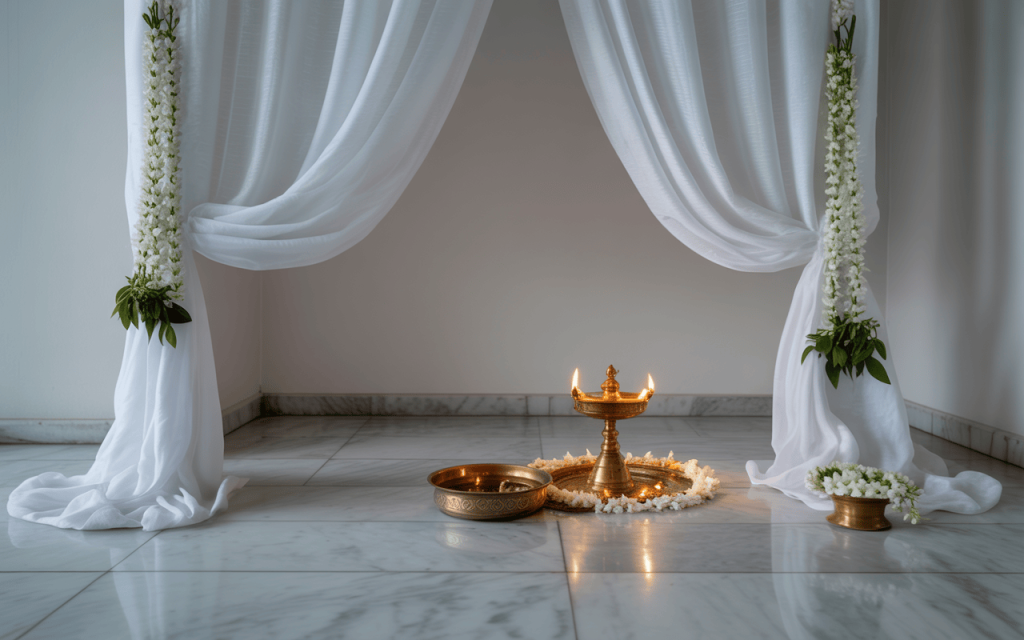
Application: On this day, devotees wear white sarees, kurtas, or lehengas. Homes are decorated with white flowers, and puja mandaps are draped in simple fabrics. White also helps create a tranquil setting for soulful prayers.
Day 2 – Red Symbolises Courage and Strength
Red colour significance in Navratri nine days goddess festive tradition
Goddess: Brahmacharini, the ascetic form of Durga, symbolising discipline and perseverance.
Meaning: Red is one of the most powerful navratri colours. It embodies empowerment, passion, and vitality.
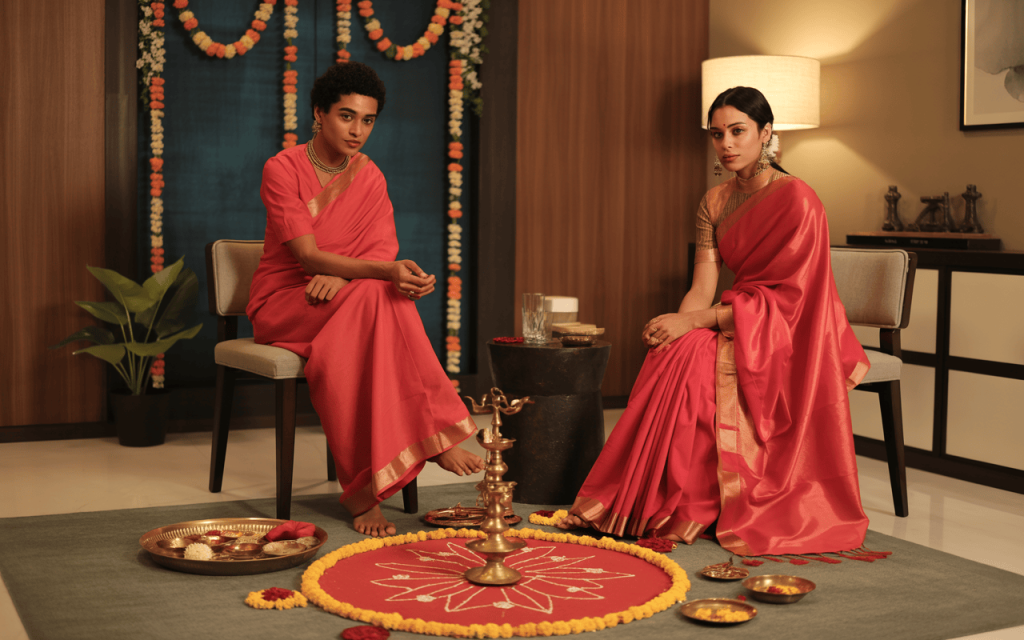
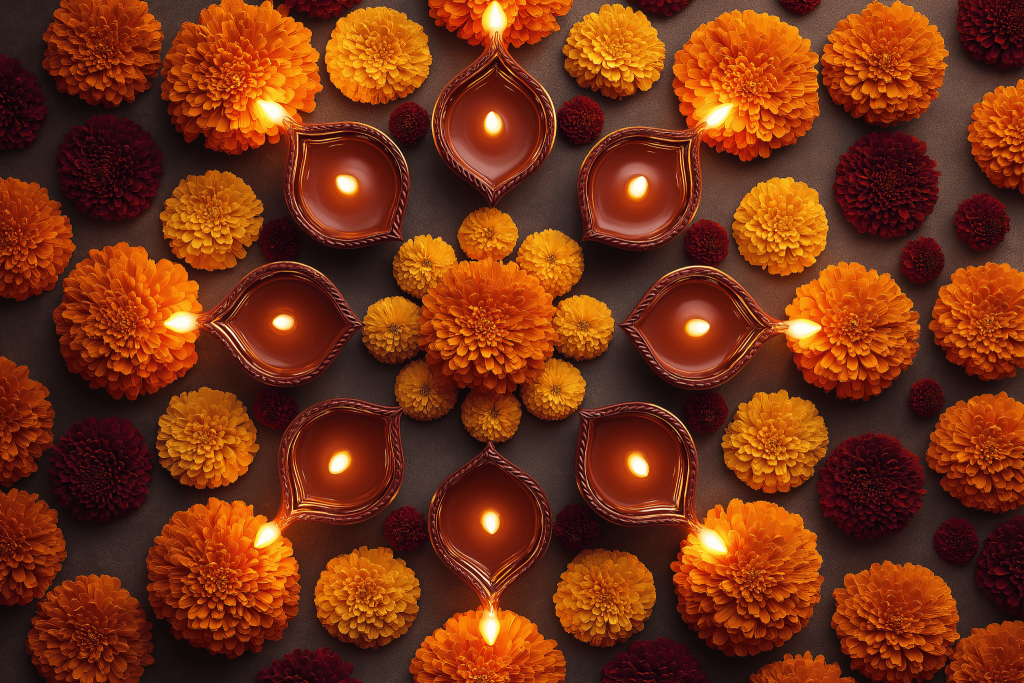
Application: Women adorn red bangles, bindis, and sarees; men wear red scarves or kurtas. Red also lights up festive nights with vibrance—through rangolis, diyas, or decorative drapes at home.
Day 3 – Royal Blue Symbolises Prosperity and Grace
Blue colour significance in Navratri nine days goddess festive celebration
Goddess: Chandraghanta, worshipped for bravery and grace, her crescent moon resembling a bell.
Meaning: Royal blue suggests depth, financial stability, and divine protection.
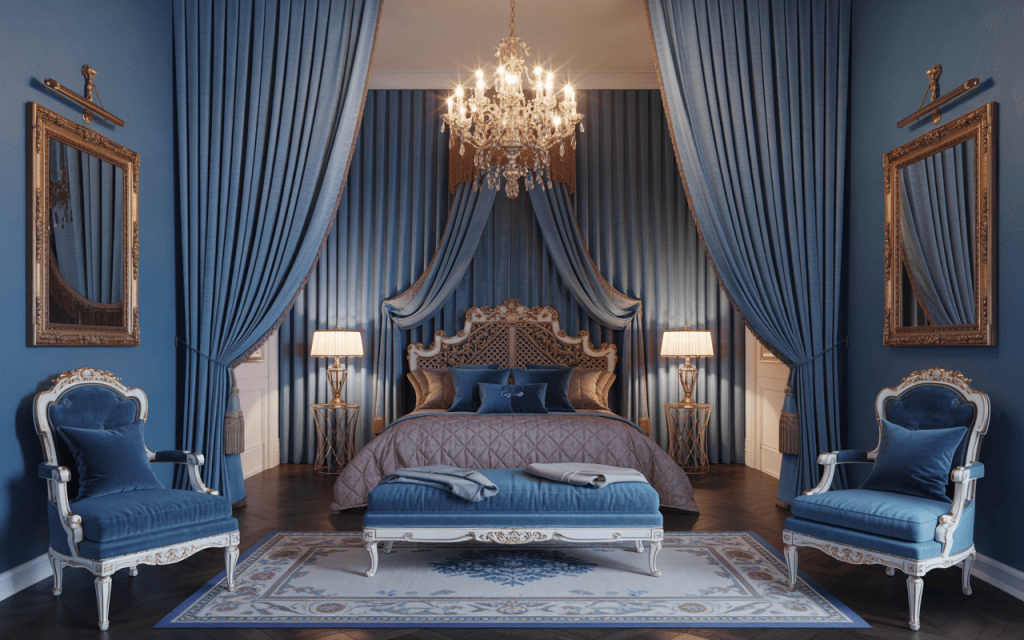
Application: Those who wish for career success or stable finances prefer this shade. Fabrics in rich silks or satins add grandeur, while royal blue wall hangings during pujas create a majestic backdrop.
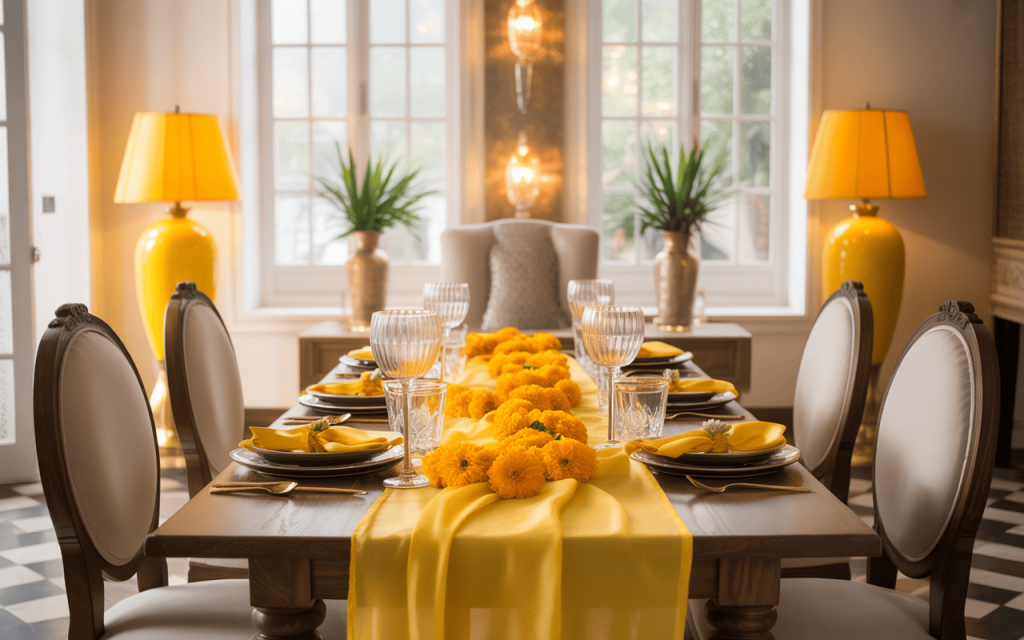
Day 4 – Yellow Symbolises Happiness and Positivity
Yellow colour significance in Navratri nine days goddess festive rituals
Goddess: Kushmanda, believed to be the creator of the universe with her radiant smile.
Meaning: Yellow is associated with sun energy—laughter, vitality, and cheerfulness.
Application: Homes glow with marigold torans and lemon lamps. People wear yellow sarees, dresses, or kurtas, uplifting the atmosphere with joy and optimism. Yellow kitchens or dining rooms also inspire happy family moments.
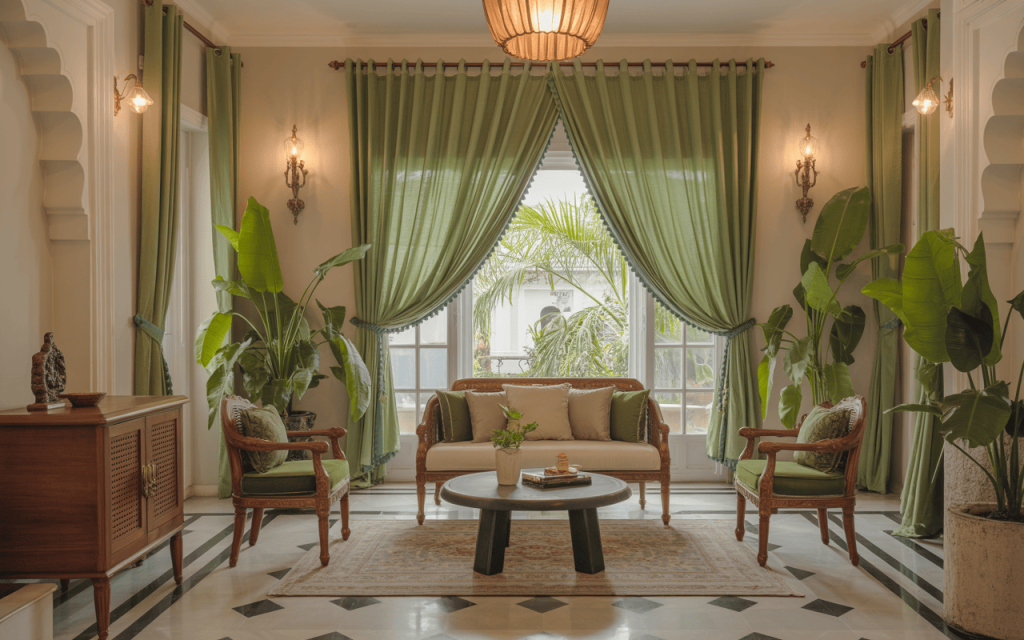
Day 5 – Green Symbolises Growth and Renewal
Green colour significance in Navratri nine days goddess festive blessings
Goddess: Skandamata, the nurturing mother of Lord Kartikeya.
Meaning: Green reflects fertility, compassion, and eternal growth.
Application: Decked in green attire, devotees celebrate family bonding and new beginnings. Green also extends into decor with indoor plants or lush garlands symbolising abundance. This makes it one of the most versatile colours of nine days in Navratri.
Day 6 – Grey Symbolises Balance and Inner Strength
Grey colour significance in Navratri nine days goddess festive meaning
Goddess: Katyayani, symbolised as the fierce warrior goddess who destroys evil.
Meaning: Grey expresses wisdom, restraint, and balance of emotions during storms.
Application: Grey may seem muted, but it carries elegance when paired with silver jewellery or metallic hues. For homes, grey cushions, rugs, or floor runners create a modern yet grounding atmosphere.
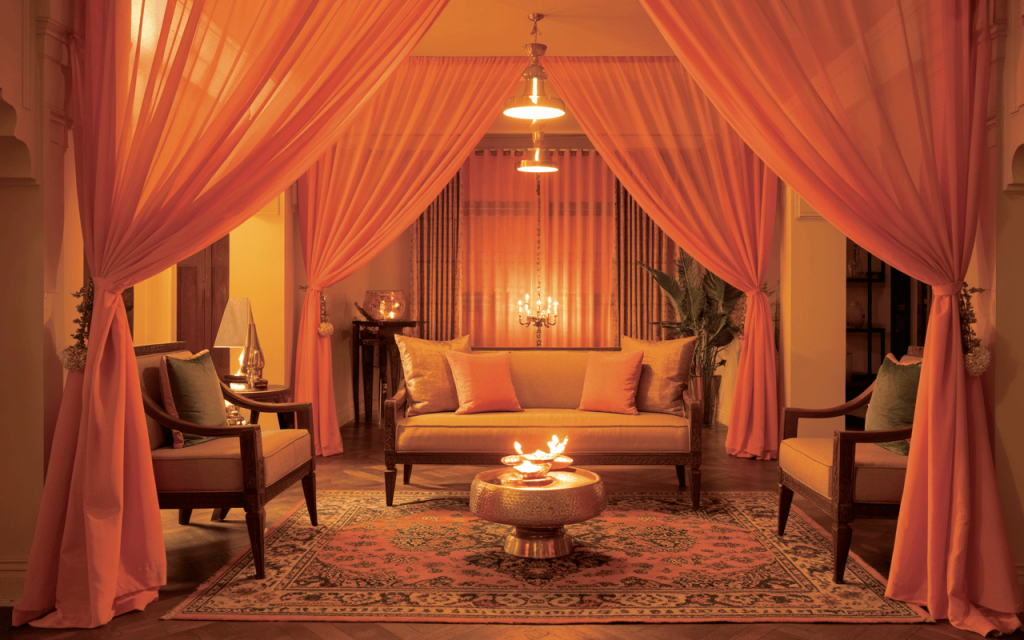
Day 7 – Orange Symbolises Enthusiasm and Transformation
Orange colour significance in Navratri nine days goddess festive devotion
Goddess: Kalaratri, the fiercest form of Durga, known for destroying negativity.
Meaning: Orange expresses fire, courage, and boundless enthusiasm to face life’s battles.
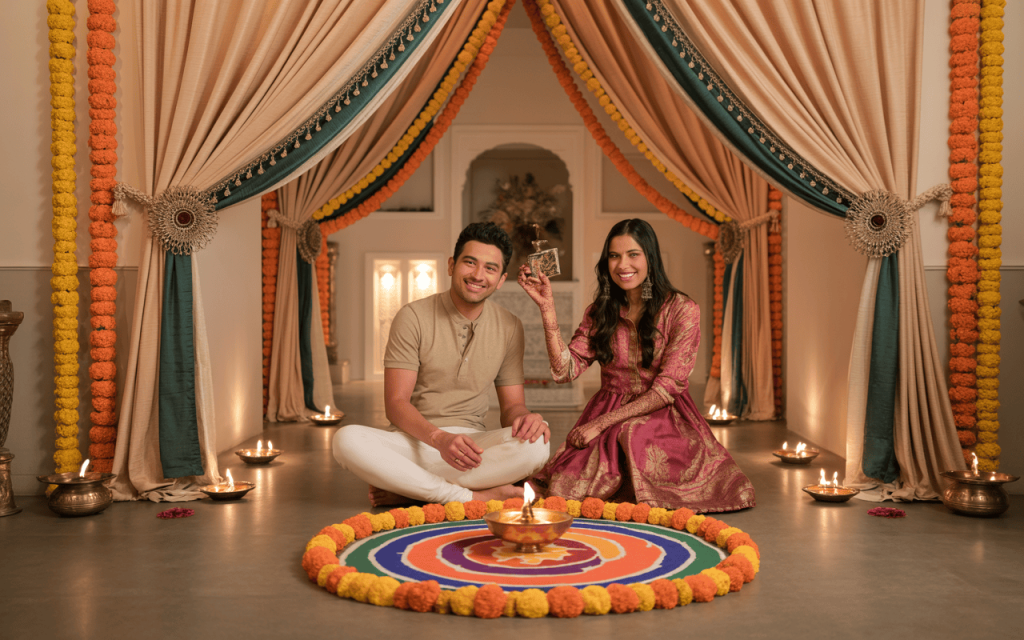
Application: Women wear orange lehengas or sarees for Garba nights, radiating energy. Orange candles, diyas, or curtains light up spaces with warmth while keeping spirits strong.
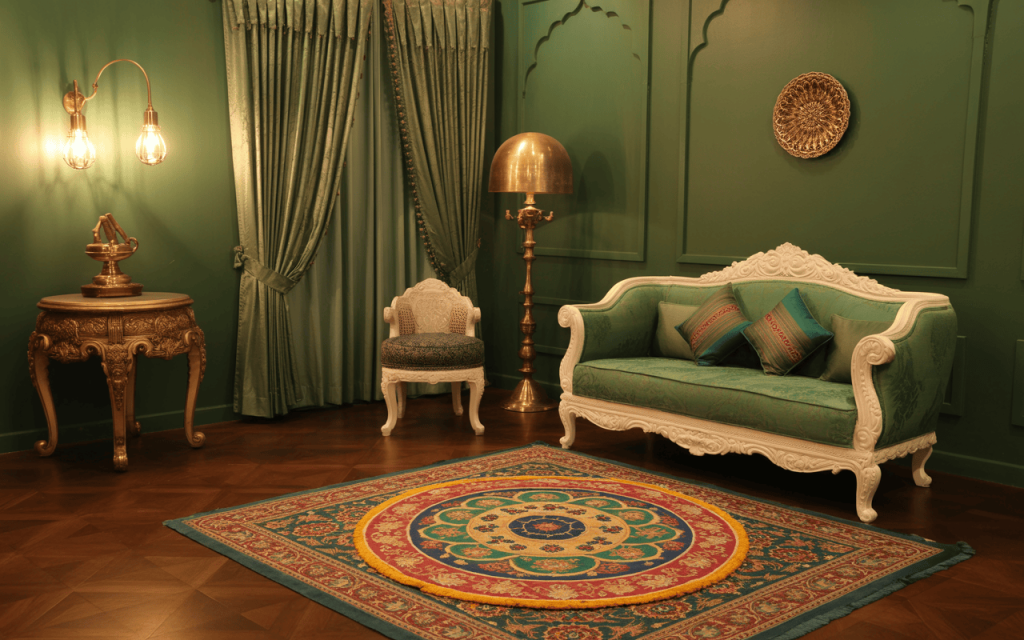
Day 8 – Peacock Green Symbolises Elegance and Healing
Green colour significance in Navratri days goddess blessings and meaning
Goddess: Mahagauri, celebrated for purity and grace, believed to bestow immediate results on prayers.
Meaning: Peacock green denotes wisdom, compassion, and spiritual renewal.
Application: Sarees or kurtas in shimmering peacock green silk are favourites for this day. In interiors, upholstery or art pieces in peacock green add sophistication. This shade inspires balance of beauty and compassion.
Day 9 – Pink Symbolises Love and Harmony
Pink colour significance in Navratri nine days goddess festive celebrations
Goddess: Siddhidatri, giver of accomplishment and spiritual power.
Meaning: Pink softens the aura, representing affection, nurturing love, and harmony.
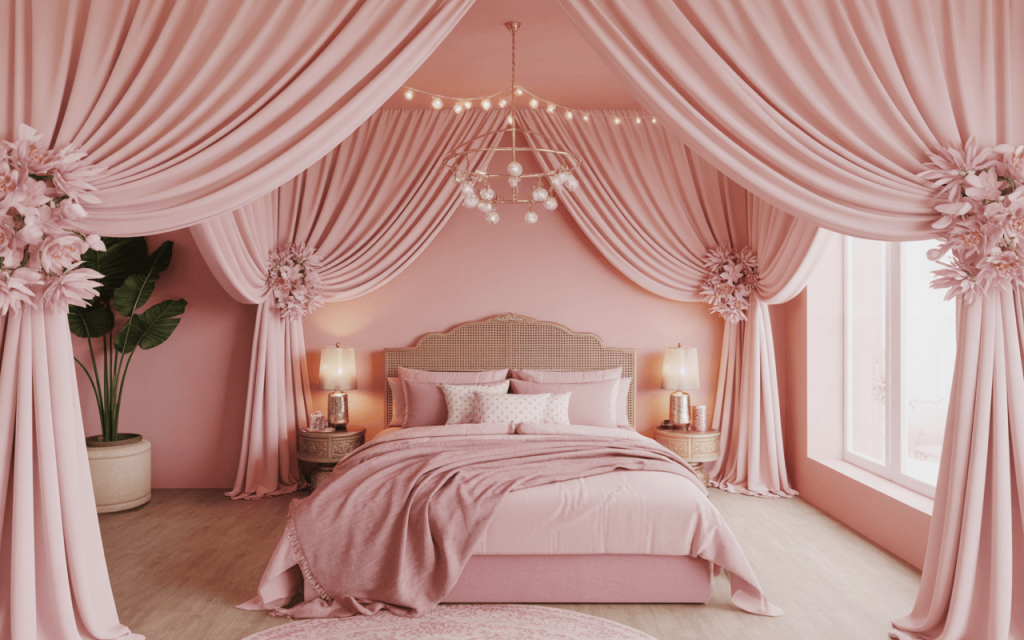
Application: Devotees wear pink outfits to close Navratri on a joyful, intimate note. Pink lotus flowers, rangolis, or fairy lights enchant homes. In decor, pastel pink in bedrooms symbolises serenity and everlasting love.
Why Navratri Colours Change Every Year
The sequence of different colours of Navratri—for example, the difference between navratri colours 2023 and 2026—depends on which weekday the festival begins. Each weekday is ruled by a planet that aligns with a deity’s energy, influencing the colour sequence.
Thus, while the navratri days and colours remain conceptually fixed (white, red, yellow, etc.), the order varies yearly. This adds freshness and cosmic harmony to each year’s celebrations.
The Spiritual and Psychological Impact of Nine Colours of Navratri
The navratri nine colour tradition combines astrological wisdom with emotional psychology.
They promote mindfulness. Dressing in alignment each day builds discipline.
They strengthen community bonds. Imagine Garba nights with thousands twirling in coordinated hues—it amplifies unity.
For homes, integrating the colours for Navratri through fabrics, rangolis, or puja decorations infuses spaces with positive vibrations, grounding families in shared rituals and energies.
Bringing Navratri Colours Into Your Home Design
Navratri nine colours significance with goddess day wise festive rituals
These colours need not end with the festival—they can inspire interior design for modern Indian homes.
White walls create airy, peaceful living rooms.
Red cushions or wall art energise drawing rooms.
Royal blue curtains add luxury to bedrooms.
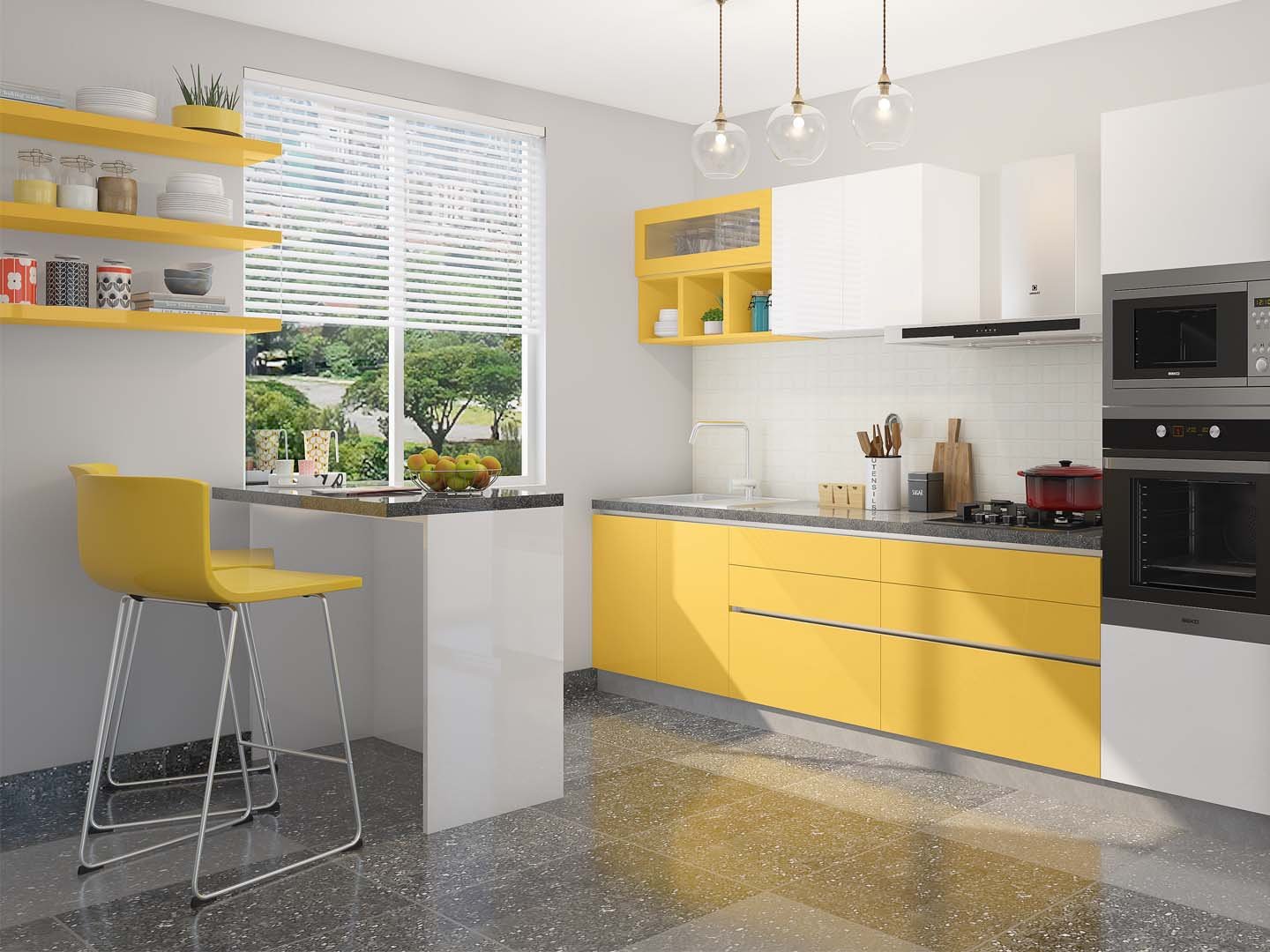
Yellow light pendants brighten kitchens.
Green plants harmonise indoor spaces.
Grey flooring keeps homes elegant yet practical.
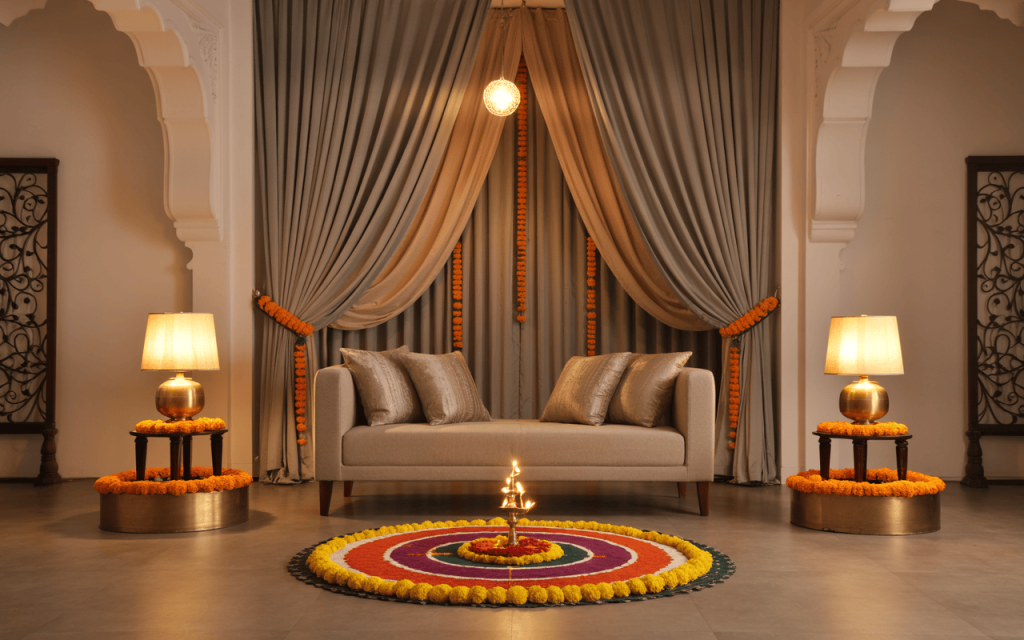
Orange throws, lamps, or rugs give vibrancy to neutral rooms.
Peacock green upholstery or statement chairs balance tradition with trends.
Pink bedding or drapes soften bedrooms, ideal for nurturing love.
The nine colours of navratri thus serve as a holistic palette not just for festivals, but for year-round living spaces.
Navratri is a celebration of life’s cycles—starting in purity, walking with courage, experiencing joy, and finally resting in love. The nine colours of Navratri are more than mere fashion—they are gateways to energy, emotion, and devotion. By consciously embracing both their spiritual and psychological layers, we invite abundance, blessings, and positivity into our lives—at festivals and beyond.
Ready to decorate your home for Navaratri?
Navratri colours significance with goddess blessings and festive day wise
Just as the nine colours of Navratri can bring positivity and spiritual energy to a home, the right design can transform any living space. A stunning home doesn’t need to cost a fortune—it just needs clarity, care, and clever design.
At HomeLane, our experts understand how to infuse your home with purpose and style. We help you create beautiful, functional spaces that reflect your identity, proving that excellence in design is always possible in every budget.
FAQs On Nine Colours of Navratri
1. What are the 9 day colours of Navratri?
The 9 Navratri colours for 2026 are White, Red, Royal Blue, Yellow, Green, Grey, Orange, Peacock Green, and Pink. Each day’s colour is dedicated to one of the nine forms of Goddess Durga, symbolising her divine qualities. For example, White represents peace and purity, Red signifies power and passion, Green denotes growth and prosperity, while Pink stands for love and compassion. Devotees wear clothes of the corresponding colour each day and also decorate their homes and temples accordingly.
2. What are the 9 days of Navratri in October 2026?
Navratri in October 2026 will span nine nights, but the exact sequence of dates and colours depends on the weekday on which the festival begins. The alignment of the lunar calendar and planetary positions determines the order of colours each year. While the nine colours conceptually remain the same, temples and astrologers will release the official sequence closer to the festival. Devotees follow this announced pattern to wear specific coloured attire, decorate puja mandirs, and even prepare prasad that aligns with the day’s theme.
3. What is the logic behind 9 colours and Navratri?
The nine colours of Navratri are deeply rooted in Hindu astrology and spiritual symbolism. Each day of the festival honours one form of Goddess Durga, and the colour is linked to the planet that governs that particular day. For instance, Red reflects strength and the energy of Goddess Durga, while Yellow is associated with joy and divine light. These shades not only carry cosmic significance but also influence the mindset of devotees, aligning their energy with the goddess’s qualities.
4. Who decides Navratri colours every year?
The sequence of Navratri colours is decided by Hindu priests and astrologers, based on the lunar calendar (tithi) and planetary positions on the day Navratri begins. The tradition varies slightly across India, but leading temples and religious organisations usually announce the official list of colours for each day before the festival. Devotees across states then follow this sequence, which ensures a collective, synchronised celebration. In many families, women also prepare matching sarees, dupattas, or accessories ahead of time so they can honour the goddess with the correct colour each day.




































 EXPLORE MORE