5 Window Vastu Rules That Improve Comfort and Energy Flow at Home
By Bivin Peter- March 30, 2026
Have you ever walked into a room and immediately felt a sense of calm, or perhaps a sudden dip in energy without knowing why? In the world of Indian architecture, the answer often lies in the openings of your home. Windows are not merely glass panes that offer a view of the outdoors; they are the nostrils of a building, breathing life and Prana (vital energy) into your living space. When the window vastu is aligned correctly, a home becomes a sanctuary of health and wealth. However, a misplaced opening can lead to stagnant energy and unnecessary stress for the inhabitants.
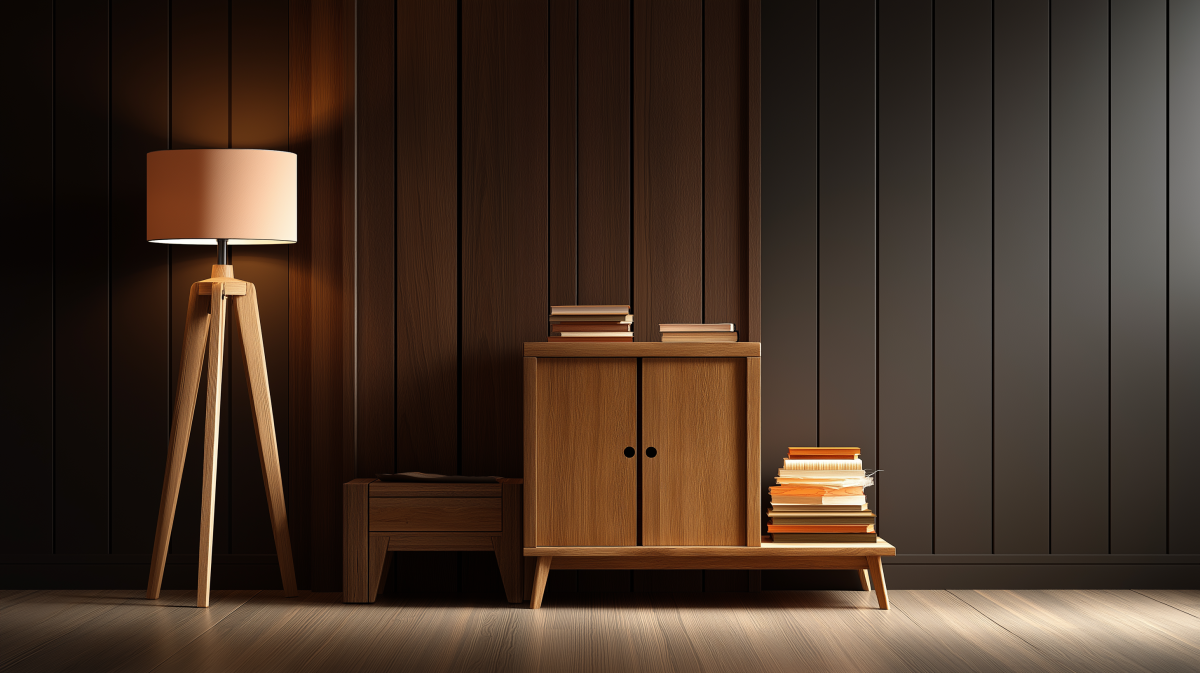
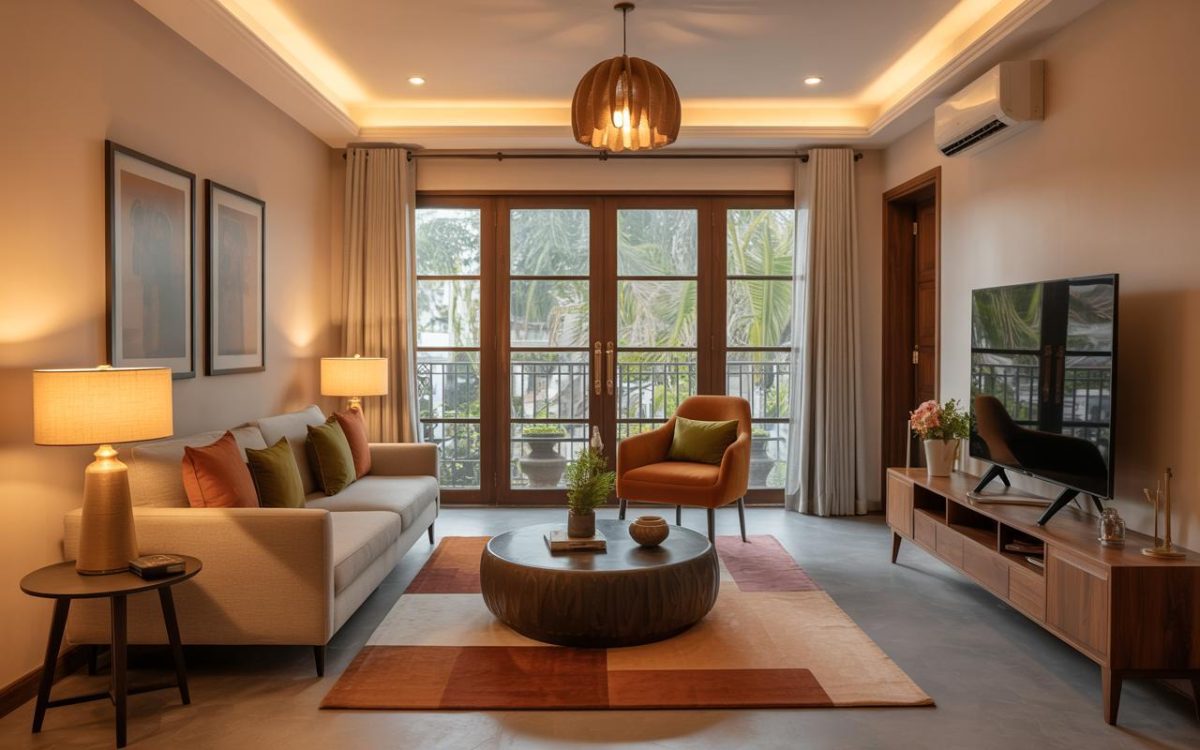
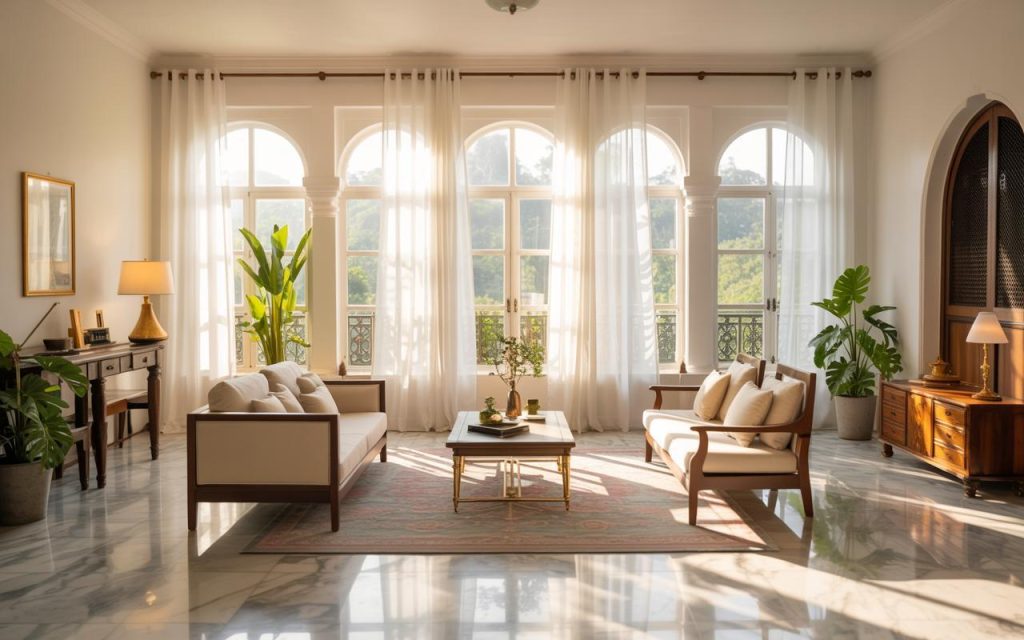
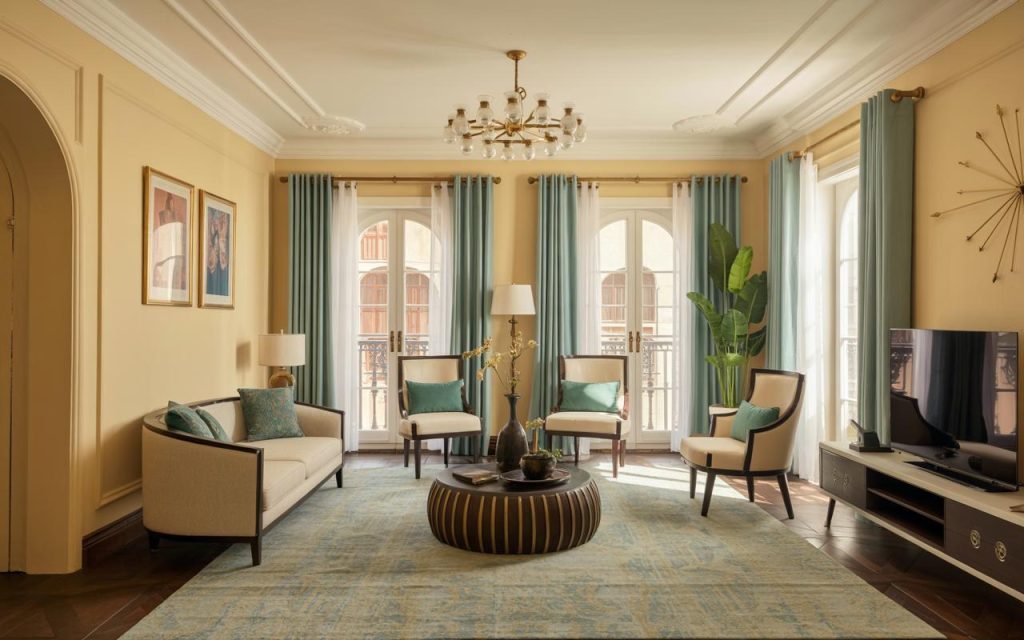
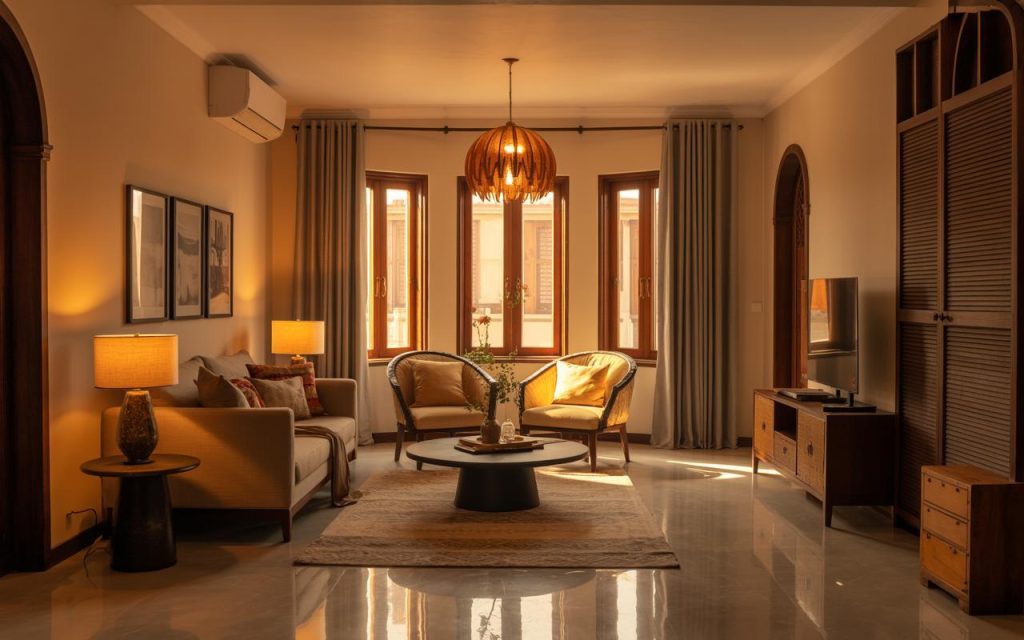
Best direction for windows as per vastu bright living room
Understanding the science of window vastu is about more than just tradition; it is about optimising natural light and ventilation to create a scientifically balanced environment in your interior design. This guide explores how to position and design your windows to ensure your home remains a magnet for positive vibrations.
What Is Window Vastu and Why It Matters in Interior Design?
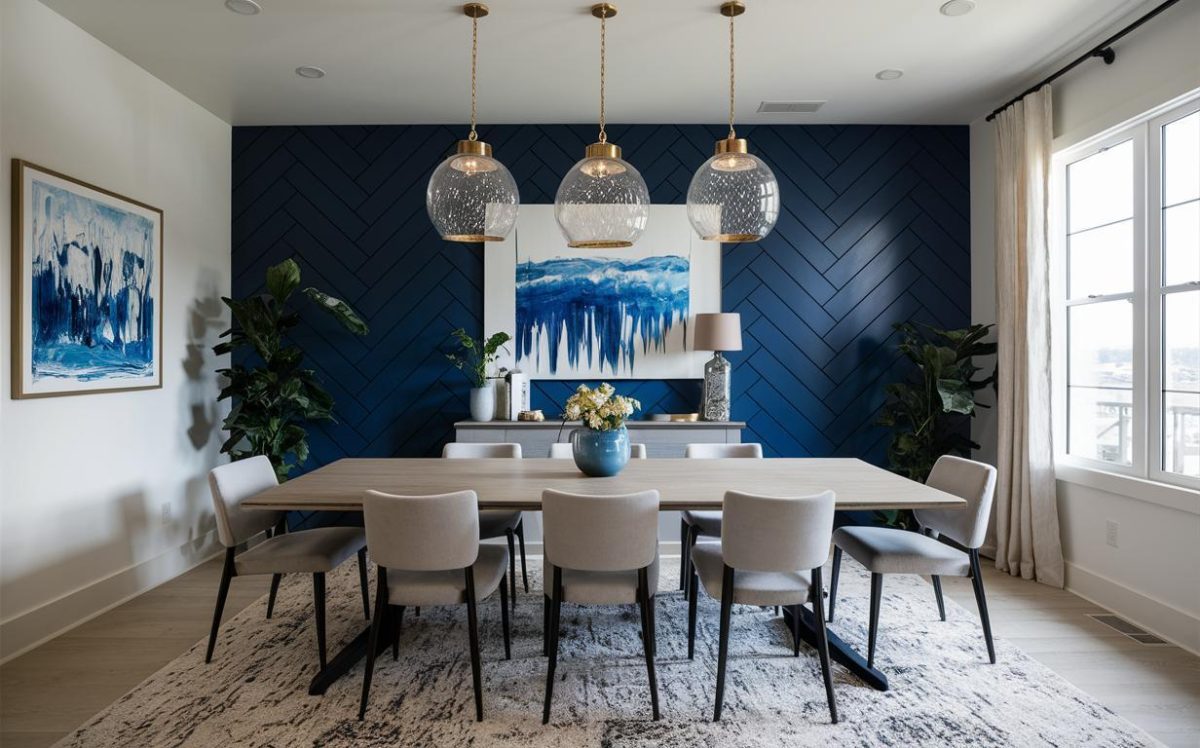
South facing windows vastu balanced with proper ventilation
In interior design, windows serve as the primary link between the internal sanctuary and the external world. Window vastu is the ancient Vedic science of orienting these openings to capture the most beneficial solar energy and magnetic currents. Sunlight is a natural disinfectant and a mood enhancer, but its intensity varies depending on the direction.
A home designed with windows as per vastu ensures that the inhabitants receive the soft, healing rays of the early morning sun while being protected from the harsh, infrared heat of the late afternoon. Beyond the physical comfort, the flow of air regulated by window vastu prevents the accumulation of “stale” energy, which is often linked to lethargic behaviour and frequent illnesses.
As the focus shifts toward the specific cardinal points, the importance of the window direction as per vastu becomes the foundation for every other design choice in the room.
Ideal Window Direction as per Vastu for Maximum Light
Windows position as per vastu ensures balanced natural light
The direction in which a window opens determines the quality of energy it invites. Ancient texts suggest that the North and East are the most auspicious zones for openings.
East-Facing Windows: These are highly coveted in window vastu. They allow the first rays of the sun to enter the home, bringing in the energy of Lord Indra and the Sun God. This promotes growth, fame, and vitality for the family.
North-Facing Windows: In the northern hemisphere, North-facing windows provide a consistent, glare-free light throughout the day. According to window vastu, this direction is associated with Kubera, the god of wealth. Having large windows here can invite financial stability.
South and West-Facing Windows: While these are not forbidden, windows in west direction vastu or the South should be smaller and fewer in number. The West is the direction of Varuna (the god of water and cosmic order), and while it brings stability, excessive openings here can lead to heat gain and energy drainage.
Once the directions are established, the next step involves the specific placement within individual rooms to ensure the window vastu remains functional and spiritually sound.
The Perfect Windows Position as per Vastu for Every Room
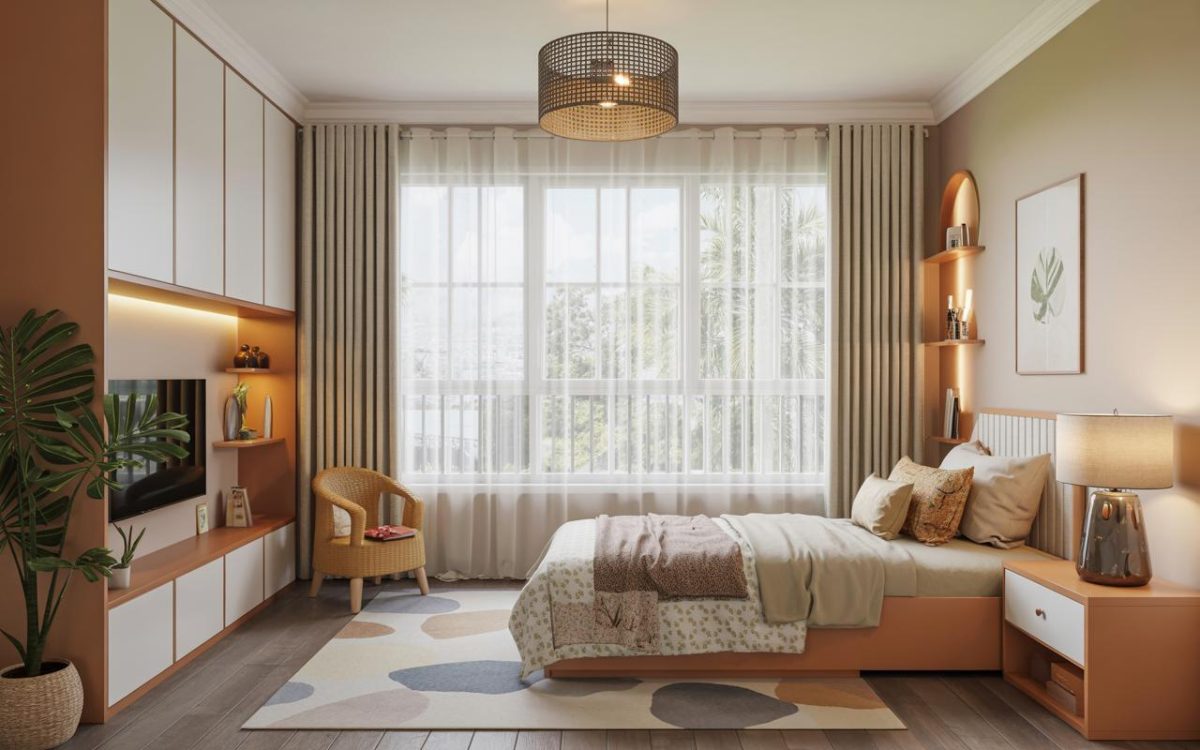
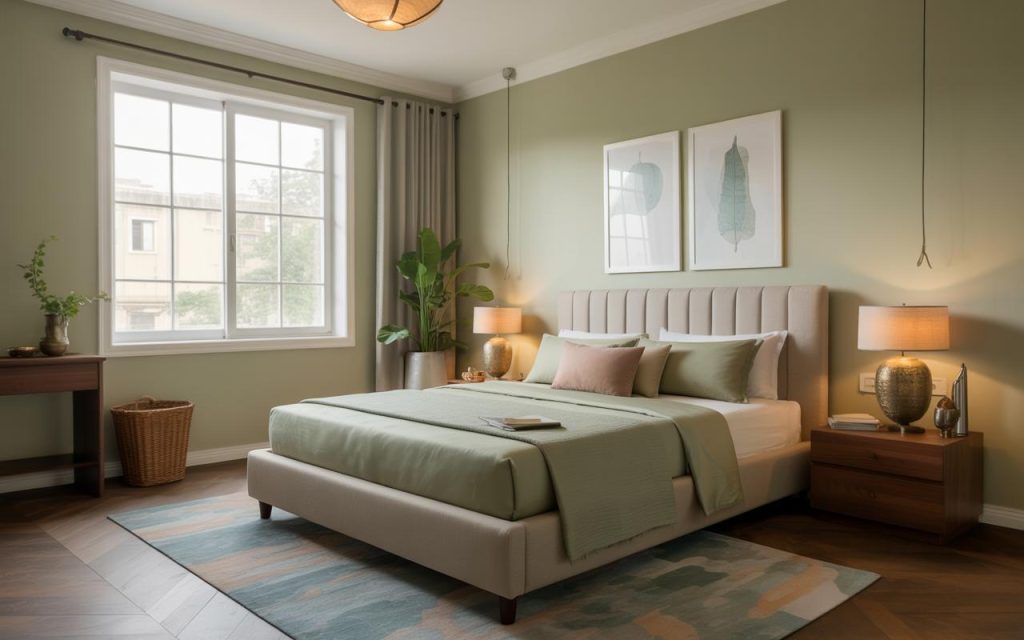
Vastu for windows in bedroom enhances peace positivity
The functionality of a room dictates where the window should sit. For instance, the vastu for windows in bedroom areas suggests that openings should ideally be on the East or North walls to ensure a refreshing start to the day. If a bedroom is located in the South-West, windows should be kept minimal and draped with thick curtains to prevent the positive energy from leaking out.
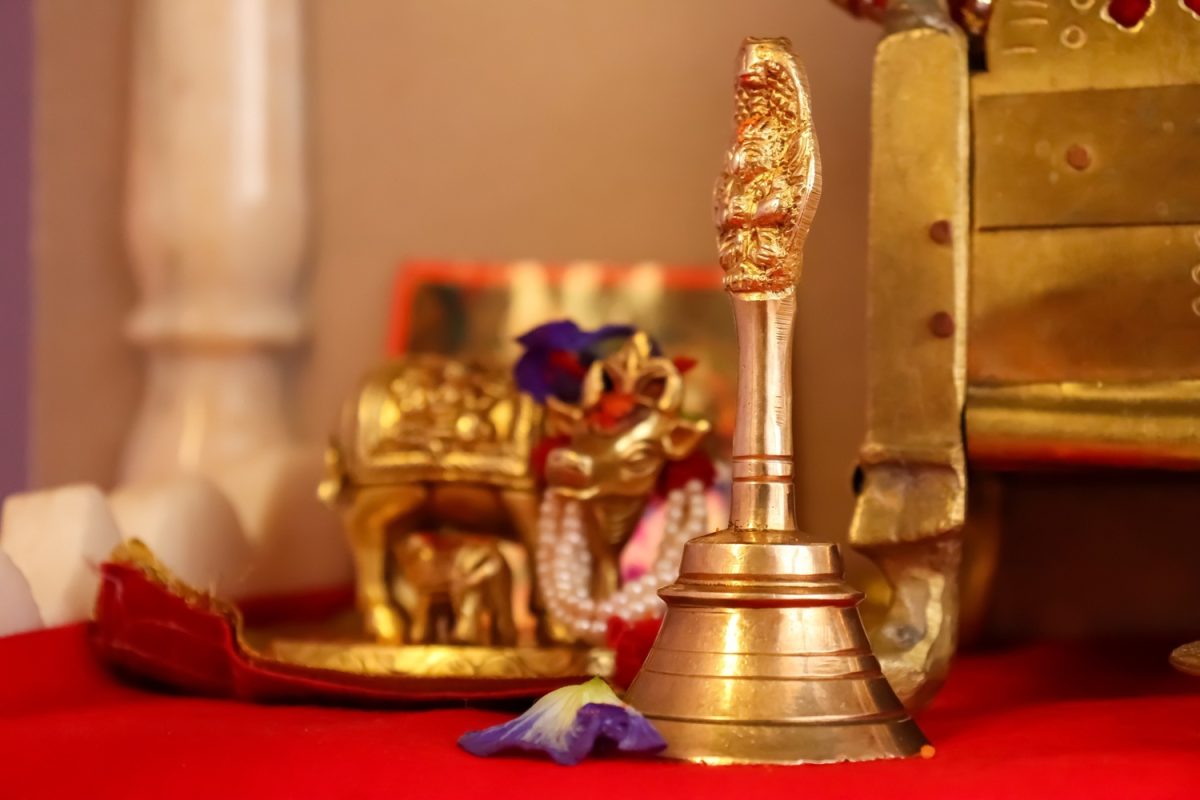
In the heart of the home, the window in pooja room vastu is of utmost importance. A small window in the North-East of the pooja room ensures that the space is perpetually purified by fresh air and morning light, which is essential for meditation and prayer.
Moving from placement to aesthetics, the design and materials used for your windows play a significant role in how energy is conducted.
Choosing Materials and Colours to Support Window Vastu
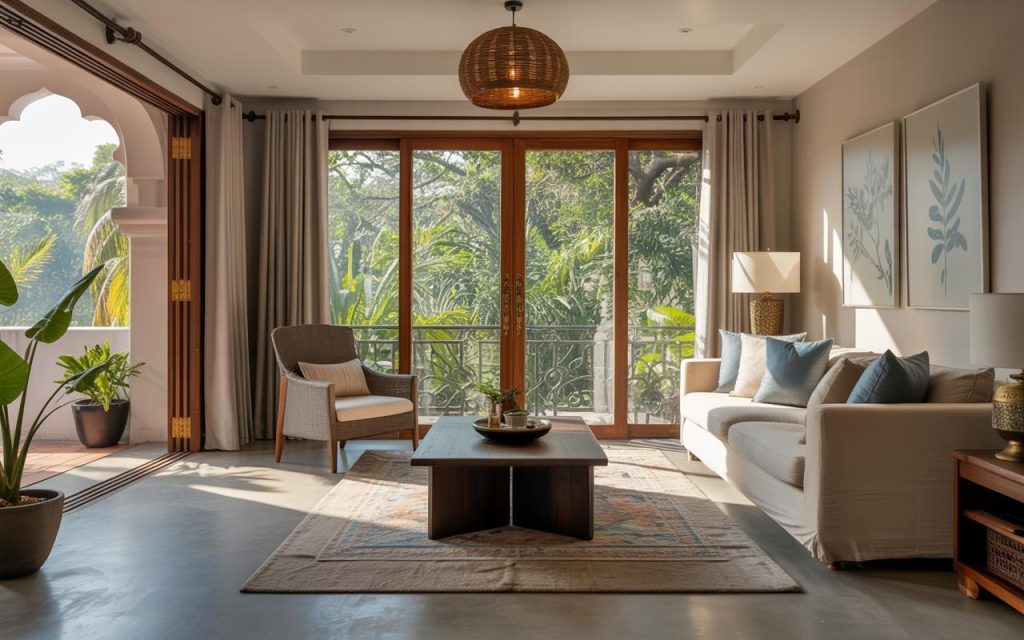
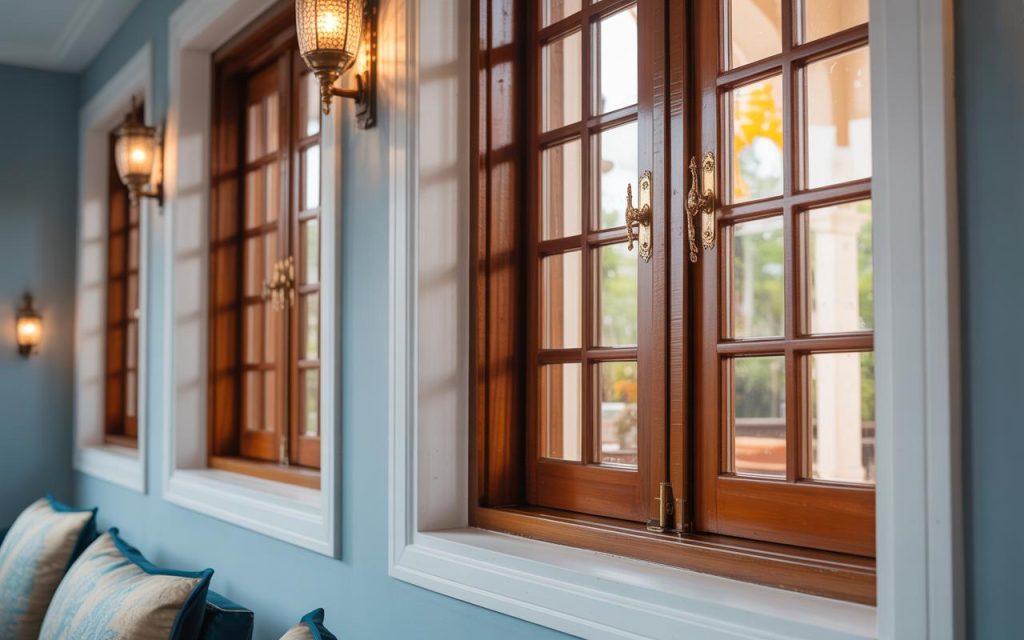
Window direction as per vastu improves airflow sunlight
The physical attributes of a window are just as important as its location. Modern Indian homes often use a mix of wood, aluminium, and UPVC. From a window vastu perspective, natural wood is the most grounded material as it acts as a neutral conductor of energy.
Materials: Teak or Sheesham wood frames are excellent for maintaining a warm, positive atmosphere. If using metal, ensure it is high-quality and does not make creaking sounds, as noise pollution is considered a “Vastu Dosh” or defect.
Colours: Stick to earthy tones, whites, or light blues. Avoid dark brown or black frames for North and East windows, as these colours can absorb and trap heat, contradicting the cooling nature of these directions.
A well-designed window is only effective if it avoids certain structural pitfalls that are commonly seen in modern construction.
Common Window Vastu Mistakes to Avoid
Windows as per vastu enhance light balance harmony
Even with the best intentions, certain design choices can disrupt the window vastu of a home. One of the most common errors is having an odd number of windows. Vastu principles generally recommend an even number of windows (2, 4, 6, 8) to maintain symmetry and balance. However, avoid numbers ending in zero, such as 10 or 20.
Another mistake is placing a window directly opposite the main entrance. This creates a “tunnel effect” where the energy entering through the door immediately exits through the window without circulating through the house. Furthermore, cracked glass or rusted hinges are strictly discouraged in window vastu as they represent broken energy and can lead to disputes within the household.
To avoid these issues in a contemporary setting, one must learn how to blend these ancient rules with modern architectural trends.
Transforming Your Vision into a Vastu-Compliant Reality
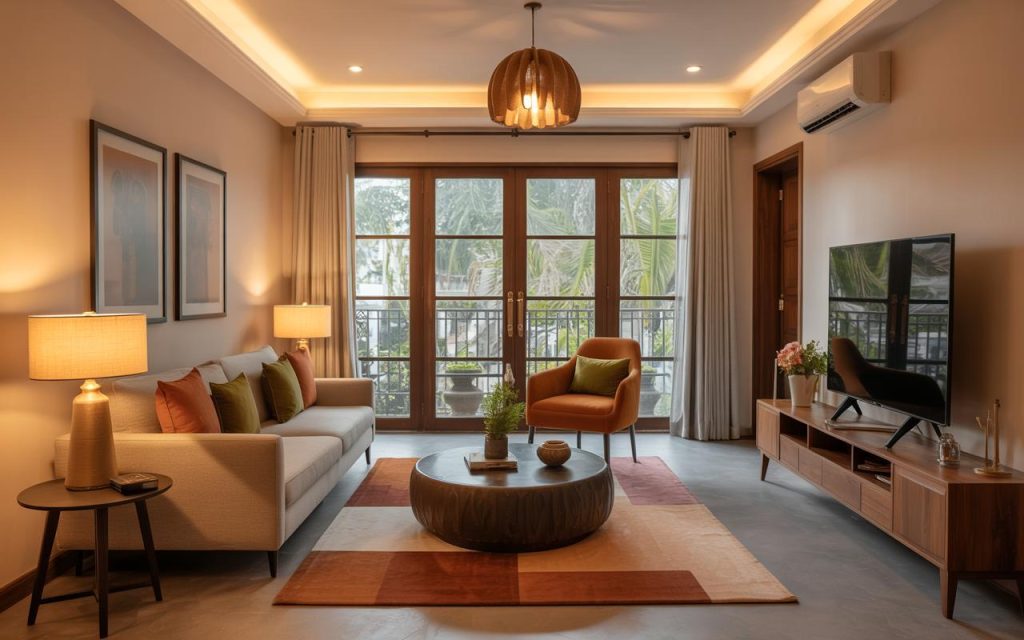
South facing windows vastu ensure warmth positivity energy
Creating a home that feels as good as it looks is a delicate art. It requires a deep understanding of how space, light, and tradition intersect. Whether you are looking for the perfect vastu for windows in the bedroom or trying to fix the windows position as per vastu in an old apartment, expert guidance can make all the difference.
At HomeLane, we believe that a beautiful home is one that breathes in sync with its inhabitants. Our design experts specialize in blending modern aesthetics with the timeless principles of window vastu. We help you choose the right materials, the perfect windows as per vastu, and layouts that maximize both style and soul. Let us help you transform your space into a sanctuary of balance and beauty through thoughtful, intentional design.
FAQs On Window Vastu
1. Which directions are considered best for window placement according to Vastu?
The North and East directions are considered the best for window vastu. North-facing windows invite wealth and prosperity, while East-facing windows bring in health and positive morning energy.
2. What window shapes and sizes does Vastu recommend?
Vastu recommends rectangular or square windows for stability and balance. It is best to avoid irregular or circular shapes. Additionally, windows should be consistent in size to ensure a uniform flow of energy throughout the house.
3. Is it important to keep windows clean and functional as per Vastu?
Yes, it is vital. In window vastu, dirty or cracked glass obstructs the entry of positive energy. Similarly, windows should open smoothly without any creaking sounds, as noise creates negative vibrations and tension.
4. How many windows should a Vastu-compliant home have?
A Vastu-compliant home should ideally have an even number of windows. This promotes symmetry and keeps the energy flow balanced. Avoid having an odd number of windows or counts that end in zero (like 10 or 20) for optimal results.














 EXPLORE MORE