Common Mistakes to Avoid in Partition Design for Living Room
By Bivin Peter- March 31, 2026
Summary:
In many Indian homes, an open-floor plan often leads to a lack of privacy, especially in living room Interior Design where shared spaces need both openness and separation. Yet adding a partition can inadvertently make a room feel cramped, dark, or disconnected. The challenge lies in dividing a space without sacrificing the “breathability” and natural light that make a home feel inviting. If you are struggling to balance structural division with an airy aesthetic, understanding common design pitfalls is the first step toward a solution. This guide highlights critical errors, such as ignoring ceiling scale, blocking airflow with opaque materials, and choosing non-cohesive styles — and offers modern alternatives like “floating” designs, jaali work, and multifunctional storage partitions for 2026.
Best For:
Multi-generational Indian households and urban apartment owners looking to define spaces without compromising on light or movement.
Expert Tip:
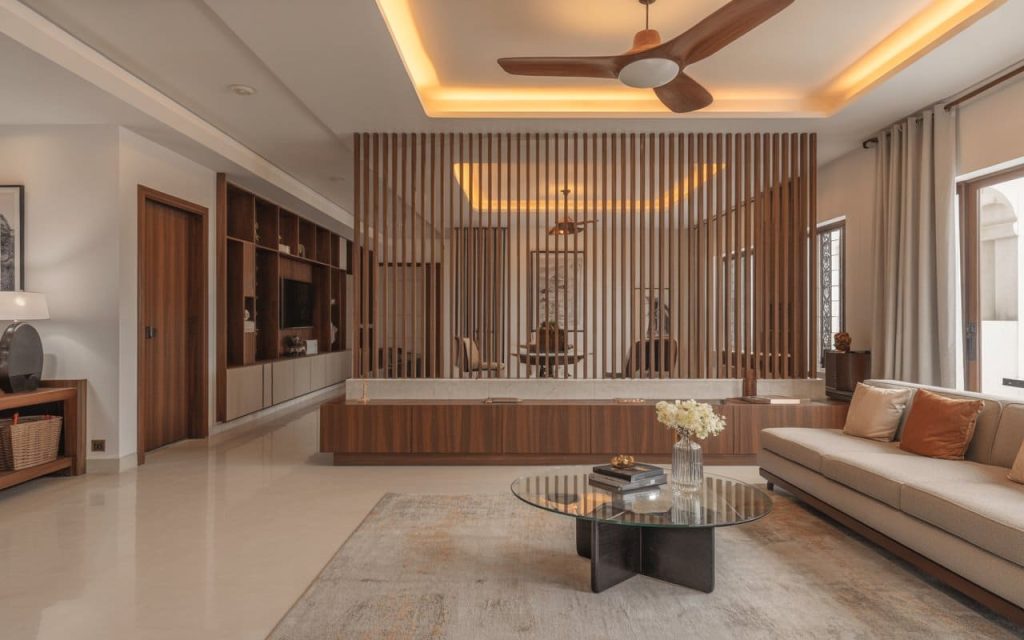
HomeLane designers recommend using a floor-to-ceiling vertical slat design for standard 10-foot ceilings to create a sense of height and “breathability” while providing a clear functional boundary.
Elegant partition wall design for living room in a modern home.
Have you ever walked into a beautifully decorated home only to feel like the layout was somehow “off” or slightly suffocating? In the vibrant world of Indian home interiors, the open-floor plan is a double-edged sword. While it offers a sense of vastness, it often lacks the privacy required for a multi-generational household. This is where a partition design for the living room becomes the ultimate architectural tool. However, there is a very thin line between a partition that elevates a home and one that feels like an accidental wall stuck in the middle of a hallway.
As we move into 2026, the trend for a modern partition for the living room has shifted from purely decorative screens to multifunctional marvels. Yet, even with the best intentions, many homeowners fall into traps that make their spaces feel smaller or poorly lit. Whether you are looking for a simple partition design for living room and dining hall or a high-end luxury installation, avoiding a few critical errors can save you from a costly renovation mistake.
In this guide, we will walk through the most significant pitfalls that homeowners face when choosing a partition design for a living room, starting with the most common error: getting the proportions wrong.
Choosing the Wrong Partition Height and Scale
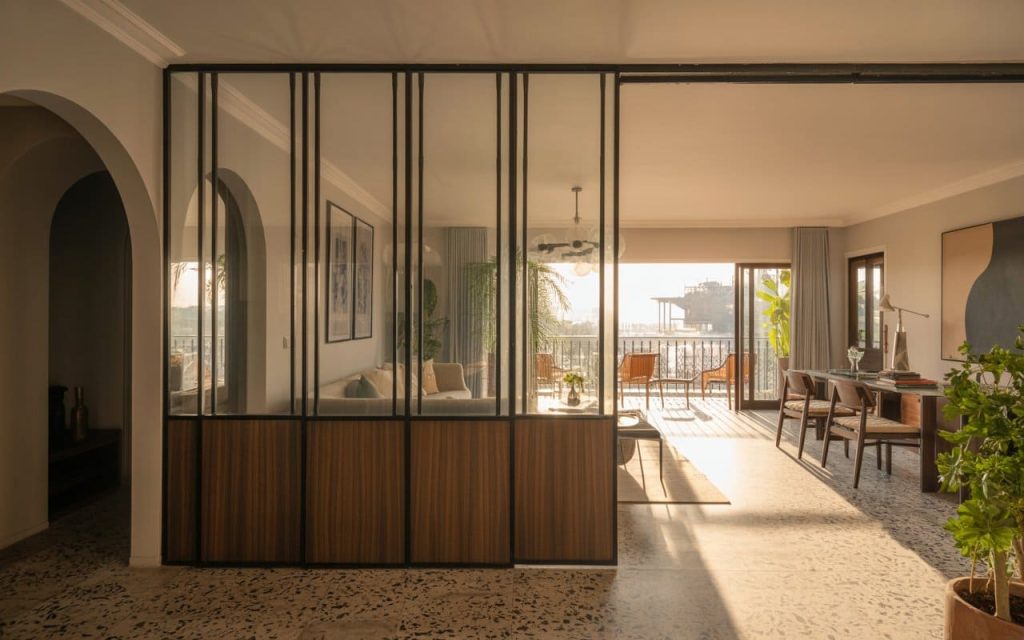
Sustainable wooden partition for living room with modern slats.
One of the most frequent mistakes in Indian homes is installing a partition for the living room that does not respect the ceiling height. A partition that is too short can look like a forgotten piece of furniture, while one that is too bulky can overwhelm the entire decor. If the goal is to create a modern partition design for the living room and dining hall, the scale must feel intentional.
When a partition design for the living room is too wide, it disrupts the visual “breathability” of the house. For a standard 10-foot Indian ceiling, a floor-to-ceiling wooden partition for the living room usually works best to create a seamless architectural look. However, if the room is narrow, a half-height or “floating” partition design for the living room might be the wiser choice to maintain a sense of openness.
Getting the scale right is only the first step. Once the size is decided, the next challenge is ensuring that this new structure does not turn your bright home into a dark cave.
Ignoring Natural Light and Airflow
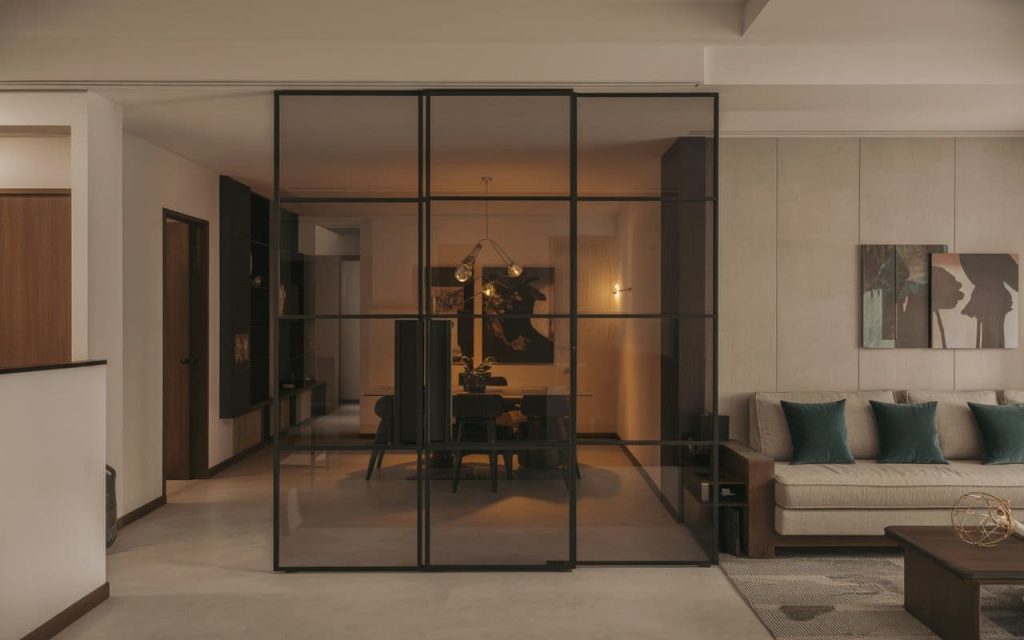
Chic wood and glass partition for living room in an urban flat.
India is a land of sunshine, and blocking natural light is a cardinal sin in interior design. Many homeowners choose a solid wooden partition for the living room without considering how it will cast shadows across the dining area. If a living space has only one primary window, a solid wall-like partition design for the living room will stifle the airflow and darken the interiors.
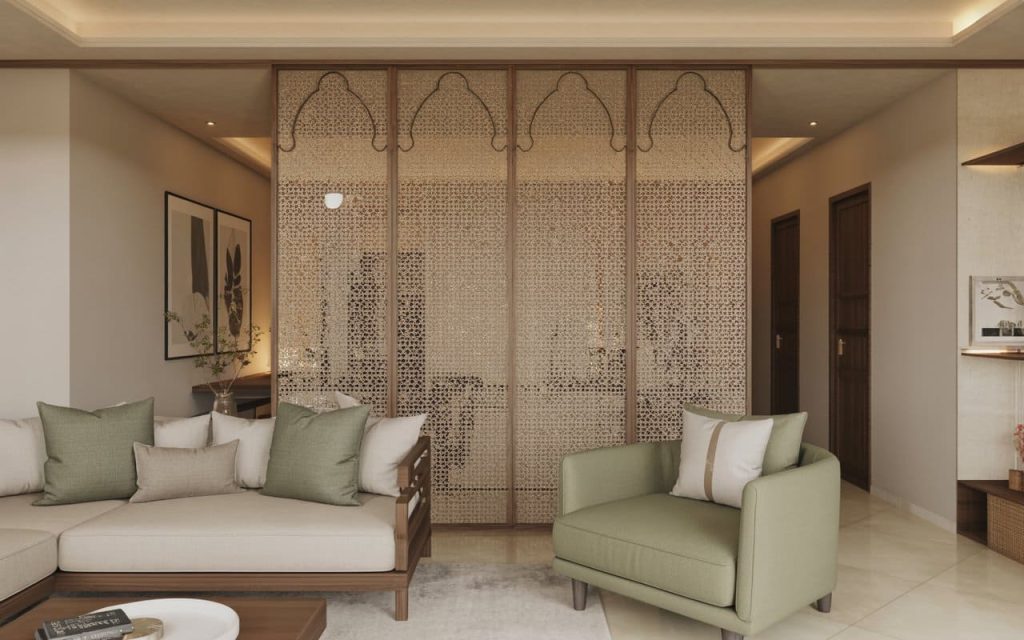
To solve this, many designers now recommend a glass partition for the living room or a wood and glass partition for the living room. These materials allow light to permeate through the house while still providing a physical boundary. A modern partition for the living room should ideally feature jaali work, slats, or transparent panels that allow the breeze and sunlight to move freely from the balcony to the kitchen.
Light and air provide the atmosphere, but the “look and feel” of the space depends heavily on how well the partition blends with your existing furniture and wall colours.
Selecting Non-Cohesive Materials and Styles
Modern glass partition for living room with thin black framing.
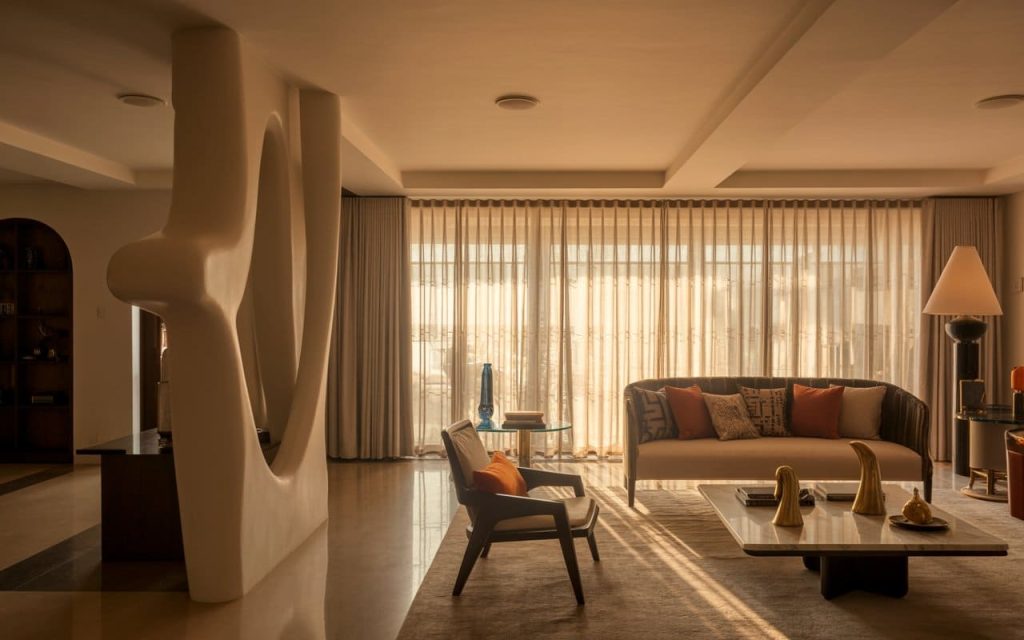
A partition design for the living room should never look like an afterthought. A common error is choosing a highly ornate, traditional carved wooden partition for the living room for a house that features ultra-modern, minimalist furniture. This clash of styles creates visual “noise” that can make the room feel cluttered.
When selecting a modern partition design for the living room and dining hall, it is vital to match the finish of the partition with the rest of the woodwork in the house. If your home features a lot of metal and stone, a sleek glass partition for the living room with black metal frames will feel much more cohesive. Consistency is the secret ingredient that makes a partition design for the living room feel like a built-in part of the home’s DNA.
Beyond aesthetics, a partition in a modern Indian home needs to justify its existence by doing more than just looking pretty.
Overlooking Storage and Functionality
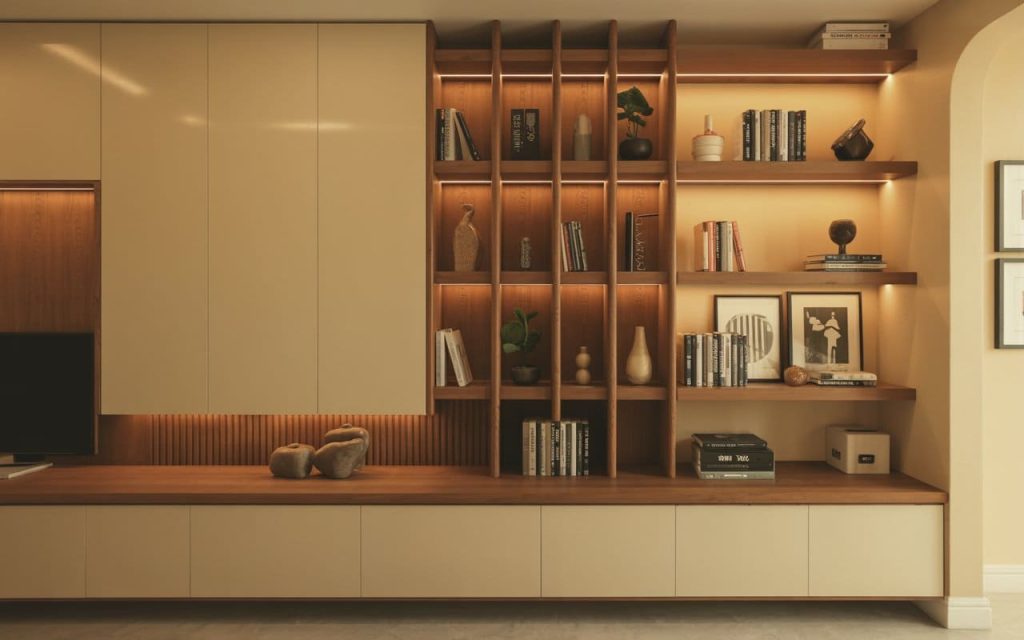
Functional simple partition design for living room and dining hall.
In urban apartments where every square foot counts, a partition for the living room that only serves as a divider is a missed opportunity. Many people forget that a partition design for the living room can double as a bookshelf, a trophy cabinet, or even a hidden bar unit.
A simple partition design for the living room and dining hall can be enhanced by adding hollow cubbies or floating shelves. This adds functionality without adding bulk. By neglecting the potential for storage, homeowners often end up adding more furniture later, which further cramps the room. A well-planned modern partition for the living room integrates storage so seamlessly that you forget it’s even there.
While storage is important, it should never come at the cost of how people actually move through the house.
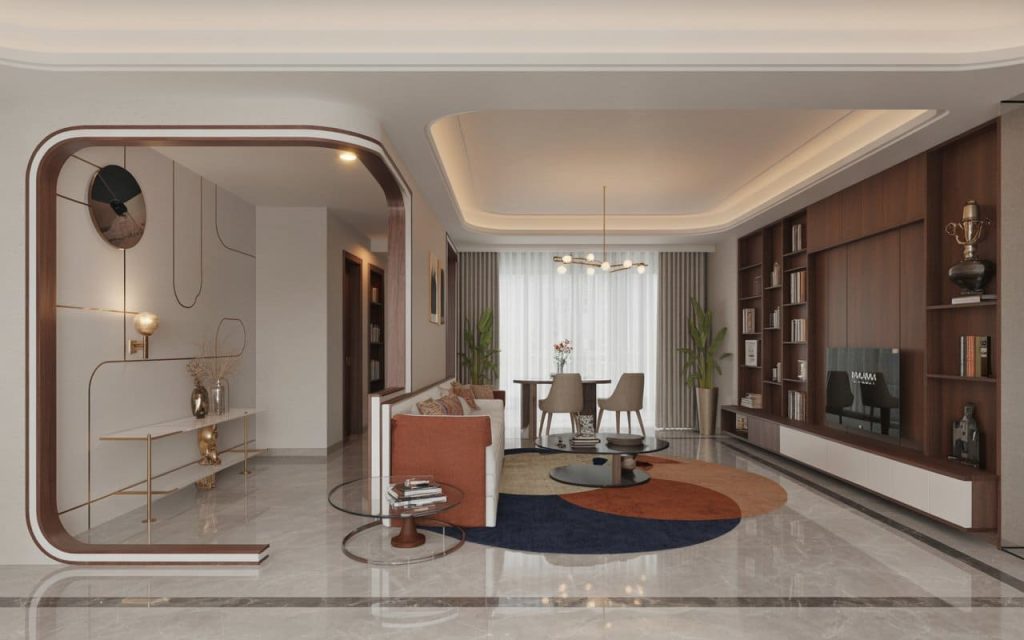
Trendy modern partition design for living room and dining hall.
A successful partition design for the living room is a balancing act between form and function. When done correctly, it provides the privacy we crave while maintaining the communal spirit of an Indian home. By avoiding these common mistakes, you ensure that your modern partition for the living room becomes a highlight of your interior design rather than a regret. Remember, a partition is more than just a divider; it is a canvas for your style and a solution for your lifestyle needs.
Dreaming of a Perfectly Divided Living Space?
Versatile foldable partition for living room with woven textures.
A stunning living room requires clarity, care, and clever planning. Even in the smallest apartments, beauty and privacy are possible through smart design. All it takes is a plan that respects your family’s routine and a style that reflects your personality.
At HomeLane, we help you build elegance from essentials. Our experts craft partition designs for living room solutions that are both functional and stylish.
FAQs On Partition Design for the Living Room
1. What is the ideal height for a living room partition?
For a seamless look, a floor-to-ceiling height is ideal. However, if you want to maintain a sense of space, a height of 4 to 6 feet is often recommended for a partition for the living room to divide areas without closing them off entirely.
2. How can I divide a room without blocking light?
The best way to maintain light is by using a glass partition for the living room or a wood and glass partition for the living room. Using open shelving or jaali patterns in your partition design for the living room also allows light to filter through.
3. What materials work best for room partitions?
For a warm, traditional feel, a wooden partition for the living room is best. For modern, industrial, or minimalist homes, metal frames with glass or engineered wood with laminate finishes are the most durable and stylish choices.
4. Can partitions provide storage space?
Yes, many modern partitions for living room designs include built-in bookshelves, display units for curios, or even cabinets at the base to store dining essentials, making them highly multifunctional.
5. Should I hire a professional for partition installation?
Yes, hiring a professional is highly recommended for a partition design for the living room. Professionals ensure structural safety, precise measurements to avoid gaps, and a high-quality finish that DIY methods often lack.















 EXPLORE MORE