Top 6 Italian Interior Designs for Stylish and Timeless Home Interiors
By Bivin Peter- March 30, 2026
Can a home truly bridge the gap between ancient history and futuristic minimalism without losing its soul? In the world of global aesthetics, Italian interior design stands alone as the ultimate masterclass in balancing these two extremes. It is a philosophy where a centuries-old fresco can live in perfect harmony with a sleek, chrome-finished chair.
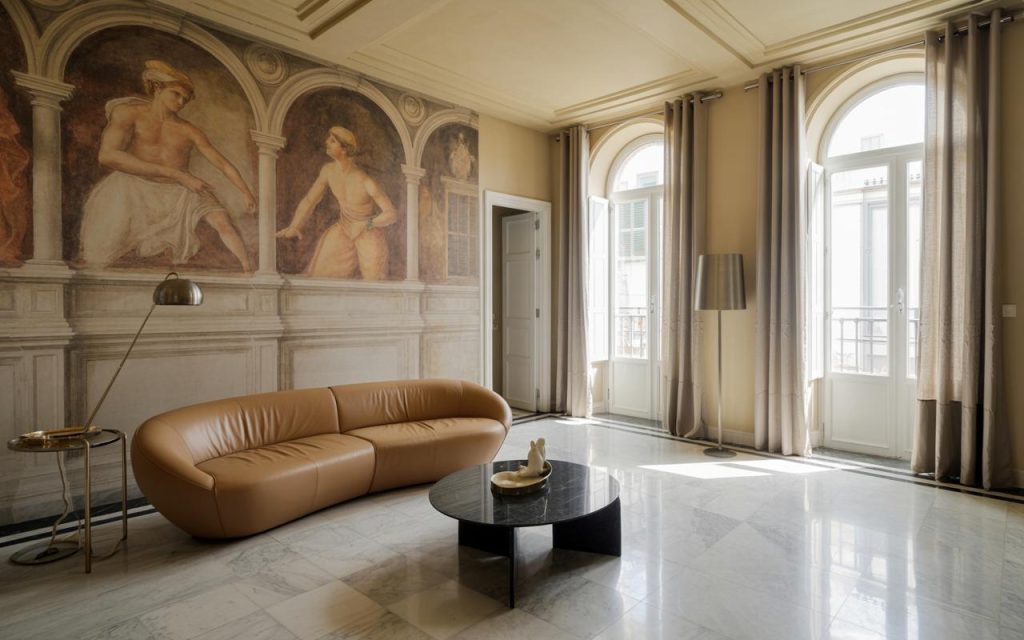
Italian interior design blends classical murals contemporary luxury
For the modern homeowner, adopting an Italian interior style is not just about buying expensive furniture; it is about embracing a lifestyle that values quality, heritage, and the “la dolce vita” spirit. Whether living in a sprawling villa or a compact city apartment, the principles of Italian home interior design offer a roadmap to creating spaces that feel curated, expensive, and effortlessly elegant.
This guide explores how to bring the warmth of the Mediterranean and the sophistication of Milan into any living space. The journey begins with understanding the core pillars that make this style so globally revered.
1. Key Elements of Italian Style Interiors
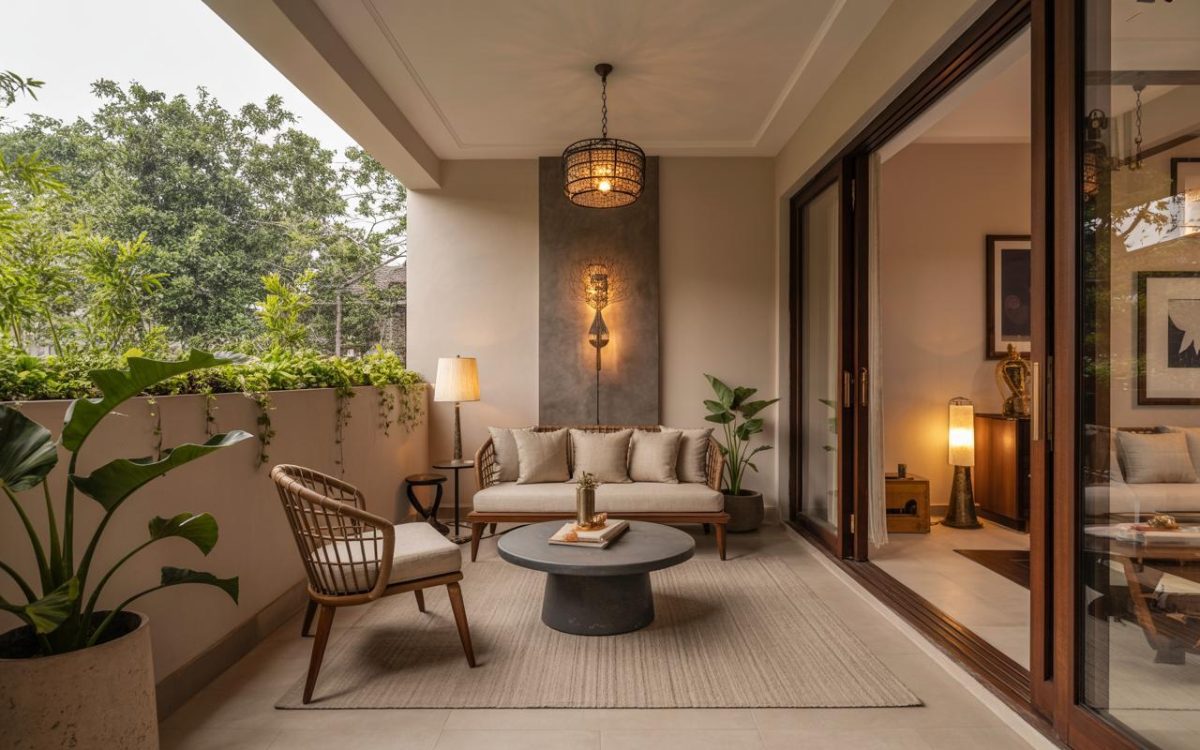
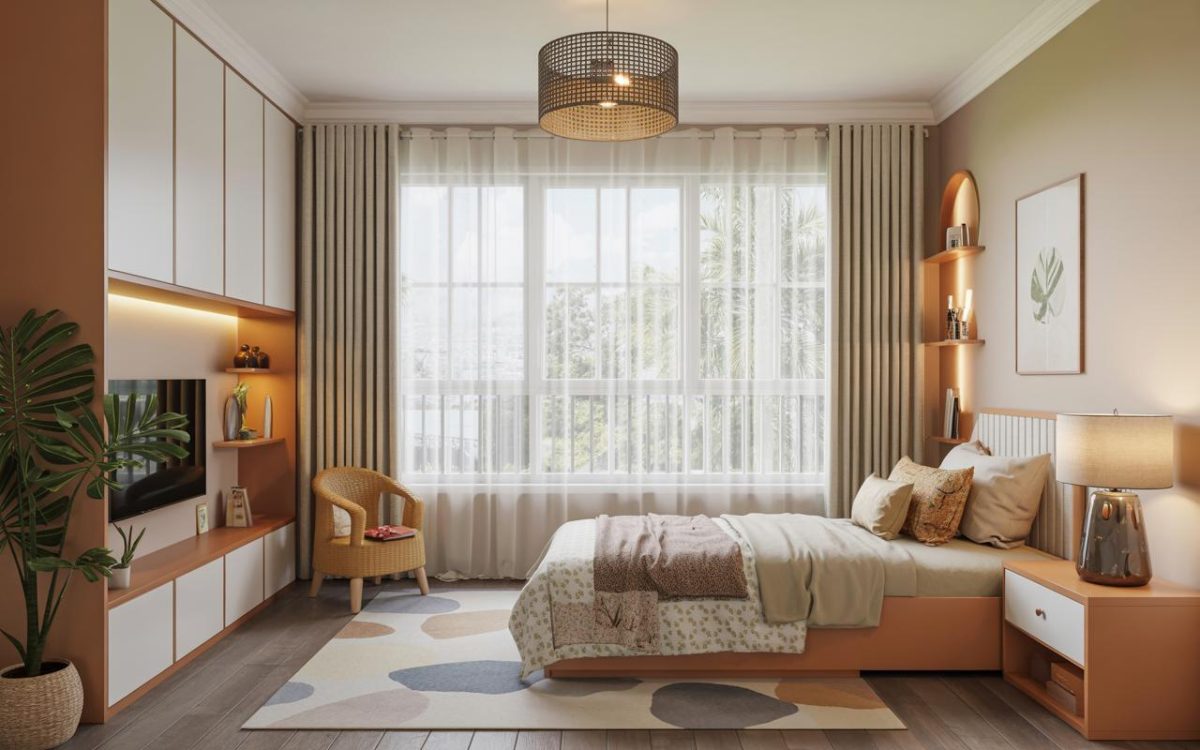
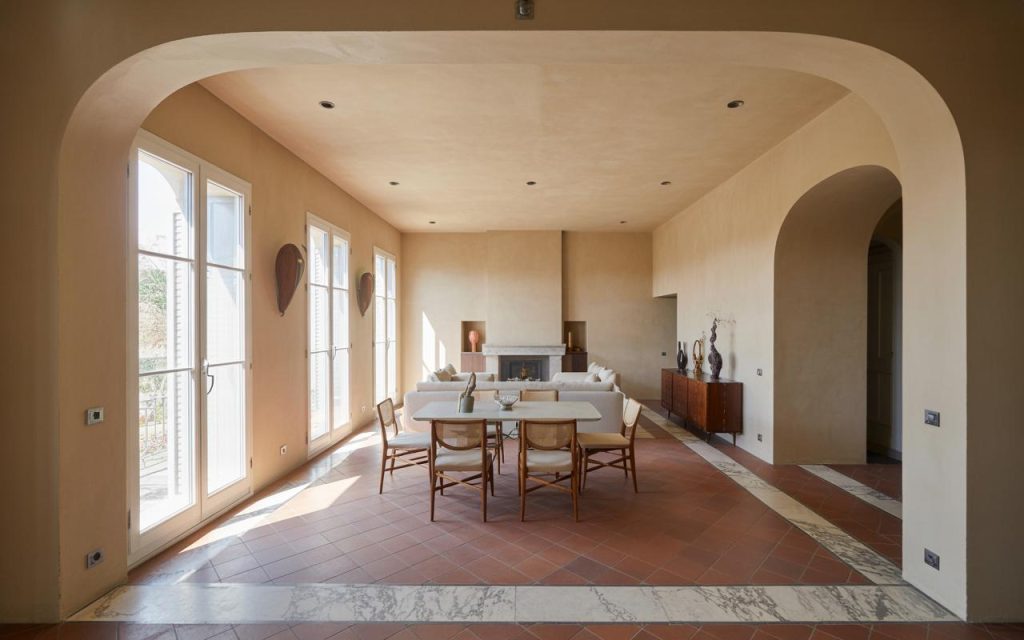
Italian home interior design with warm earthy tones
The foundation of Italian interior design lies in the clever use of space and light. Italian homes often feel airy and expansive, regardless of their actual square footage. This is achieved through high ceilings, oversized windows, and a “less is more” approach to floor plans.
Materiality plays a massive role in Italian interior decor. One will frequently find a mix of natural stones, high-quality leathers, and rich woods. To achieve this look, focus on:
Natural Stone: Using marble or granite for flooring and countertops.
Open Layouts: Ensuring a fluid movement between the kitchen, dining, and living areas.
Terracotta and Stucco: Adding tactile warmth to walls and floors for a rustic touch.
As the structural elements are established, it becomes important to decide which era of Italy’s design history resonates most with the personal vision for the home.
2. Classical vs. Contemporary Italian Design
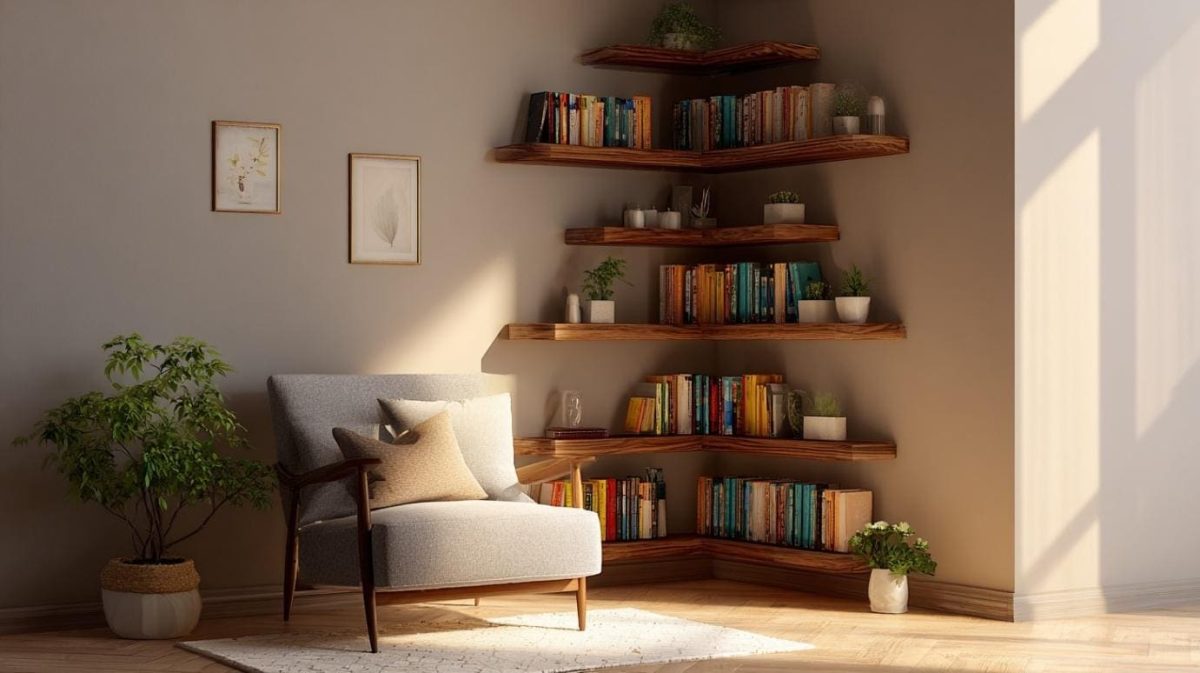
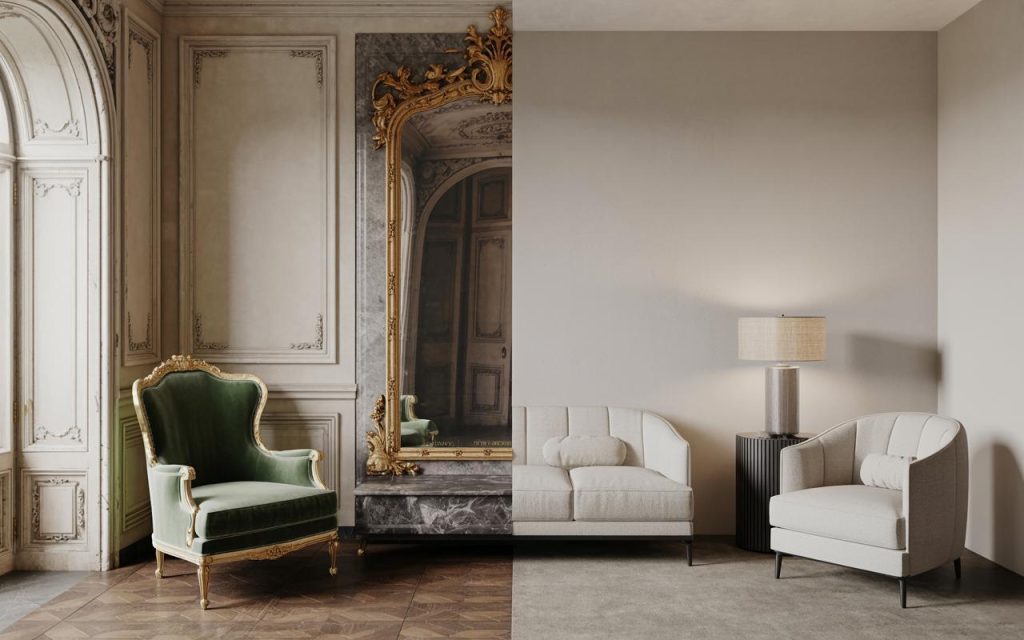
Italian baroque interior design with ornate mirror elegance
The beauty of Italian interior design is its duality. On one hand, there is the classical influence, often referred to as Italian baroque interior design, which is characterised by opulence, gilded mirrors, and intricate carvings. This style celebrates the grandeur of the Renaissance and the Roman Empire.
On the other hand, contemporary Italian interior style is the pinnacle of modern minimalism. It focuses on clean lines, innovative materials, and a neutral colour palette. While classical design looks to the past with rich jewel tones and velvet, contemporary design looks to the future with modularity and sleek finishes. Most successful modern homes today choose a “Transitional” approach, blending a few ornate classical pieces with a sharp, modern backdrop.
Understanding this distinction allows for a better appreciation of the craftsmanship that goes into the furniture pieces that define these spaces.
3. Italian Furniture and Craftsmanship
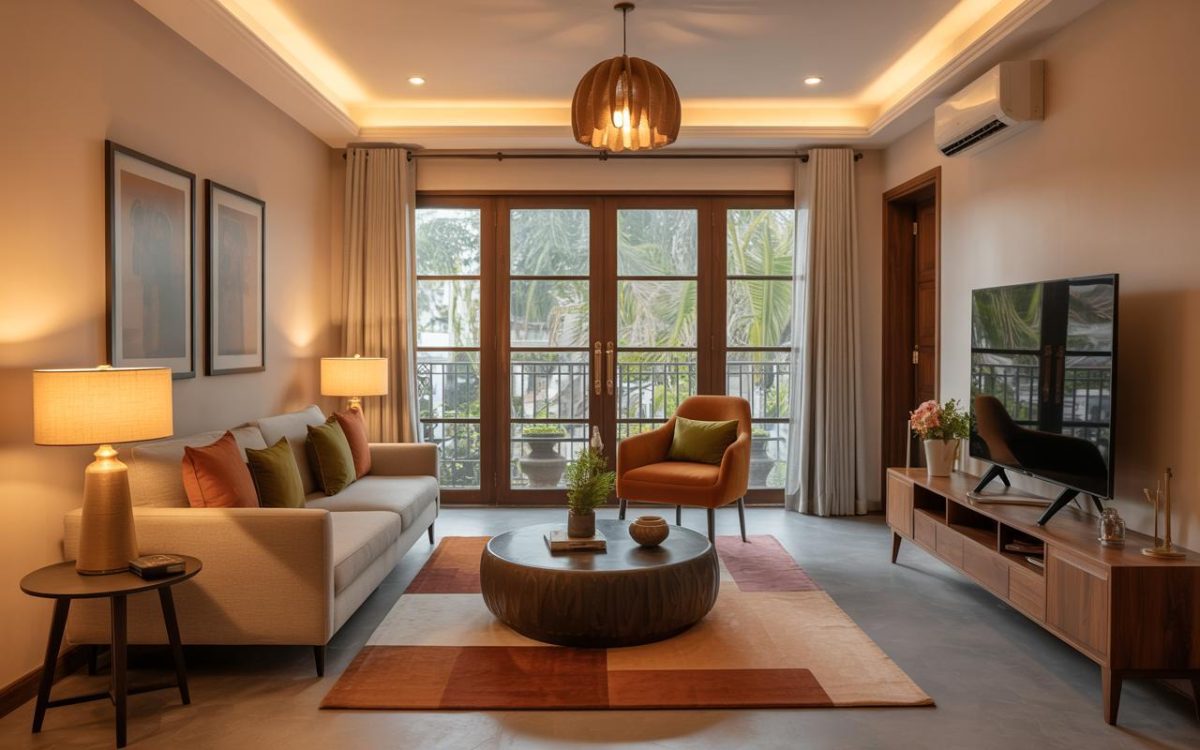
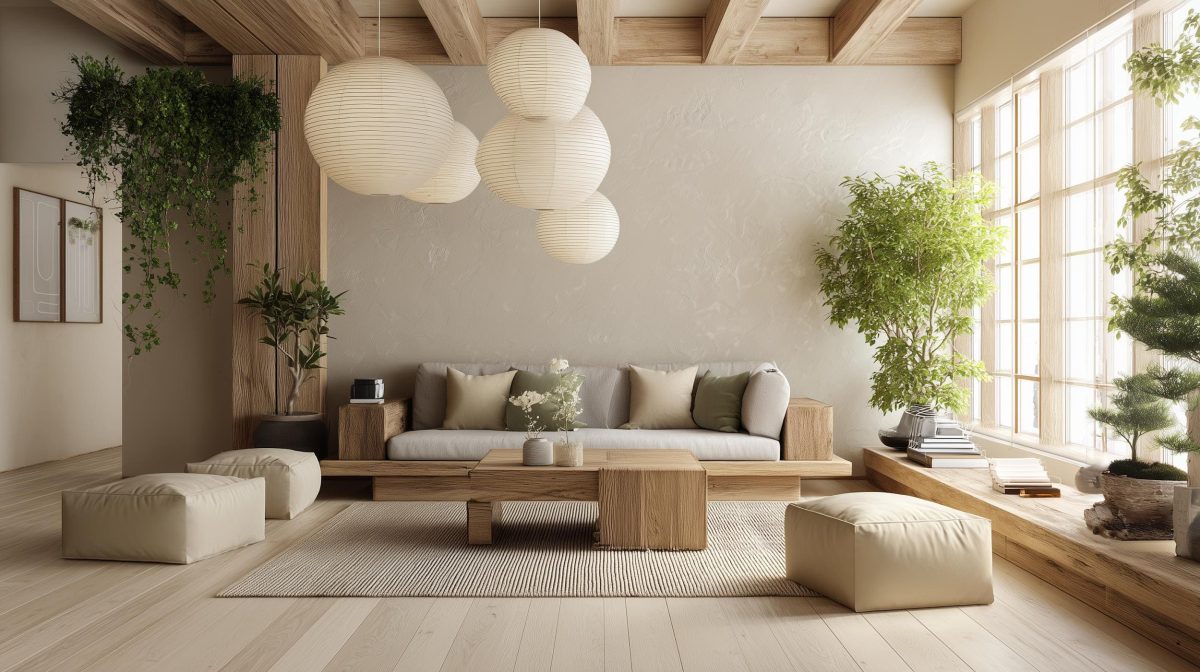
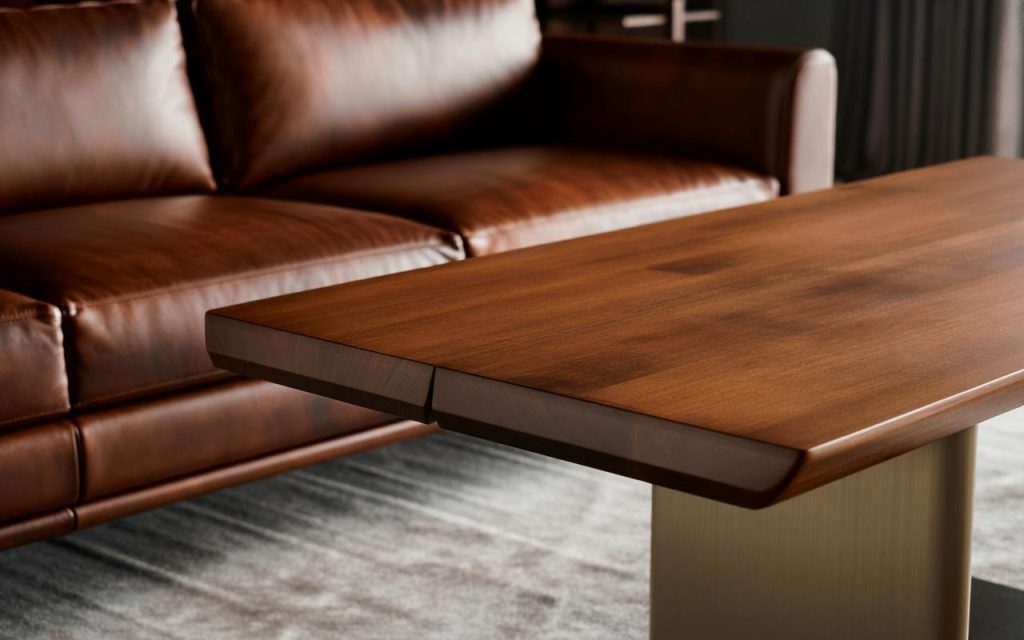
Italian contemporary interior design featuring elegant wooden coffee table
Italy is synonymous with artisanal excellence. When selecting furniture for an Italian home interior design, the focus should always be on “quality over quantity.” Every piece should feel like a work of art.
Modern Italian interior design furniture often features low-profile silhouettes and hidden storage solutions. Think of a buttery leather sofa with slim steel legs or a dining table carved from a single slab of timber. The craftsmanship is evident in the stitching of the upholstery and the seamless joints of the woodwork. Investing in one or two “hero” pieces of Italian furniture can instantly elevate the perceived value of an entire room.
Beyond the furniture itself, the walls and surfaces provide the perfect canvas for artistic expression, a tradition deeply rooted in Italian culture.
4. Incorporating Art and Sculpture
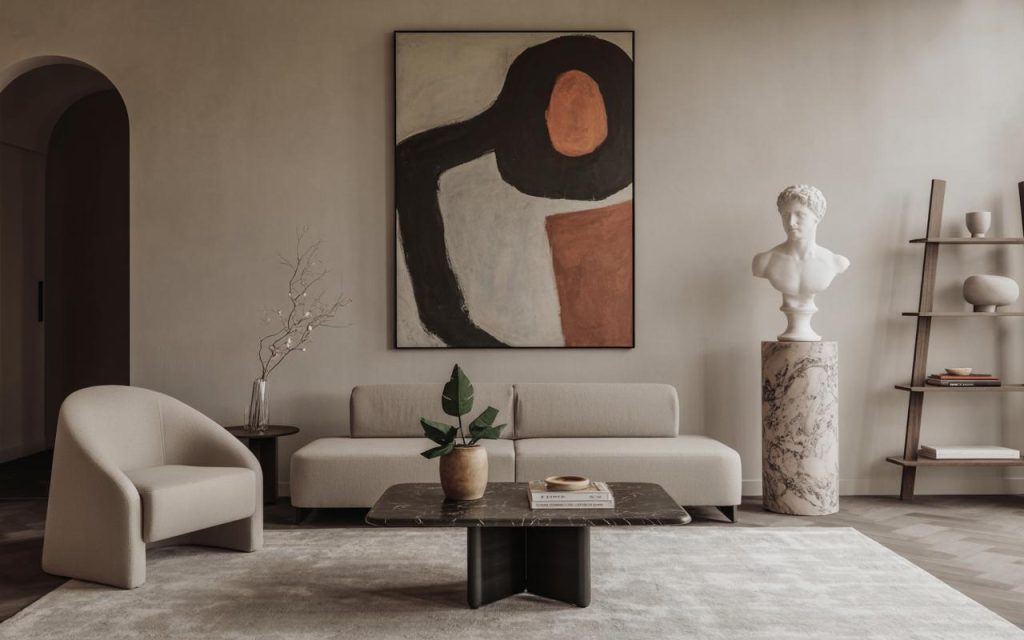
Italian interior decor showcasing elegant marble and abstract art
In Italy, art is not an afterthought; it is a fundamental part of the architecture. To truly capture the essence of Italian interior design, one must treat the home like a private gallery.
Large-scale oil paintings, plaster busts, or even contemporary abstract sculptures can serve as focal points. In a modern setting, a single, oversized piece of art often works better than a cluttered gallery wall. This creates a sense of “quiet luxury” that is central to the Italian interior decor ethos. Even functional items, like a designer coat rack or a decorative bowl, should be chosen for their sculptural qualities.
While art provides visual interest, the way those pieces are illuminated can change the entire mood of the home.
5. Lighting the Italian Way
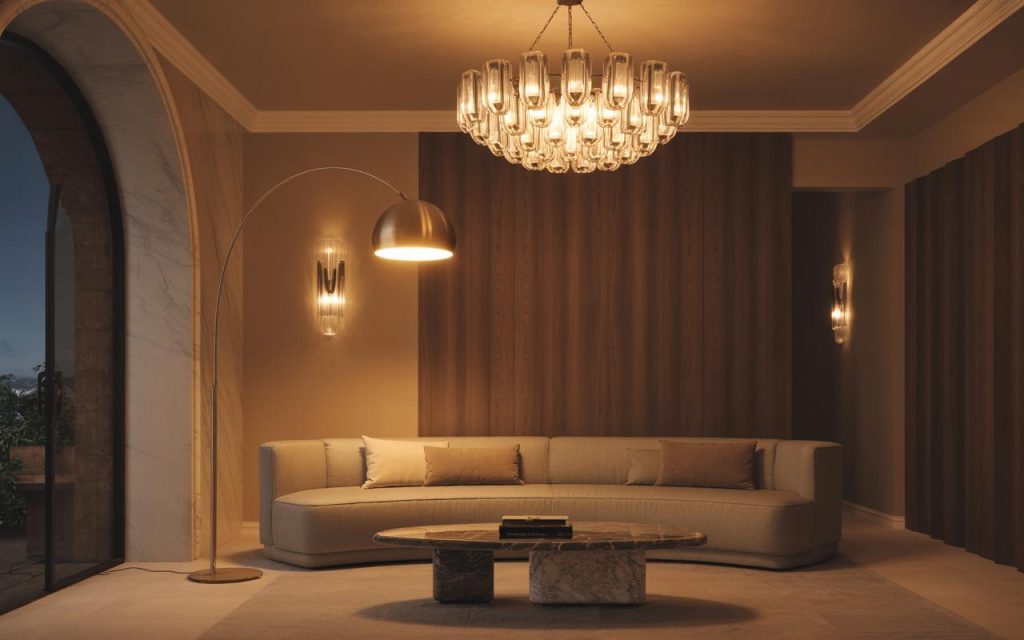
Italian contemporary interior design with marble table and chandelier
Lighting in Italian interior design is treated as the “jewellery” of the room. Italy is home to some of the world’s most iconic lighting designers, and their influence is seen in the use of bold, architectural fixtures.
Murano Glass: Incorporating hand-blown glass chandeliers for a touch of Venetian luxury.
Arched Floor Lamps: Using sleek, overhanging lamps to define a reading nook or a lounge area.
Ambient Layers: Avoiding harsh overhead lights in favour of a mix of floor lamps, table lamps, and wall sconces to create a warm, inviting glow.
Effective lighting sets the stage for the most functional parts of the home, such as the kitchen, where Italian innovation truly shines.
6. Kitchen Designs Inspired by Italy
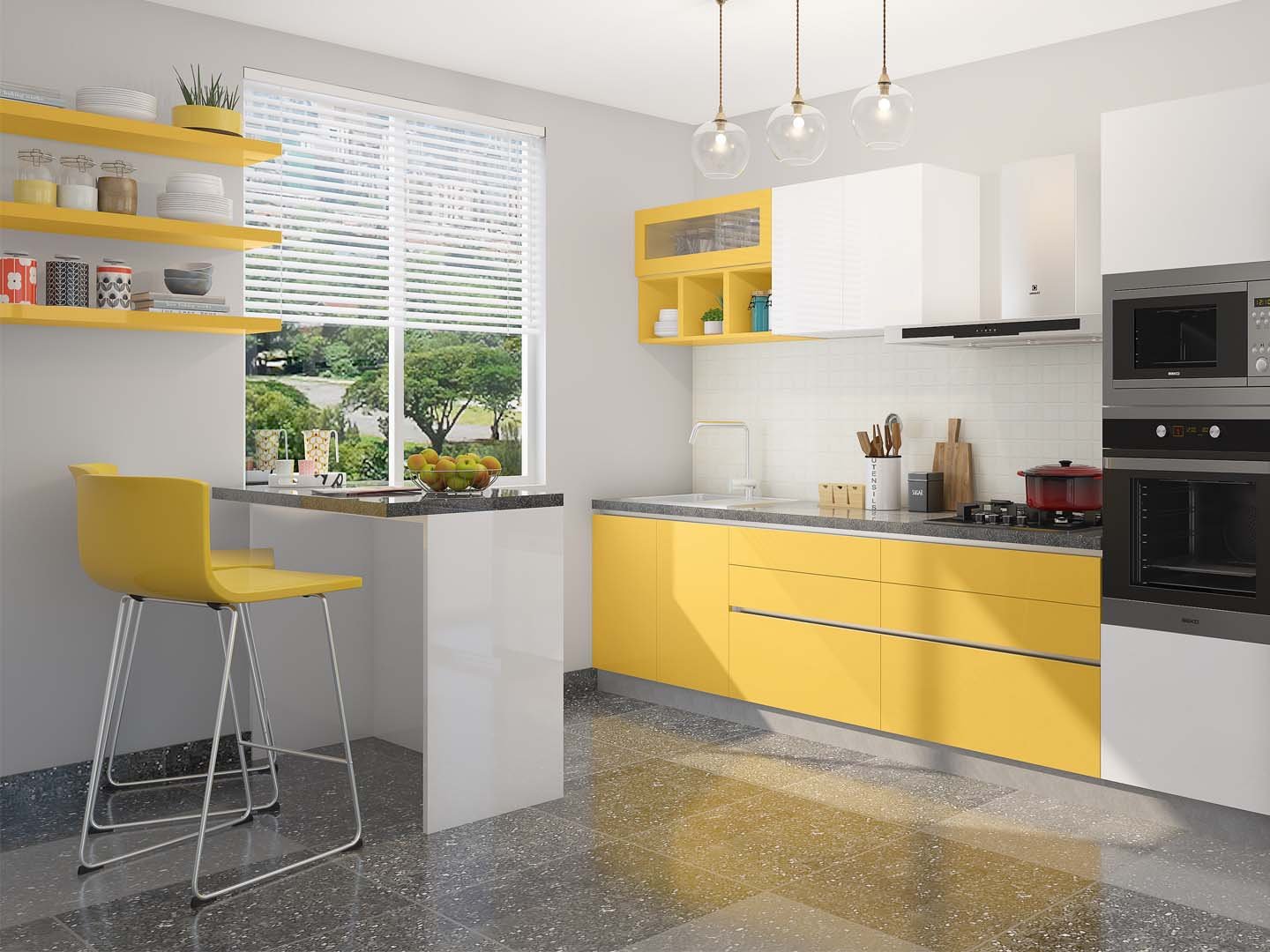
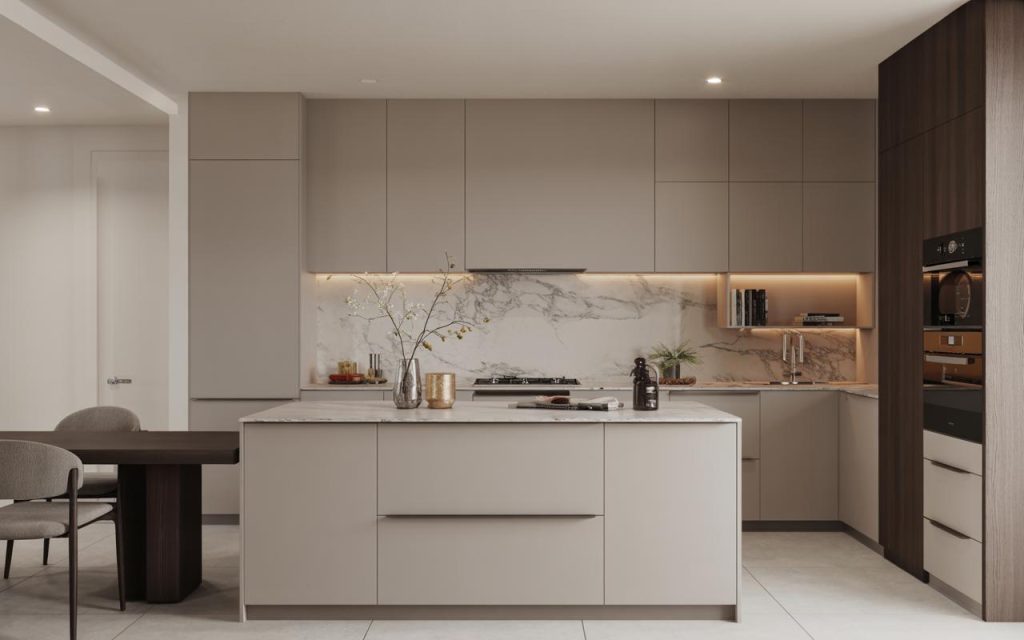
Italian interior design with marble backsplash modern kitchen
The kitchen is the heart of the Italian home, designed for both high-performance cooking and social gatherings. An italian interior design kitchen often features handle-less cabinetry for a seamless look and integrated high-end appliances.
Natural stone remains a staple here. An Italian marble tv unit design might be mirrored in the kitchen using the same marble for the island or backsplash to create a cohesive flow throughout the house. The goal is to create a space that looks clinical and clean but feels warm and welcoming when the family gathers for a meal.
From the kitchen, the design language should naturally extend into the primary social hub of the house: the living room.
Dreaming of a Timeless Italian Style Interior Design for Your Home?
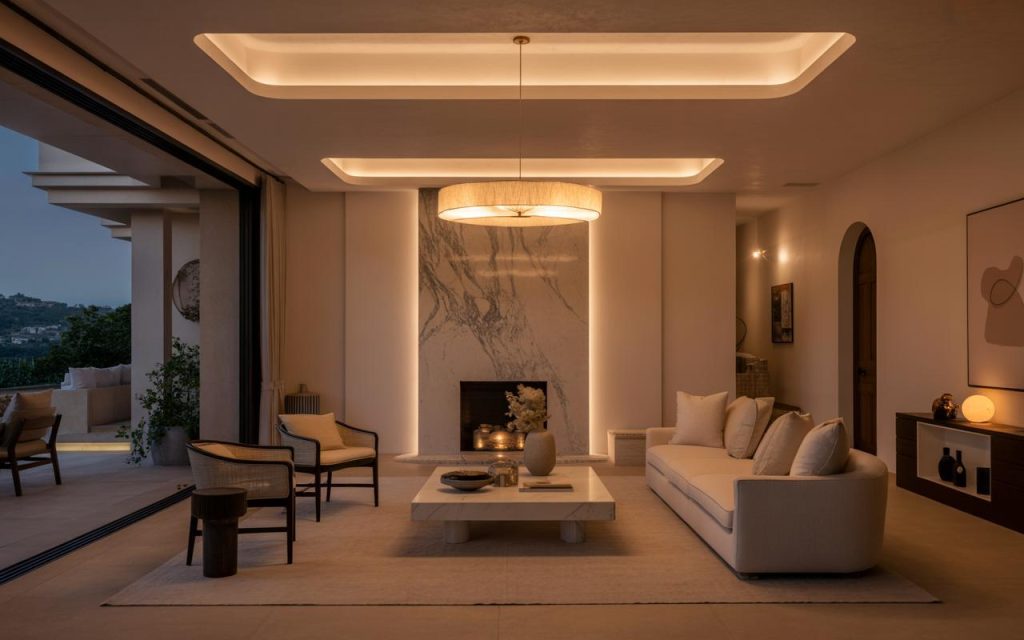
Italian contemporary interior design with marble feature wall
A beautiful home is the result of a plan that respects your daily life and a design that reflects your personality.
At HomeLane, we help you bring the elegance of Italian interior design into your living space with ease. Our experts specialise in creating functional, stunning interiors that work for your budget and your lifestyle. From clever storage solutions to premium finishes, we ensure every corner of your home is rich with intent. Let’s transform your space into a masterpiece of comfort and style.
FAQs On Italian Interior Design
1. What is Italian interior design?
Italian interior design is an aesthetic that blends historical grandeur with modern minimalism. It is characterised by high-quality craftsmanship, natural materials like marble and leather, and an emphasis on open, light-filled spaces.
2. How do I add Italian style to my living room?
To add Italian style, focus on a neutral colour palette, invest in a low-profile modular sofa, and incorporate a focal point like an italian marble tv unit design. Use architectural lighting and a few bold pieces of art to complete the look.
3. Which colour schemes are typical in Italian interiors?
Typical schemes include earthy neutrals like terracotta, beige, and cream, often contrasted with crisp whites or deep jewel tones like emerald green and navy blue in more classical settings.
3. What materials and textures define Italian design?
The design is defined by high-end natural materials including marble, granite, fine leather, solid wood, and wrought iron, often finished with smooth, polished textures or tactile stucco walls.
























 EXPLORE MORE