8 Essential Insights on Wood Polish for Timeless Indian Interiors
By Bivin Peter- March 31, 2026
Summary:
Selecting a wood polish for Indian homes often involves a frustrating trade-off between achieving a high-end aesthetic and ensuring long-term protection against humidity. As part of evolving Home decor ideas, the tactile warmth of real timber is increasingly preferred over laminates, but untreated wood is a porous material that is highly susceptible to moisture-induced rot and fungal growth. If you are struggling to maintain the glow of your furniture or architectural elements, the right wood polish is the definitive solution for 2026. This guide explores modern finishes like durable PU and heat-resistant Melamine to help you preserve your timber while creating a timeless, elegant interior.
Best For:
Homeowners seeking to preserve heirloom furniture or enhance modern wooden architectural elements like partitions and cabinetry.
Expert Tip:
HomeLane designers recommend maintaining the lustre of polished wood by avoiding wet mops; instead, use a damp microfiber cloth followed immediately by a dry one to prevent moisture seepage into the wood fibers.
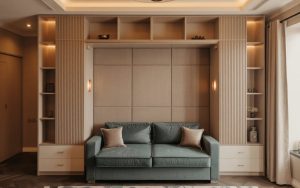
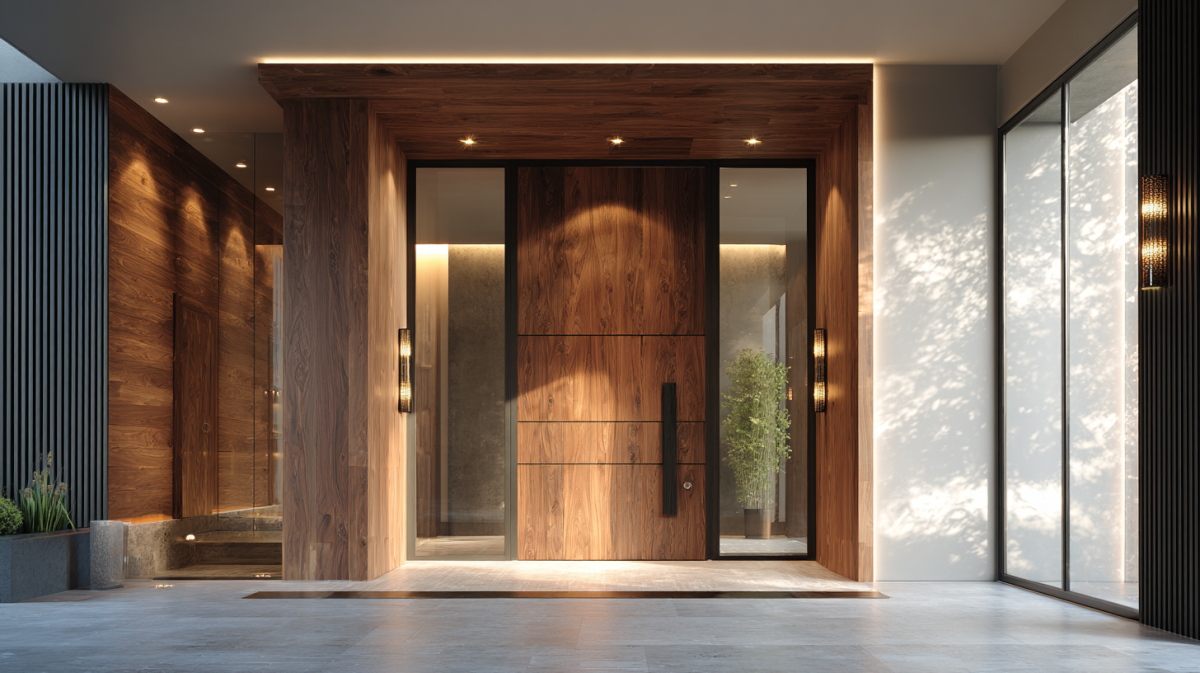
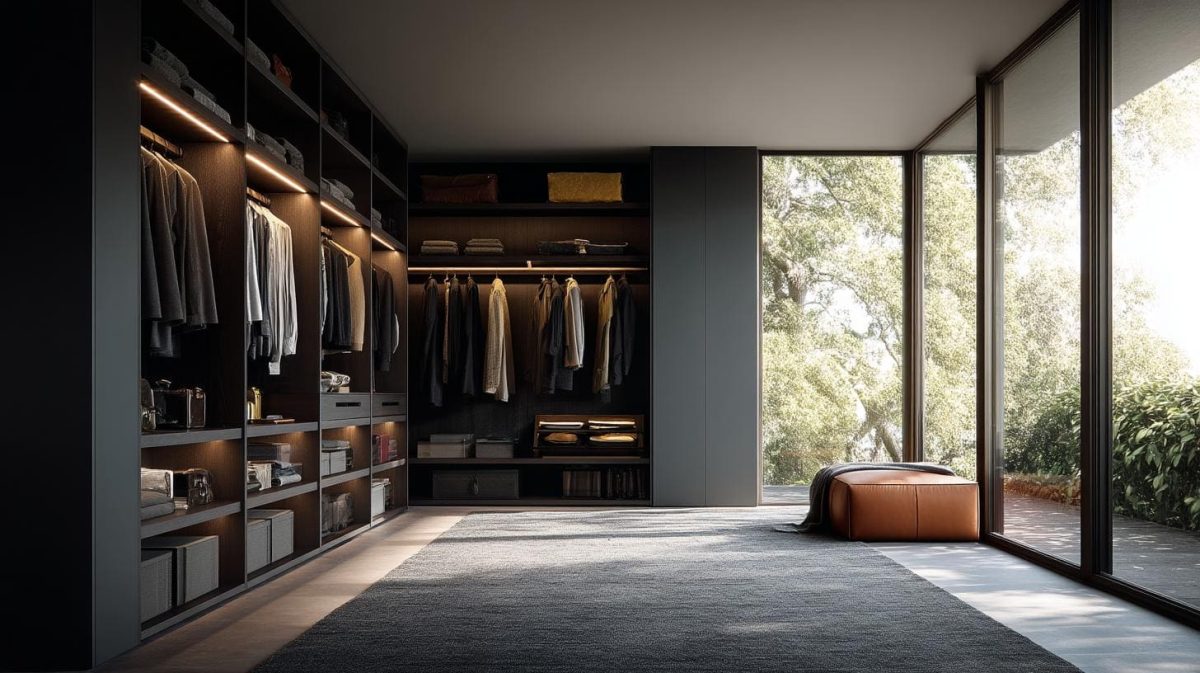
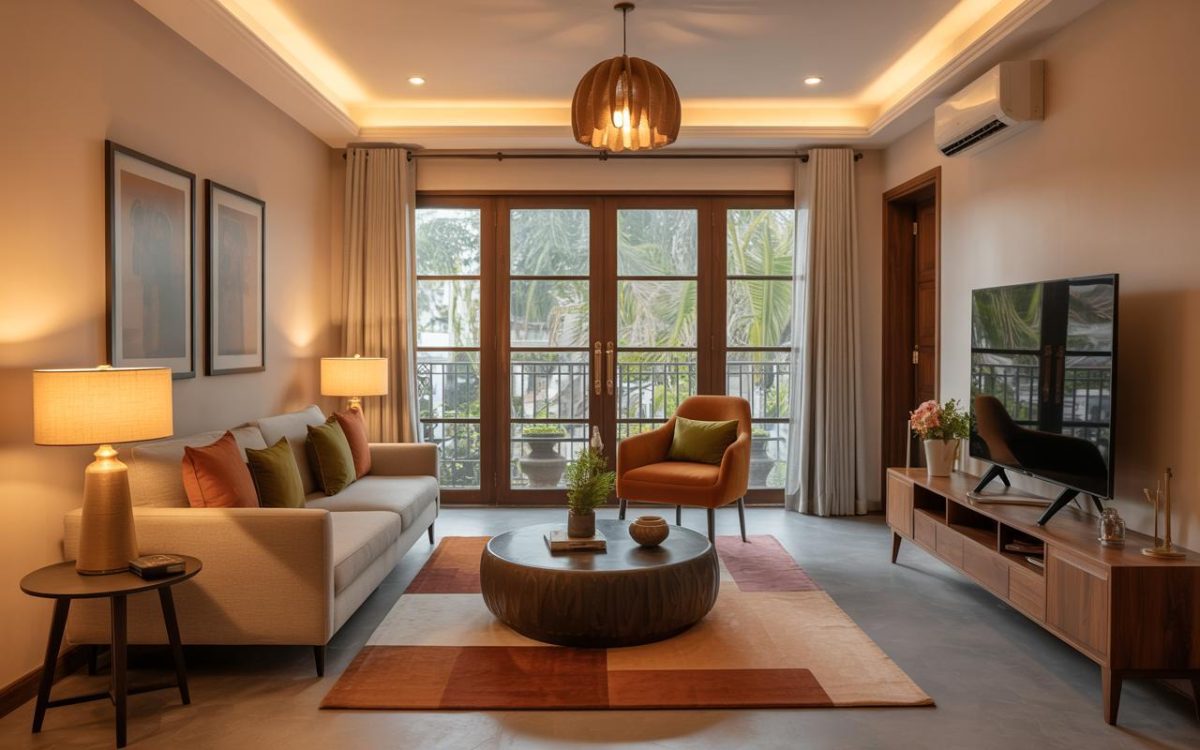
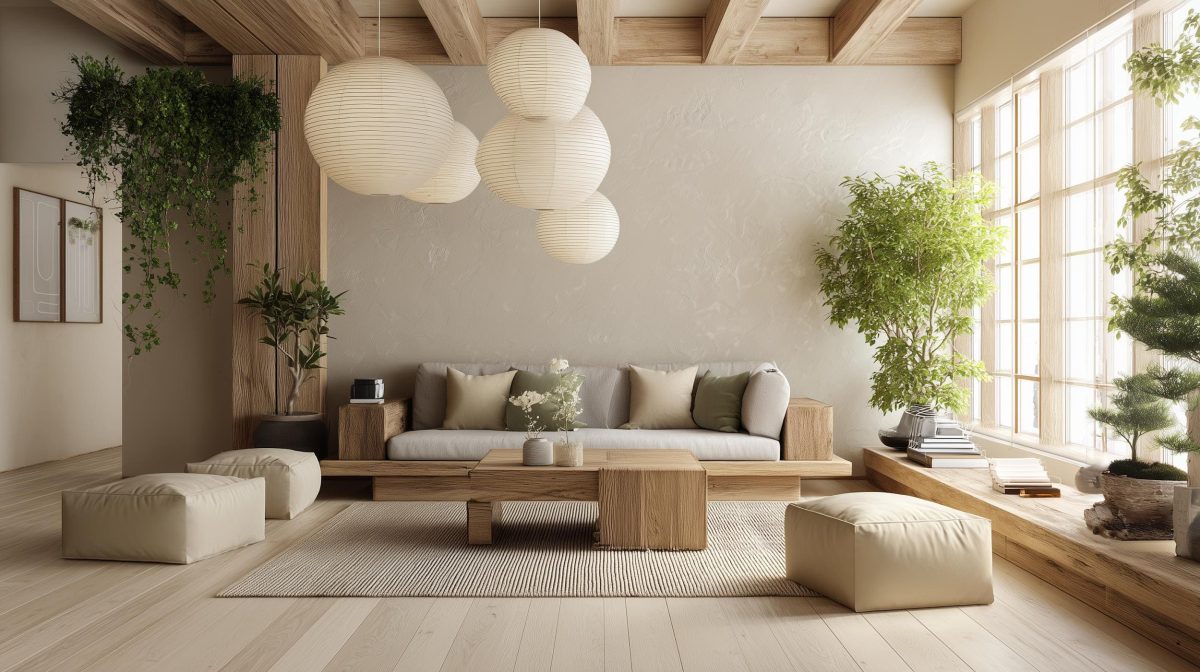
Achieve a timeless glow with premium teak wood polish treatments.
Have you ever noticed how a vintage heirloom chest or a bespoke teak dining table seems to hold a certain glow that defies time? In the landscape of Indian homes, where timber is often the soul of the decor, that radiance is rarely an accident. It is the result of a carefully chosen wood polish. Whether it is the grand entrance door or a delicate partition for the living room, the finish applied to timber does more than just shine; it preserves the very legacy of the material.
As we move through 2026, the appreciation for organic textures is at an all-time high. Modern homeowners are no longer satisfied with plastic-like laminates; they want the tactile warmth of real grain. However, wood is a living material that breathes, expands, and eventually fades if left unprotected. Selecting the perfect wood polish is the definitive bridge between a piece of furniture looking “old” and looking “antique.”
Before diving into the technicalities of application, it is vital to understand the fundamental role this finish plays in the ecosystem of your home’s interior design.
Why Wood Polish Matters in Interior Design
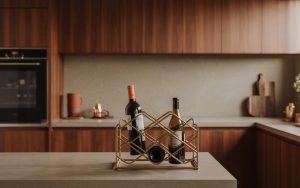
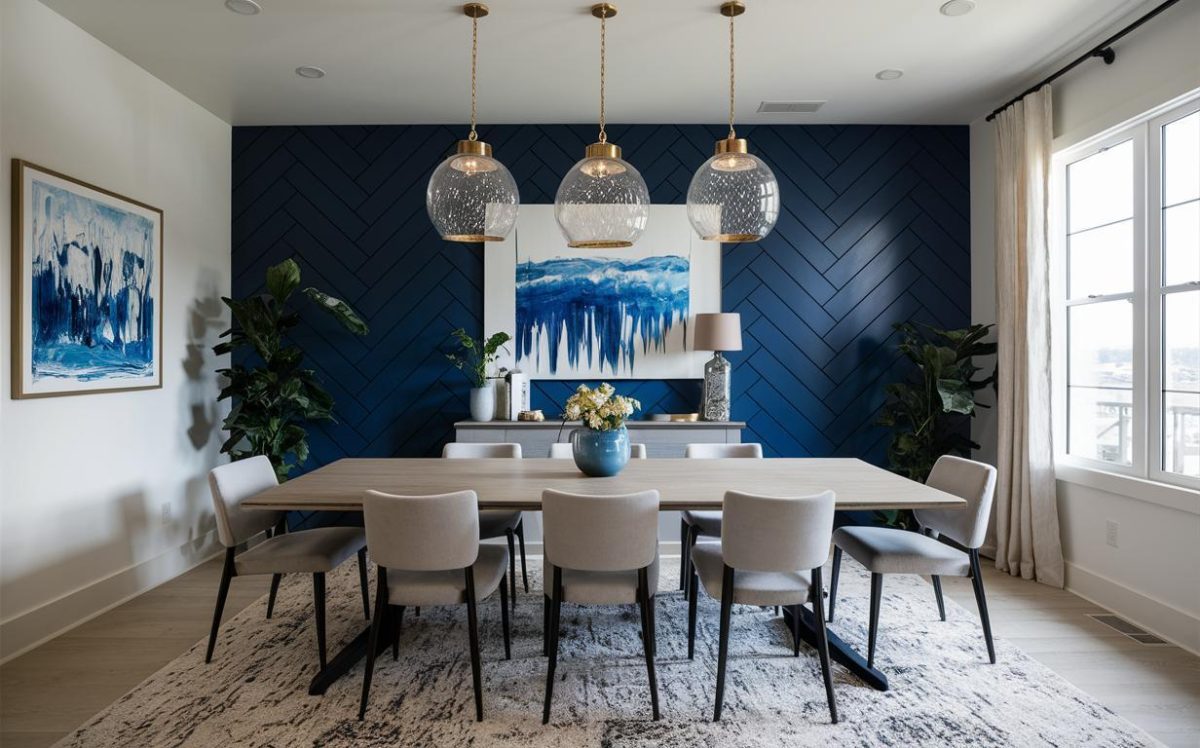
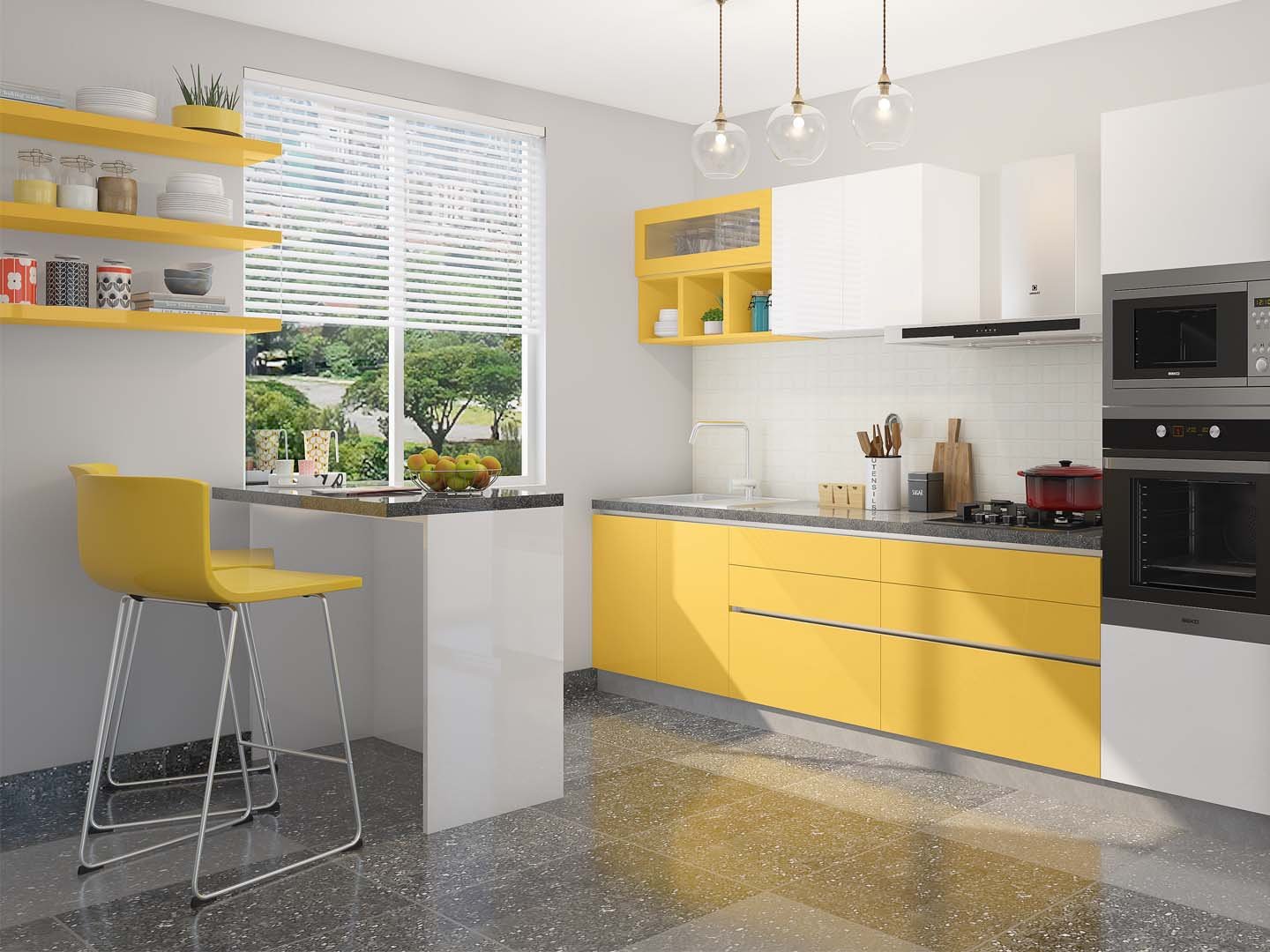
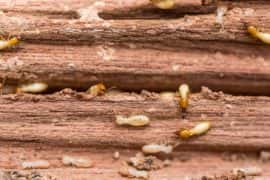
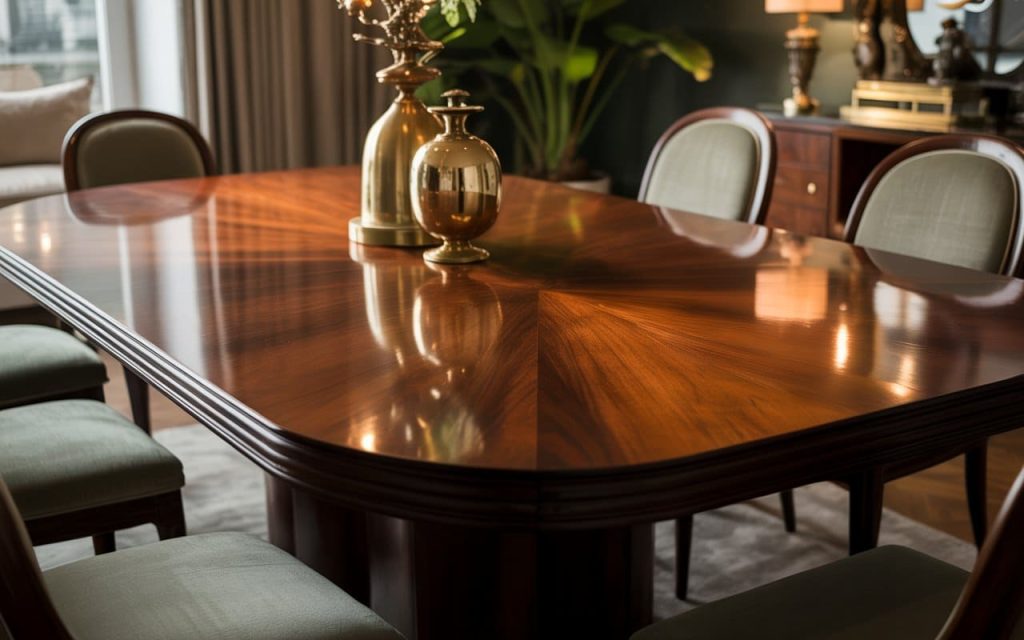
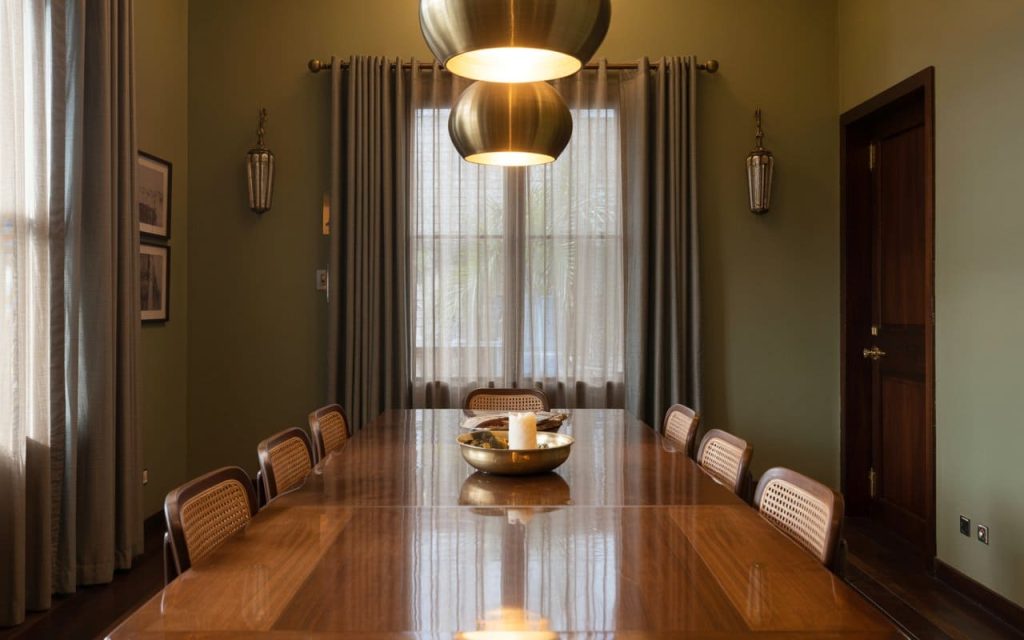
Protect your surfaces with a durable wood polish for dining table.
Timber is porous by nature. Without a high-quality wood polish, moisture from the humid Indian monsoons can seep into the fibres, leading to rot or fungal growth. Beyond protection, the polish acts as a highlighter for the wood’s natural character. It deepens the hue of the grain, making the swirls of mahogany or the straight lines of oak stand out as pieces of art.
In an open-plan layout, the finish on your furniture helps define the mood. For instance, a high-gloss finish on a modern partition for living room can add a touch of formal luxury, while a matte wax finish creates a rustic, earthy vibe. By sealing the surface, you also make the wood resistant to the daily “wear and tear” of a busy household, from tea spills to dusty winds.
The beauty of the finish, however, depends entirely on the chemistry of the product used. Let’s explore the various options available in the Indian market today.
Different Types of Wood Polish and Their Applications
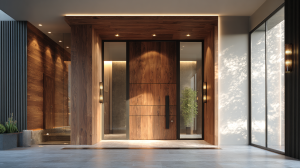
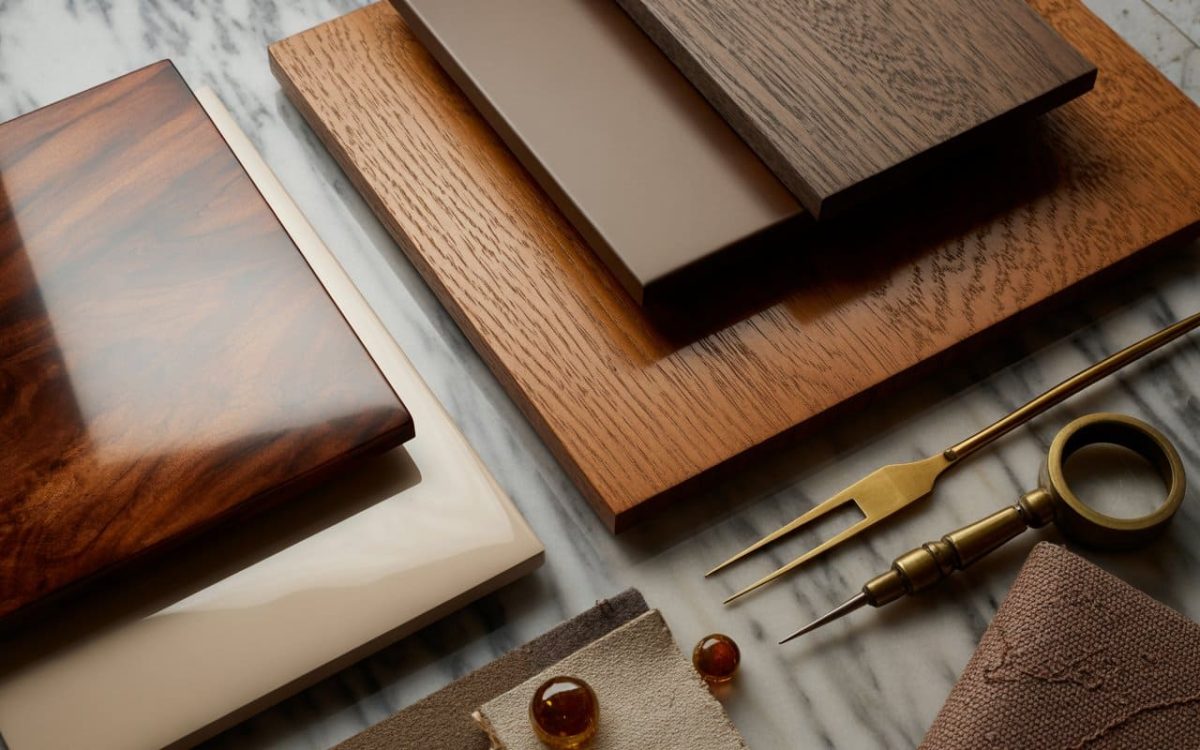
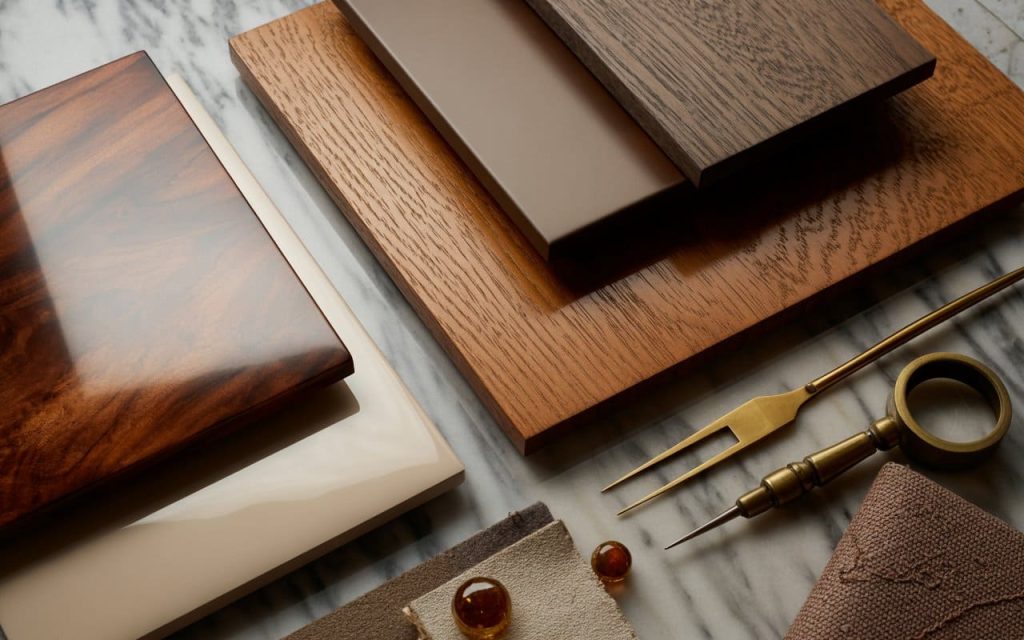
Explore various textures with a professional wooden pu polish.
Choosing a wood polish is not a one-size-fits-all decision. The choice depends on the type of wood and the level of exposure it will face.
PU (Polyurethane) Polish: Known for its extreme durability, PU is a favourite for high-use surfaces. It is often applied to a wooden partition for the living room to ensure it remains scratch-resistant.
Melamine Polish: This is a popular choice in India for a semi-gloss look. It dries quickly and offers a thin, protective layer that resists heat.
French Polish: The classic choice for antiques. Using shellac, this method requires skilled labour but results in a deep, shimmering glow that is unmatched for accent pieces.
Lacquers: These are thin, fast-drying finishes that are great for deep-grained woods. They are often used on a simple partition design for the living room and dining hall to keep the look light and airy.
Wax and Oils: For those who prefer a natural feel, oils like linseed or tung oil penetrate the wood, while wax stays on top to provide a soft sheen.
Knowing the types is step one; step two is matching them to the specific architectural elements of your home.
Selecting the Right Polish for Your Interior Woodwork
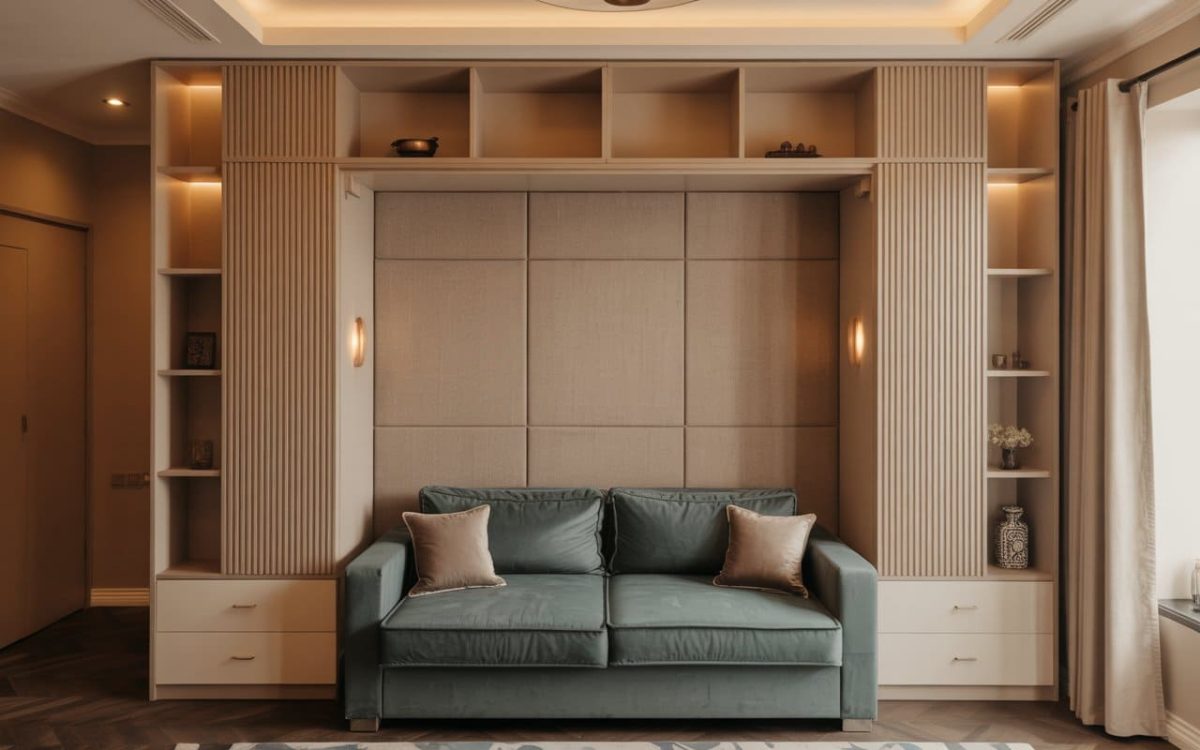
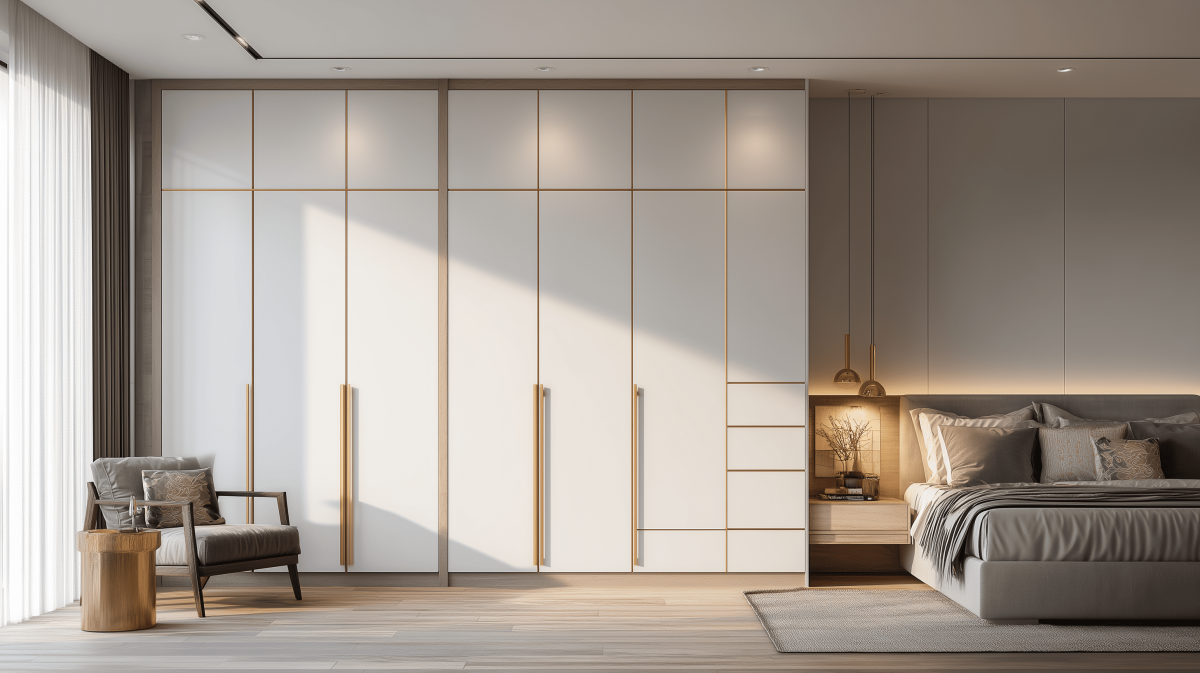
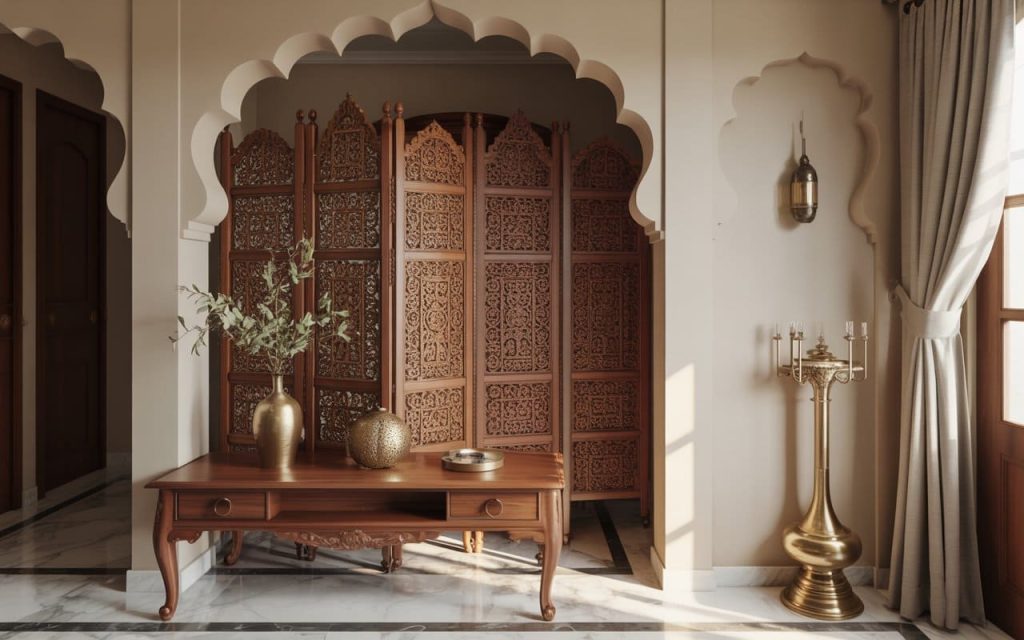
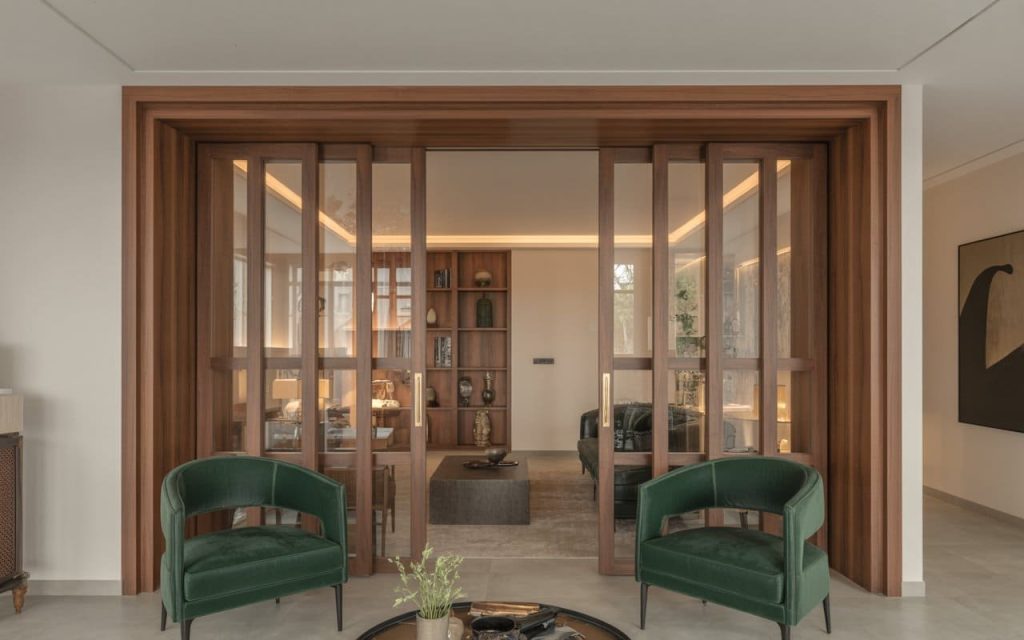
Enhance sliding room dividers with a beautiful natural wood polish.
When deciding on a finish, consider the function of the piece. If you are designing a modern partition design for the living room and dining hall, you might want a finish that complements both the lounge’s luxury and the dining area’s practicality.
For a glass partition for the living room that features wooden framing, a moisture-resistant wood polish is essential, as glass cleaning agents can sometimes spray onto the wood. If the goal is a minimalist aesthetic, a simple partition design for living room and dining hall often looks best with a matte or satin finish, preventing harsh light reflections that can make a small space feel cluttered.
Once the selection is made, the magic happens during the application process, which requires patience and precision.
Step-by-Step Overview of the Wood Polishing Process
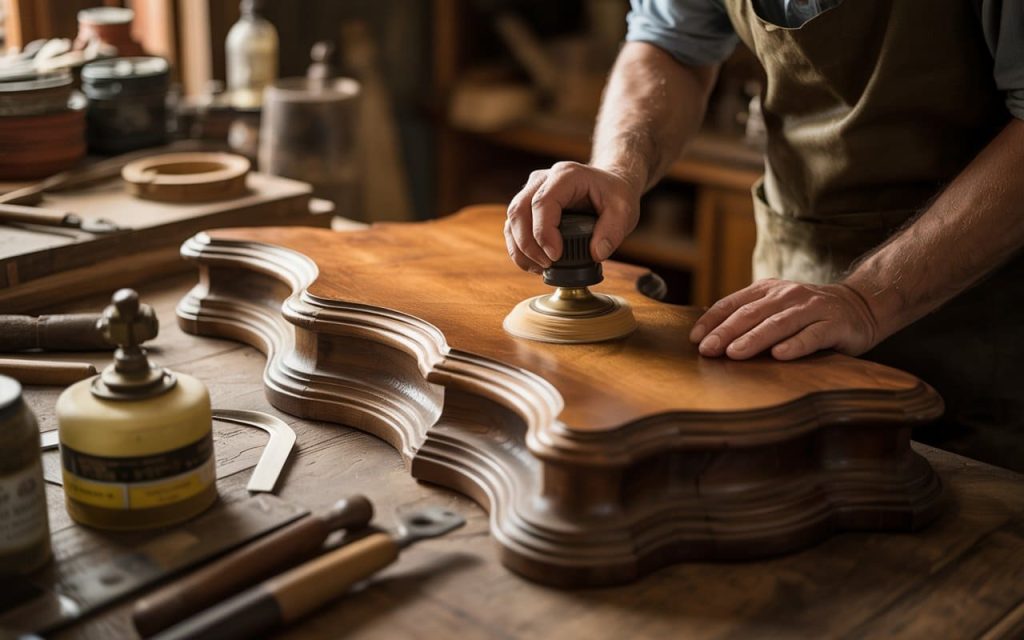
Learn how to apply wood polish at home for professional results.
A professional-grade wood polish finish is achieved through layers, not a single coat. The process generally follows these stages:
Sanding: The wood is sanded with various grits of sandpaper to remove imperfections and open the pores.
Staining: If a change in colour is desired, a stain is applied before the wood polish.
Sealing: A sanding sealer is applied to create an even base and prevent the final polish from soaking in unevenly.
Padding or Spraying: Depending on the type, the wood polish is applied using a soft cloth (padding) or a spray gun for a factory-smooth finish.
Buffing: Between coats, the surface is lightly buffed to ensure the final layer is as smooth as glass.
This meticulous process ensures that your wood and glass partition for the living room looks pristine for years. However, even the best polish needs a little TLC to maintain its lustre.
Maintenance Tips for Long-Lasting Polish Finish
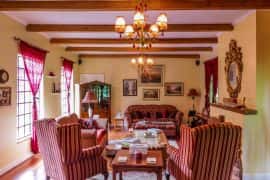
Maintain a reflective surface with liquid furniture polish regularly.
The longevity of a wood polish depends on how it is treated daily. Direct sunlight is the enemy of polished wood, as UV rays can cause the finish to crack or discolour.
Dusting: Use a soft microfibre cloth. Avoid feather dusters as they can occasionally scratch the topcoat.
Cleaning: Never use wet mops on polished wood. A damp cloth followed immediately by a dry one is the safest route.
Re-polishing: Surfaces like dining tables may need a “refresh” coat of wax every few months, whereas a wooden partition for the living room can often go years without a touch-up.
As we become more conscious of our indoor air quality, the demand for safer, non-toxic finishes is also on the rise.
Transforming Your Vision into a Polished Reality
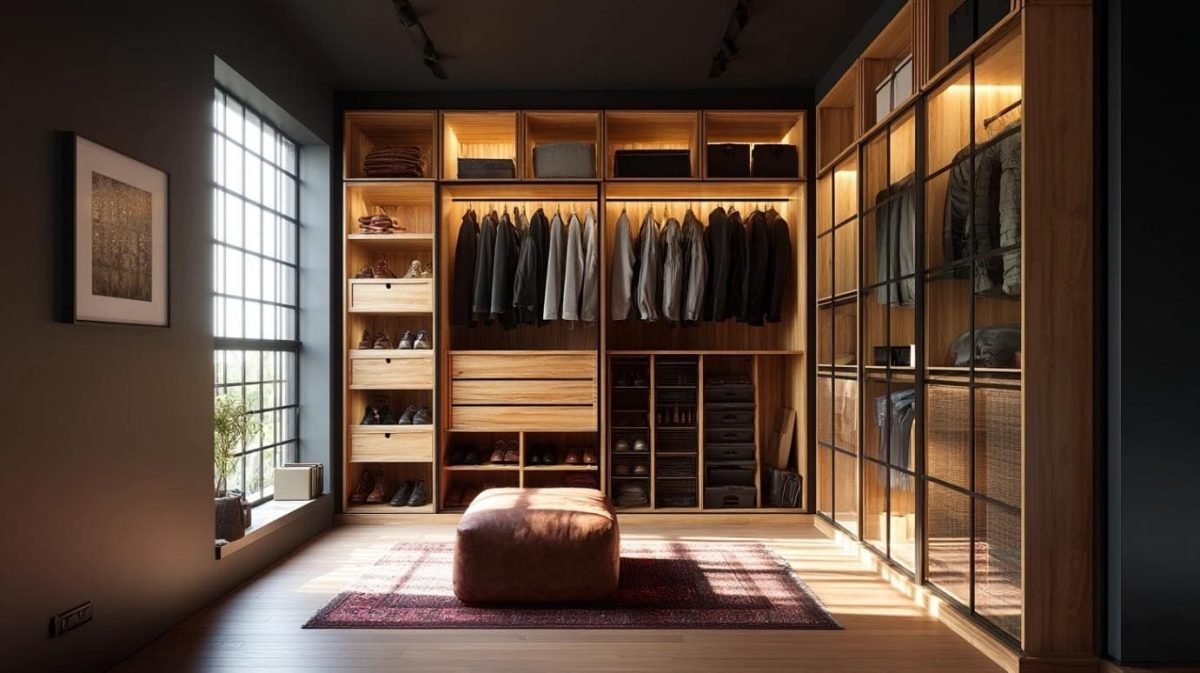
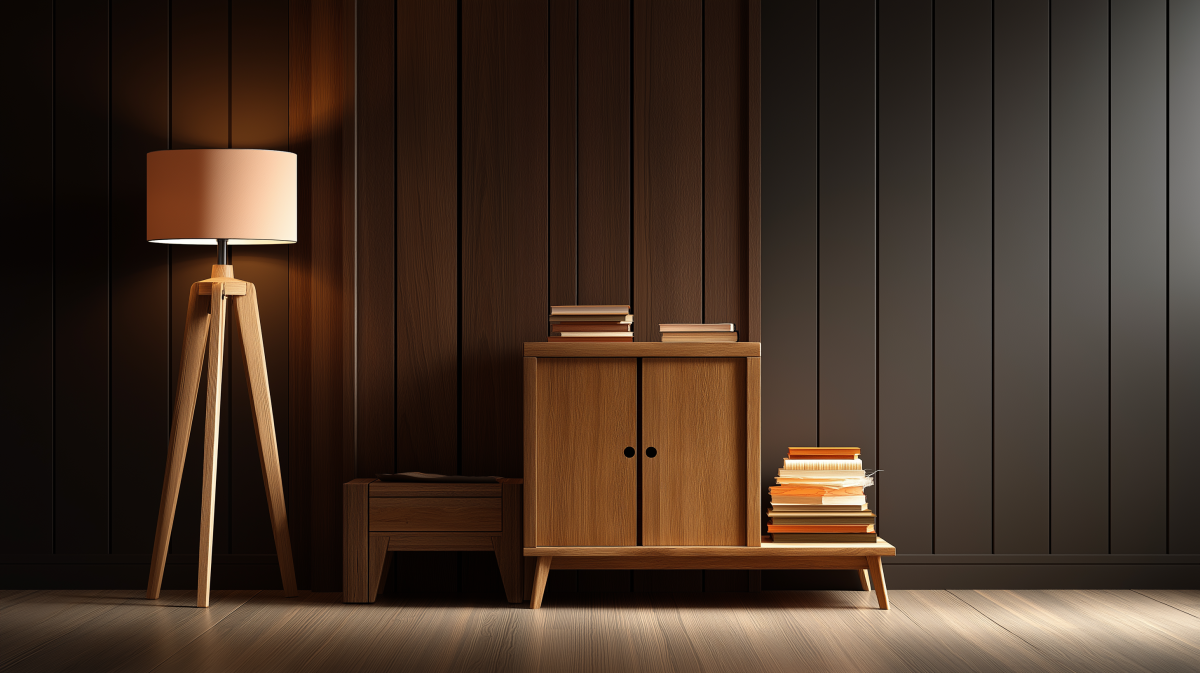
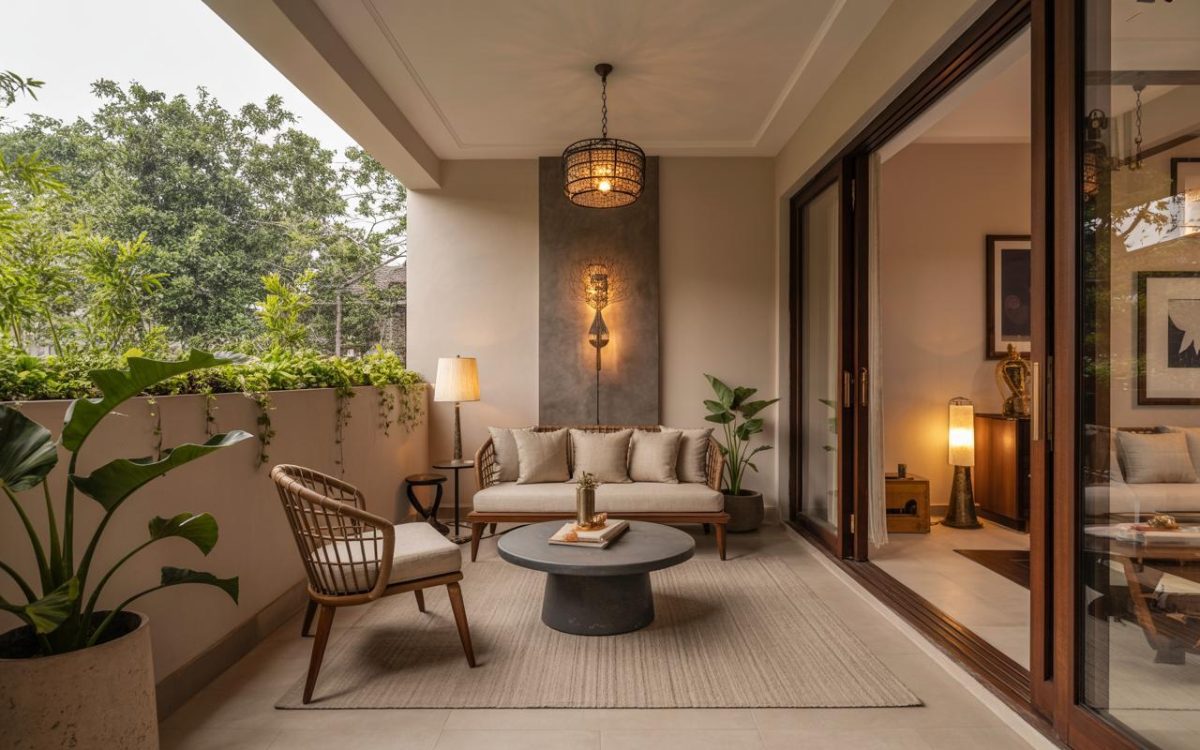
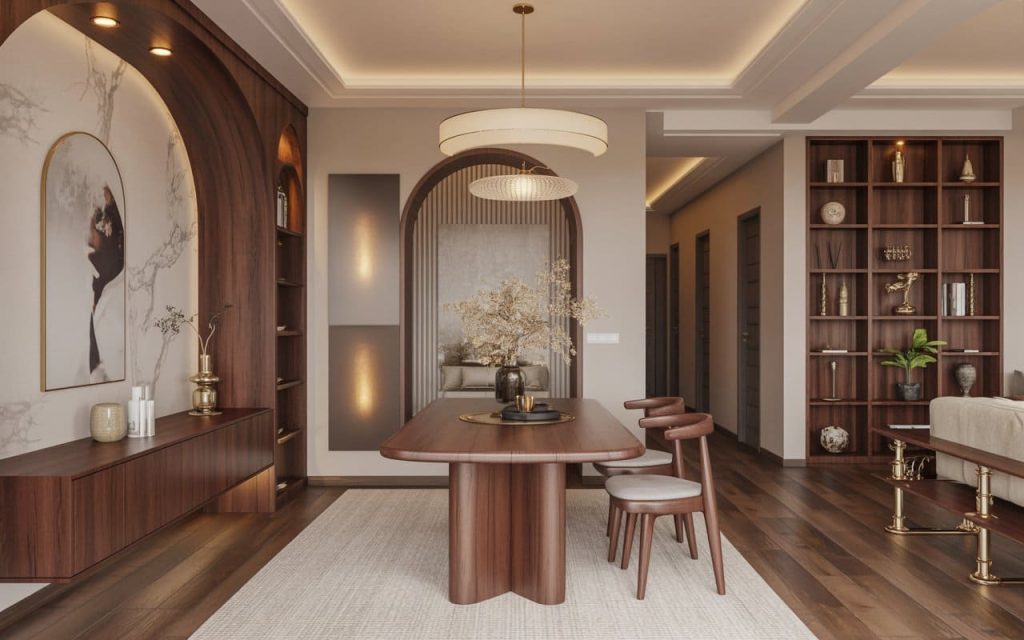
Enhance the warmth of your home with a superior wood shine polish.
A beautiful home is born from the harmony of materials, textures, and expert care. Even the most modest piece of furniture can become a masterpiece with the right design intent. At
HomeLane, we believe that elegance lies in the details, from the perfect wood polish to the most functional layout. Our experts craft interiors that respect your lifestyle and reflect your unique identity. We design spaces that function well and look exceptional. Let’s transform your home into a space that gives you peace.
FAQs On Wood Polish
1. What is wood polish?
A wood polish is a protective coating applied to wooden surfaces to enhance their natural grain, provide a decorative sheen, and protect the timber from environmental factors like moisture, dust, and UV rays.
2. What are the different types of wood polish available?
The main types used in India include PU (Polyurethane), Melamine, French polish (Shellac), Lacquers, and natural finishes like wax or oils. Each offers different levels of durability and gloss.
3. How do I choose the right wood polish for my furniture?
Selection depends on usage. For high-traffic items like dining tables, PU or Melamine is best. For decorative items like a wooden partition for the living room, a softer wax or a fast-drying lacquer may suffice.
4. What are the benefits of oil-based wood polish compared to wax or lacquer?
Oil-based wood polish penetrates deep into the wood fibres, nourishing the timber from within. Unlike lacquer, which sits on top as a film, oil provides a more natural, matte look and is easier to spot-repair if scratched.
5. Can I use wood polish for outdoor furniture?
Yes, but you must use a specific exterior-grade wood polish. Exterior finishes contain UV blockers and extra fungicides to withstand harsh sunlight and rain, which standard interior polishes cannot handle.


















 EXPLORE MORE