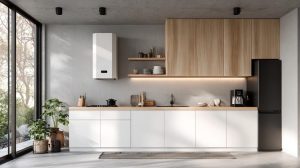
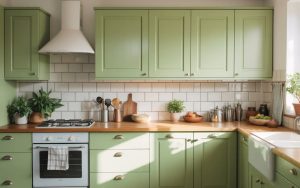
Incorporating unusual concepts in kitchen interior design has become very popular these days. So while the cabinets and lampshades do occupy certain spaces in the kitchen, people bring in unique items such as a small garden inside the kitchen to make the space look different and refreshing. Additionally, kitchen gardens also supply a useful stock of fresh herbs and vegetables, so the benefits become two-fold! If you wish to create a garden in your own kitchen, we have a handy guide to help you get started. Take a look.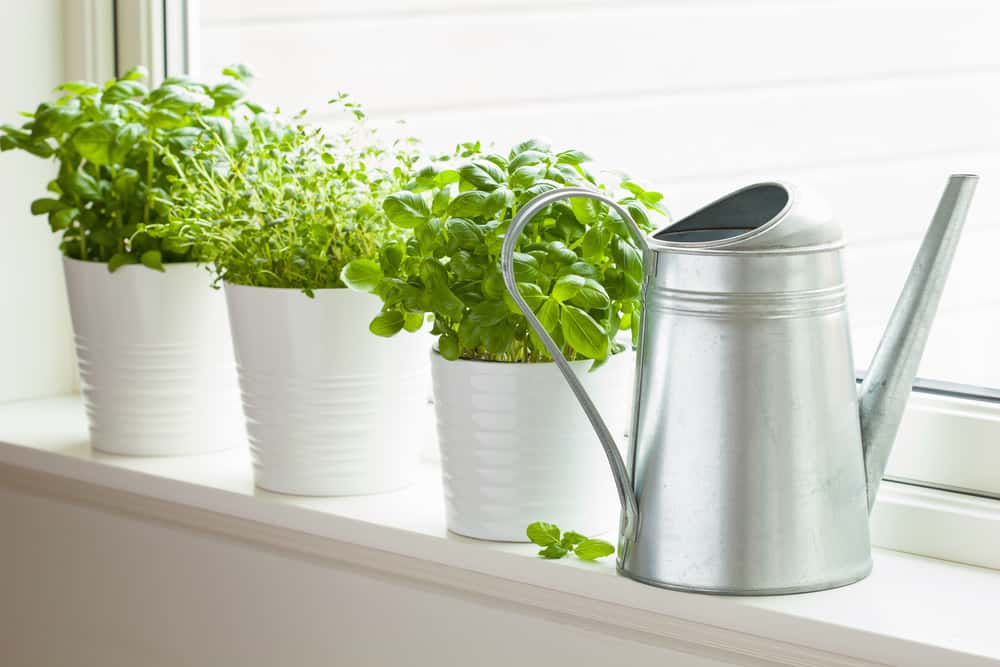
A Step-by-step Guide to Starting a Kitchen Garden
1.Select the Perfect Spot
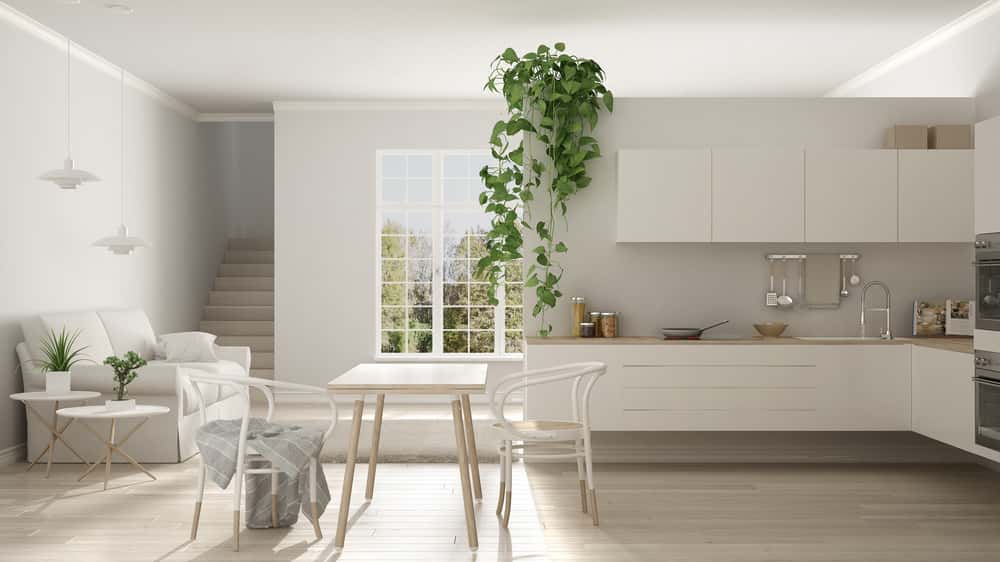
You must begin by selecting the perfect spot in your kitchen to create the garden. This is important for two reasons. First of all, the positioning of the garden would depend on the availability of sunlight. As you know, a garden requires sufficient amounts of sunlight to grow in a healthy manner. You should ideally look for a corner in the kitchen that receives direct sunlight for a few hours every day. The second point to keep in mind is the aesthetic appeal. Your garden shouldn’t look out of place in your kitchen.
2. Get the Proper Containers
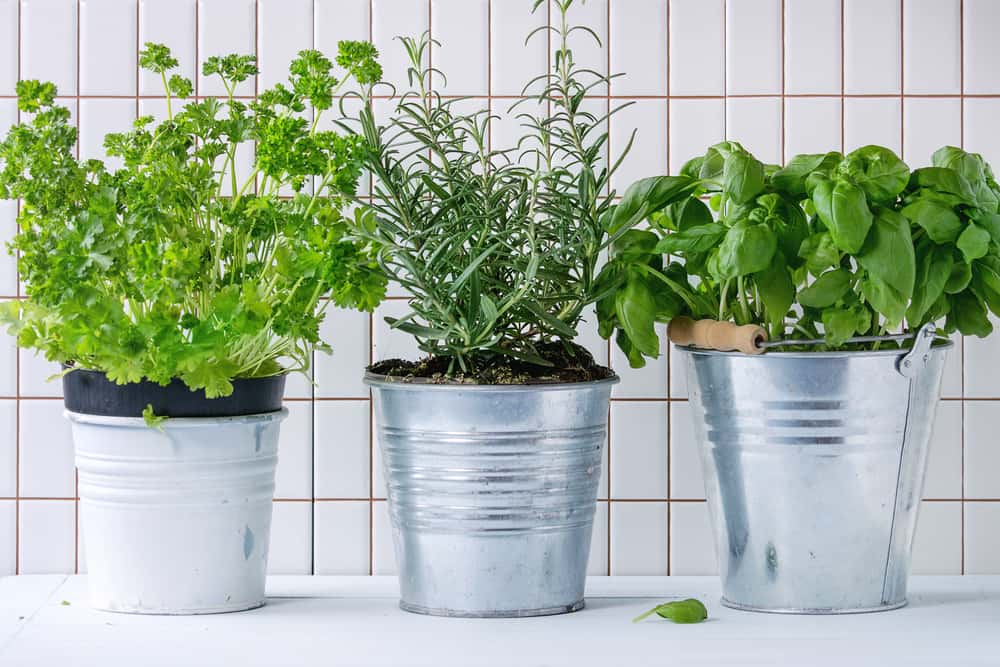
Next, you need to look for the right containers to grow your kitchen garden in. You could opt for earthen pots that are easily available at nurseries. But to give your kitchen garden a unique look, you could start planting the produce in old kitchen containers such as plastic bottles or metal jars. Recycling is very much in vogue these days. Make use of it and utilise your old containers in a trendy way. Just remember to drill some holes at the bottom so that there is moisture balance in the soil.

3. Arrange for the Soil
The soil supplies nutrition to the plants so you should be very careful when sourcing it. Unless you have the right soil, your kitchen garden won’t thrive. Get the soil ideally from a nursery. You can also use some good quality soil from your outdoor garden if you have it. Just make sure it is proper and fit to plant the kitchen garden in.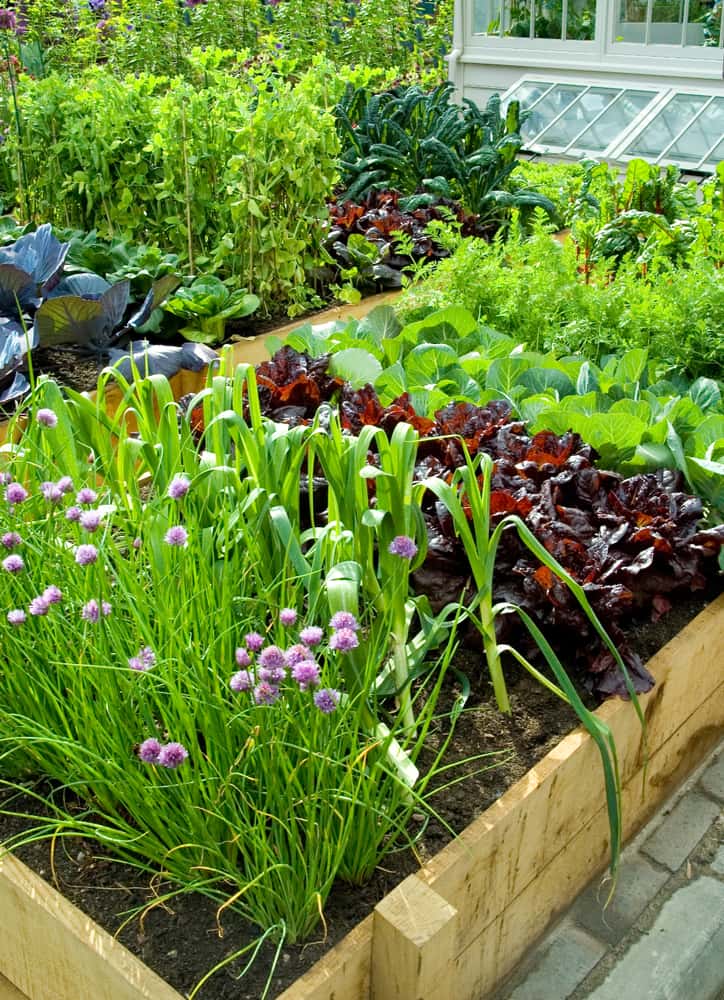
4. Get the Seeds
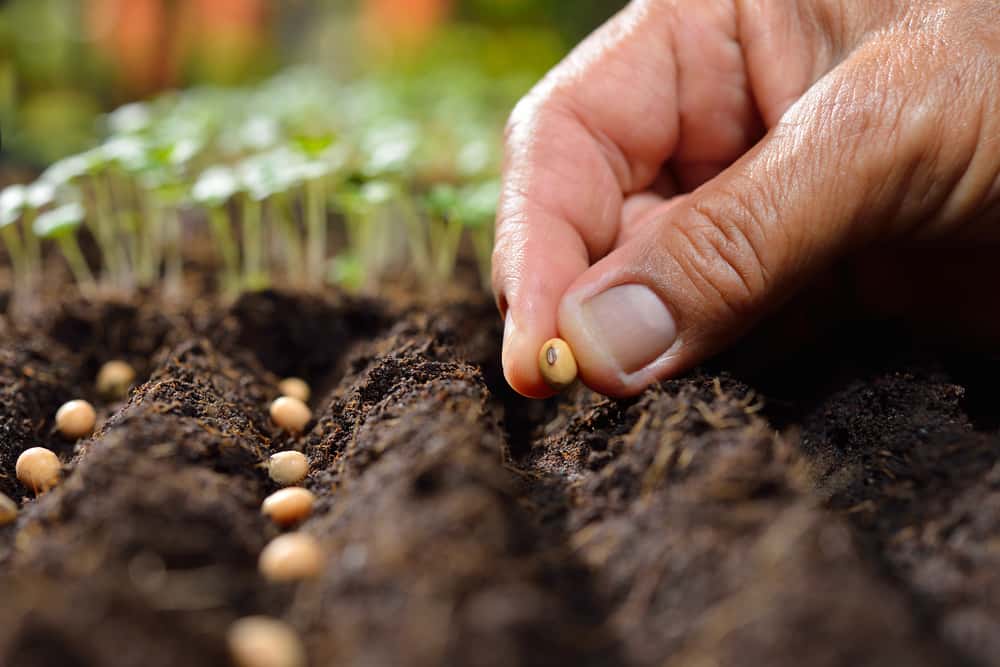
There are some very interesting ways in which you can start a kitchen garden. From replanting a used stalk of herb to planting a whole onion into the soil, you could start your kitchen garden in any way you wish. However, if you want to do it in the traditional manner, you must get the seeds of the plants from a nursery and plant them properly into the pots. This can take a lot of time and patience, but if you are serious and dedicated to having a kitchen garden, you could surely give this method a try.
5. Water Sufficiently
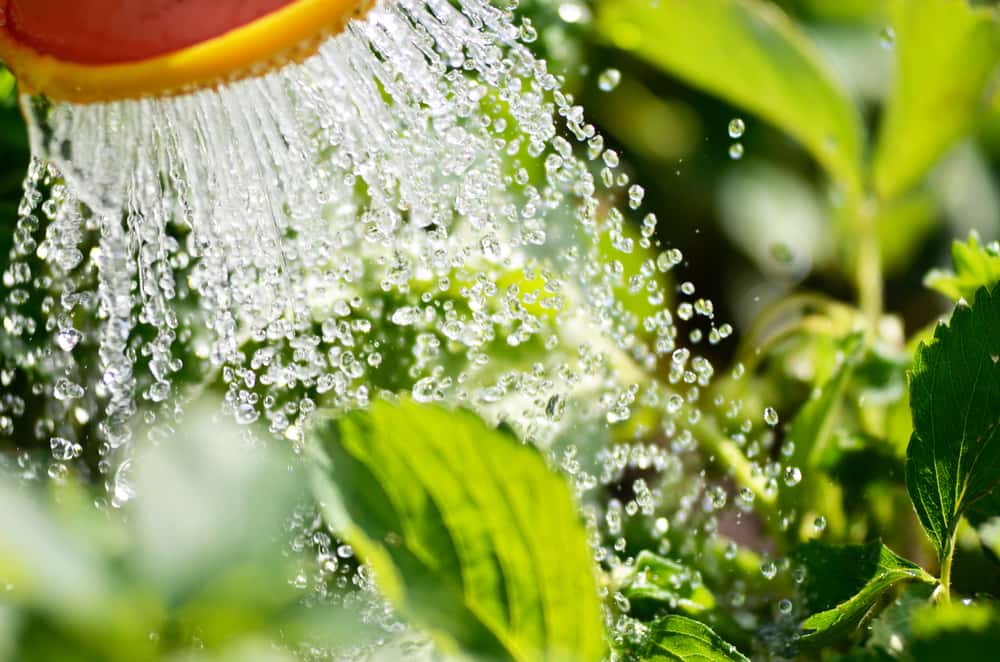
You need to water your plants appropriately, in the correct volume. Water keeping the season in mind. For instance, water sparingly during the monsoons and more frequently in the summers. Your kitchen garden should never have excess moisture or dry out completely either. Monitor the moisture level in the soil every day but sticking your finger in. If the soil feels hard and dry, water it properly. If it feels wet, wait for a while before you add water. Also, remember to place trays under the containers to avoid water leakage. Muddy water leakage can ruin your kitchen design and make the place look terrible.
6. Fertilise
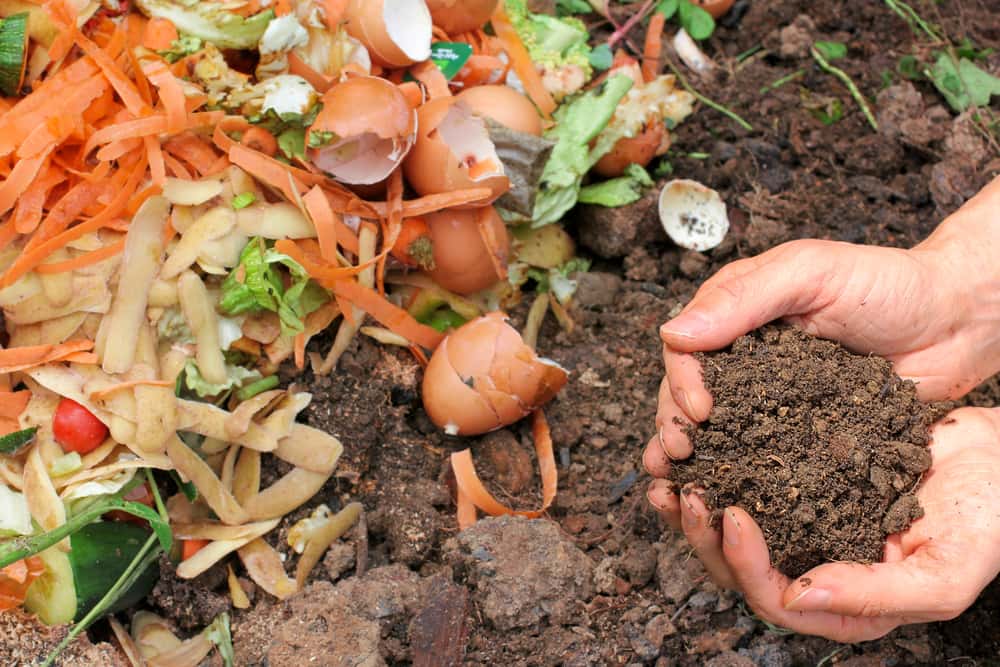
Your kitchen garden won’t grow on its own – it will need some assistance from you. You should fertilise the plants from time to time. You do not need to worry too much about this. Just use some organic fertilisers you find in the kitchen itself. Place used teabags, coffee beans, banana peels, eggshells, etc as fertilisers. You will be amazed to see the difference these fertilisers can make.
7. Choose Your Plants Wisely
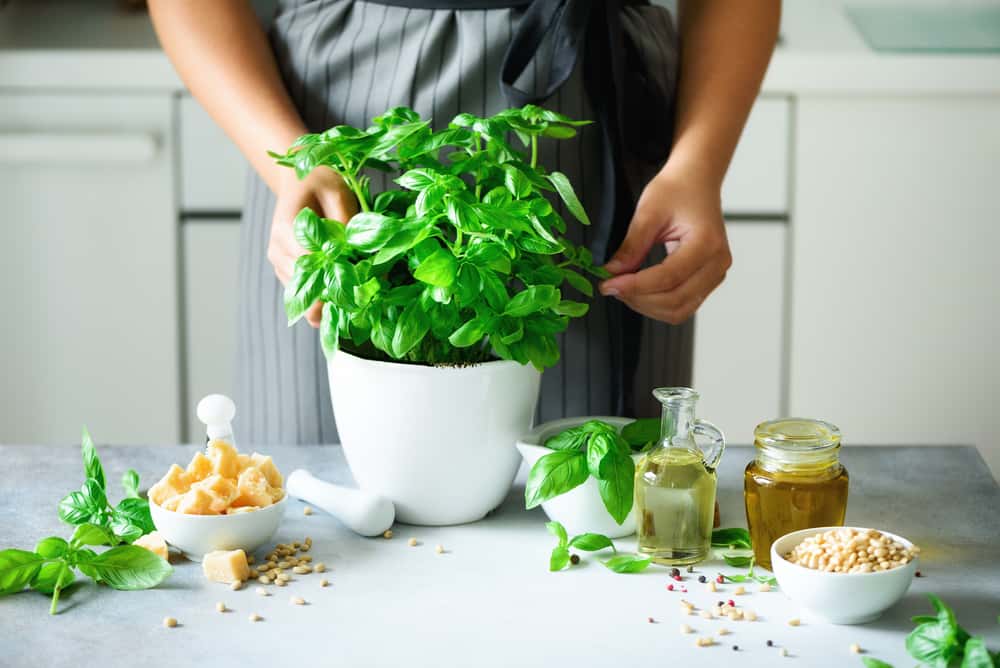
Choose your plants wisely. If you are a newbie, begin with some easy-to-grow herbs like coriander and basil. Do not venture out to grow vegetables or flowers right at the offset. Once you get a hang of things and know your basics, you can move on to the next step and think about growing the more complex plants.
A wallpaper and some fancy bar stools may give your kitchen a very modern look, but a small garden will give it a unique and personalised touch without significantly affecting your modular kitchen cost. So try something new and grow a beautiful garden indoors to give your kitchen a wonderful and refreshing look while keeping your modular kitchen cost in check.. For more home decor ideas, check out the HomeLane blog. And if you want any help making your dream home come to life, do contact the expert at HomeLane.
FAQs On Kitchen Garden
1. What is a kitchen garden and why should you have one?
A kitchen garden is a small indoor or outdoor space where you grow herbs, vegetables, or plants for daily use. It adds freshness to your kitchen, improves aesthetics, and provides easy access to organic ingredients, making cooking healthier and more convenient.
2. How do I start a kitchen garden at home?
To start a kitchen garden, choose a sunny spot, select suitable containers, and use nutrient-rich soil. Begin with easy plants like herbs and water them regularly. With consistent care and the right setup, even beginners can successfully grow a thriving kitchen garden.
3. Which plants are best for a beginner kitchen garden?
For beginners, it’s best to start with low-maintenance plants like coriander, basil, mint, or green onions. These grow quickly and require minimal care. Once you gain confidence, you can expand your kitchen garden to include vegetables or more complex plants.
4. How much sunlight does a kitchen garden need?
A kitchen garden typically needs a few hours of direct sunlight daily to grow properly. Placing it near a window or balcony ensures plants get enough light. Without sufficient sunlight, plant growth may slow down, affecting the overall health of your garden.
5. How do I maintain a healthy kitchen garden?
Maintaining a kitchen garden involves regular watering, proper sunlight exposure, and occasional fertilizing. Organic waste like coffee grounds or eggshells can act as natural fertilizers. Monitoring soil moisture and plant health ensures steady growth and long-lasting plants.





































 EXPLORE MORE