7 Mistakes to Avoid While Installing Partitions in Living Rooms
By Usha Balasubramanyan- April 09, 2026
Top Summary
Installing a partition in your living room is sure to improve privacy, organise your space, and create a lovely transition between living and dining areas. But small planning errors can make the room feel darker, cramped, or difficult to move through. Right from choosing the wrong height and blocking natural light to ignoring storage potential, these mistakes lead to costly fixes later. By balancing openness, function, and style you can make sure that the partition fits your daily lifestyle. And whether you prefer glass, wood, sliding, or any other partition design for the living room, thoughtful planning helps you create a divider that feels natural, practical, and visually cohesive with the rest of your home.
Best For
Homeowners planning to divide living and dining areas without major renovation.
Expert Tip
Always mark the partition layout on the floor with tape first and live with it for a day or two; to check movement, light, and comfort before final installation.
Functional modern partition design for living room and dining hall
A well-planned partition can completely change how your living room works. It can separate dining from seating, add privacy without walls, and even introduce storage or display areas. But a poorly planned partition design for living room spaces can make the room feel darker, tighter, or awkward to move through.
Before installing any partition for the living room, it helps to know what not to do! Here are seven common mistakes and smarter ways to handle them.
1. Choosing the Wrong Partition Height and Scale
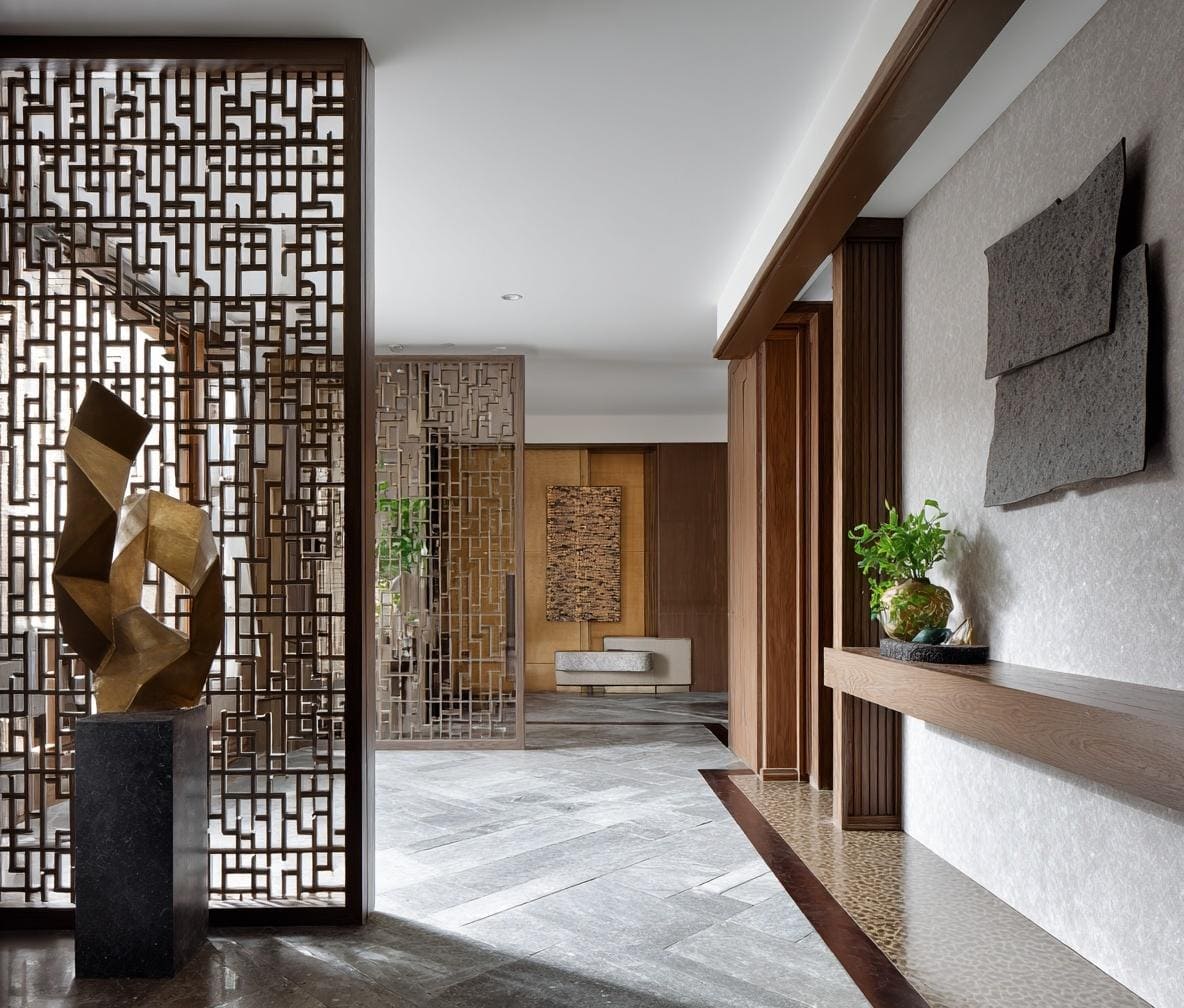
Elegant wooden partition for living room with traditional crafts
Height is where many partition designs for the living room go wrong. A full-height divider in a compact apartment can make the room feel boxed in, while a very low divider may fail to create useful separation.
If you are planning a modern partition design for the living room and dining hall, partial-height partitions often work really well. Open slats, glass panels, or layered shelving help maintain visual continuity.
Also consider furniture scale. A tall bulky divider beside a low sofa can look disproportionate. Always visualise the partition in relation to seating, ceiling height, and lighting before finalising.
2. Ignoring Natural Light and Airflow
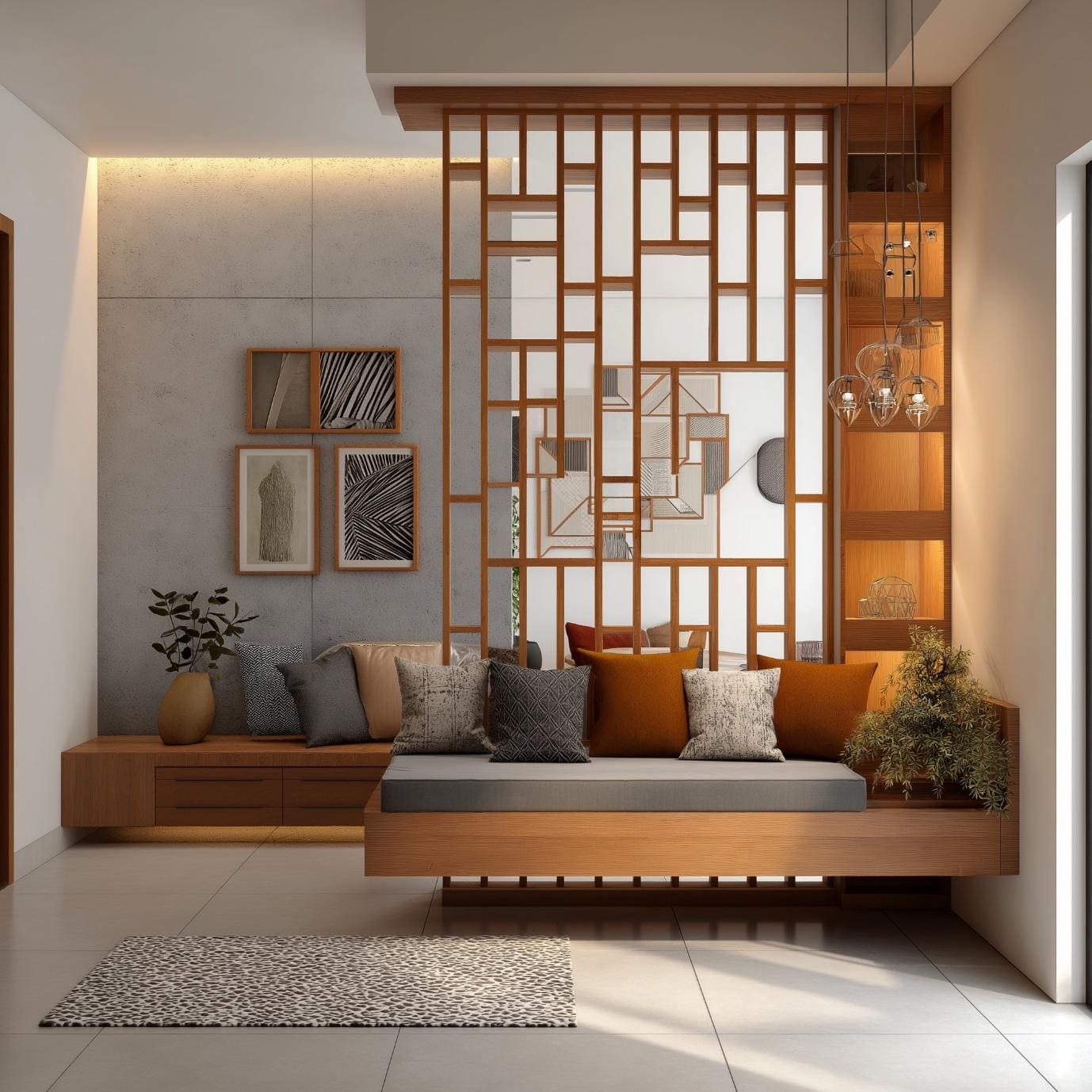
Versatile partition design for living room with built-in seating
Blocking light is one of the fastest ways to make a living room feel smaller. Solid partitions placed between windows and seating areas often lead to gloomy corners and reduced ventilation.
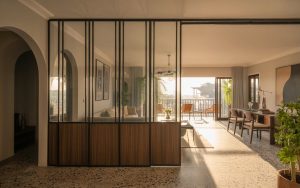
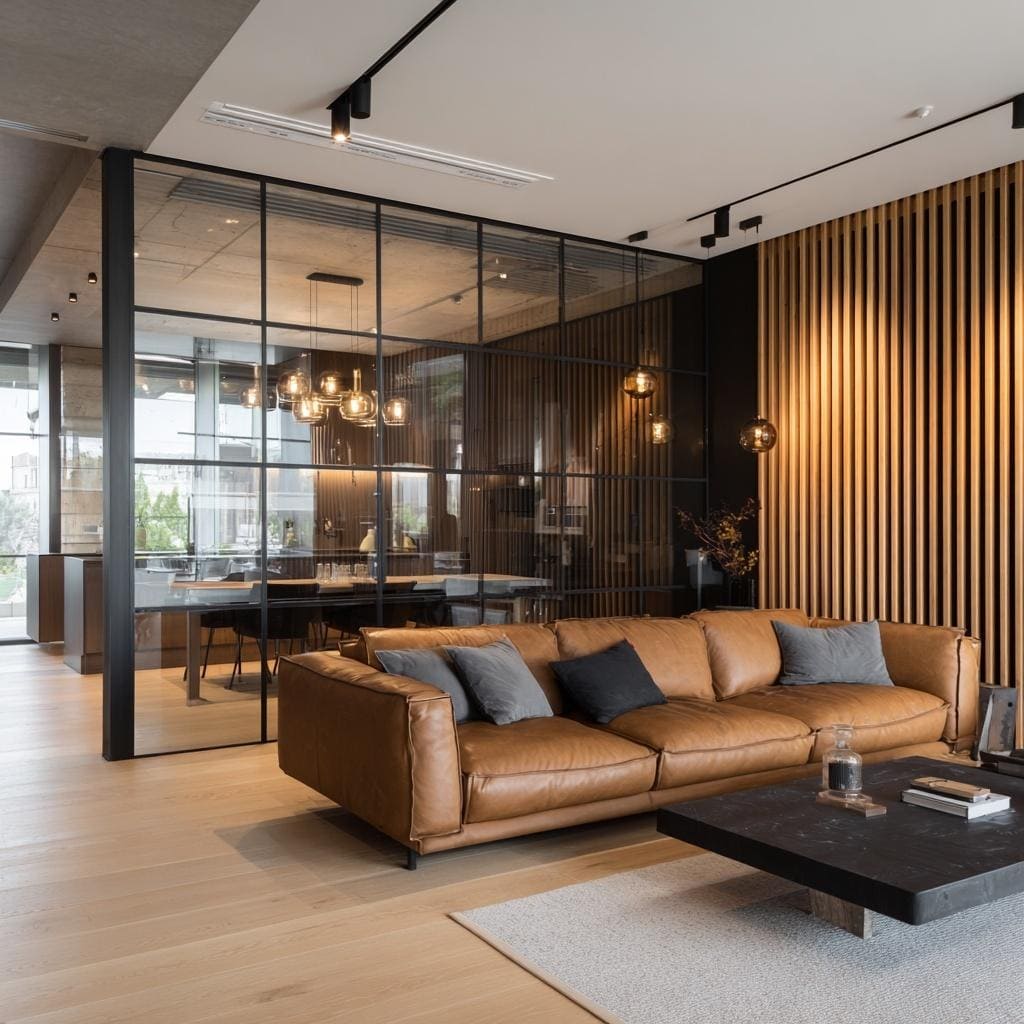
Instead, think about transparency and openness. A glass partition for living room layouts keeps your room bright, while still marking boundaries. If you want warmth, a wood and glass partition for living room combination balances structure with openness beautifully.
3. Selecting Non-Cohesive Materials and Styles
Smart simple partition design for living room and dining hall
Your partitions should blend with the interior story of your home. A sleek metallic divider inside a traditional wooden interior can feel disconnected, just as an ornate wooden screen may look heavy in a minimal apartment.
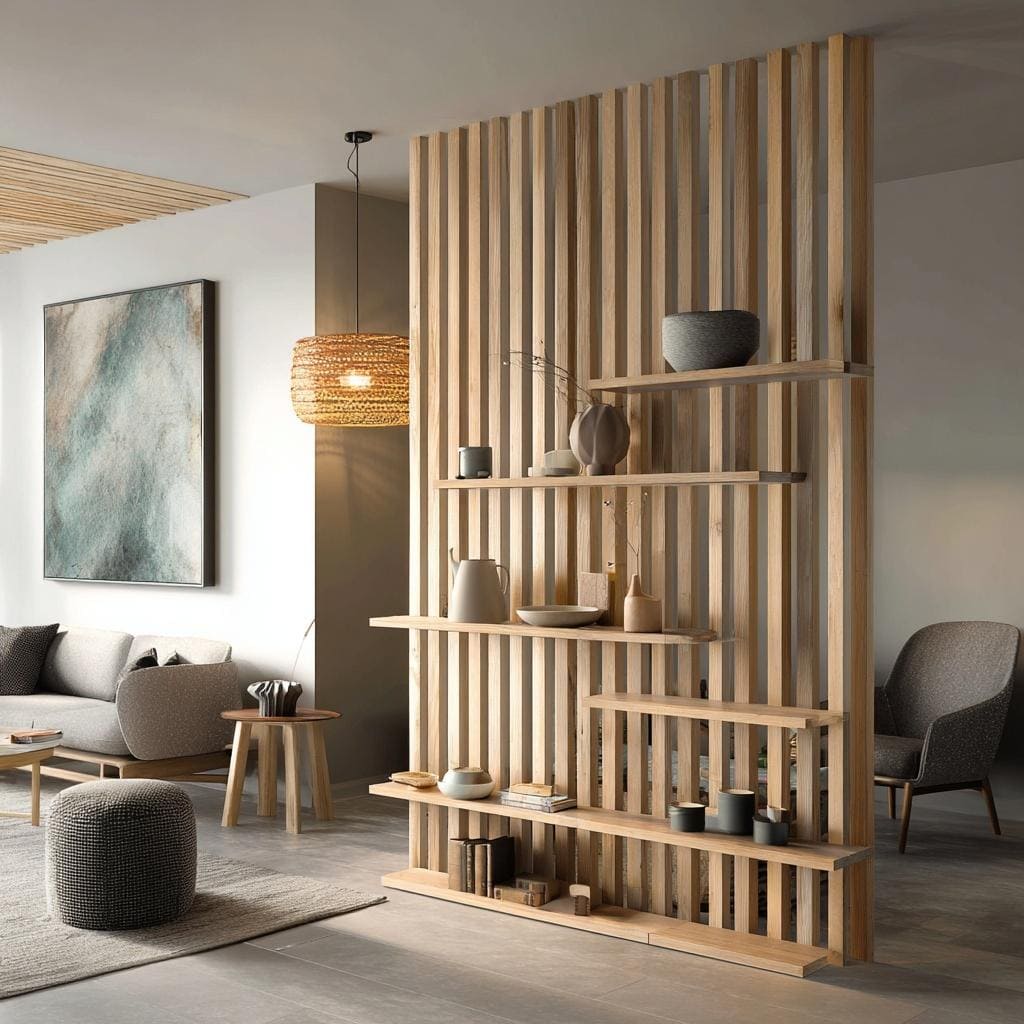
A modern partition for living room interiors typically features slim profiles, neutral tones, or geometric lines. A wooden partition for living room spaces is a lovely pick for homes with warm finishes, textured furniture, and classic décor accents. A metal partition for living room design suits contemporary or industrial-inspired interiors.
When choosing, don’t just look at the partition alone. Look at flooring, lighting, furniture, and wall colours together. Harmony matters more than novelty.
4. Overlooking Storage and Functionality
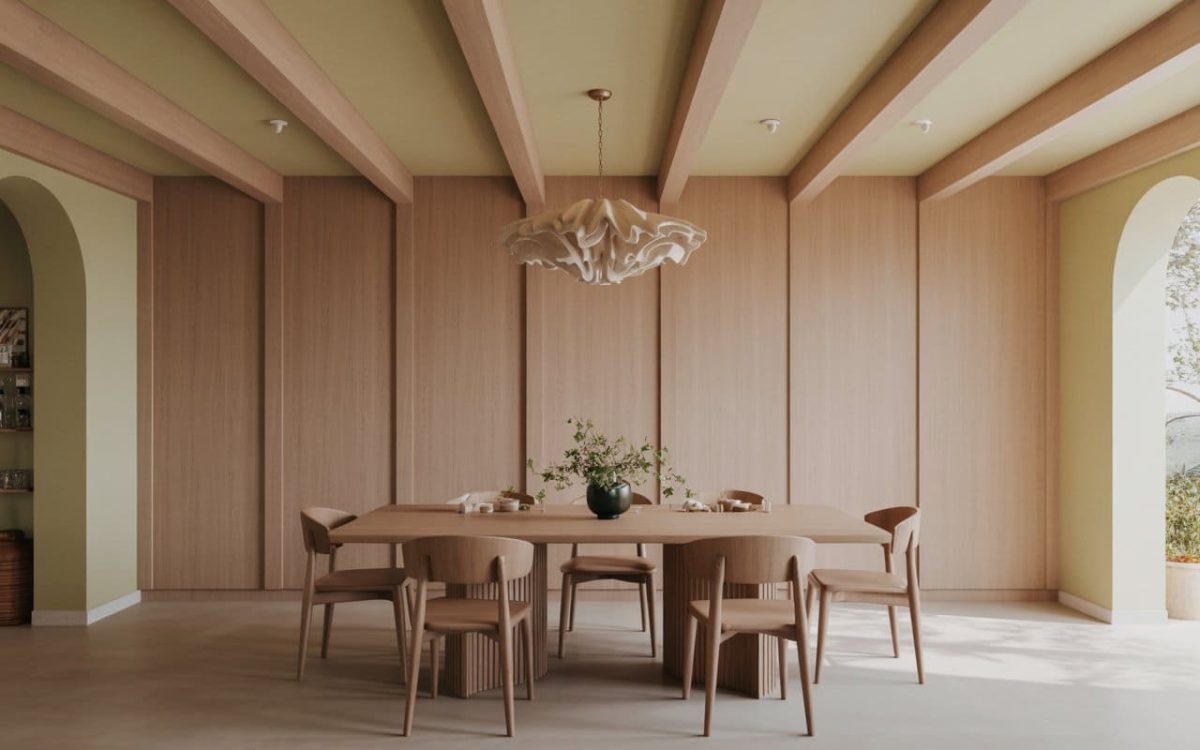
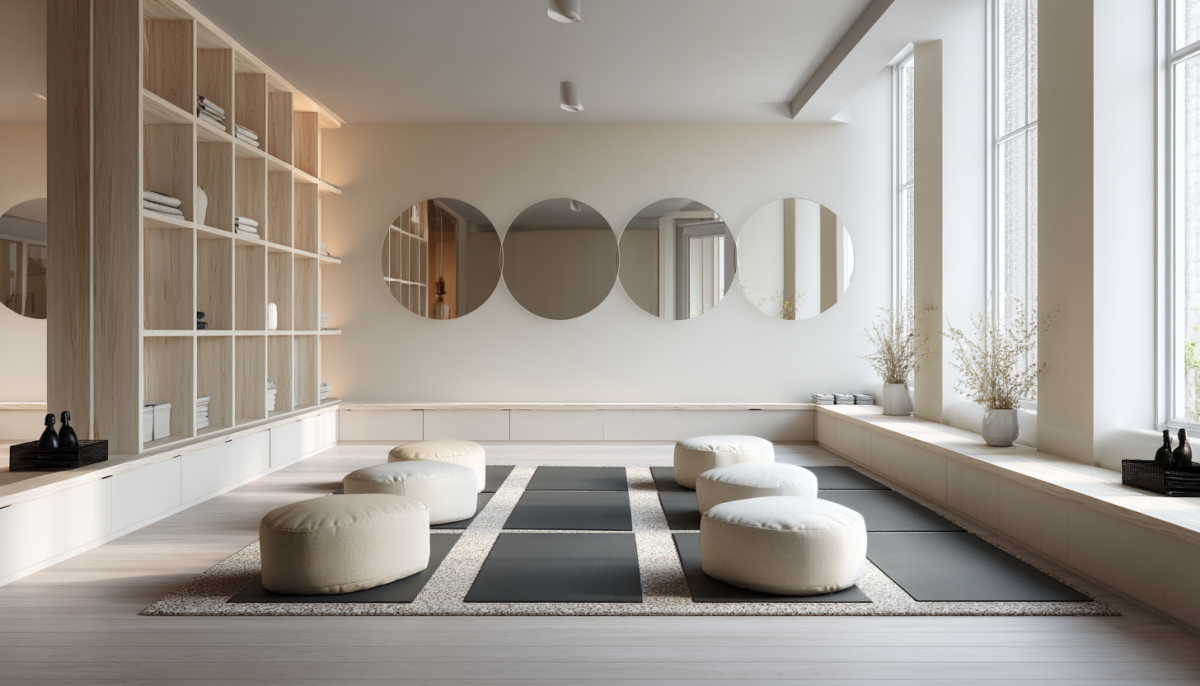
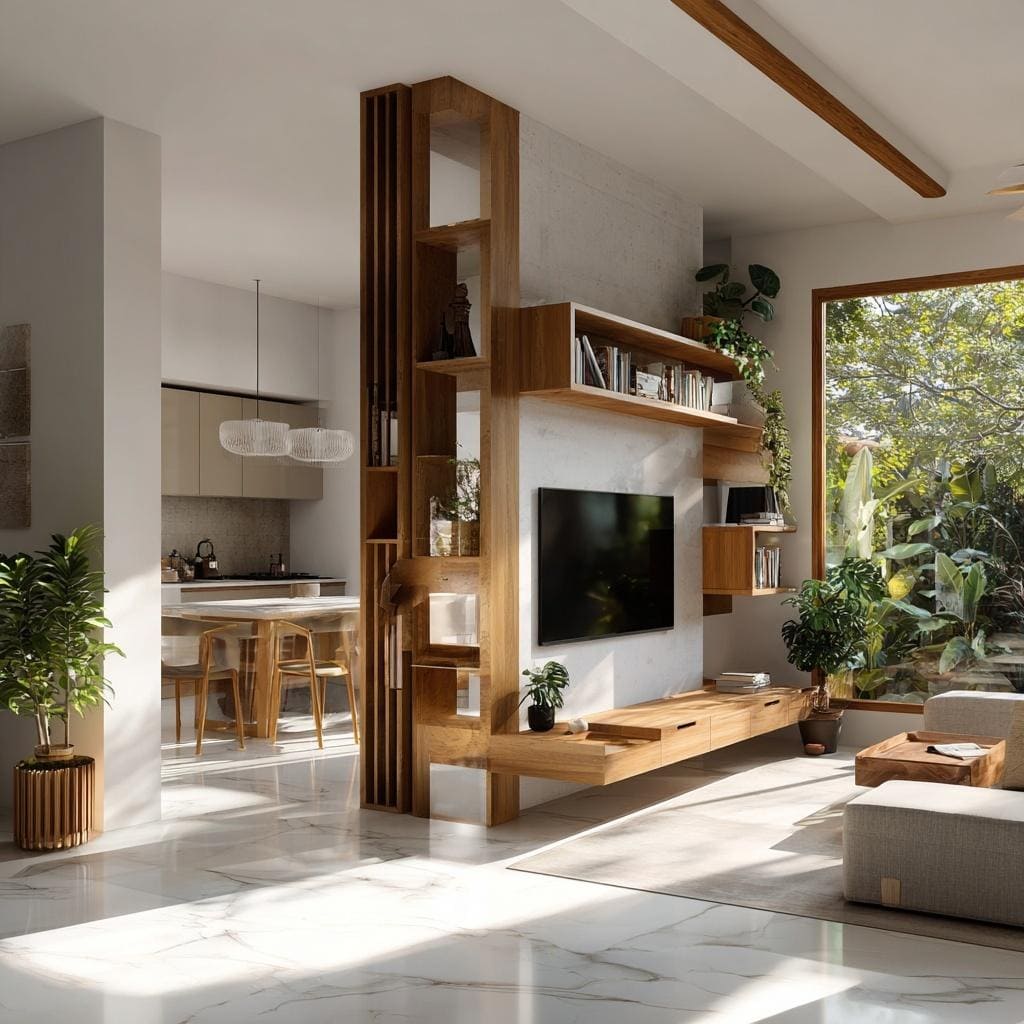
Sleek modern partition for living room with light wood finishes
Why install a partition that only divides space when it can also solve storage needs? Make your partition work extra hard!
Your divider can easily include:
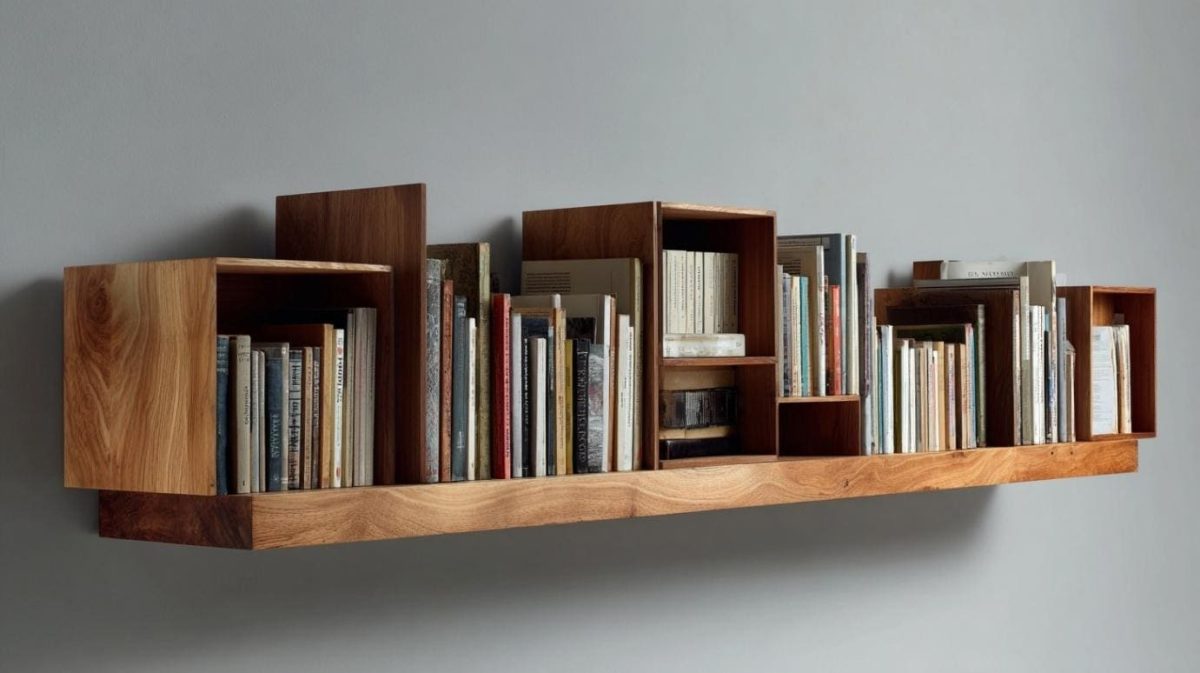
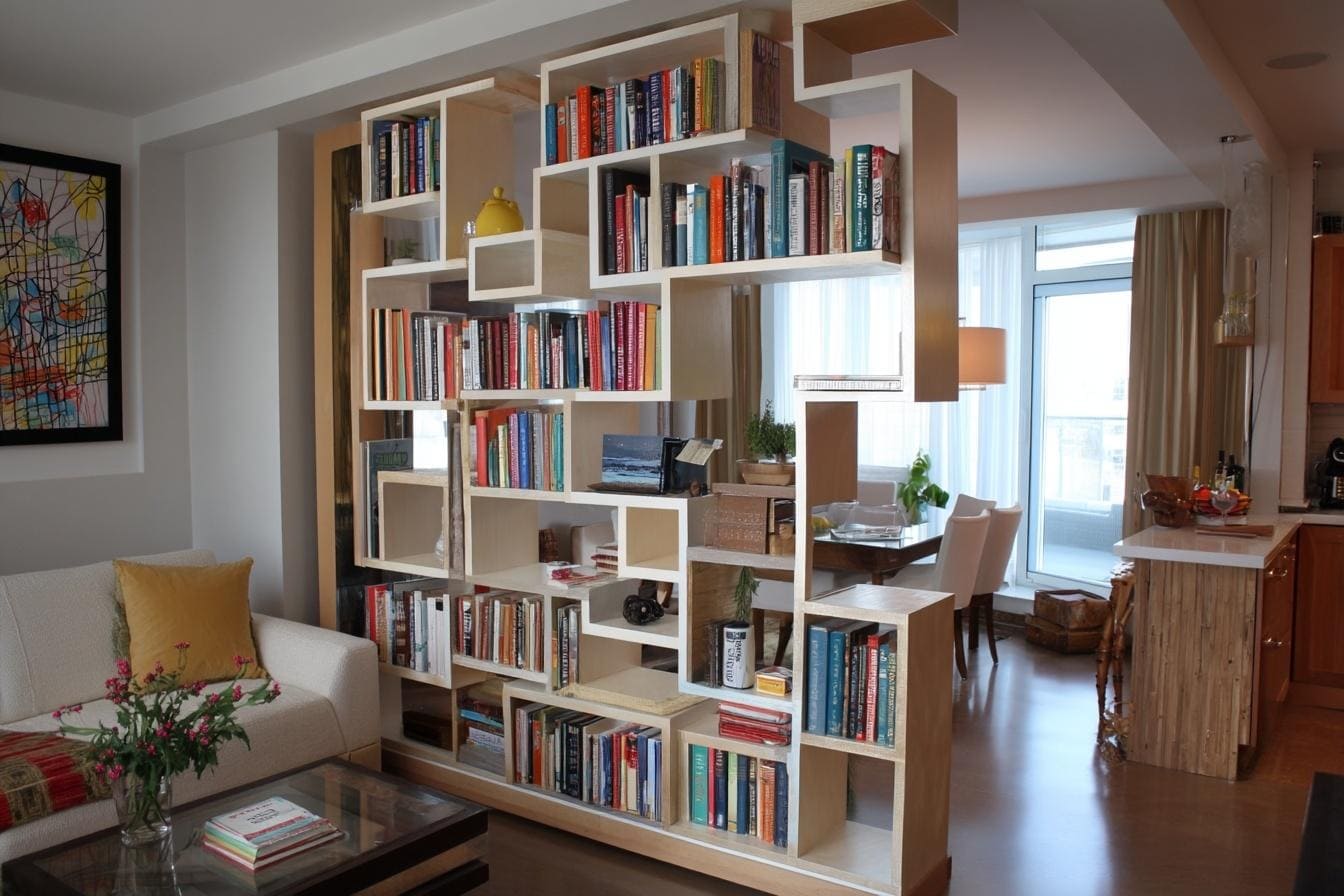
open shelves for décor or books
closed cabinets for dining essentials
a TV panel facing the living area
planter ledges or display niches
Even a simple partition design for the living room and dining hall can incorporate some storage, without looking bulky. Planning this early on avoids later clutter and keeps your layout efficient.
Think practically: What problem can this partition solve besides just dividing the room?
5. Poor Spatial Planning and Traffic Flow
Elegant wood and glass partition for living room with metal frame
A partition must support movement, not interrupt it. This mistake often appears after installation, when people realise the walkway into the living room feels narrow or the dining chairs can’t be pulled out comfortably.
Before fixing the location, map daily movement:
entry path into the room
route between kitchen and dining
clearance behind sofas
access to balcony or windows
If flexibility is important to you, then a sliding partition for the living room that allows you to open or close areas might work. A foldable partition for living room design works well in compact homes where adaptability matters.
Partitions should guide movement naturally, not create obstacles.
6. Neglecting Structural and Safety Considerations
Durable wooden partition walls for living room in modern homes
Not every partition is suitable for every home. Heavy wood, large glass panels, or ceiling-mounted structures require proper support and anchoring.
Glass partition designs for the living room need safety-treated panels and professional fixing. Tall dividers must be securely anchored to avoid wobbling.
If there are children or elderly family members at home, avoid sharp edges, unstable freestanding screens, or overly delicate materials. Safety should always be part of the design conversation.
7. Skipping Professional Measurement and Installation
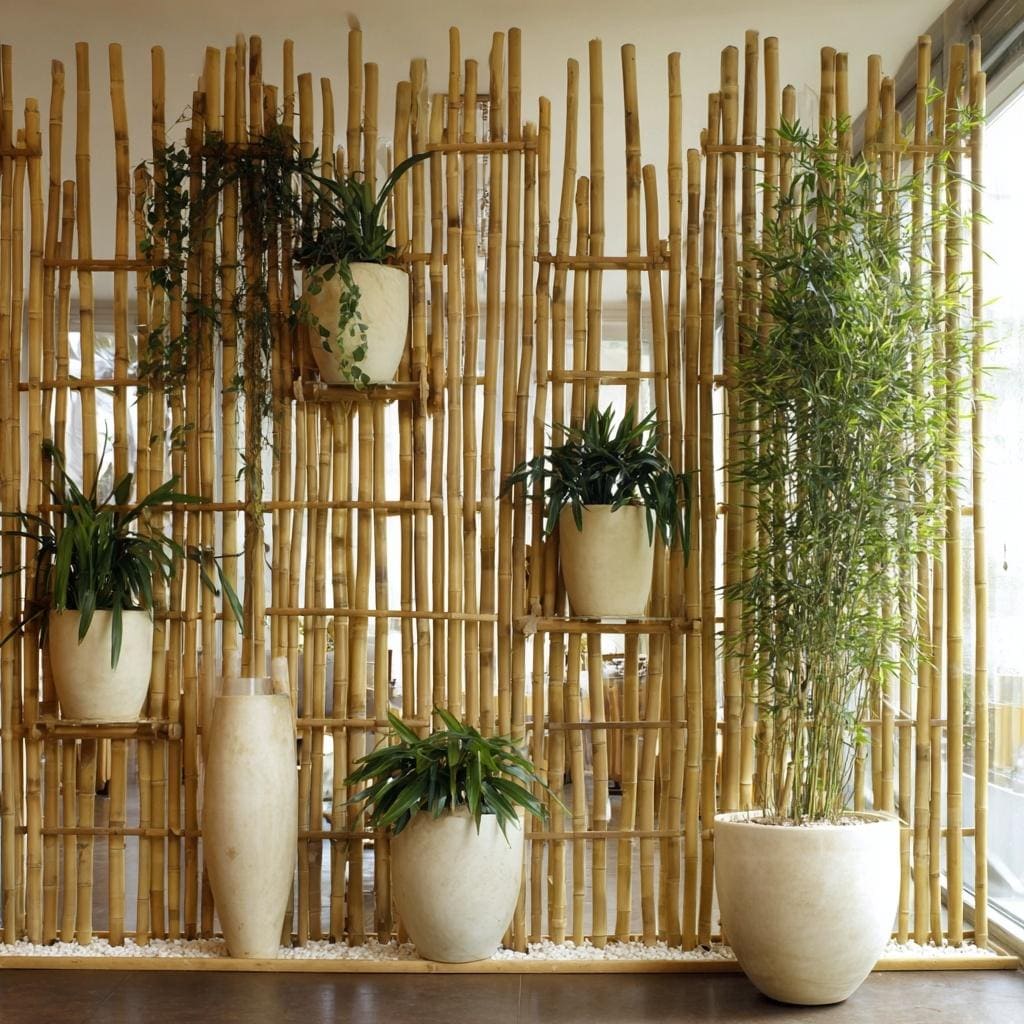
Eco-friendly partition for living room with natural green plants
This final mistake causes more frustration than any other. Even a beautiful design can fail if measurements are off, or the installation is rushed.
Small misalignments can lead to these issues:
uneven gaps at the ceiling or the floor
sliding tracks that jam
visible joints or unstable panels
poor finishing
This becomes especially critical for a partition design for the living room and dining hall, where alignment with flooring, ceiling lines, and furniture placement matters.
Professional designers and installers make sure of perfect measurements, fix it well, and take care of even the gaps. It also saves time, unexpected costs, and repeated corrections.
A Last Word
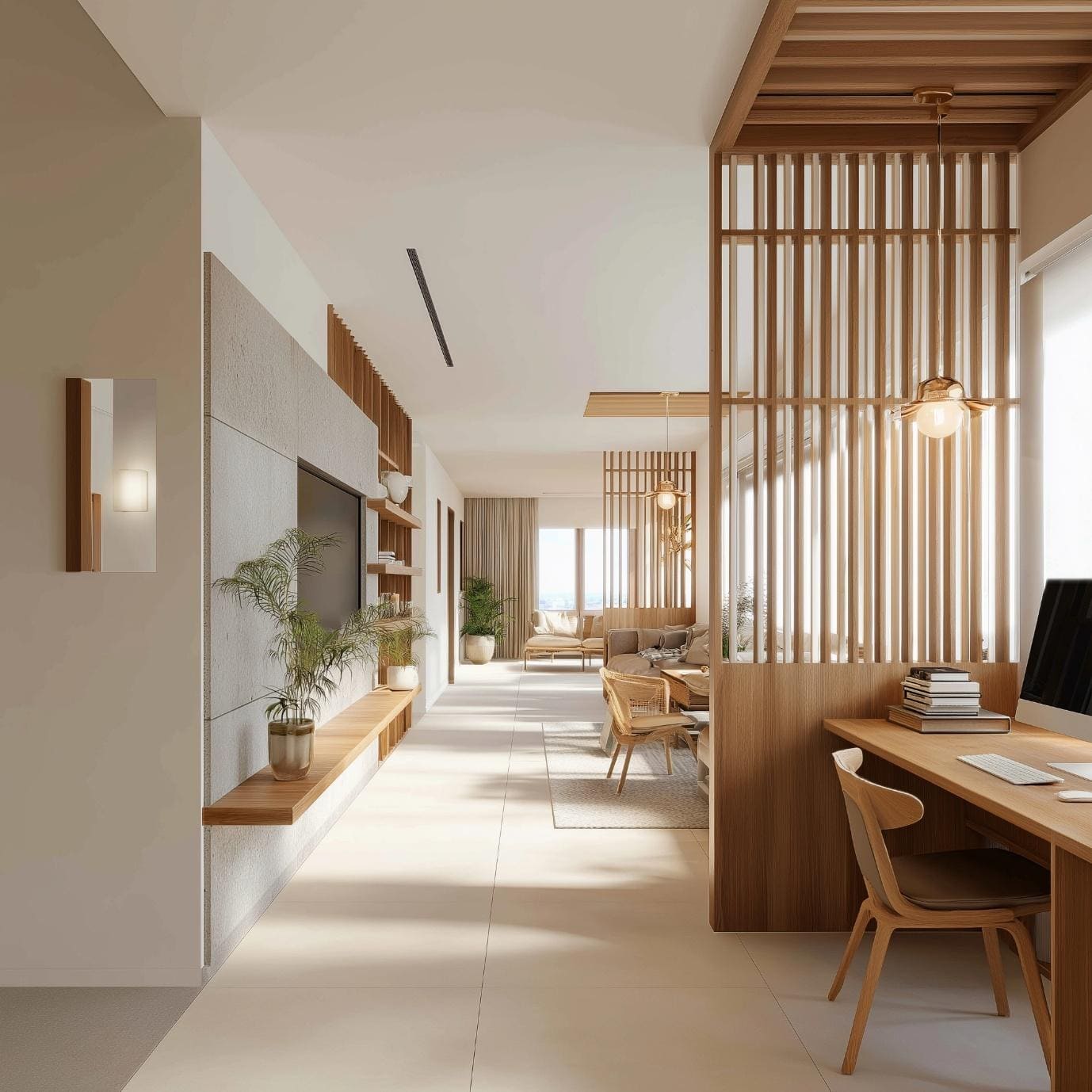
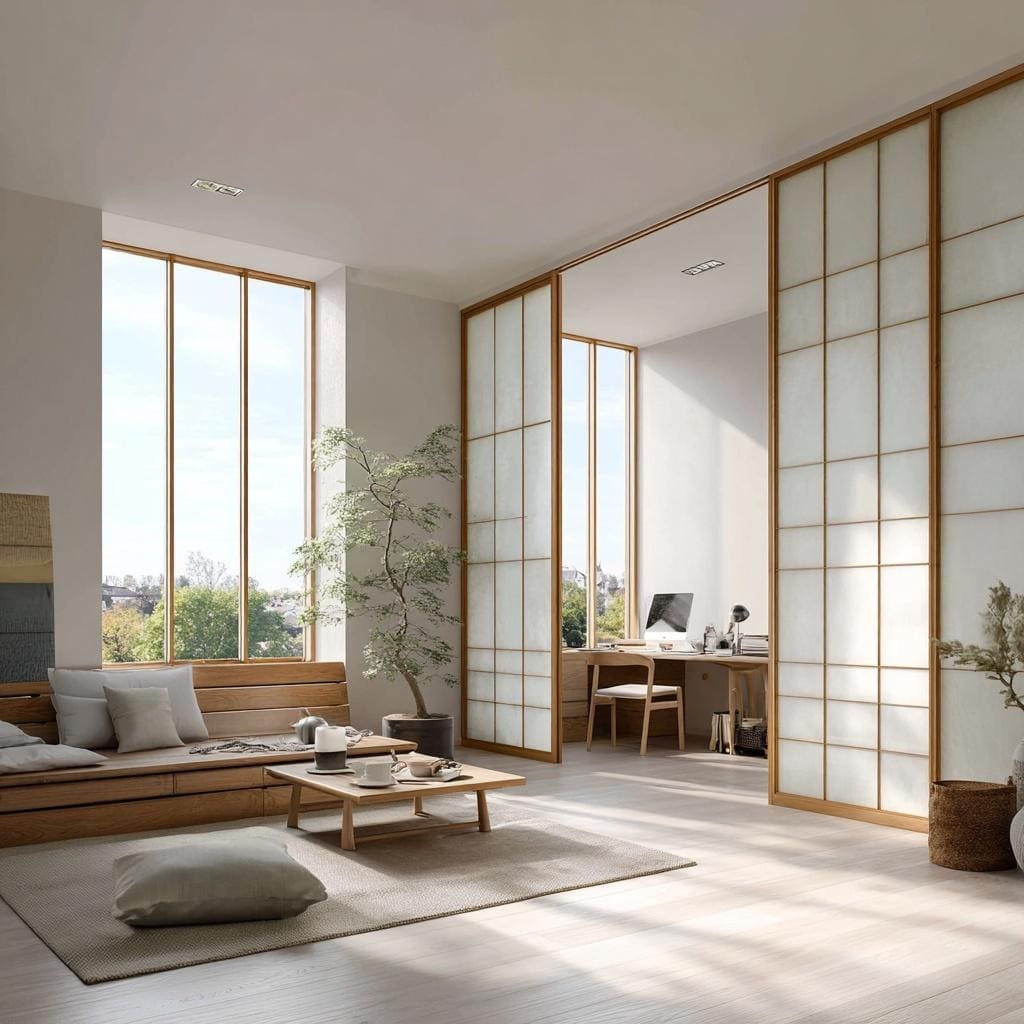
Flexible sliding partition for living room to create workspace
A living room partition is more than a decorative divider. It influences how your home feels, how light travels, and how easily people move between spaces. The best partition designs for the living room balance proportion, openness, and everyday usability. Instead of choosing based on trends alone, think about your lifestyle, storage needs, and long-term comfort.
Thinking about adding a partition but unsure what will actually work in your space? HomeLane designers are adept at getting it right. Let’s talk!
FAQs
1. What is the ideal height for a living room partition?
The ideal height depends on how much visual separation you want in your space. Partial-height partitions give you some visual zoning, while keeping openness. Full-height partition designs for the living room may suit privacy needs, but adding glass, slats, or open sections prevents the space from feeling enclosed.
2. How can I divide a room without blocking light?
Choose materials (like glass) that allow light through. Open shelving, slatted wood, or slim metal frames also work to keep visual sightlines in the room open. Locate your partition so it isn’t directly between the main window and seating area.
3. What materials work best for partition designs for the living room?
Wood gives you a lot of warmth and versatility, glass keeps interiors bright, metal suits contemporary homes, and mixed-material partitions combine durability with style. The best option depends on your décor theme, maintenance needs, and budget.
4. Can partitions provide storage space?
Yes. Partitions can be beautifully designed with shelves, cabinets, or display niches built in. This helps to demarcate spaces, while adding practical storage for books, décor, or dining essentials.
5. Should I hire a professional for partition installation?
Hiring a professional is very much recommended, especially for complex designs like sliding systems, glass panels, and so on. Perfect measurement, structural fixing, and finishing ensure the partition looks seamless and functions smoothly.












 EXPLORE MORE