Wood Polish: Enhancing the Beauty and Life of Interior Woodwork
By Usha Balasubramanyan- April 06, 2026
As a thoughtful homeowner, you already know that the woodwork in your home defines how each space looks and feels. Think about it. That gorgeous console in the foyer sets the tone for your home. The dining table is made for shared meals and laughter, with its hand-me-down patina over decades of use. And that quietly elegant wardrobe has lovely grains that deepen in beauty every year.
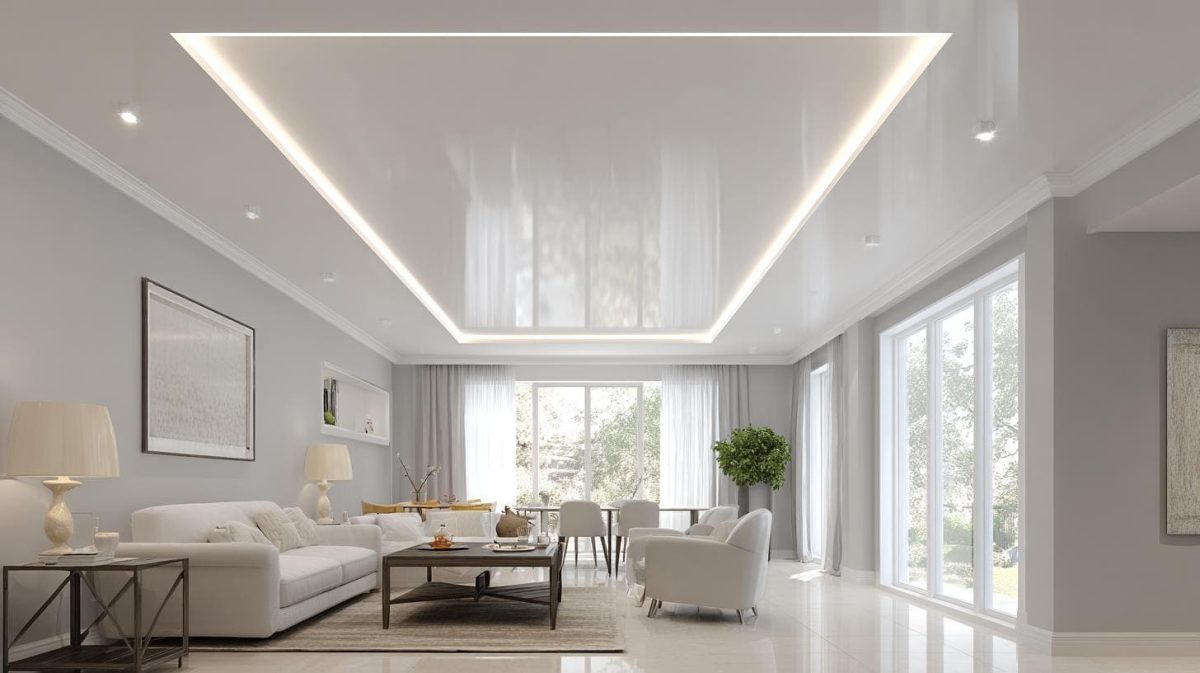
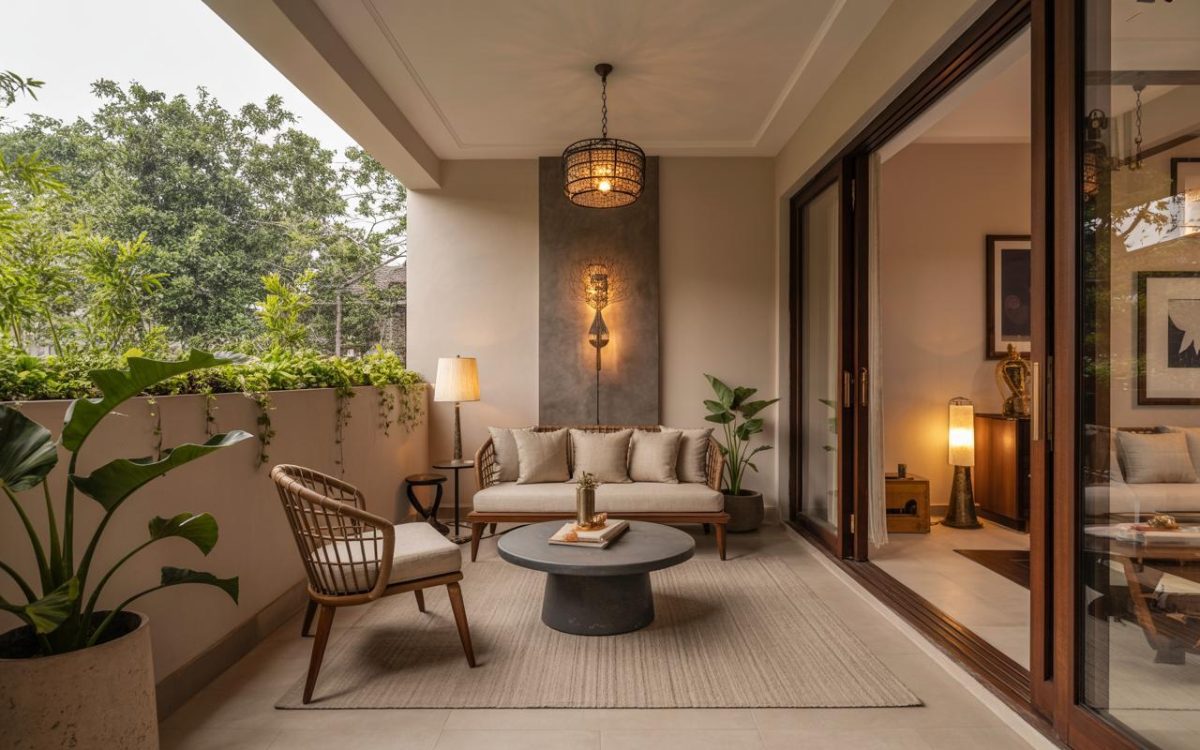
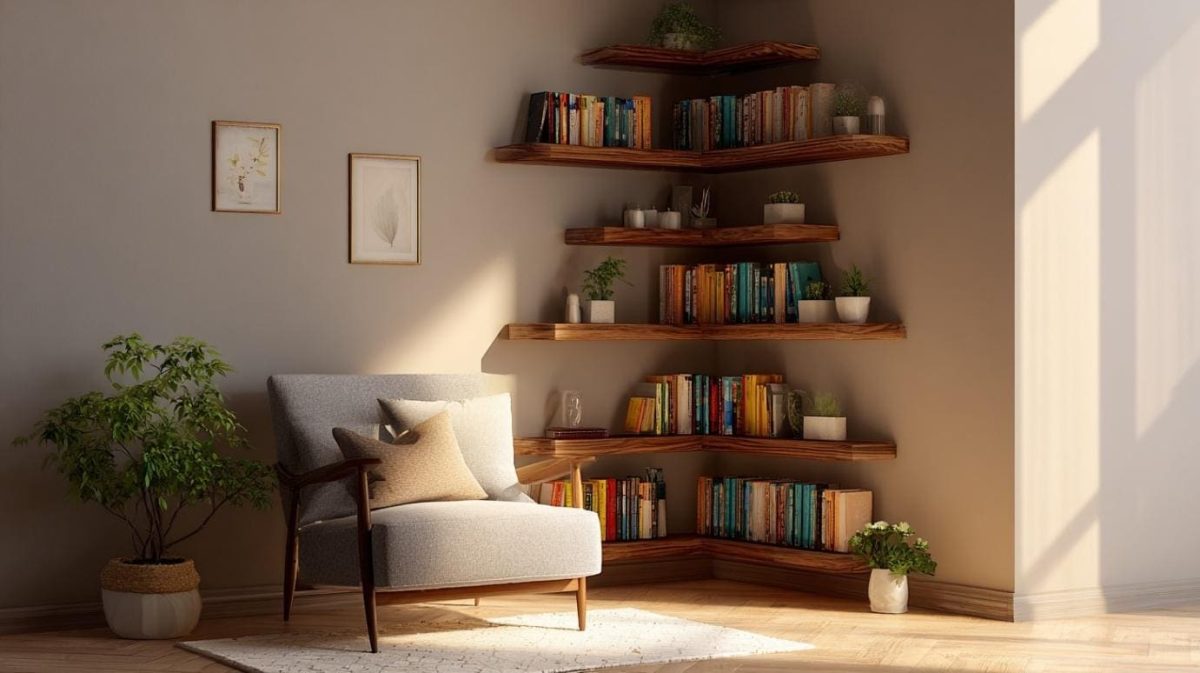
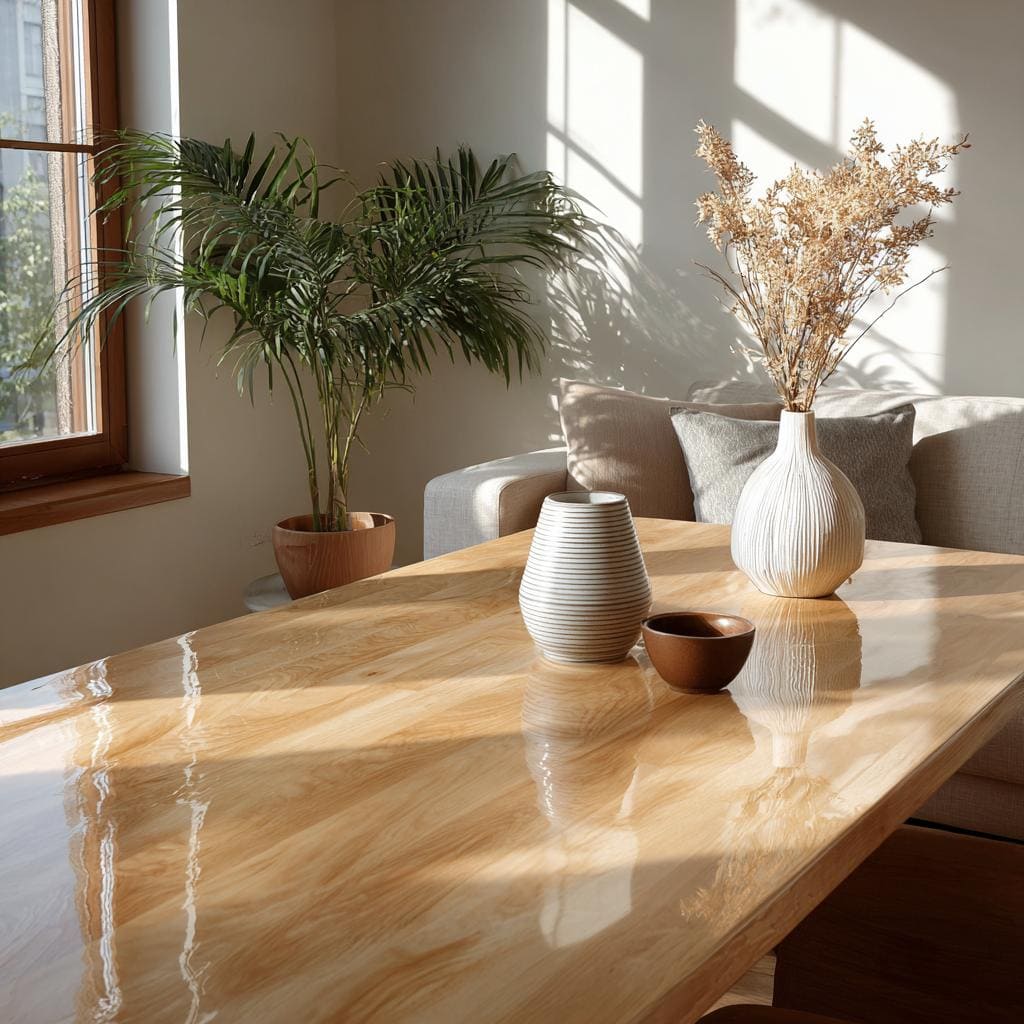
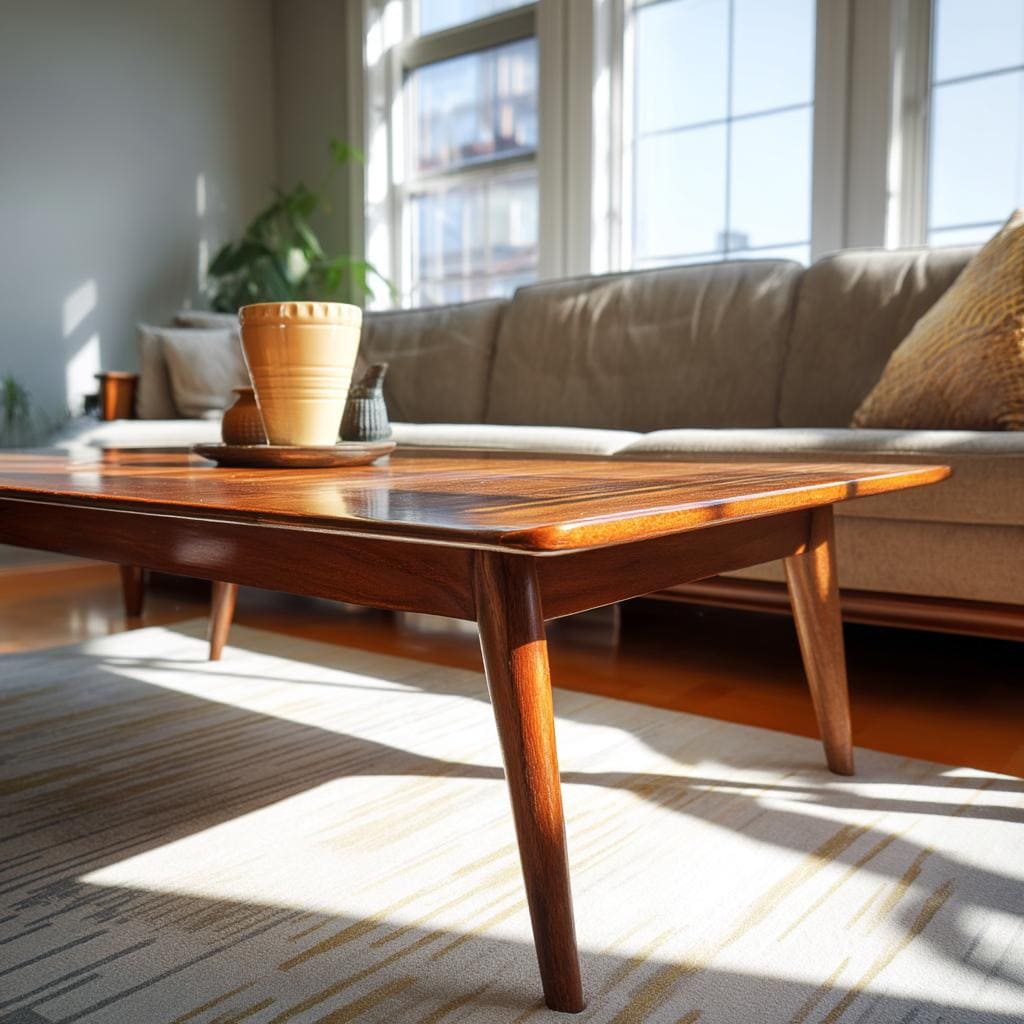
Enhance your home with a stunning, high-shine wood table polish.
Quite often, it’s the shine that defines how your cherished pieces look. And that’s where wood polish steps in! Because over time, even the strongest furniture starts to look dull, get tiny scratches, or fade in colour.
Here’s the lowdown on how polishing works, what are the types of polish, and how to choose. Let’s cut through all the confusion!
Why Wood Polish Matters in Interior Design
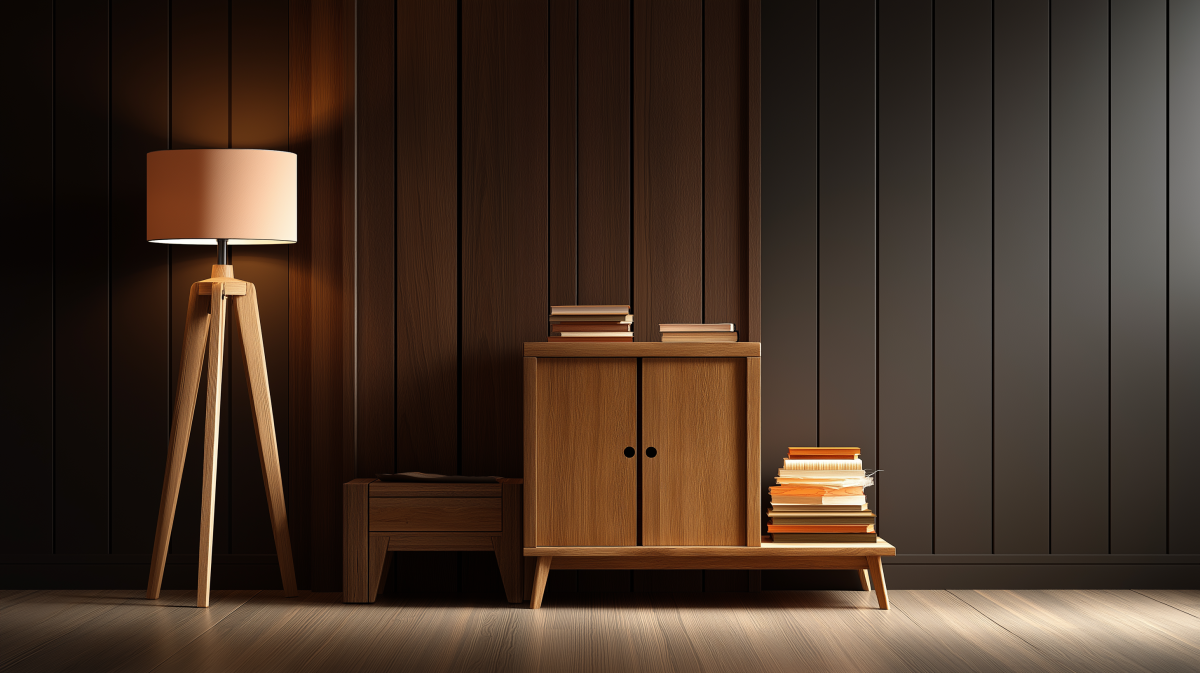
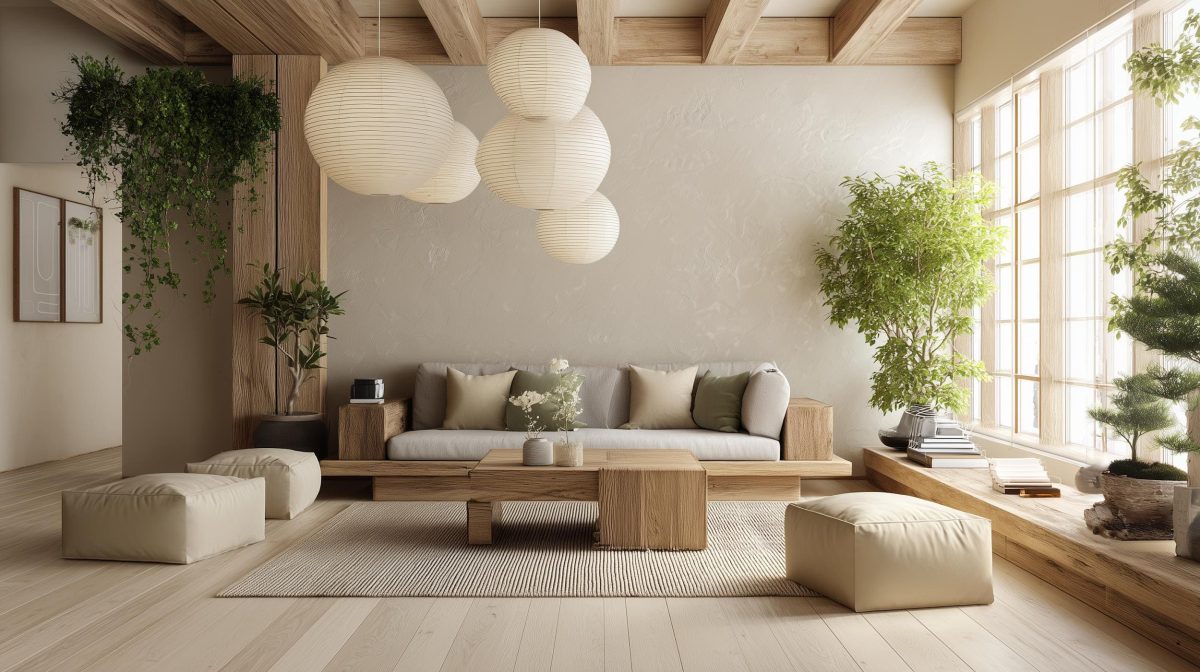
Enhance your statement furniture with a premium teak wood polish.
Wood is beautiful all on its own. But it’s a natural material, which means that it is porous, prone to scratches and fading. A good wood furniture polish protects the surface, while enhancing the grains and colour.
Here’s what polishing does:
Protects against stains and surface scratches
Deepens the natural texture and depth
Makes it last longer
Adds to the aesthetics.
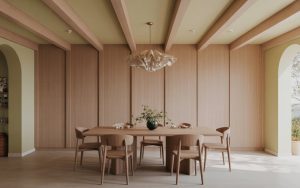
A dining table without protection will show up spills, heat marks, and fingerprints easily. With proper wood polish for dining table surfaces, maintenance becomes a breeze.
Also note, the finish matters just as much as the material. Matte is sleek and contemporary, glossy feels bold and sophisticated.
Different Types of Wood Polish and Their Applications
Not all finishes are the same! Here’s what’s what:
Oil-Based Polish
A high-performance wooden pu polish offers long-lasting style.
Oil enters deep into the wood and enhances the grains, giving you a natural, rich appearance. Teak oil is commonly used as teak wood polish.
Wax Polish
Wax polish creates a soft sheen and smoothness. It works beautifully for antique furniture but needs reapplication over the years.
Lacquer
Lacquer dries quickly and forms a hard, protective coat. It is durable, with a glossy look.
Polyurethane Polish
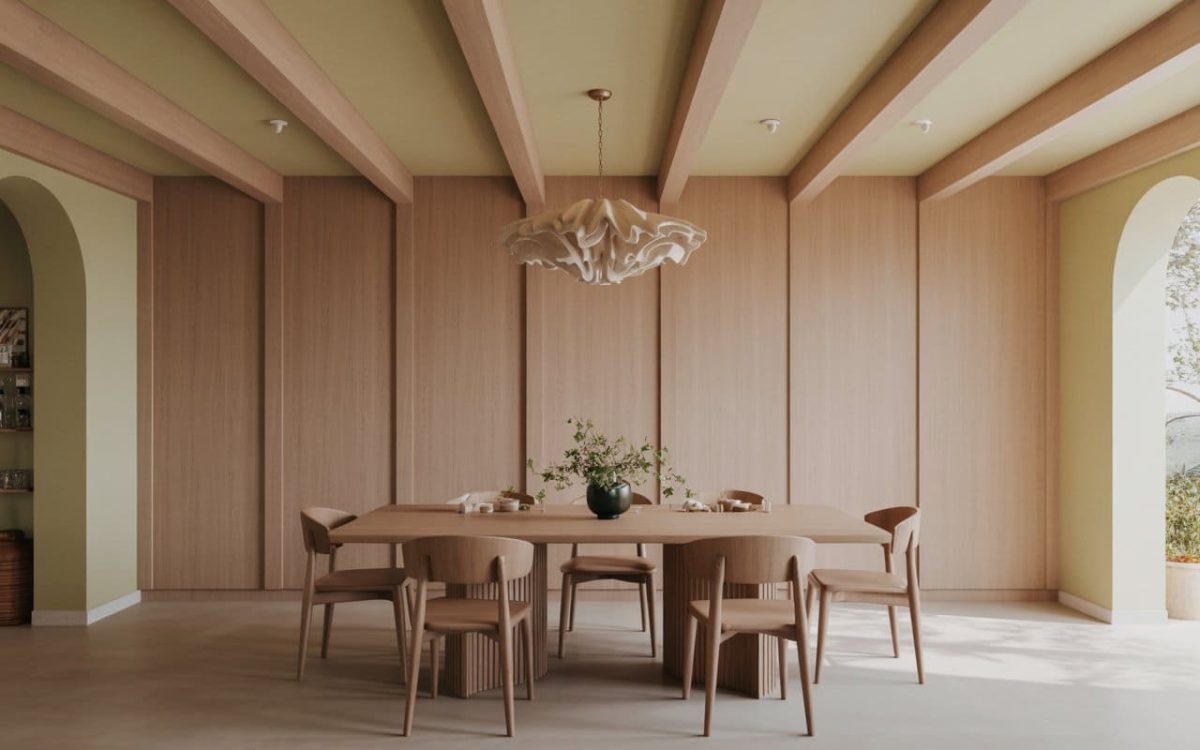
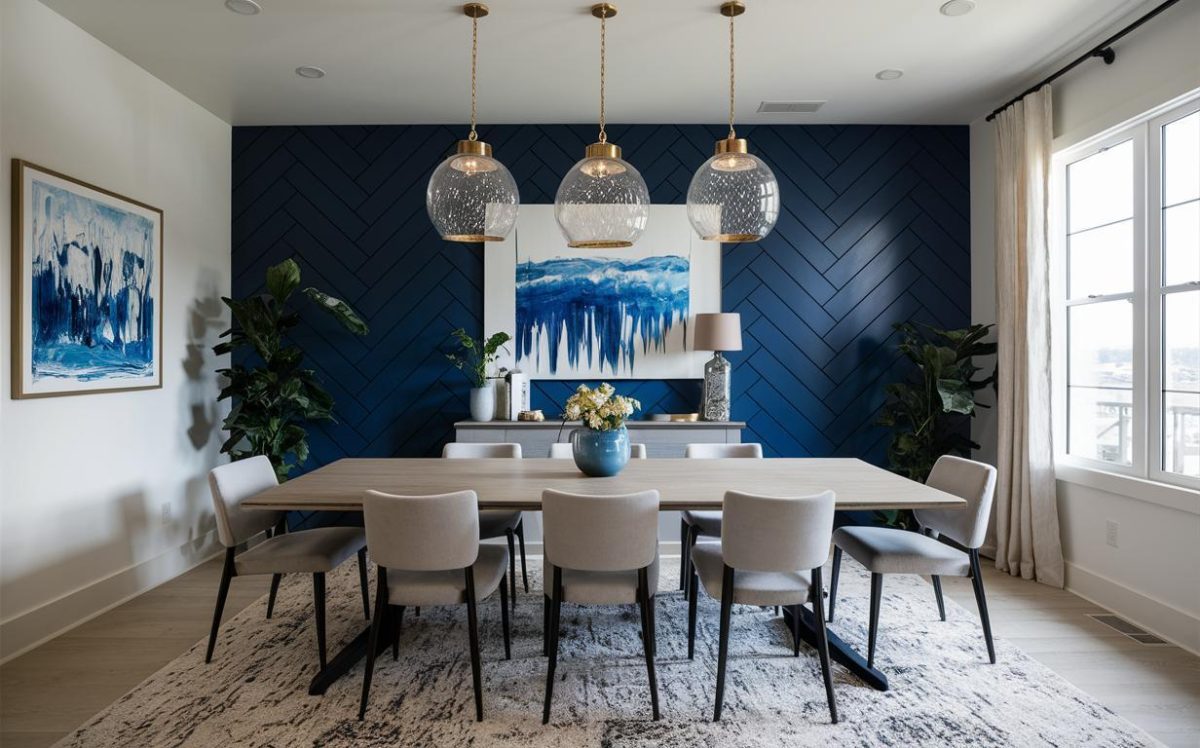
Choose a durable wood polish for dining table sets in daily use
Also called wooden PU polish, this is durable and water-resistant. It’s a great choice for dining tables and wardrobes because it handles heavy usage well.
Liquid Polish
A lighter option, liquid furniture polish is generally used for maintenance and not deep finishing. It refreshes shine and cleans surfaces.
Selecting the Right Polish for Your Interior Woodwork
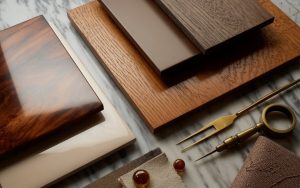
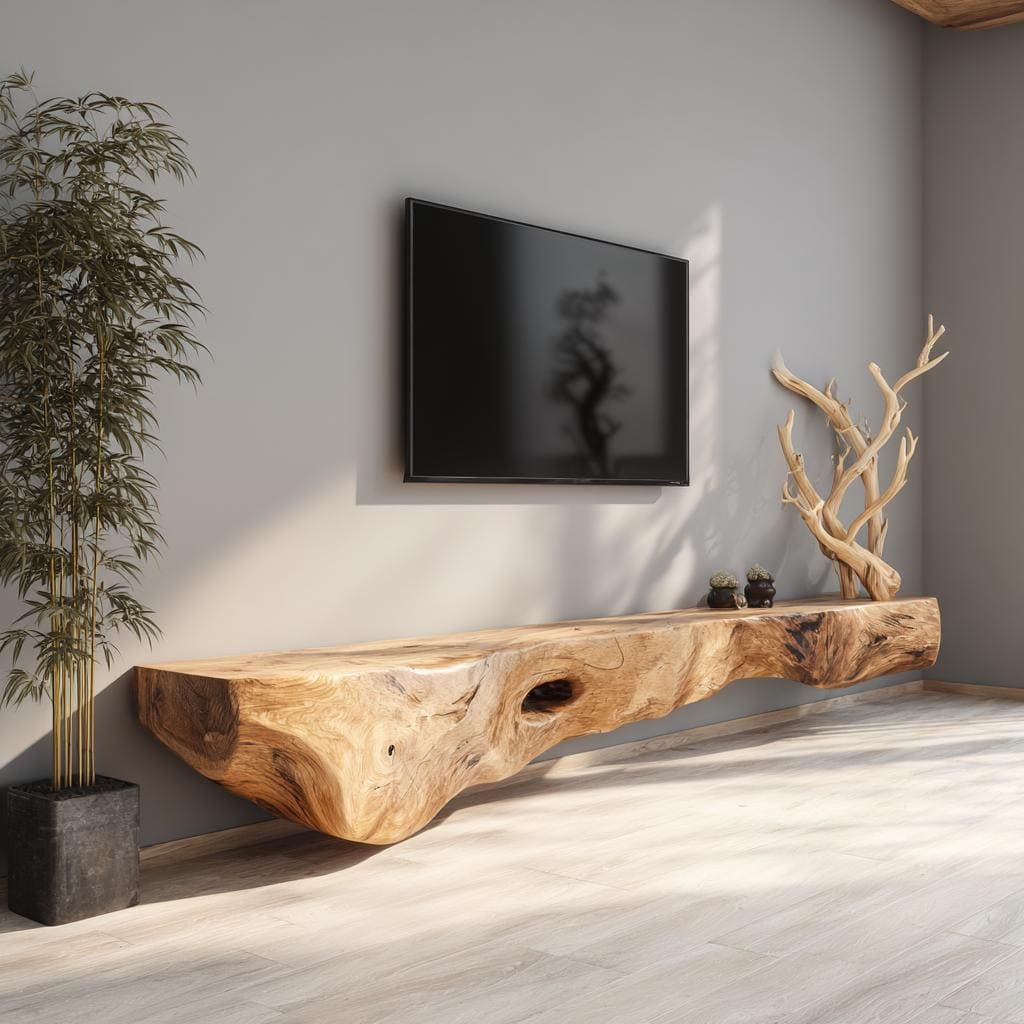
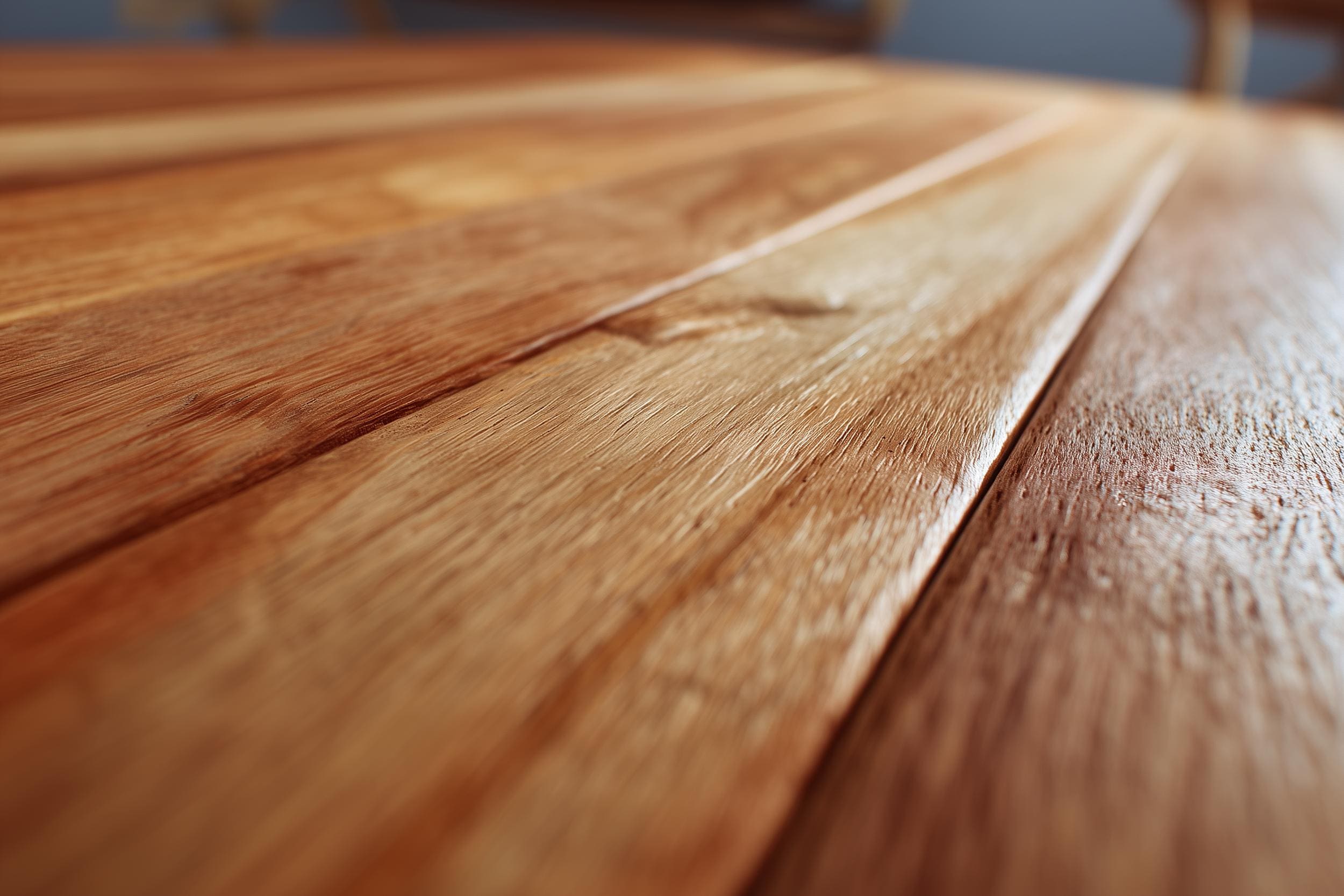
Showcase raw beauty with an application of natural wood polish.
Choosing the right finish is about more than shine.
Start by asking these questions:
Is the furniture going to be heavily used?
Is it in a place that’s exposed to moisture?
Do you prefer matte, satin, or glossy finishes?
Is the wood solid or engineered?
For a centre table or console, a natural finish might work really well. For a dining surface that’s used multiple times in the day, the smarter thing is to choose durable wood polish for dining tables (options like PU).
If you love subtlety, a natural wood polish that enhances grain without heavy gloss may suit you best. If bold impact is your thing, a high sheen finish delivers that drama.
Some finishes require professional application, while small projects allow simple wood polish at home.
Step-by-Step Overview of the Wood Polishing Process
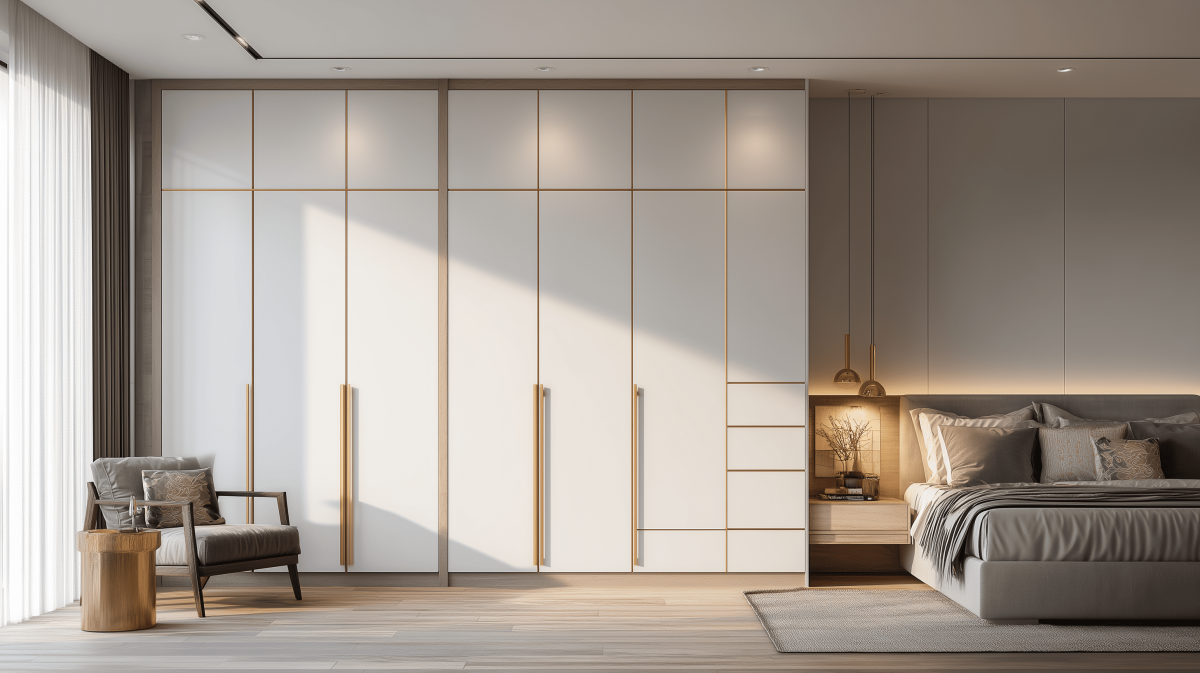
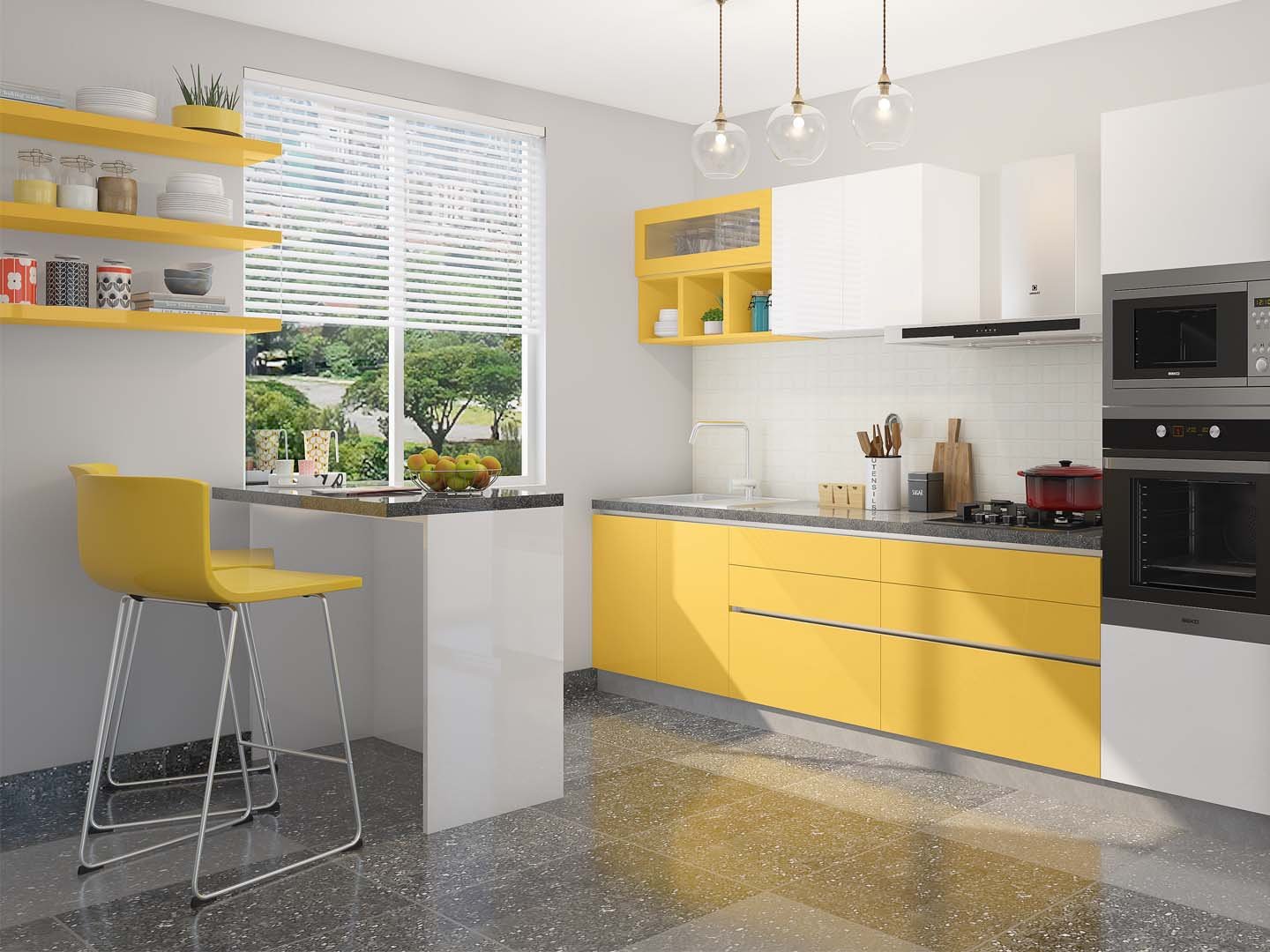
Keep your storage units clean with a liquid furniture polish.
Want to know how professionals achieve that flawless finish?
This is how:
#1. Surface Prep
The wood is cleaned and sanded to remove old polish, and even out the texture.
#2. Stain Application
If colour needs to be adjusted, they apply a wood stain.
#3. Sealer Coat
A base coat seals any pores and prepares the surface.
#4. Polish Application
The selected polish is applied in neat layers.
#5. Drying and Sanding Between Coats
Light sanding between coats makes it smooth.
#6. Final Finish
The last coat is what gives you the level of wood shine polish you want, whether matte or glossy.
Patience is key here, so as to avoid bubbles or unevenness!
Maintenance Tips for Long-Lasting Polish Finish
Maintain your dining area with a reliable wood table polish.
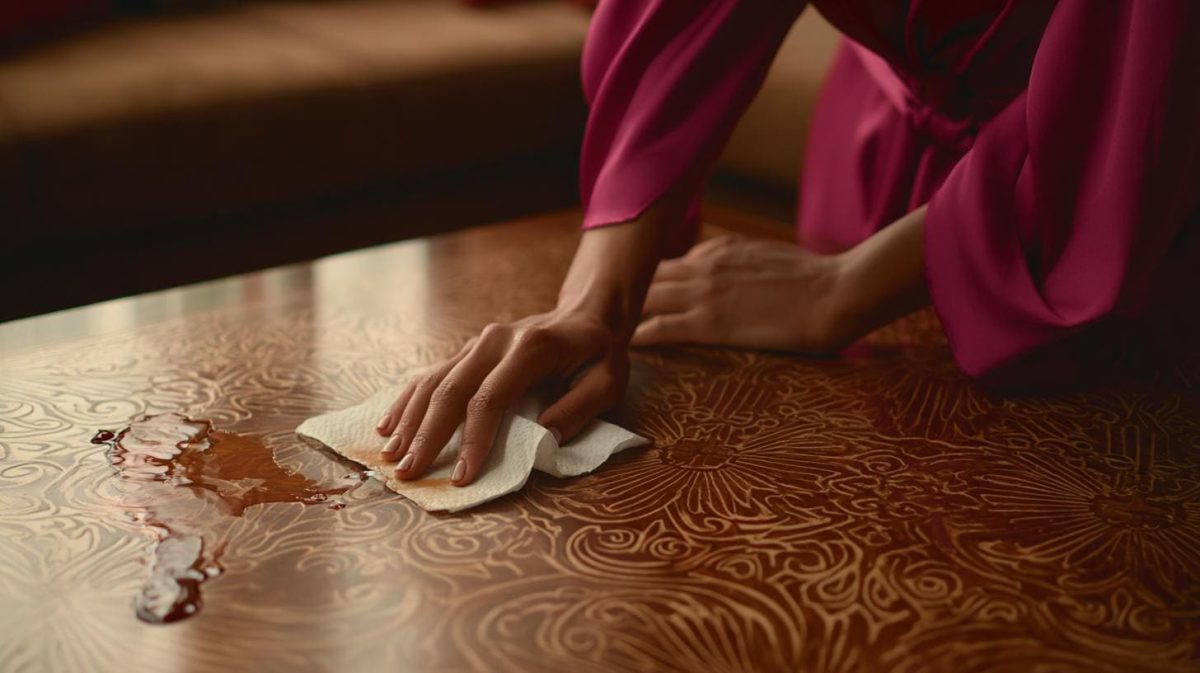
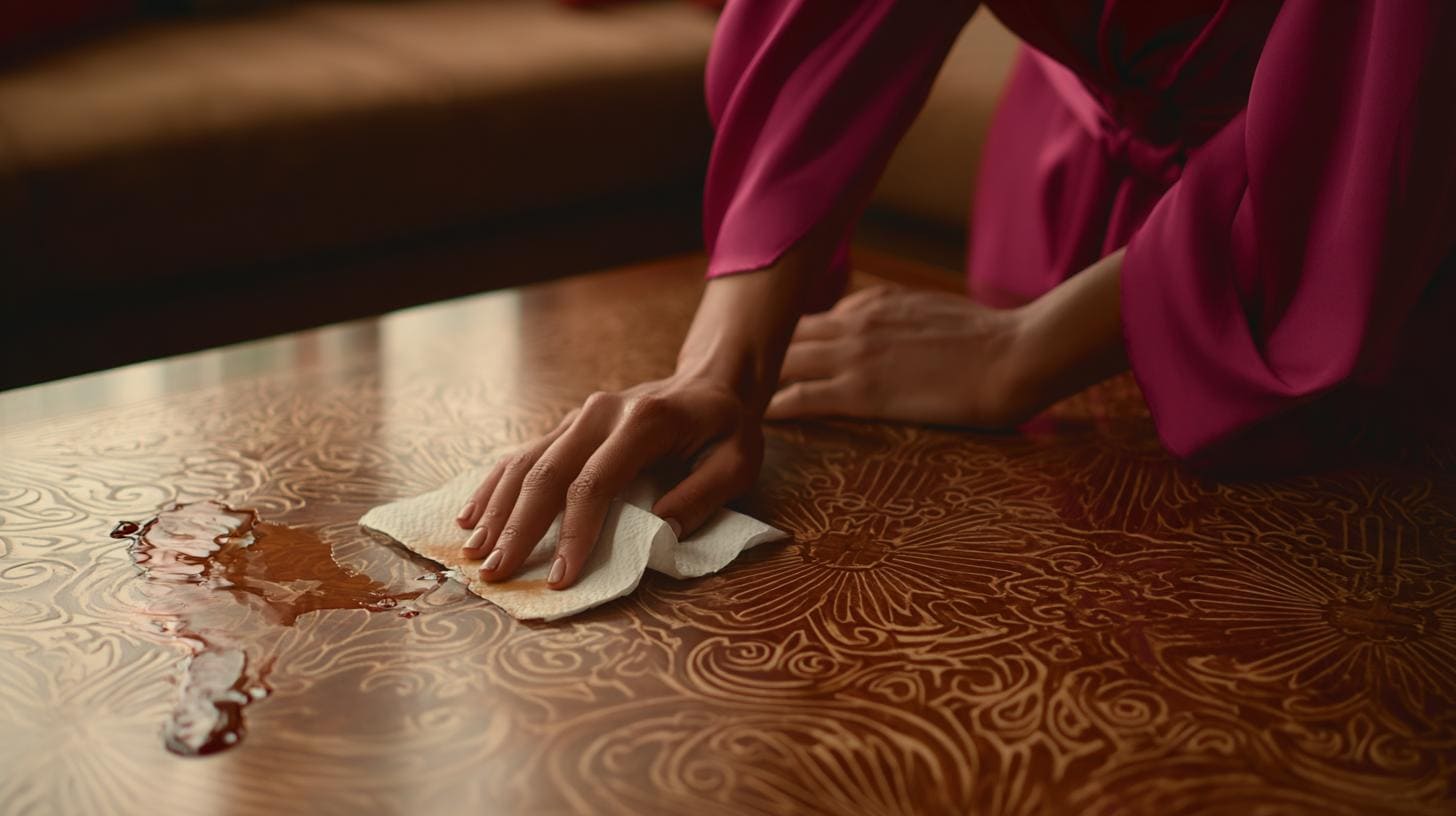
Caring for polished wood seems hard, but really need not be. Any spills must obviously be wiped quickly, and daily (or weekly) dusting with a soft cloth is good to do. Never use harsh cleaners that can dull the finish. And especially on dining tables or side tables, always make it a point to use a coaster before you put that cup of chai down!
Every few months, a light refresh with a gentle polish can bring back the glow. Keep furniture away from the direct sun and constant moisture, and try not to drag heavy items across the surface.
Eco-Friendly and Safe Wood Polishing Alternatives
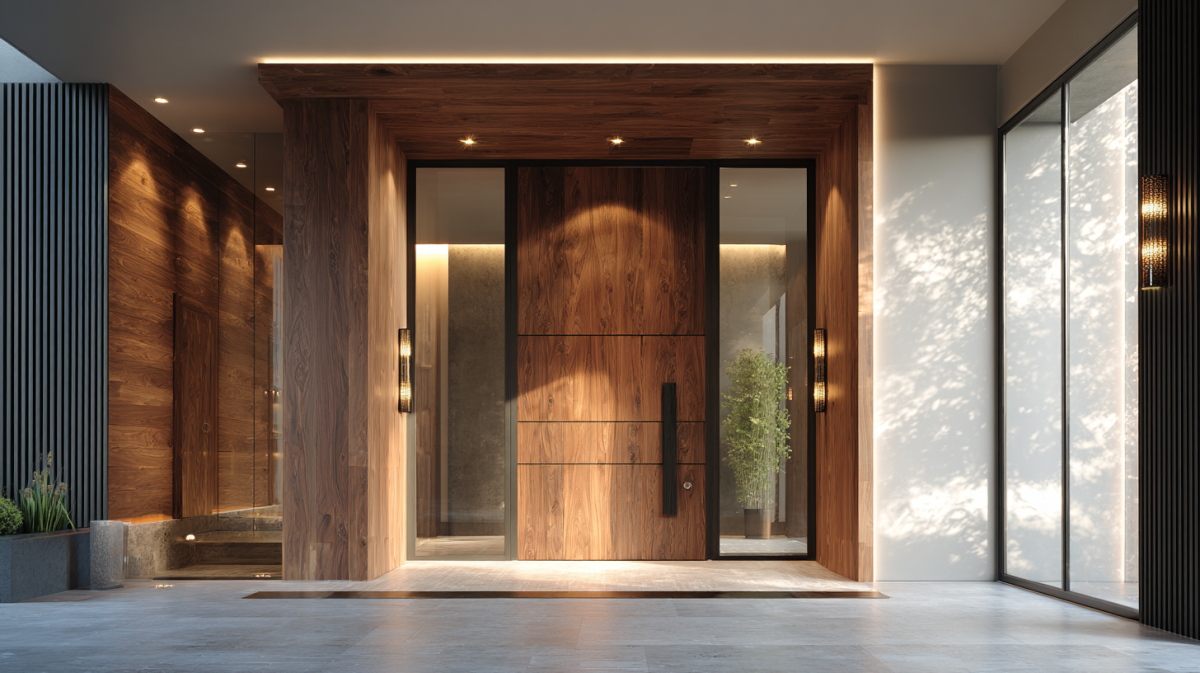
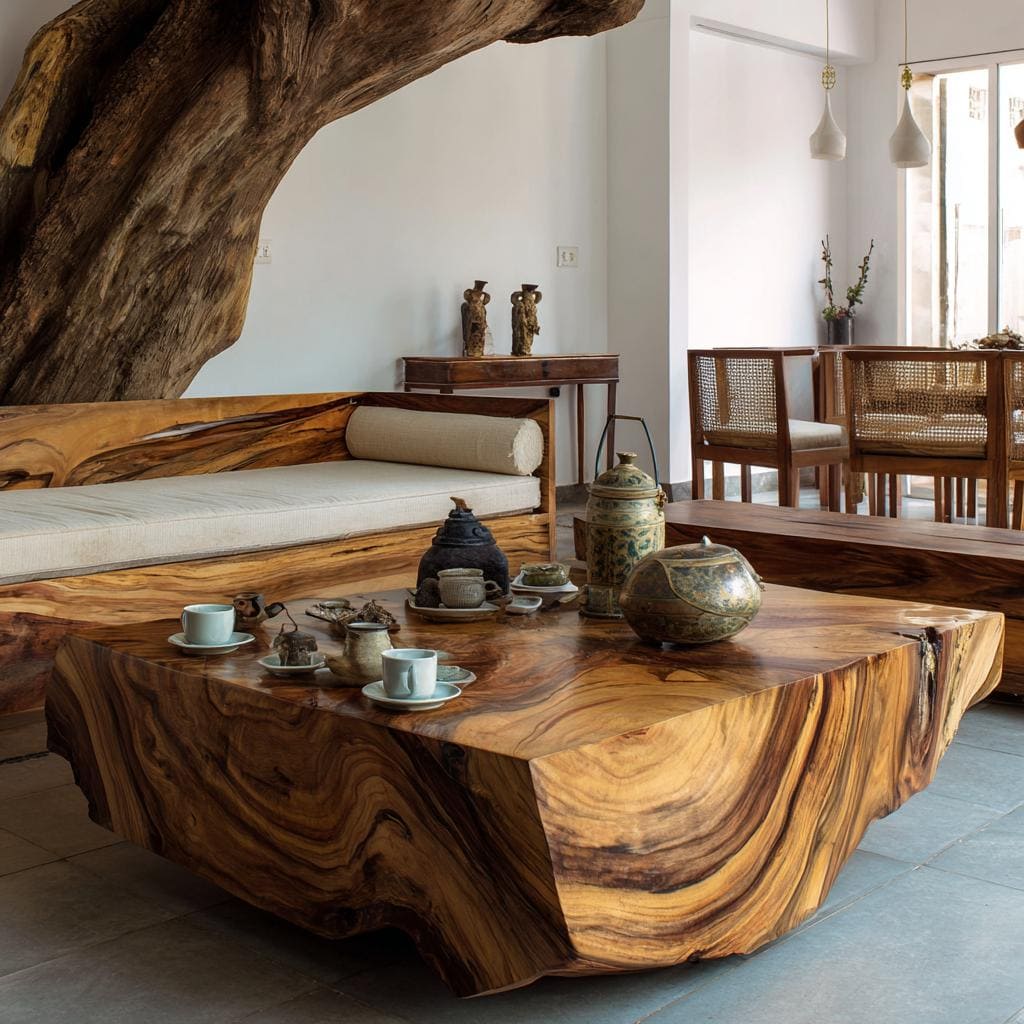
Bring out the warmth of your wood with a professional wood polish.
Worried about toxic chemicals in your home? We hear you!
We can guide you to natural polish for wood furniture, made from plant oils and wax blends. Not only do these family-friendly options emit fewer fumes, they naturally enhance the wood and are a greener alternative to chemical-based options.
In fact, you can even create basic blends at home using linseed oil and beeswax. These serve as gentle natural wood polish solutions for smaller furniture pieces.
Choosing eco-friendly options is always the safer way to go!
Common Wood Polish Mistakes to Avoid
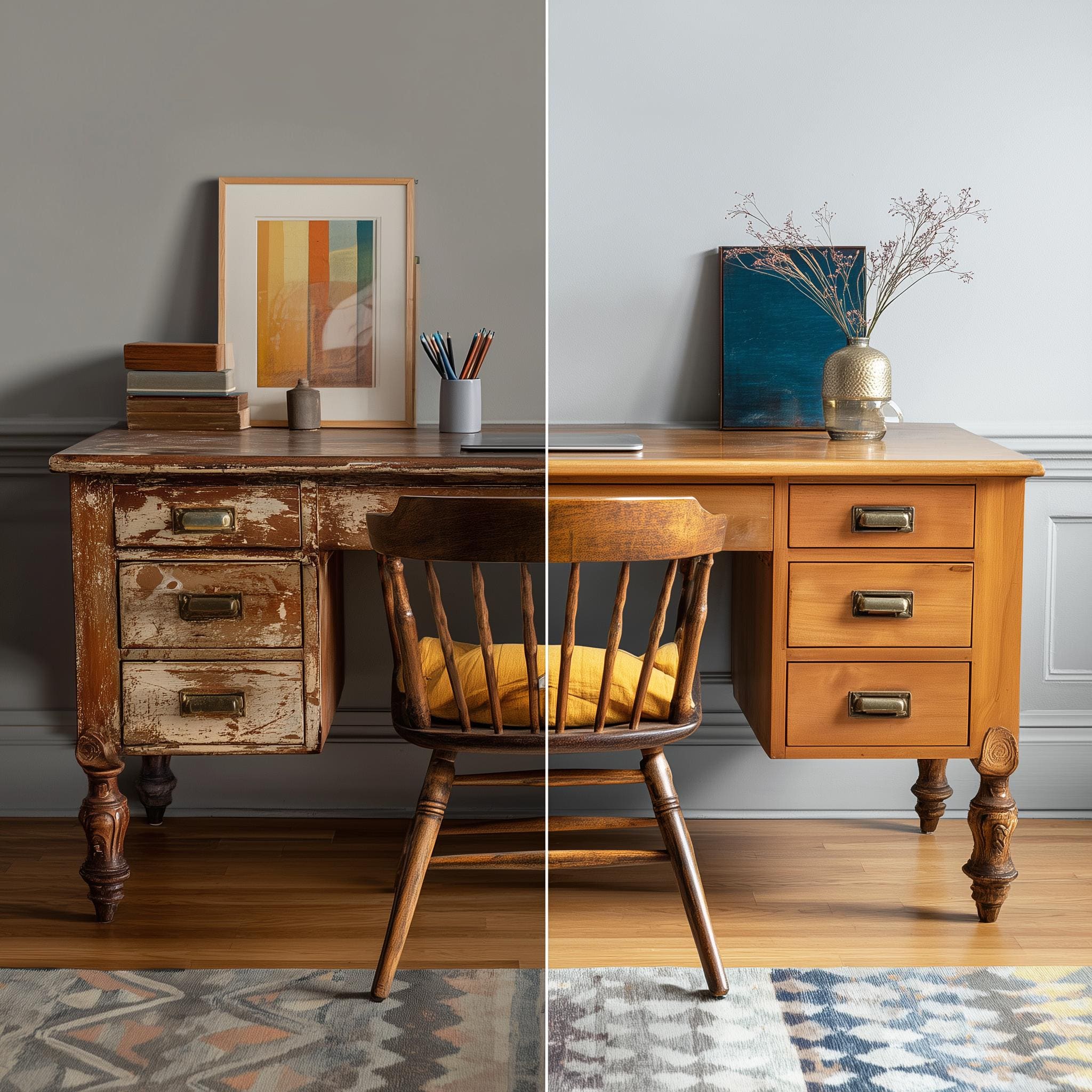
Experience a complete transformation with a deep wood polish.
Avoid these common errors:
Skipping sanding before polishing.
Applying thick coats of polish.
Ignoring drying time.
Choosing gloss when matte suits the space better.
Another frequent mistake is selecting finish purely for shine. Remember, protection is equally important. A stunning wood table polish means little if it scratches easily within months.
Cost of Wood Polishes
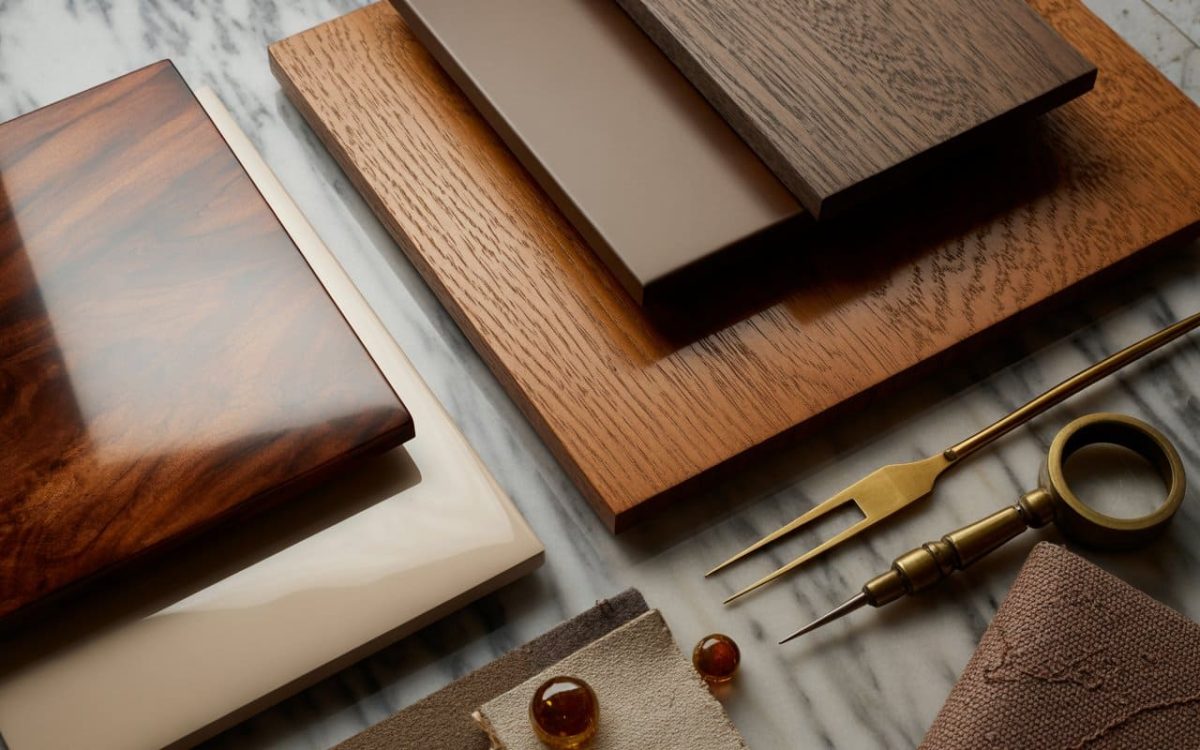
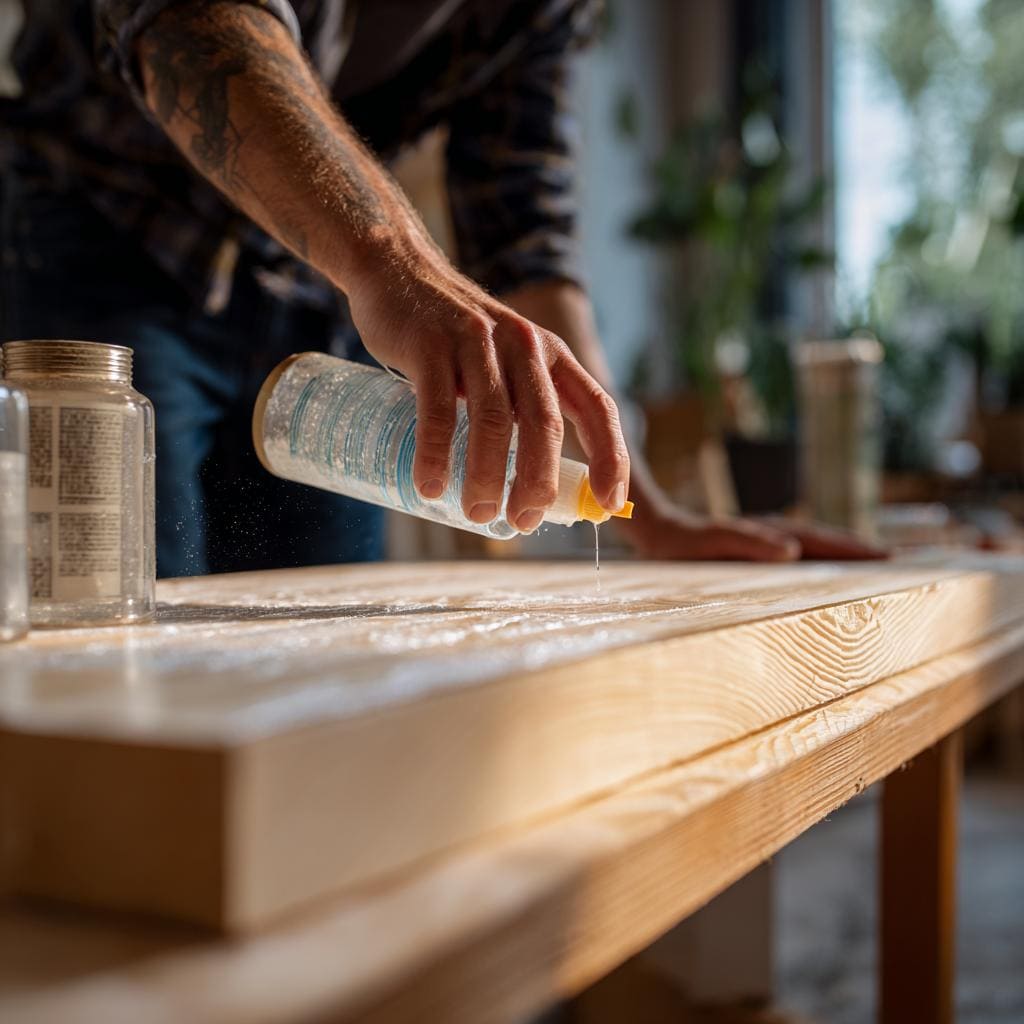
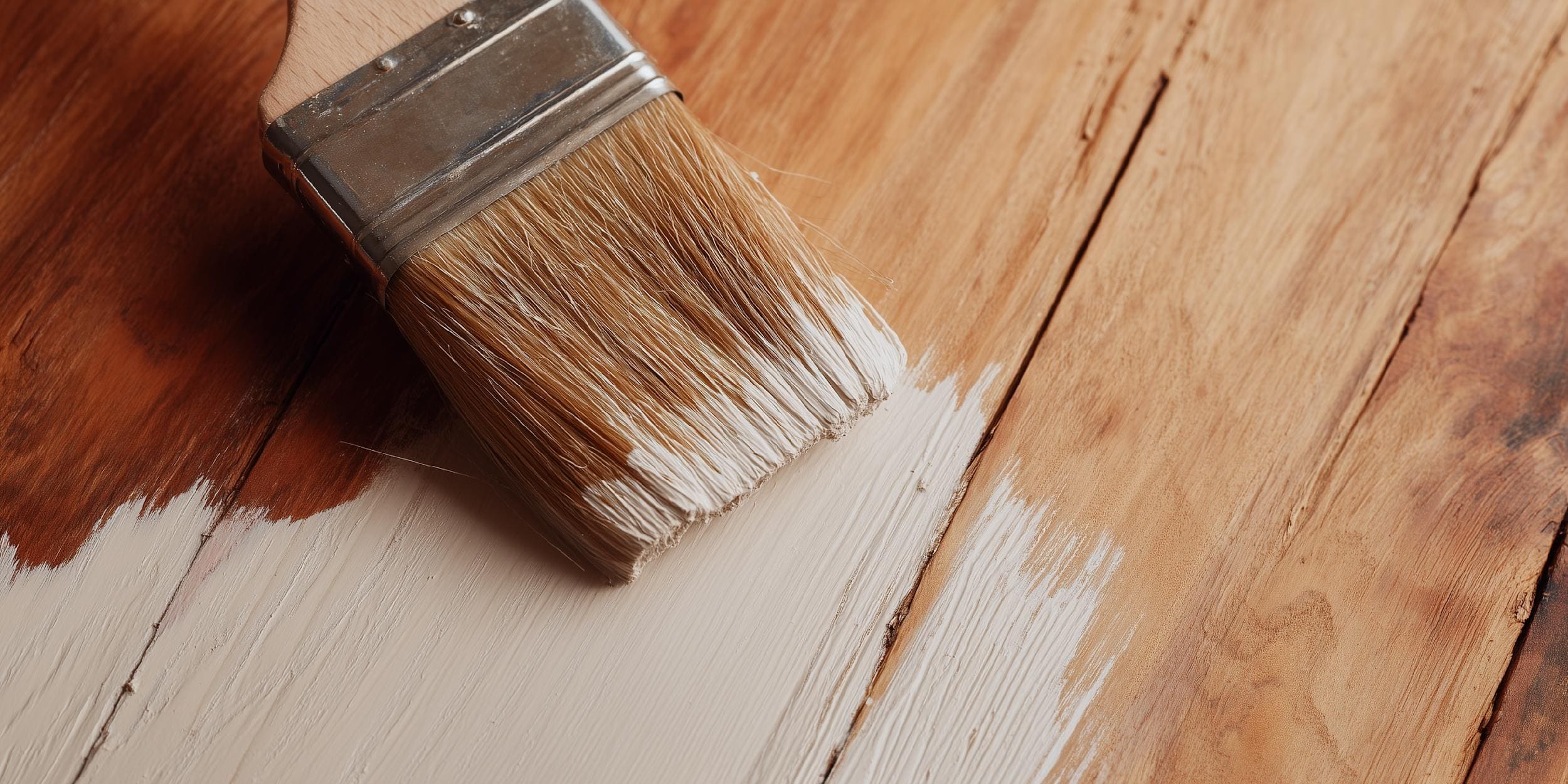
Proper preparation ensures your wood polish looks flawless.
The costs of wood polishes vary depending on product type and application method.
Basic maintenance polish is easily affordable and readily available.
Oil and wax finishes fall mid range in the pricing spectrum.
PU and lacquer finishes cost a lot more, especially when professionally applied.
Professional polishing may be priced per square foot, and high-gloss finishes and many coatings will increase the cost.
Investing a tad more saves money in the long run!
Summarising….
Highlight every detail with a subtle and natural wood polish.
Wood breathes life into your home, softening spaces and adding a tonne of warmth. Timeless and elegant, when cared for it lasts pretty much forever!
The right wood polish protects and enhances the natural character of your furniture. At HomeLane, we help you choose thoughtfully so that your home stays beautiful, year after year.
When refreshing your home interiors, start with the finish. You might be surprised at the difference it makes.
FAQs
1. What is wood polish?
Wood polish is a protective finish applied to wooden surfaces to increase the shine, durability, and protect the wood.
2. What are the different types of wood polish available?
Common types of wood polish might include oil-based polish, wax polish, lacquer, polyurethane (PU), and maintenance liquid polish.
3. How do I choose the right wood polish for my furniture?
Keep in mind your usage, exposure to moisture, the look you want, and whether the furniture is solid or engineered wood.
4. What are the benefits of oil-based wood polish compared to wax or lacquer?
Oil-based polish penetrates deeper and enhances the grain; while wax gives a softer sheen and lacquer offer harder surface protection (but does not look natural).
5. Can I use wood polish for outdoor furniture?
Yes, and no; not all polishes are suitable for outdoor use. Choose weather-resistant finishes specially designed for exterior conditions.




















 EXPLORE MORE