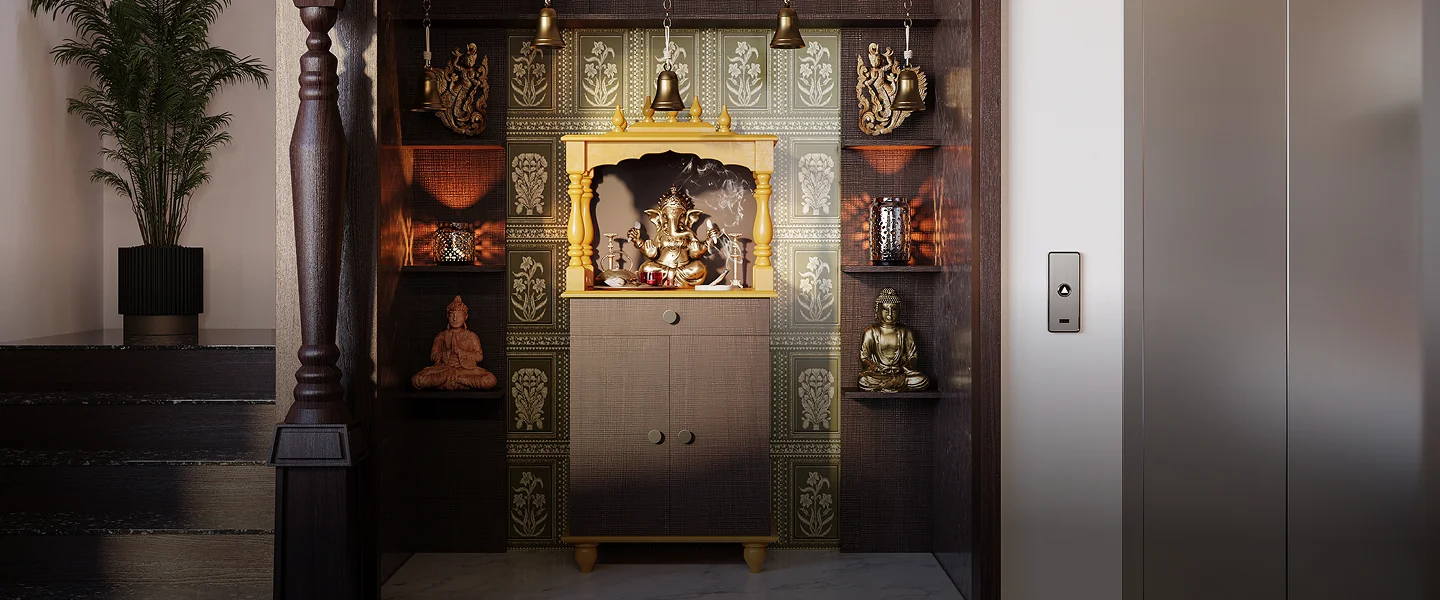
Trending Pooja Room Designs
Why Choose HomeLane? Here’s Why!
Delivery in 45 days*
No hidden costs
Flat 10-year warranty
Easy EMIs
Meet Our Expert Designers:
The Minds Behind the Magic
55000+ Homes Designed with Love
Take a closer look at the homes we've designed for our happy customers. Hear their experiences, see the before-and-after magic, and find out how HomeLane brought their visions to life.
From Design to Move-In
Stories Behind the Designs
Each HomeLane home is more than just walls and furniture—it’s a journey. Walk with real families as sketches become spaces, and spaces become the heart of their everyday. Read their stories, feel their trust, and imagine what we can build for you.
Find Us in Your City
Explore our presence across India—click on your city to get started with your dream home.
FAQs on Pooja Room Design
What makes a timeless mandir design in home for modern Indian apartments?
A timeless mandir design in home blends quiet elegance with daily ease. Think clean lines, soft lighting, and subtle traditional touches that won’t go out of style. Wall-mounted mandirs or backlit panels with Om or lotus motifs work beautifully in compact flats. Use neutral tones or warm wood to keep it calming, and avoid overly ornamental details that may date quickly. Want to see how we’ve designed pooja corners that feel both serene and sophisticated? Watch this HomeLane home tour featuring a modern mandir setup.
Which wood is best for a traditional pooja room design that lasts years?
If you want your pooja room design to stand the test of time, go for solid woods like teak or sheesham. These are naturally durable, termite-resistant, and age beautifully with minimal upkeep. Veneered plywood with a natural wood finish is a budget-friendly alternative that still looks rich. At HomeLane, we factory-finish every panel to reduce wear and tear from daily use—especially with oil, agarbattis, and lamps in play.
Curious how it all comes together? Explore our HomeLane factory walkthrough to see how we craft lasting interiors.
How can I fit a compact puja room design into a 2-BHK corridor niche?
Even a small wall recess or corridor turn can host a meaningful puja room design. Wall-mounted units with drawers underneath are ideal—they save space while offering storage for samagri. Backlit panels, a narrow ledge for idols, and jali doors keep things airy and clutter-free. Add soft, warm lighting to give the area a peaceful glow, without taking up valuable square footage.
Designed right, even the tiniest space can feel divine. Drop by your nearest HomeLane studio and let’s plan yours together.
What Vastu rules matter most for a mandir design in home facing east?
According to Vastu, the mandir design in home should ideally face the northeast. But if your flat allows only for east-facing placement, that works well too. Ensure that idols face west so the devotee faces east while praying. Keep the space clutter-free, raised, and separate from bathrooms or kitchens.
At HomeLane, we work with your Vastu consultant or use simple design tweaks like mirror placement and wall colours to keep things aligned—both spiritually and aesthetically.
Which wall colours suit a serene pooja room interior design?
For a peaceful pooja room interior design, opt for soft tones like ivory, pastel yellow, sandalwood beige, or light peach. These colours create a calm, meditative vibe and work well with both traditional and modern units. Avoid stark whites or dark shades that may feel cold or overpowering.
Curious how pooja room colours come together in real homes? Watch this HomeLane home tour featuring a beautifully styled pooja space
How do I add storage for samagri in a small puja room interior design?
Even in the most compact puja room interior design, there’s always room for smart storage. Think slim pull-out drawers below the unit, open niches to hold everyday samagri, or hidden shelves behind jali panels. Wall-mounted cabinets above the mandir can store diya oil, incense, and festive decor without cluttering the floor. At HomeLane, our designers make sure everything has its place—even in tight corners.
What lighting options elevate a contemporary pooja room design?
The right lighting can add warmth and divinity to any pooja room design. Warm white LED strips tucked under shelves or behind the idol create a soft glow. Pendant lights with brass or frosted glass finishes add elegance, while spotlights highlight the murti. For modern units, we recommend touch-controlled lighting for convenience and effect.
Can jali doors improve ventilation in a mandir design in home?
Yes, and that’s why mandir design in home often includes carved or CNC-cut jali doors. They let the fragrance of incense circulate, reduce heat buildup from diyas, and keep the area visually light. Plus, they add a beautiful layer of texture and tradition. You can choose patterns in wood, MDF, or glass—your designer will help you match it with the rest of your interiors.
How do space-saving shelves work in tiny puja room designs for flats?
Tiny flats in cities call for clever solutions. In compact puja room designs, open corner shelves, wall-mounted ledges, and built-in niches work wonders. You can stack prayer books, incense, bells, and even mini lamps—without eating into floor space. Our modular designs at HomeLane ensure these shelves are sturdy, aesthetic, and Vaastu-aware. Want to see smart shelving in action? Watch this HomeLane flat tour with a beautifully fitted puja unit.
What marble patterns are trending in luxury pooja room interior design?
In luxury pooja room interior design, white and beige marble with soft veining is still a classic. But newer choices like Katni, Botticino, and light grey marbles are catching on—especially when paired with brass inlays or backlit panels. These patterns lend richness without being too loud. Want a touch of opulence that stays timeless? HomeLane’s team can help you pick just the right finish for your prayer nook.
How much does it cost to build the best pooja room design in Bengaluru?
Building the best pooja room design for your Bengaluru home depends on how simple or elaborate you want it to be:
Rs. 30,000–Rs. 60,000 for compact wall-mounted mandirs with a basic light setup.
Rs. 60,000–Rs. 1 lakh for floor-standing units with drawers, back panels, or jali work.
Rs. 1 lakh and above for premium finishes like marble, CNC carving, brass bells, or designer lighting.
Prices go up if you add extras like hidden drawers, brass lamps, or soft lighting. Want a personalised estimate? Chat with a HomeLane designer today.
What safety tips should I follow for diya placement in a puja room design?
Safety is just as important as tradition in your puja room design. Here are some simple, must-follow tips:
Always keep diyas on a heat-resistant base like marble or granite.
Avoid placing flames near curtains or wooden shelves.
Use metal diya stands—not fabric or jute strings.
Make sure incense holders are stable and away from kids’ reach.
Add a small exhaust fan or keep a window open for ventilation.
HomeLane’s modular pooja room units come with space for diya trays and easy-to-clean finishes—so your rituals stay beautiful and safe.
How do I combine wood and glass in a modern pooja room design?
If you love clean lines but want to keep the warmth of tradition, a modern pooja room design with wood and glass can be just right:
Choose warm-toned wood like teak or oak for the main frame.
Add frosted or back-painted glass shutters for a sleek touch.
CNC jali panels in glass or MDF can bring in patterns without adding bulk.
Soft lighting behind the panels makes it glow gently during pooja time.
Check out this HomeLane home tour where a modern mandir blends perfectly into the living space.
Which motifs suit a South-Indian-style mandir design in home?
A South Indian mandir design in home is full of beautiful cultural details that never go out of style. Popular motifs include:
Lotus, peacock, and elephant carvings
Gopuram-style domes and bell brackets
Brass lamps and hanging chains
Floral garland hangers
Our designers help you blend these into compact or large homes—so your mandir feels traditional, even if you live in a modern apartment. Want help blending these motifs into your decor? Drop into a HomeLane studio near you
How can I hide wiring for lamps in a sleek pooja room interior design?
Wires sticking out of a pooja room interior design can really spoil the vibe. That’s why at HomeLane, we:
Pre-plan the wiring layout when we design the unit.
Conceal electricals inside the back panel of the mandir.
Place switches inside drawers or behind shutters for a clean finish.
Use ready slots for LED strips and pendant lamps—no messy site work later.
Can a balcony corner host a peaceful puja room interior design?
Yes—many Indian homes today use a quiet balcony nook for a pooja room interior design, especially when space is tight indoors. You can:
Use a compact wall-mounted mandir with shutters
Add a wooden base for your diyas and brass décor
Fix wall shelves for idols and samagri
Install a jali screen for privacy and ventilation
Choose soft lighting and peaceful colours for a calm vibe
We help you make space for faith—wherever it feels right.
What compact flooring ideas suit a rented-flat pooja room design?
For a rental-friendly pooja room design, choose flooring that’s portable, budget-friendly, and mess-free. Try:
Interlocking vinyl tiles in wood or marble finish
Stick-on vinyl or peel-and-stick laminate planks
A raised plywood base with a washable runner
Marble-look resin trays for diyas and puja setup
No drilling, no damage—and you can carry it with you when you move. At HomeLane, we help create smart, temporary setups that still feel divine.
Are fold-down panels practical in small mandir design in home units?
Absolutely. In compact homes, fold-down panels make your mandir design in home more flexible and less space-hungry. Use them as:
Pull-down trays for diyas or incense
Hinged side panels that act as pooja shelves
Drop-leaf doors that close up neatly after prayer
They keep your mandir tucked away when not in use—and look neat even in the living room.
Which materials resist incense stains in puja room interior design?
A well-used puja room interior design can often get stained from agarbattis or oil lamps. These materials hold up well:
Back-painted glass or lacquered shutters (easy to wipe)
Marble or granite bases (resist heat and stains)
High-gloss laminates or PU-coated MDF
Brass thalis and trays for daily use
Our designers at HomeLane guide you in picking finishes that look good and clean up fast—because sacred corners should stay spotless.
Why choose HomeLane for the best pooja room design and installation?
We don’t just install a mandir—we build a space that feels sacred. Here’s why many homeowners trust us for the best pooja room design:
3D previews before you commit
Factory-made units with jali work, drawers, and lighting
Designs that fit hallways, corners, balconies, or full rooms
Options for marble, glass, wood, or a mix
End-to-end service—from design to installation
Visit a HomeLane studio near you and see mandirs made with heart.