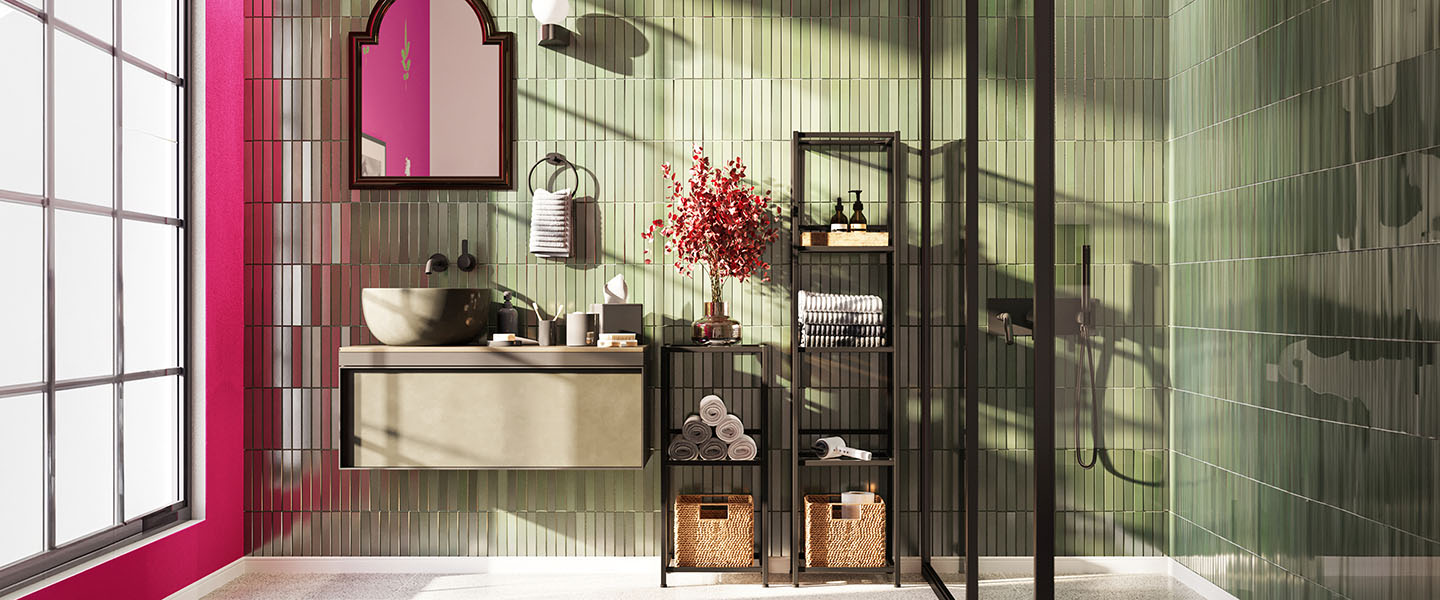
Trending Bathroom Designs
Why Choose HomeLane? Here’s Why!
Delivery in 45 days*
No hidden costs
Flat 10-year warranty
Easy EMIs
Meet Our Expert Designers:
The Minds Behind the Magic
55000+ Homes Designed with Love
Take a closer look at the homes we've designed for our happy customers. Hear their experiences, see the before-and-after magic, and find out how HomeLane brought their visions to life.
From Design to Move-In
Stories Behind the Designs
Each HomeLane home is more than just walls and furniture—it’s a journey. Walk with real families as sketches become spaces, and spaces become the heart of their everyday. Read their stories, feel their trust, and imagine what we can build for you.
Find Us in Your City
Explore our presence across India—click on your city to get started with your dream home.
FAQs on Bathroom Design
What are the latest bathroom design trends for Indian homes?
Today’s Indian bathroom designs are calming, feel-good spaces, not just the starkly practical rooms of yesteryears:
Floating vanities free up floor space and make cleaning a whole lot easier.
Wood-look tiles and warm tones create a spa-like feel.
Earthy colours like brown, olive green, beige, and clay ground the space beautifully.
Smart storage behind mirrors and inside niches keeps clutter away.
Matte black, burnished copper or brushed gold hardware adds subtle glamour.
Walk-in showers with clear glass partitions are trending.
Soft lighting, anti-skid tiles, and sensor taps are practical value-adds.
These bathroom interior design trends balance function with flair, making everyday routines easier— and your bathroom your perfect escape!
Want more bathroom décor ideas? Read our blog.
How do I plan a small bathroom design without losing storage?
A compact bathroom interior can still hold a lot—if you plan smart, and think out-of-the-box! Here’s how:
Use wall-mounted cabinets and a floating vanity stand.
Add a mirror cabinet to store essentials without using shelf space.
Use niches inside the shower area for shampoos and soaps.
Install towel hooks or rails on the back of the door.
Choose a sliding door to save swing space.
Keep colours light and tiles reflective to make the bathroom interior feel open.
A mirror wall can visually double the space in a small bathroom design.
With clever planning, you’ll have everything in your bathroom easily within reach, and still feel like you have enough room to breathe! Wondering how smart storage solutions look in action? Check out this home tour.
Which tiles work best for bathroom interior design in humid Indian climates?
Most Indian cities are warm and humid, which means that picking the right tiles is important to keep your bathroom interior fresh and hygienic.
Vitrified tiles that are anti-skid are great for the shower and other wet areas.
Choose ceramic tiles with a matte finish to prevent falls.
Rough stone tiles are easy to maintain and work well in high-moisture spaces.
Some tips:
Avoid glossy tiles on the floor, and look for rough, anti-slip flooring.
Shades like beige, grey, or ivory will reflect light and open up your space.
Try textured or patterned tiles on one accent wall.
Take care to grout the tiles well.
Ensure good waterproofing to prevent seepage.
Talk to a HomeLane interior designer near you to get started.
What budget-friendly bathroom interior ideas suit 1- and 2-BHK flats?
In today’s urban homes, you can make your bathroom design feel chic even without a big price-tag. Here’s how:
Replace the basin counter with a compact wall-mounted vanity unit with storage.
Install open corner shelves for soaps, towels, or planters.
Use peel-and-stick wall panels or budget-friendly tiles for one accent wall.
Try a sleek mirror with storage behind—as pretty as it is practical!
Add soft lighting with warm LED strips around the mirror.
A patterned shower curtain or a small potted plant dials up the warmth instantly.
Want to have a rough idea of bathroom interior costs? Use our HomeLane Cost Calculator or drop by your nearest HomeLane Experience Centre for a one-on-one chat.
How can I create a luxe feel in a compact bathroom design for home?
Luxury is in the details, and even a few indulgent touches can transform your bathroom into a style spa:
Add richness with marble tiles or quartz.
Choose a round or oval backlit mirror—great for ambience!
Brushed gold or matte black taps instantly add a boutique feel.
A glass shower partition opens up the space.
Pick a floating vanity with handleless drawers for a seamless, sleek look.
Add warm lighting under the cabinet or around the mirror.
Use a neutral palette—greys, taupe, ivory—with interesting textures and accents.
Tuck in rolled towels, candles, or a chic soap dispenser to elevate the vibe.
Plants in rattan pots dial up the glam feel.
Essential oils in diffusers add a sensuous touch.
Your bathroom deserves the love—and so do you!
What’s the ideal layout for a house bathroom design in a typical 2BHK?
Space in a 2BHK is precious, so house bathroom designs must be practical, comfortable, and easy to maintain.
Ideally, have two bathrooms—one that is attached to the master bedroom and one for common use.
Create zones: dry area (vanity), wet area (shower), and toilet placed in between.
Keep the washbasin near the door for quick access (brushing teeth, face washes).
Use glass partitions to demarcate wet and dry zones without cutting visual sightlines.
Wall-mounted WC units and floating vanities free up floor space and make cleaning below easier.
Plan storage with care—mirror cabinets and under-sink drawers add utility and style.
Good ventilation reduces humidity and keeps the space fresh.
It goes without saying, a simple, neat layout always works best in compact city homes. Let's chat.
How do I ensure good ventilation and lighting in bathroom interior design?
Good ventilation and thoughtful lighting can make all the difference in your bathroom interior design. Here’s how to tick all the right boxes:
Install an exhaust fan to remove moisture and prevent mould—especially in bathrooms without windows.
If possible, add a louvered or frosted glass window for cross-ventilation and natural light.
Use ceiling-mounted LED lights for general illumination, and add task lighting near the mirror.
Backlit mirrors or vertical sconces help reduce shadows when grooming.
Keep finishes and wall colours light to reflect more brightness across the room.
Place lights away from direct water zones, and use IP-rated waterproof fittings.
Plan electricals with care to avoid exposed wires.
Get the basics right, and your bathroom will feel fresh, bright, and comfortable. Let's talk.
Which materials are easiest to clean and maintain in bathroom interiors?
The materials you choose play a starring role in the cleanliness of your bathroom interior. Here are some thoughts:
Ceramic and vitrified tiles are top picks for floors and walls—they’re non-porous, easy to wipe, and resist stains.
Quartz and granite countertops are low-maintenance and don’t absorb water or soap scum.
Use uPVC or marine ply cabinets with laminate finishes for vanities—they resist moisture and are simple to wipe down.
Toughened glass for shower partitions is sleek and easy to clean with mild soap.
Stick to chrome or matte-finish fittings—they hide water spots better and need less polishing.
Avoid porous stones or textured surfaces—they trap dirt and are harder to scrub.
Smart choices now mean less cleaning later!
How much does it cost to renovate a bathroom design in India today?
Bathroom renovation costs in India can vary widely based on the size of the space, the materials you choose, and the extent of civil changes involved.
A basic refresh—new tiles, fittings, and minor plumbing—can start around ?50,000 to ?75,000.
A mid-range upgrade with branded fittings, waterproofing, and updated storage will typically cost between ?60,000 to ?1.5 lakh.
A full-scale bathroom interior with premium tiles, glass partitions, custom vanities, and high-end fittings can go from ?2.5 lakh to ?4 lakh and above, especially for larger bathrooms.
If civil work like retiling, shifting drainage lines, or breaking walls is involved, the cost is difficult to estimate without a site visit. It’s best to get a detailed quote after a detailed discussion to keep your budget realistic.
What are the best bathroom designs for senior-friendly homes?
A senior-friendly bathroom design is one that is easy to navigate, non-slip, well-lit and comfortable to use. Keep these key considerations in mind:
Install grab bars near the toilet so elders can get up easily.
Choose non-slip flooring—matte-finish tiles or textured anti-skid options work best.
A walk-in shower with no level difference is better than a tub for elders.
Add a foldable seat in the shower area so they can sit down when bathing.
Keep the lighting bright but warm, with sensor lights for nighttime use.
Use lever-style faucets instead of twist knobs—they’re easier on arthritic hands.
Plan a vanity height that is comfortable and storage that is easy to reach.
Keep towels within easy access.
Need more ideas? Read our guide.
How can I tuck a laundry nook into my bathroom design for home?
It’s not hard to fit a laundry nook into your bathroom interior, without making it feel cramped. Here’s how to go about it:
Tuck a front-load washer under the vanity area. Add shutters or a panel to keep it hidden when not in use.
Use the vertical space—shelves above the machine can hold towels, baskets, or detergents.
A pull-out hamper or small cabinet nearby keeps things organised.
Keep it close to a water line for easy plumbing, and ensure there’s an exhaust or window for ventilation.
Match finishes and colours so it blends in beautifully.
Done right, your laundry corner will feel like part of the bathroom design—clean, organised, and right where you need it. Here are more laundry design ideas.
Which space-saving fixtures help with small bathroom interior design?
Small bathroom interior design is all about smart use of space:
Wall-mounted toilets create the illusion of more floor space and are easier to clean.
Corner sinks use awkward angles that are otherwise unused.
Sliding shower doors do away with swing radius space taken up by regular doors.
Floating vanities lift storage off floors, creating visual pause.
Recessed medicine cabinets built into wall niches are a value-add.
Fold-down shower seats are perfect for small showers.
Sleek and slender towel ladders save much-needed wall space.
Niches inside the shower hold toiletries without occupying extra space.
Wall-to-wall mirrors visually double the space and brightness.
Greenery adds freshness and reduces visual noise.
Looking for more small bathroom storage secrets? Read our blog for tips that really work.
Which colour schemes make a compact bathroom design look bigger?
The right colours can do wonders in opening up a small bathroom design—making it feel brighter, breezier, and more inviting:
Soft neutrals like beige, ivory, and grey reflect light and create a calm, airy feel.
White-on-white combos—tiles, walls, and fittings—give an elegant, luxe look.
Cool mint, powder blue, or pale sage can visually push back walls.
Like a bit of personality? Add pastel accents—maybe a soft pink towel or a greige vanity unit.
Play with contrasting textures (matte walls, glossy tiles), pretty patterns or bold accent colours to add depth and drama.
Lighter floors and bright ceilings help stretch the space, both vertically and horizontally.
Top it off with soft lighting and a well-placed mirror, and even the smallest bathroom design can feel open, serene, and just right for you.
Shower enclosure vs bathtub—what suits modern bathroom interior design?
It really comes down to how you live, the space you have, and what makes you feel good at the end of the day.
Shower enclosures are perfect for compact bathrooms—they save space, keep the area dry, and look sleek with clear glass partitions. They’re easy to clean, low on water usage, and ideal for quick morning routines. A great fit for the modern, no-fuss Indian home!
Bathtubs, on the other hand, are all about slow, luxurious soaks. They need more room, more water, and more cleaning—but if your bathroom allows it, nothing beats a long soak at the end of a tiring day.
If practicality is key, go with a smart shower. Craving indulgence? Bring on the tub!
How do I add smart tech (LED mirrors, sensor taps) to my bathroom design?
Upgrading your bathroom with smart tech is easier than you think, and it makes your home more sustainable, too.
Start with a fog-free mirror that is back-lit with an LED strip light.
Install sensor taps to save water and prevent drips.
Get a smart water heater with app control and preset temperature modes.
Add motion-sensor lights under the vanity or near the WC for night-time ease.
If you have the budget, choose a digital shower panel with temperature control and music.
Keep all the wiring safe and moisture-protected.
If the water is hard, ensure that you use a water softener at the first point of entry.
Start with one or two upgrades—you’ll be happy you did!
What waterproof lighting options work in house bathroom design?
Bathrooms need lighting that’s both safe and soothing—and waterproof options are non-negotiable.
IP65-rated LED downlights and ceiling fixtures are ideal for wet zones.
Recessed LED spotlights with IP65 protection in shower or tub areas are built to resist moisture, rust, and steam.
Vanity lights or mirror lamps rated IP44 or higher are safe for mirror areas.
Strip lights under the vanity or behind mirrors create a warm, ambient feel.
Choose motion sensor lights for convenience during night-time use.
Ensure fittings are made of rust-proof materials like aluminium or coated steel.
Avoid open bulbs or exposed wiring—sealed fixtures are best.
Do ensure you check the IP rating before you buy—and if you’re confused, just walk into your nearest HomeLane Experience Centre to get trusted help.
Can plants thrive in bathroom interiors without causing mould?
Yes, many plants actually love the warmth and humidity of bathroom interiors—and won’t trigger the growth of mould if you care for them properly.
Choose low-light, humidity-loving plants like pothos, ferns, spider plants, and peace lilies.
Place them on window sills, shelves, or hanging macrame holders to keep air circulating.
Avoid overcrowding—give each plant enough space to breathe.
Ensure your bathroom is well-ventilated (an exhaust fan or a window is a must).
Water sparingly—bathrooms are already humid!
Use fast-draining pots with pebbles or trays to prevent soggy soil.
Wipe leaves regularly to avoid mildew buildup.
When done right, greenery brings freshness and a lovely spa-like feel, without the danger of mould. Get expert help from a HomeLane designer.
What are Vastu dos and don’ts for bathroom design in north-facing homes?
When it comes to Vastu, bathrooms carry a lot of energetic weight, and this is especially true in north-facing homes.
Dos:
Place the bathroom in the north-west or west for better energy flow.
Let the toilet face north or south.
Set up your washbasin on the north or east wall.
Choose light shades—beige, cream, sky blue—for a calm, airy vibe.
Make sure there’s good ventilation—windows or exhaust fans are a must.
Don’ts:
Skip the north-east corner—it’s sacred and best kept bathroom-free!
Don’t place the toilet facing the door.
Stay away from dark colours and poor lighting—they weigh the space down.
With just a few tweaks, your bathroom can support harmony and wellbeing in your home. Curious to learn more? Read our blog on Vastu design tips.
How do I stop water seepage in high-rise bathroom interior design?
Seepage is one of those things that’s easy to ignore—until it turns into peeling paint and damp patches on your walls. In high-rise homes, it pays to plan right.
Use solid brick or concrete walls for bathrooms instead of hollow blocks, which will increase the possibility of leaks.
Use only ISI-marked PVC pipes and fittings to avoid cracks and leaks.
Always apply a high-grade waterproofing layer before tiling—especially on floors and lower walls.
Ensure a proper slope in the flooring so water flows directly into the drain.
Avoid drilling too many holes in the walls or fixing accessories with poor sealing.
Always grout tiles properly and re-grout periodically.
Get regular checks done for concealed water and drainage pipelines.
Good bathroom design and planning now saves a lot of costly repair work later—especially in apartments with shared walls. Talk to a HomeLane designer today.
Why choose HomeLane for your next bathroom design project?
Choosing HomeLane for your bathroom interior design is a no-brainer decision, as you’re getting the best of the best:
Expert designers who blend style with daily practicality.
Cost-effective budgets, with transparent pricing and no hidden surprises.
Tight timelines (most bathrooms are ready in just 45 days).
Experienced contractors and trusted installers to handle the work.
A wide range of tiles, fittings, and smart accessories to choose from.
A 3D preview of your bathroom before anything is built. (Watch a demo here.)
A complete end-to-end solution—design, delivery, installation, and aftercare.
What’s more, all this is backed by a 10-year warranty on modular units, and ongoing customer support! Compact bathroom designs, luxurious en suites, and more—HomeLane takes all the stress out of creating picture-perfect bathrooms.