Floor-to-Ceiling Wardrobes: Are They Worth the Hype?
By HomeLane- March 10, 2026
If you’re planning a bedroom makeover, chances are you’ve seen floor-to-ceiling wardrobes pop up everywhere.
At a basic level, they cover the full height of the wall, from floor to ceiling. No awkward gaps, dusty loft space or wasted height. But once you live with one, you realise that the real benefit isn’t just storage. It’s about where all the ‘extra life stuff’ finally goes.
At HomeLane, we’ve seen more homeowners leaning toward full-height wardrobes for exactly this reason; they help rooms feel calmer without adding more furniture.
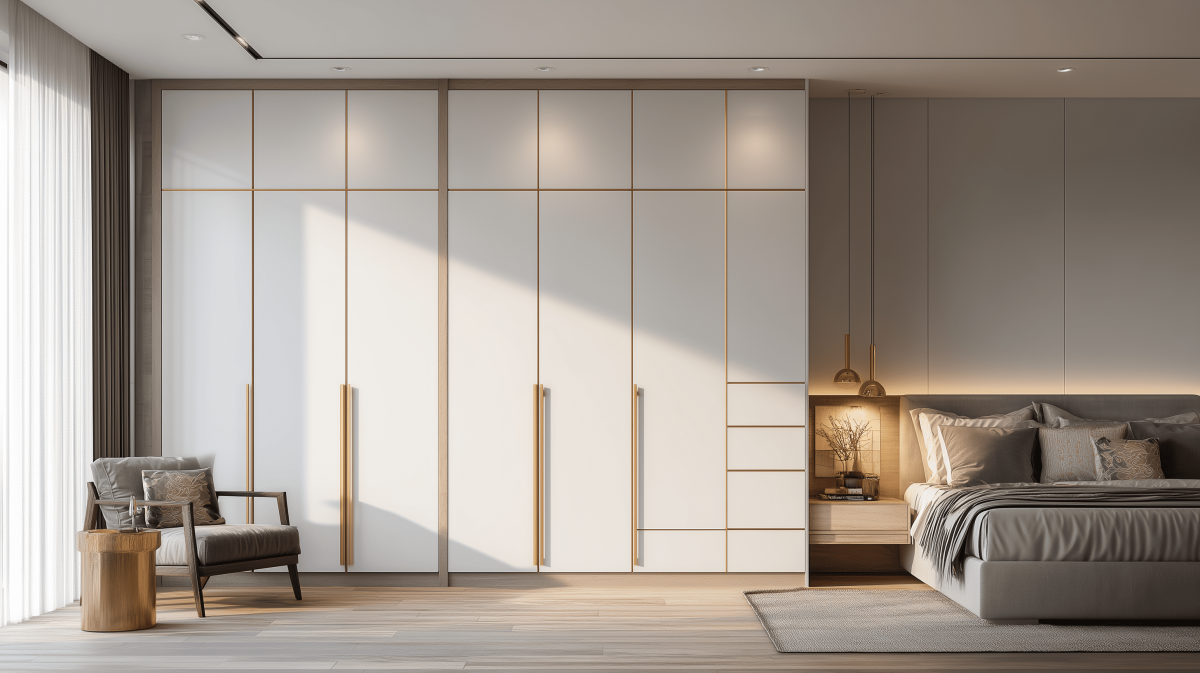
Floor-to-ceiling wardrobe design that maximises bedroom storage
Why Floor-to-Ceiling Wardrobes Make Sense
Full-height wardrobes that turn unused wall space into smart bedroom storage.
Bedrooms today aren’t just for sleeping. Many double up as work corners, dressing areas, hobby spots, or general catch-alls for things that don’t quite belong anywhere else.
A wardrobe that uses the full height of the room helps manage all of that without taking up more floor space, and the way that height gets used starts to show in how the room functions day to day. Usually, the upper sections end up holding items you don’t need every day – seasonal clothes, travel bags and extra bedding, for instance. The lower sections stay for daily use. This natural split keeps things practical without overcomplicating how you use the wardrobe.
There’s also a visual shift. When you remove loft boxes and scattered storage, the room feels calmer. One tall, continuous surface is often easier on the eye than lots of smaller elements competing for attention.
How Your Lifestyle Changes the Way You Use Storage
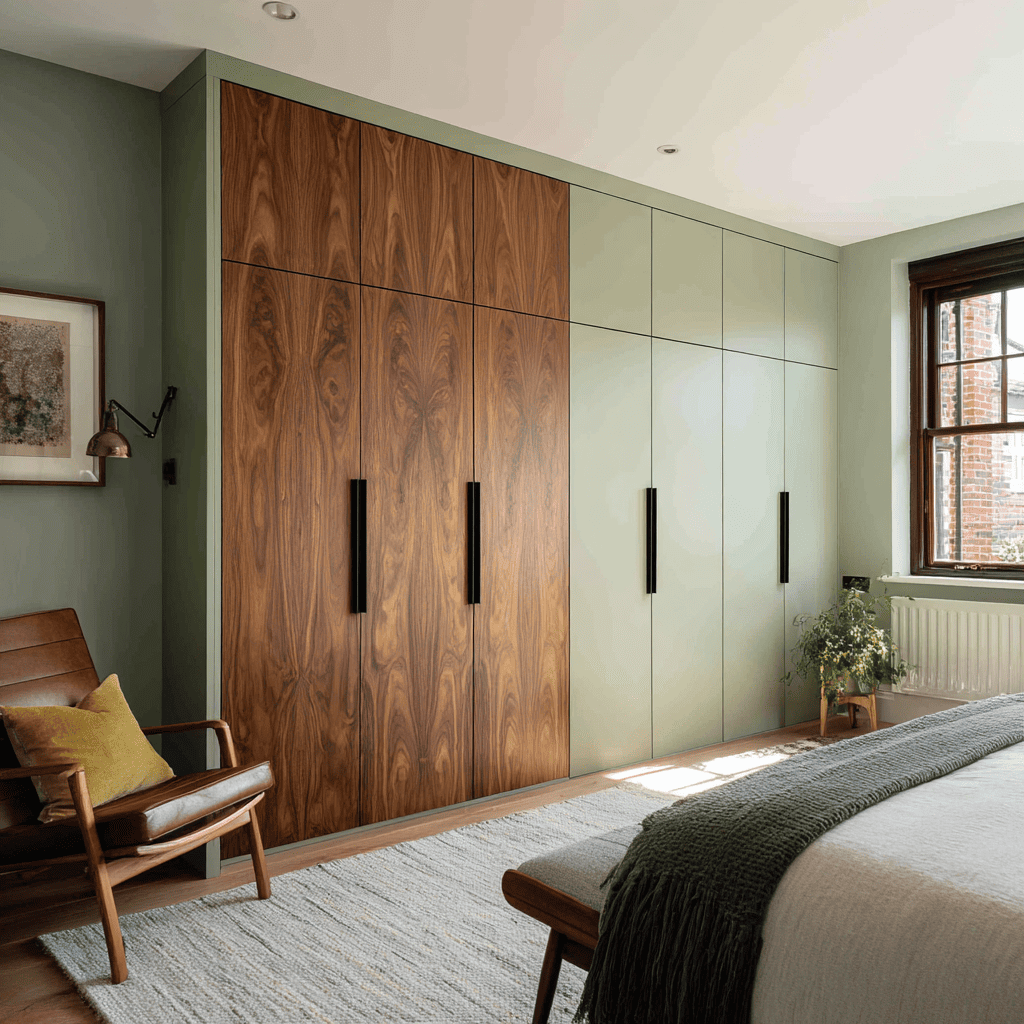
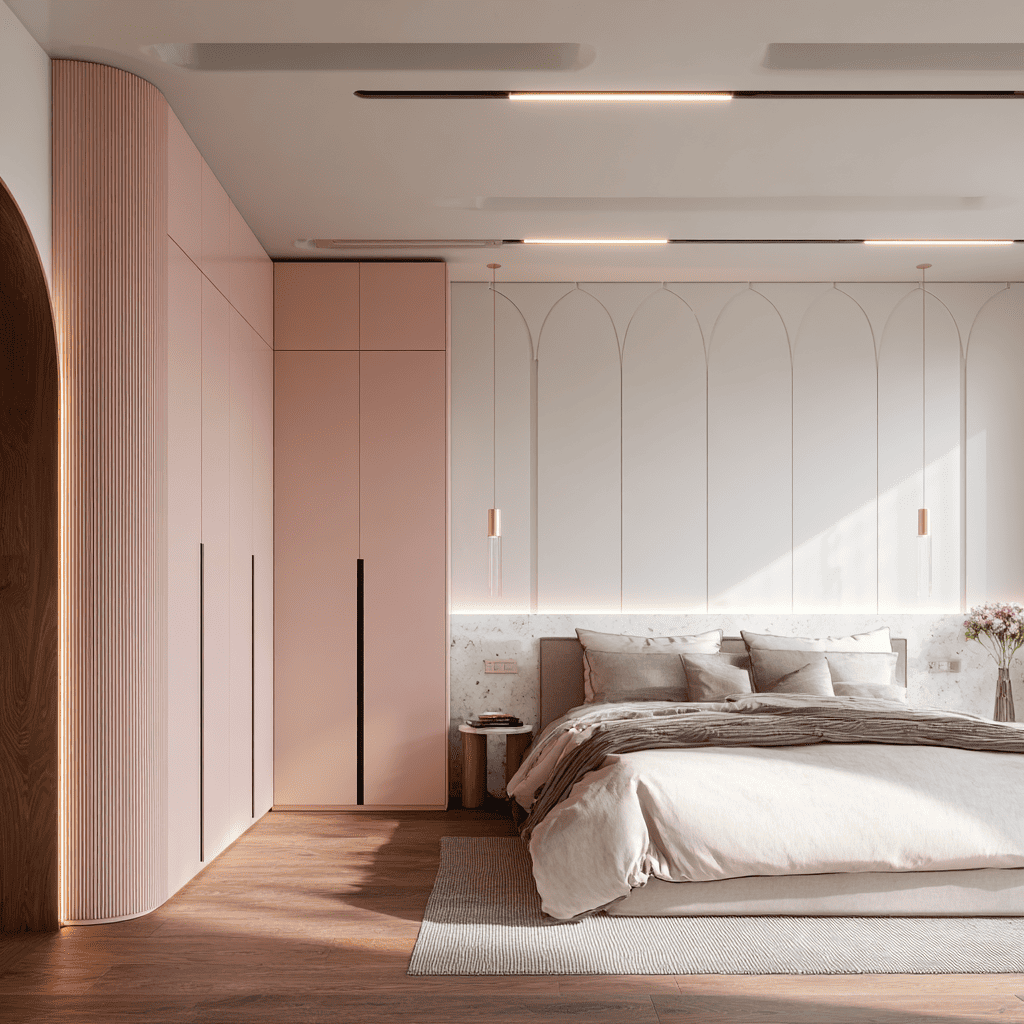
Bedroom with a built-in floor-to-ceiling wardrobe for a clean, seamless look.
This is where the idea of ‘More Space, More You’ starts to feel real. That extra height ends up reflecting how different people actually live.
Someone who travels often might stack suitcases and duffel bags up top. A fashion enthusiast may store special-occasion outfits, boots, or handbags that aren’t used daily. Families often use the upper shelves for board games, craft supplies, or toys that come and go as kids grow.
People with hobbies find it useful too. Camera bags, yoga mats, trekking gear, and art supplies are all awkward to store in small drawers or side tables. The upper tier of a full-height wardrobe gives all these items a proper place, so the rest of the room doesn’t feel cluttered. And over time, it feels less like ‘extra storage’ and more like a quiet support system for how you live.
Beyond Storage: How They Change the Room
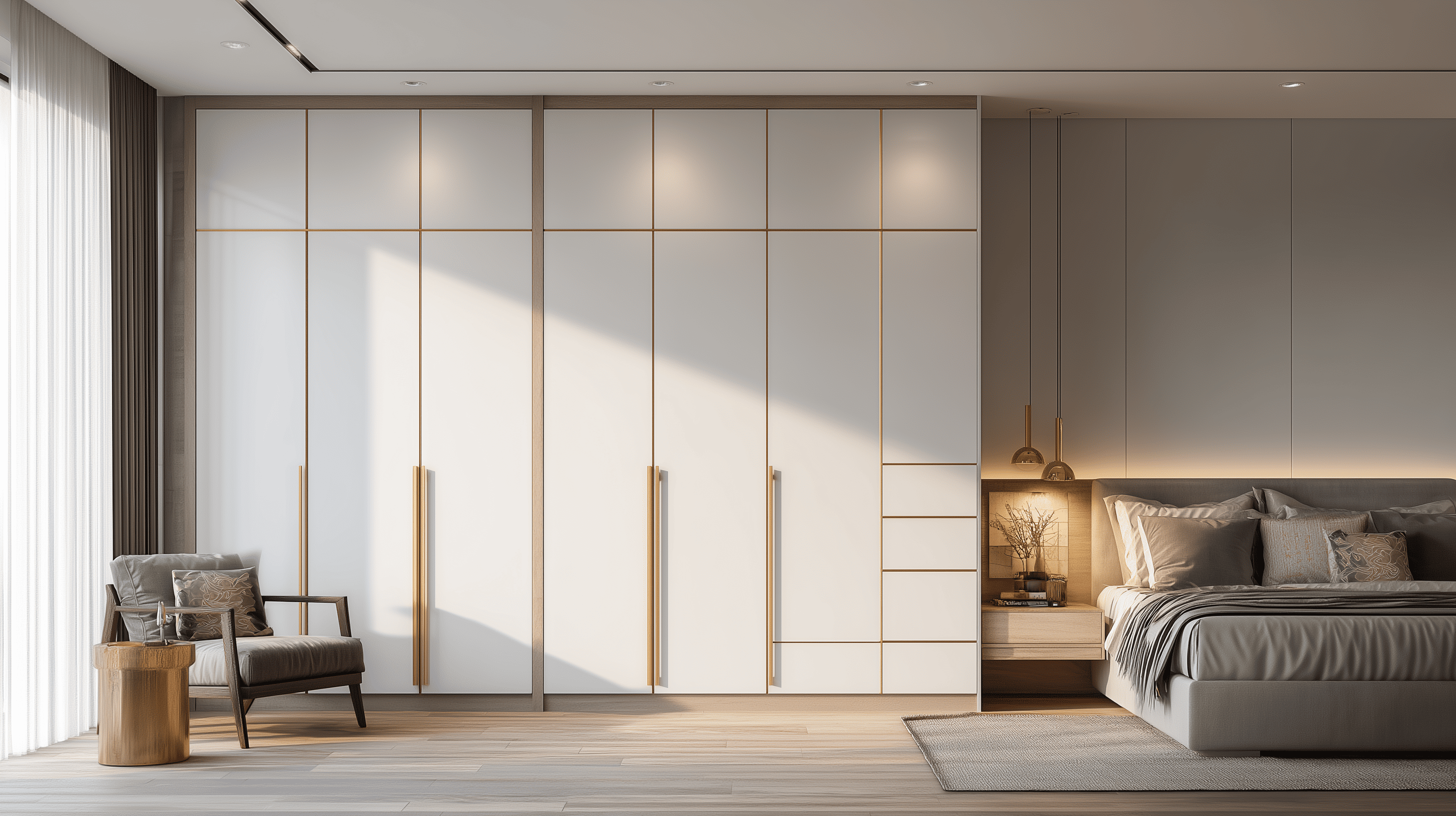
Sleek minimal floor-to-ceiling wardrobe perfect for compact bedrooms.
Apart from storage, there’s something quite visually satisfying about a wardrobe that meets the ceiling. It removes those empty gaps that usually gather dust and makes the room feel taller. In smaller bedrooms especially, fewer visual breaks can make the space feel less crowded.
The top sections, however, are not meant for everyday access. You’ll probably need a small stool now and then, which is fine for occasional use but not ideal for daily items.
Ceiling conditions matter too. False ceilings, beams, or uneven slabs may need adjustments or filler panels. In rooms with very low ceilings, the visual effect may not be as noticeable, so it’s worth discussing with a designer before committing.
Hinged or Sliding: Which One Works Better?
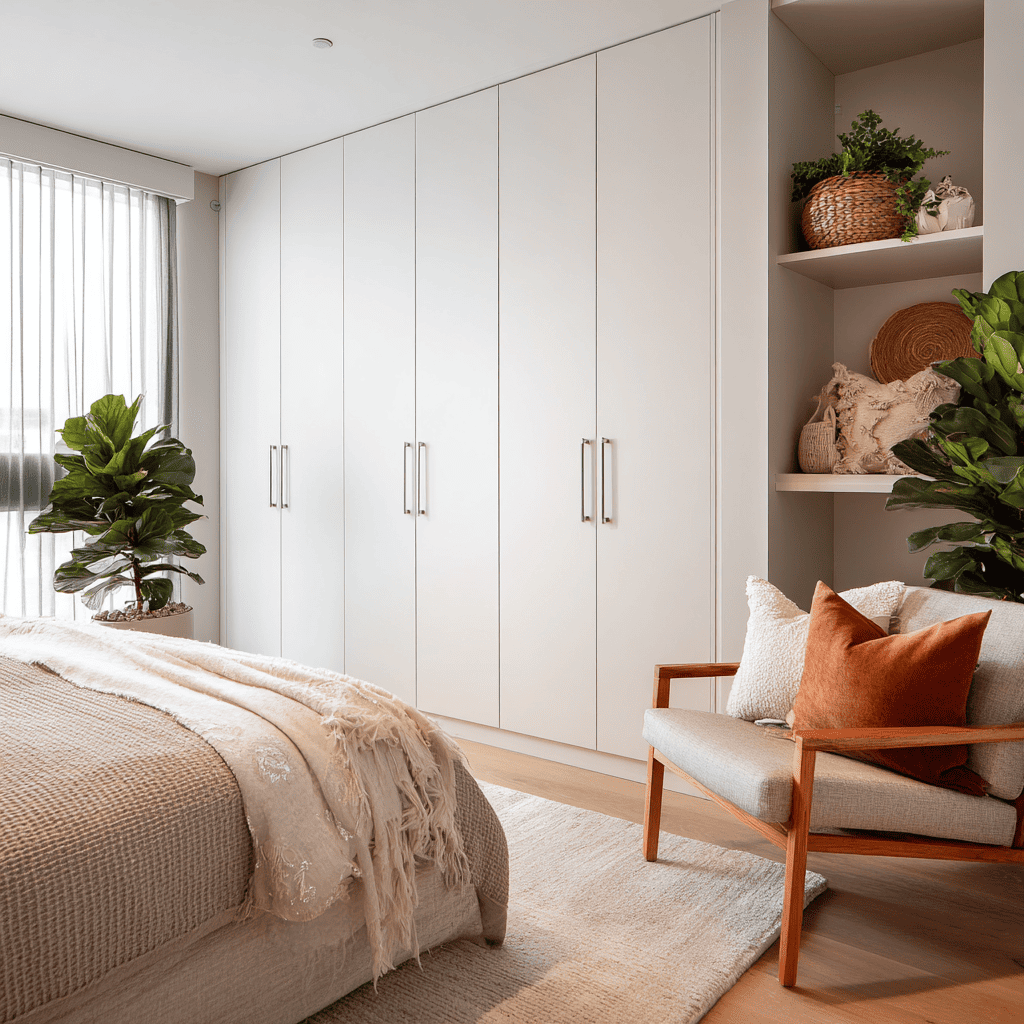
Custom floor-to-ceiling wardrobe with smart storage for seasonal essentials.
Door style becomes crucial when wardrobes get taller. Hinged doors can get heavy at full height and may need stronger hinges over time. Sliding doors, on the other hand, tend to handle tall shutters better because they move sideways instead of swinging out.
Armadio, Aristo’s curated range for HomeLane, is built specifically for tall aluminium wardrobe systems and typically recommends sliding doors for this reason.
What About Cost?
A full-height wardrobe that keeps everything organised.
A floor-to-ceiling wardrobe isn’t automatically more expensive than a standard one. The internal layout with shelves and drawers often stays similar. What usually affects the cost is the door size, the type of hardware, and the finish you choose.
Larger panels and sliding systems can add to the budget, and installation precision becomes more important with taller units. In most cases, the internal layout costs stay similar; it’s the taller shutters and hardware that change the price. If you’re considering a full-height sliding system, Armadio offers configurations that balance door size, hardware quality, and finish options across different budgets.
When Floor-to-Ceiling Wardrobes Make Sense
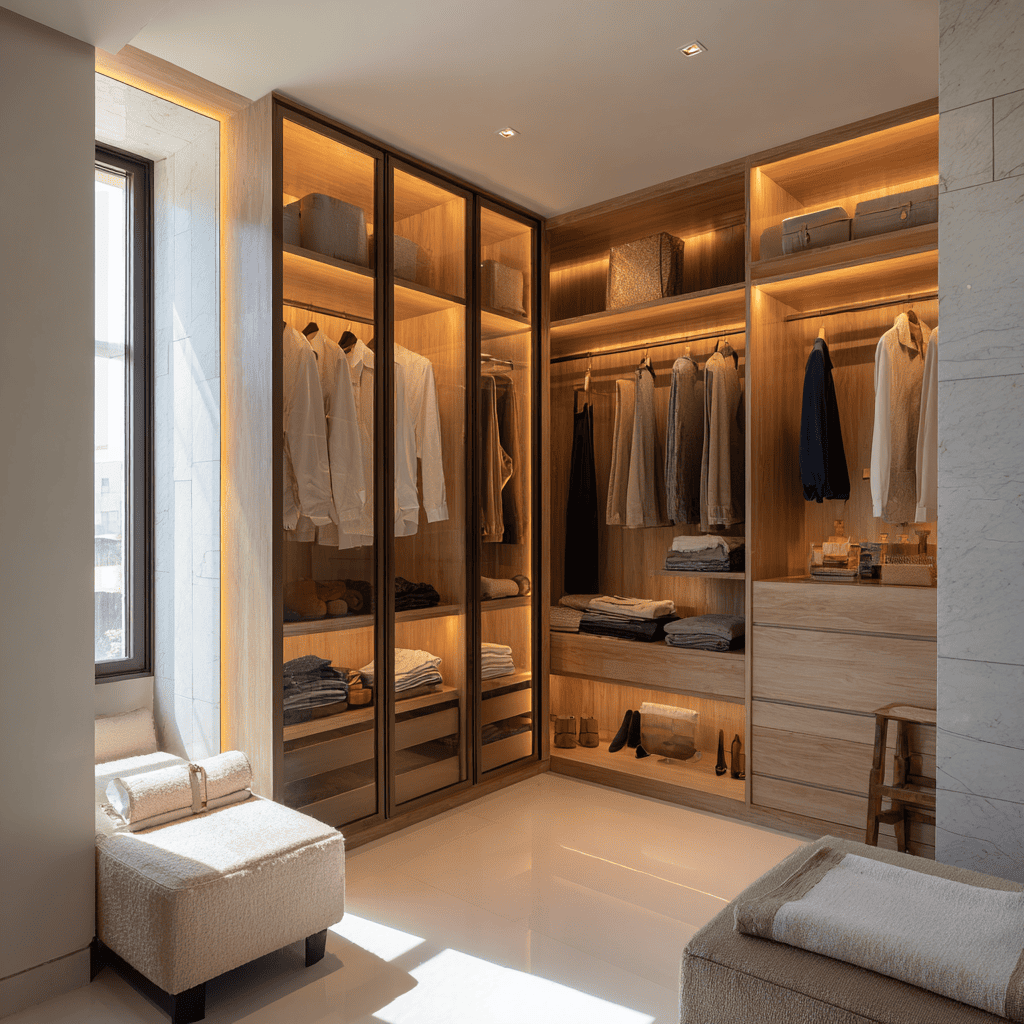
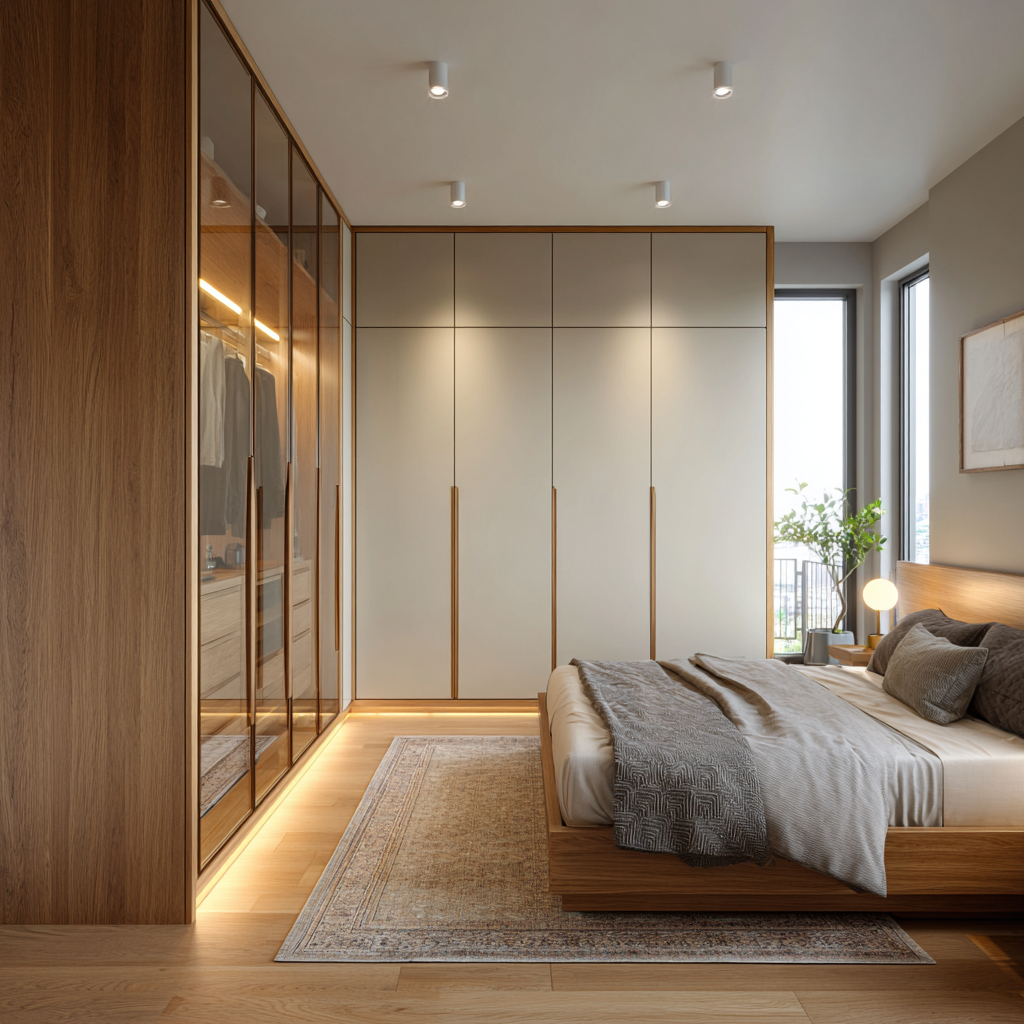
A stylish floor-to-ceiling wardrobe with glass doors.
Floor-to-ceiling wardrobes work particularly well for:
Compact urban bedrooms • People with hobbies or equipment to store • Families with changing storage needs • Minimalist interiors that prefer clean lines • Homes with higher ceilings that would otherwise go unused
They may not work well with rentals, older homes with uneven ceilings, or for people who prefer everything to be within easy reach.
What It Means for Your Bedroom
Floor-to-ceiling wardrobe design that makes small bedrooms feel taller
In many HomeLane projects, we’ve seen that when storage is planned around real routines instead of just measurements, rooms start to feel easier to live in.
Floor-to-ceiling wardrobes aren’t just a design trend people are following blindly. They’re a practical response to how bedrooms are used today. By shifting storage upward instead of outward, they help keep spaces feeling lighter and more organised. These wardrobes work best when they are designed thoughtfully, with the right door systems, proportions, and internal layout to match the way you actually use your space.
When that happens, they blend into the background and let the room function more smoothly. And that’s really what good storage is meant to do.






































 EXPLORE MORE